Loch Ness Monster

Loch Ness Monster is the Subject of the Largest Organized Search

Largest Organized Search for Loch Ness Monster to Have Byproduct of Mass Scientific Study of Britain’s Largest Lake

Good News Network | By Andy Corbley | Aug 23, 2023 | Loch Ness Monster | Shield Insurance Blog

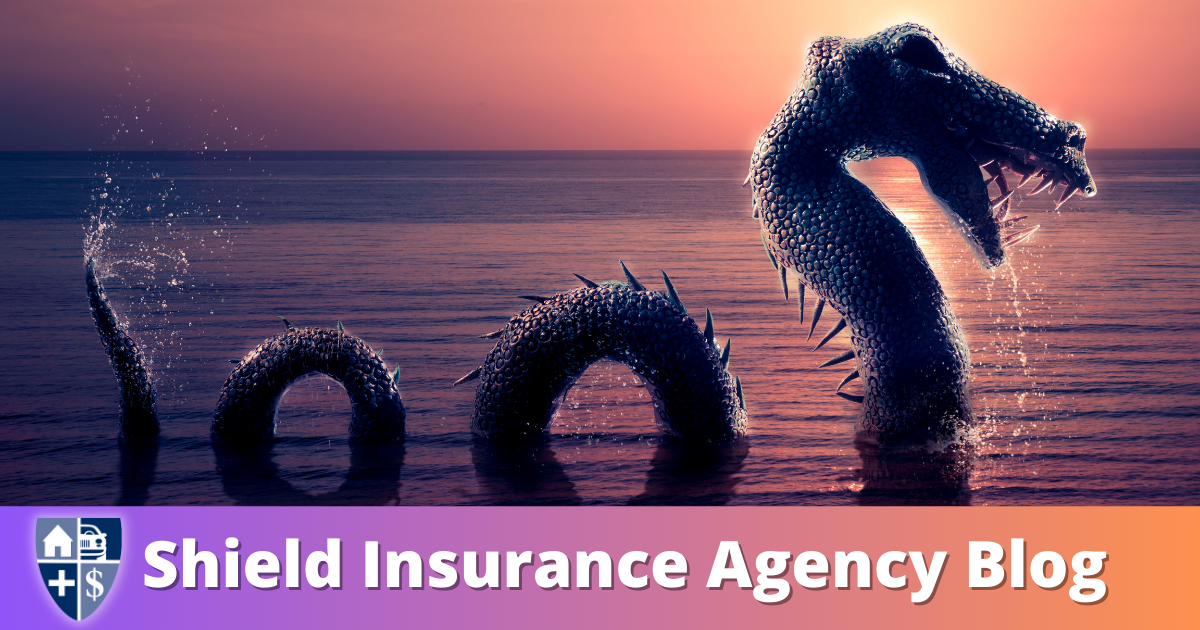
This weekend, the Loch Ness Center is holding the largest-ever search for the mythical monster, and will feature a horde of volunteers wielding hi-tech equipment never-before-used on the lake.

It will be the biggest organized search since 1972, and so many “Nessie” enthusiasts signed up for the search they had to close the web portal.

At 22 square miles and with a maximum depth of 788 feet, Loch Ness is Britain’s largest lake, and its unique ecology will be recorded with hydrophones and surveyed with infrared drones.

Most claims of the Loch Ness Monster over the years have been admitted hoaxes, but it’s possible that once upon a time there could have been a giant wels catfish that would have looked perhaps like a serpent from the surface—imagine living in the 19th century and seeing the back of this great beast, caught this year in Italy’s Po River.

Another possible candidate would be a European eel. Eels are known to live in the river, according to a massive study that examined DNA of every animal in the Loch. European eels move snake-like through the water. Furthermore, they can live about 80 years—which would cover the vast majority of the 1,100 or so recording ‘sightings’ of the monster during the 20th and 21st centuries.

However, they’re not anywhere near as big as a wels, which can grow as long as a surfboard.

Paul Nixon, general manager of the Loch Ness Center, said he’s excited to see the waters searched like never before over the weekend.

“We are guardians of this unique story,” Nixon said. “And as well as investing in creating an unforgettable experience for visitors, we are committed to helping continue the search and unveil the mysteries that lie underneath the waters of the famous Loch.”

More on the story…

Read More
Business Owners: The Surprising Ways BOP and General Liability Differ

Business Owners: The Surprising Ways BOP and General Liability Differ

Shield Insurance Blog | Business Owners | Business Insurance | Start A Quote Today!

How is a Business Owners Policy (BOP) Different from General Liability?

When it comes to protecting your business, insurance is a must. However, with so many different types of insurance policies available, it can be confusing to determine which one is right for you. Business owners often consider two common types of insurance: a Business Owners’ Policy (BOP) and General Liability insurance. While they may seem similar, there are some key differences between the two. In this blog post, we will explore how a BOP differs from general liability and help you understand which one may be the best fit for your business.

What is a Business Owners Policy (BOP)?

A Business Owners Policy, or BOP, is a comprehensive insurance package for small to medium-sized businesses. It combines several types of coverage into one policy, providing a convenient and cost-effective solution for business owners. A BOP typically includes property, liability, and business interruption insurance.

What Does a BOP Cover?

A BOP provides coverage for a wide range of risks that businesses commonly face. Here are some of the key coverages included in a typical BOP:

1. Property Insurance: This coverage protects your business property, including buildings, equipment, inventory, and furniture, against damage or loss caused by fire, theft, vandalism, or other covered perils.

2. Liability Insurance: Liability insurance protects your business from claims of bodily injury or property damage caused by your products, services, or operations. It also covers legal fees and settlements if you are sued.

3. Business Interruption Insurance: If your business is forced to temporarily close due to a covered event, such as a fire or natural disaster, business interruption insurance can help cover lost income and ongoing expenses, such as rent and payroll.

What Isn’t Covered by a Business Owners Policy?

While a BOP provides comprehensive coverage, there are some risks that are typically not covered. These may include:

  • Professional Liability: If your business provides professional services, such as consulting or advice, you may need a separate professional liability insurance policy to protect against claims of negligence or errors.
  • Workers’ Compensation: If you have employees, you are required by law to carry workers’ compensation insurance, which provides coverage for medical expenses and lost wages if an employee is injured on the job.
  • Auto Insurance: If your business owns vehicles or if employees use their personal vehicles for business purposes, you will need a separate commercial auto insurance policy to cover accidents and liability.

What Other Types of Coverages Are Needed?

In addition to a BOP, there are several other types of insurance coverage that may be necessary depending on the nature of your business. These may include:

  • Professional Liability Insurance: This coverage is essential for businesses that provide professional services, such as doctors, lawyers, or architects. It protects against claims of negligence, errors, or omissions.
  • Cyber Liability Insurance: In today’s digital age, businesses are increasingly vulnerable to cyber threats. Cyber liability insurance provides coverage for data breaches, cyberattacks, and other cyber-related risks.
  • Employment Practices Liability Insurance: This coverage protects your business against claims of wrongful termination, discrimination, harassment, or other employment-related issues.

Do You Need a Business Owners Policy?

Whether or not you need a BOP depends on the size and nature of your business. If you are a small to medium-sized business owner, a BOP can provide comprehensive coverage at an affordable price. It offers convenience by combining multiple coverages into one policy, saving you time and money. However, if your business has unique risks or requires specialized coverage, you may need additional policies to ensure adequate protection.

What Types of Businesses Are Eligible for a Business Owners Policy?

A BOP is typically designed for small to medium-sized businesses that operate in low-risk industries. Some examples of eligible businesses include retail stores, restaurants, offices, and small manufacturing operations. However, eligibility requirements may vary depending on the insurance company, so it’s best to consult with an insurance agent to determine if your business qualifies for a BOP.

What Does a Business Owners Policy Cost?

The cost of a BOP depends on several factors, including the size of your business, the industry you operate in, and the coverage limits you choose. On average, a BOP can cost anywhere from a few hundred dollars to several thousand dollars per year. To get an accurate quote for your business, it’s best to contact an insurance agent who can assess your specific needs and provide you with a customized quote.
In conclusion, a business owner’s policy (BOP) and general liability insurance are two different types of coverage that offer varying levels of protection for your business. While a BOP provides comprehensive coverage for property, liability, and income, general liability insurance specifically covers claims of bodily injury, property damage, and personal injury.

It’s important to assess your business’s specific needs and consult with an insurance agent to determine the appropriate coverages for your situation. Shield Insurance Agency represents over 40 insurance companies and can provide you with a free quote tailored to your business’s needs. Contact Shield Insurance Agency at (616) 896-4600 for a free quote today or start the quoting process by visiting this LINK and an agent will be in touch soon.


More great blogs by Shield Insurance Agency

Read More
Loss Ratio Can Drastically Affect Business Insurance Premiums

Loss Ratio Can Drastically Affect Business Insurance Premiums – Don’t Miss Out!

Shield Insurance Agency Blog | Loss Ratio | Start A Quote Today!

When it comes to business insurance, one of the key factors that affect your premiums is your loss ratio. But what exactly is a loss ratio? In simple terms, it is the ratio of the losses you have experienced to the premiums you have paid. It is a measure of how much you have claimed from your insurance company compared to how much you have paid in premiums.

Commercial Insurance

For businesses, the loss ratio is an important metric that insurance companies use to determine the risk associated with insuring your business. A high loss ratio indicates that your business is more likely to make claims, which means that the insurance company will have to pay out more in claims. As a result, they will charge you higher premiums to compensate for the increased risk.

How a Loss Ratio Works

To understand how a loss ratio works, let’s consider an example. Let’s say your business paid $10,000 in premiums over the course of a year, and during that same year, you made claims totaling $5,000. In this case, your loss ratio would be 0.5, or 50%. This means that for every dollar you paid in premiums, you claimed 50 cents.

Loss Ratio vs. Benefits-Expense Ratio

It’s important to note that the loss ratio is different from the benefits-expense ratio. While the loss ratio measures the claims you have made compared to the premiums you have paid, the benefits-expense ratio measures the benefits paid out by the insurance company compared to the expenses incurred by the insurance company.

Deductible

Another factor that affects your loss ratio is the deductible. The deductible is the amount you have to pay out of pocket before your insurance coverage kicks in. A higher deductible means that you will have to pay more out of pocket for each claim, which can lower your loss ratio. On the other hand, a lower deductible means that you will have to pay less out of pocket for each claim, which can increase your loss ratio.

Affordable Protection for Your Business and Family

Understanding how your loss ratio affects your business insurance premiums is crucial for ensuring that you have affordable protection for your business and family. By maintaining a low loss ratio, you can demonstrate to insurance companies that your business is a low-risk investment, which can result in lower premiums.

Shield Insurance Agency represents over 40 insurance companies, which means that we can help you find the best coverage at the most affordable price. Our experienced agents will work with you to assess your needs and find the right insurance policy for your business. Whether you need general liability insurance, property insurance, or workers’ compensation insurance, we have you covered.

Contact Shield Insurance Agency at (616) 896-4600 for a free quote today or start the quoting process by visiting this LINK and an agent will be in touch soon. We understand that every business is unique, and we will tailor our services to meet your specific needs. Don’t let high insurance premiums eat into your profits. Let Shield Insurance Agency help you find affordable protection for your business and family.

More Blogs by Shield Insurance Agency

Read More

The Ultimate Guide to Walking: All Your Questions Answered!

Shield Insurance Blog | Walking | Health Insurance | Start A Quote Today!

Your Top Walking Questions — Answered!

Walking is a fantastic form of exercise that is accessible to almost everyone. It’s low-impact, easy to do, and can be done anywhere, anytime. But like any form of exercise, there are often questions and uncertainties that arise. In this blog post, we will answer some of the most common questions about walking to help you get the most out of your walking routine.

1. Should I carry weights to burn more calories?

Carrying weights while walking can increase the intensity of your workout and potentially burn more calories. However, it’s important to use caution when adding weights, as they can put strain on your joints and muscles. Start with lighter weights and gradually increase the load as your strength improves. It’s also a good idea to consult with a fitness professional to ensure you are using proper form and technique.

2. How fast should I walk?

The speed at which you walk depends on your fitness level and goals. A brisk pace is generally recommended for cardiovascular benefits. Aim for a pace where you can still carry on a conversation but feel slightly breathless. If you’re just starting out, start with a comfortable pace and gradually increase your speed over time.

3. Do I really need to lug a bottle of water with me during a long walk?

Staying hydrated is important, especially during longer walks or in hot weather. While it may be tempting to skip carrying a water bottle to lighten your load, it’s essential to have access to water to prevent dehydration. Invest in a lightweight, portable water bottle that you can easily carry with you.

4. Is walking as good as other forms of cardiovascular exercise?

Walking is an excellent form of cardiovascular exercise that offers numerous health benefits. It can improve heart health, strengthen muscles, and help with weight management. While other forms of exercise may have their own advantages, walking is a great option for people of all fitness levels and ages.

5. Which is more beneficial: walking outside or using a treadmill indoors?

Both walking outside and using a treadmill indoors have their advantages. Walking outside allows you to enjoy fresh air, nature, and changing scenery. Treadmills, on the other hand, provide a controlled environment and allow you to easily track your speed, distance, and other metrics. Ultimately, the choice between the two depends on personal preference and convenience.

6. What’s the best time of day to walk?

The best time of day to walk is whenever it fits into your schedule and you can commit to it consistently. Some people prefer to walk in the morning to kickstart their day, while others find that an evening walk helps them unwind. Experiment with different times of day to find what works best for you.

7. Should I eat before I walk?

It’s generally recommended to have a light snack or meal before walking, especially if you’re planning a longer or more intense walk. This will provide your body with the necessary fuel to sustain your activity. Opt for a balanced meal or snack that includes carbohydrates for energy and protein for muscle repair.

8. What’s the simplest way to determine how fast I’m walking?

The simplest way to determine your walking speed is to use a pedometer or a fitness tracker that measures your steps and distance. These devices can provide you with valuable information about your walking pace and progress.
9. How many calories do I burn by walking a mile?

The number of calories burned while walking a mile depends on various factors such as your weight, walking speed, and terrain. On average, a person weighing around 150 pounds can burn approximately 100 calories by walking a mile at a moderate pace.

10. My walking shoes have two sets of eyelets. Which should I use?

The choice of eyelets depends on your foot shape and comfort. Experiment with both sets of eyelets to find the lacing pattern that provides the best fit and support for your feet.

11. I walk early in the morning, so my walking shoes always get wet. They’re still damp the next day when I go to put them on. Any suggestions?

To dry your walking shoes more quickly, remove the insoles and place them in a well-ventilated area. Stuff the shoes with newspaper or use a shoe dryer to absorb moisture. Avoid direct heat sources like radiators, as they can damage the shoes.

12. When should I get new shoes?

It’s recommended to replace your walking shoes every 300-500 miles or every 6-12 months, depending on your walking frequency and the wear and tear on the shoes. Inspect your shoes regularly for signs of wear, such as worn-out soles or decreased cushioning.

13. How can I evaluate my fitness level as a walker?

There are several ways to evaluate your fitness level as a walker. You can track your walking speed, distance, and time to monitor your progress over time. Additionally, you can perform a walking test, such as the 6-minute walk test, to


Read more blogs by Shield Insurance Agency

Read More
Thriving Through Turbulence: How Commercial Insurance Protects Your Michigan Business

Thriving Through Turbulence: How Commercial Insurance Protects Your Michigan Business

Shield Insurance Blog | Commercial Insurance | Meet TJ | Start A Quote Today!

Michigan’s businesses face a variety of daily challenges that can negatively impact their businesses. Commercial insurance helps Michigan business owners protect their most important investments. 

How Your Business Can Thrive Through Turbulence

Smart business owners mitigate the challenges that affect business growth, operations, and financial stability by investing in business insurance. 

Why Michigan Businesses Need Commercial Insurance 

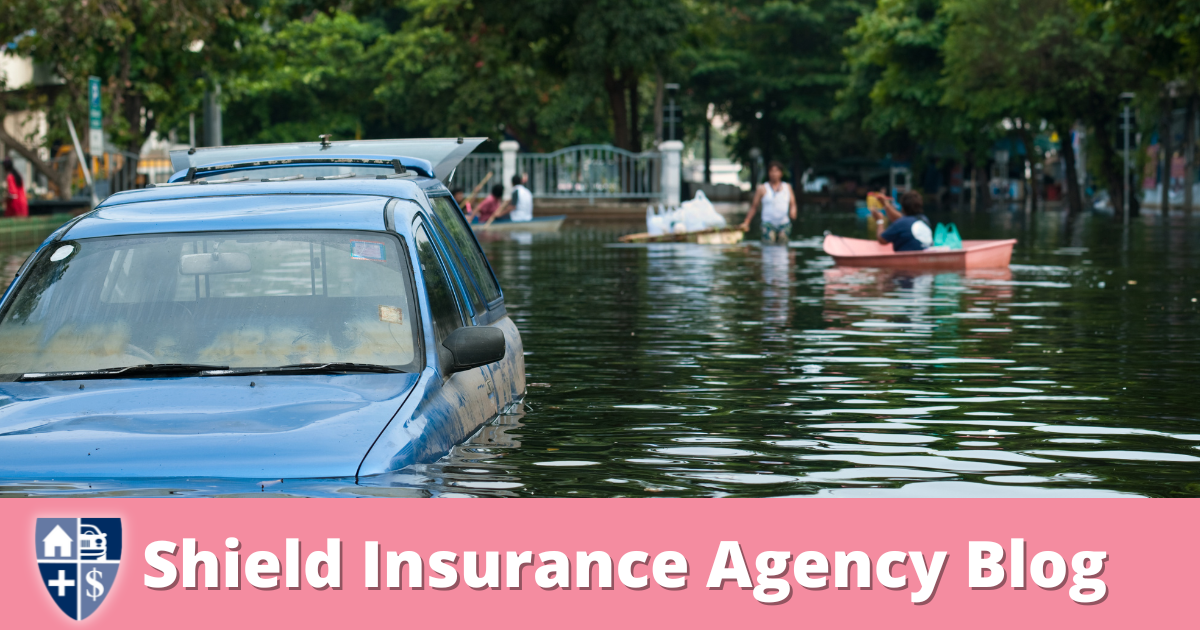
When businesses experience financial turbulence, business insurance acts as a shield to safeguard your business against turbulence. For example, unexpected events like floods or natural disasters can end a business without commercial insurance. 

Michigan Commercial Insurance Coverages

Business insurance policies provide a financial security blanket that shields Michigan business owners from loss. 

Legal Disputes

Commercial insurance helps to protect Michigan business owners when legal disputes about business operations, products or services. 

Lawsuits

Avoid paying out-of-pocket if your business is sued by a customer, vendor, or partner. 

Workers Compensation Claims

Do you have workers injured on the job? Protect your business from work stoppage when workers’ compensation claims threaten your bottom line. 

Slip and Fall Accidents

Accidents happen, and when accidents happen on your business property, the results can be costly. Shield your Michigan business from loss with a protective policy. 

Not sure which commercial insurance plan is right for you? Talk to the Michigan business insurance experts at Shield Insurance Agency. 

Get Commercial Insurance in Michigan!

Our knowledgeable insurance agents can walk you through the steps to choose the best business insurance policy to protect your business assets in Michigan. We can also talk to you about bundling your business insurance policy with other forms of business insurance to best meet your needs. Contact Shield Insurance Agency for a quote today!

Shield Insurance Agency represents over 40 insurance companies. Contact Shield Insurance Agency at (616) 896-4600 for a free quote today or start the quoting process by visiting this LINK and an agent will be in touch soon.


More Blogs by Shield Insurance Agency

Read More
Unveiling the Hidden Secrets: General Liability vs. Professional Liability - Which One Protects You Better?

Unveiling the Hidden Secrets: General Liability vs. Professional Liability – Which One Protects You Better?

Shield Insurance Blog | General Liability vs Professional Liability | Start A Quote Today!

What is the difference between general liability and professional liability?

When it comes to insurance, there are many different types of coverage available to protect individuals and businesses from various risks and liabilities. Two common types of insurance that often get confused are general liability insurance and professional liability insurance. While they may sound similar, they actually serve different purposes and cover different areas of risk. In this blog post, we will explore the differences between general liability and professional liability insurance, as well as their similarities and benefits.

What is general liability insurance?

General liability insurance is a type of coverage that provides protection for businesses against claims of bodily injury, property damage, and personal injury. It is designed to cover the costs associated with legal defense, settlements, and judgments that may arise from these types of claims. General liability insurance is typically purchased by businesses to protect themselves from accidents or incidents that may occur on their premises or as a result of their operations.

What does general liability insurance pay for?

General liability insurance pays for a variety of expenses related to claims made against a business. This can include medical expenses for injuries sustained by third parties, repairs or replacement of damaged property, legal fees, and settlements or judgments awarded to the injured party. It can also cover advertising injuries, such as defamation or copyright infringement, and certain types of personal injuries, such as false arrest or invasion of privacy.

What is professional liability insurance?

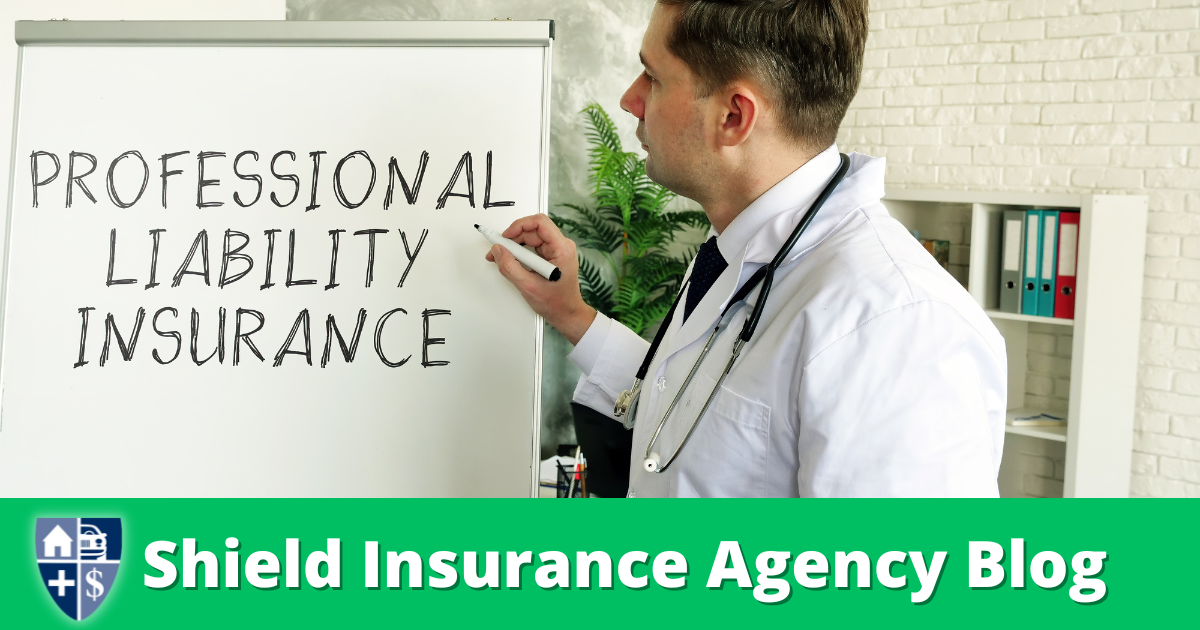
Professional liability insurance, also known as errors and omissions insurance, is a type of coverage that provides protection for professionals against claims of negligence, errors, or omissions in the performance of their professional duties. It is designed to cover the costs associated with legal defense, settlements, and judgments that may arise from these types of claims. Professional liability insurance is typically purchased by individuals or businesses that provide professional services, such as doctors, lawyers, architects, consultants, and contractors.

How are general liability and professional liability insurance similar?

While general liability and professional liability insurance cover different areas of risk, they do share some similarities. Both types of insurance provide protection against claims that may result in financial loss for the insured party. They also both cover the costs associated with legal defense, settlements, and judgments. Additionally, both types of insurance typically have a deductible, which is the amount the insured party must pay out of pocket before the insurance coverage kicks in.

However, there are also some key differences between general liability and professional liability insurance. General liability insurance is broader in scope and covers a wider range of risks, such as accidents, injuries, and property damage. It is typically purchased by businesses to protect themselves from claims that may arise from their operations. On the other hand, professional liability insurance is more specific and covers claims related to professional negligence, errors, or omissions. It is typically purchased by individuals or businesses that provide professional services.

Another difference between the two types of insurance is the cost. General liability insurance is generally more affordable than professional liability insurance, as it covers a broader range of risks and is considered to be less specialized. The cost of professional liability insurance can vary depending on the type of profession, the level of risk involved, and the amount of coverage needed.

In conclusion, general liability insurance and professional liability insurance are two different types of coverage that serve different purposes and cover different areas of risk. General liability insurance provides protection against claims of bodily injury, property damage, and personal injury, while professional liability insurance provides protection against claims of professional negligence, errors, or omissions. While they have some similarities, such as covering legal defense costs and having a deductible, they also have key differences in terms of scope, cost, and the types of risks they cover.

If you are in need of general liability or professional liability insurance, Shield Insurance Agency can help. Shield Insurance Agency represents over 40 insurance companies and can provide you with affordable and comprehensive coverage to protect you and your family. Contact Shield Insurance Agency at (616) 896-4600 for a free quote today or start the quoting process by visiting this LINK and an agent will be in touch soon.


More blogs by Shield Insurance Agency

Read More
Random Acts of Kindness Will Make You Believe in Goodness

Random Acts of Kindness Will Make You Believe in Goodness

Shield Insurance Blog | Random Acts of Kindness | Start a Quote Today!

Random Acts of Kindness

Random Acts of Kindness is a powerful force that has the ability to transform lives and create a positive impact in any setting. Whether it is in the workplace, at home, or in school, acts of kindness can set the tone for a supportive and nurturing environment. In this blog post, we will explore the importance of kindness in various aspects of life and how it can contribute to personal and collective growth.

Kindness in the Workplace

The workplace is often a fast-paced and competitive environment, where stress and pressure can take a toll on employees. However, incorporating kindness into the workplace can make a significant difference in the overall well-being and productivity of individuals. Setting a tone of kindness starts with modeling behavior. Leaders and managers should lead by example and demonstrate kindness in their interactions with employees. This can include simple acts such as expressing gratitude, offering support, and showing empathy towards colleagues. By creating a safe and supportive environment, employees feel valued and motivated to perform their best.

Kindness at Home

Home is where the heart is, and it is also where kindness should thrive. In our busy lives, it is easy to overlook the importance of kindness within our own families. However, small acts of kindness can go a long way in strengthening relationships and creating a harmonious atmosphere. Whether it is helping with household chores, listening attentively to a family member’s concerns, or simply expressing love and appreciation, kindness at home fosters trust, boundaries, and a sense of belonging. It is important to remember that kindness starts from within, and by practicing kindness at home, we can extend it to other areas of our lives.

Kindness at School

School is where children spend a significant amount of their time, and it plays a crucial role in their development. Incorporating kindness into the school environment can have a profound impact on student’s well-being and academic success. Teachers and administrators can create a safe and supportive environment by encouraging kindness and modeling positive behavior. By celebrating students’ strengths and encouraging a growth mindset, educators can instill confidence and resilience in their students. Additionally, promoting communication and collaboration among students fosters a sense of belonging and encourages empathy and understanding.

Celebrating Random Acts of Kindness

Random acts of kindness should be celebrated and acknowledged. They have the power to inspire others and create a ripple effect of kindness in the world. At Shield Insurance Agency, kindness is at the core of our values. As an agency that represents over 40 insurance companies, we understand the importance of trust, boundaries, and belonging. We believe in creating a safe and supportive environment for our clients, where their needs are met with empathy and understanding. Contact Shield Insurance Agency at (616) 896-4600 for a free quote today or start the quoting process by visiting this LINK and an agent will be in touch soon.

In conclusion, kindness is a powerful force that can transform lives and create a positive impact in any setting. Whether it is in the workplace, at home, or in school, acts of kindness set the tone for a supportive and nurturing environment. By modeling behavior, creating a safe and supportive environment, and celebrating strengths and a growth mindset, we can foster trust, boundaries, and a sense of belonging. Let us embrace kindness and make a difference in the world, one random act at a time.


More blogs by Shield Insurance Agency

Read More
Small Business Income Insurance: Protecting Your Business and Your Income

Secure Your Business with Small Business Income Insurance

Shield Insurance Blog | Business Income Insurance | Contact TJ Simmons, Shield Business Insurance Specialist

Business Income Insurance.

Running a small business comes with its own set of challenges and risks. One of the most important aspects of managing a business is ensuring that you have the right insurance coverage in place to protect your assets and income. One type of coverage crucial for small businesses is Business Income or Extra Expense coverage. In this blog post, we will explore what this coverage entails and how it can provide important protection for your business.

What is Business Income Insurance or Extra Expense coverage?

Business Income coverage, also known as Business Interruption coverage, is designed to protect your business income in the event of a covered loss that causes a suspension of your operations. This coverage can help replace lost income and cover ongoing expenses such as rent, utilities, and payroll while your business is unable to operate.

Extra Expense coverage, on the other hand, covers additional expenses that you may incur to minimize the impact of a covered loss on your business. This can include expenses such as renting temporary office space, purchasing new equipment, or hiring additional staff to expedite the recovery process.

Is Business Income Insurance coverage subject to a deductible?

Yes, Business Income coverage is typically subject to a deductible. The deductible is the amount that you, as the insured, are responsible for paying before the insurance coverage kicks in. Reviewing your policy to understand the specific deductible amount and any other terms and conditions that may apply is important.

Here is an example of how these coverages may provide a business with important protection:

Imagine you own a small retail store that is hit by a tornado, causing significant damage to your building. As a result, you are forced to suspend operations while repairs are being made. During this time, you are unable to generate any income and still have ongoing expenses such as rent and utilities.

In this scenario, your Business Income coverage would kick in to replace the income you would have earned during the suspension period. It would also cover your ongoing expenses, ensuring that your business can continue to meet its financial obligations.

What if my building sustains significant tornado damage and, as a result, I have to suspend operations? When would my Business Income coverage begin? When would it end?

Your Business Income coverage would typically begin on the date of the covered loss, in this case, the date the tornado caused damage to your building. It would continue until the date when your business can resume normal operations or until the coverage limit is exhausted, whichever comes first.

How will the amount of my Business Income loss be determined?

The amount of your Business Income loss will be determined based on your financial records and the financial performance of your business before the covered loss. This can include factors such as your net income, operating expenses, and any other relevant financial information.

What information will I need to provide to support my Business Income Insurance claim?

To support your Business Income claim, you will typically need to provide documentation such as financial statements, tax returns, and other records that demonstrate your business’s income and expenses. It is important to keep accurate and up-to-date financial records to ensure a smooth claims process.

Do I have coverage for paying my employees while my business is not operating?

Yes, Business Income coverage can include coverage for paying your employees while your business is not operating. This can help ensure that your employees are taken care of during a temporary suspension of operations.

What happens if, once I resume operations, I continue to experience a loss of business income?

If you continue to experience a loss of business income even after resuming operations, you may be eligible for Extended Business Income coverage. This coverage can provide additional protection for an extended period, allowing your business to recover from the loss and regain its financial stability.

How will I know if my policy provides Extra Expenses or Extended business insurance income coverage?

You should review your policy documents or contact your insurance agent to determine if your policy provides Extra Expense or Extended Business Income coverage. They will be able to provide you with the details of your coverage and help you understand any additional endorsements or options that may be available to you.

In conclusion, Business Income or Extra Expense coverage is an essential component of insurance protection for small businesses. It provides financial support during a temporary suspension of operations and helps cover ongoing expenses. By understanding the details of your coverage and working with a knowledgeable insurance agent, you can ensure that your business is adequately protected.

Shield Insurance Agency represents over 40 insurance companies and can provide you with a free quote to help you find the right coverage for your small business. Call or text Shield Insurance Agency at (616) 896-4600 for a free quote today or start the quoting process by visiting this LINK and an agent will be in touch soon. Protect your business, protect your income, and protect your family’s future.


More interesting articles featured by Shield Insurance Agency

Read More
Hairless Animals Are Barely Recognizable - Shield Insurance Blog

Hairless Animals That Are Barely Recognizable

BoredPanda.com | Hairless Animals | Pet Insurance | Start a Quote Today!

Humans are not the only ones who suffer from hair loss. Whether caused by disease or old age, this condition can affect our animal friends, too.

Hair loss from the head or body is technically called alopecia. It can have many different causes, such as natural processes (seasonality or aging), biological dysfunctions (vitamin or mineral imbalance), genetic mutations, diseases or parasitic infestations. Some dogs, cats, rats and guinea pigs were even bred to be hairless by humans.

Luckily, the weird animals from our list below don’t seem to mind their hair, fur or feather loss. What do you think – are these hairless animals still just as cute as with their furs and feathers?

Hairless Rabbit

These 15 Animals Without Hair Are Barely Recognizable

This cute bunny was born in 2009 and he instantly became an Internet sensation for being bald. Fortunately, after three months he grew his first coat and turned out to be as normal as his fluffy siblings. (Source: teddytassen.se)

Hairless Animals: Bear

These 15 Animals Without Hair Are Barely Recognizable

Dolores the bear is among other female bears that were affected by sudden hair loss at a zoo in Leipzig, Germany. Some experts believe this was caused by a genetic defect, though the animals do not seem to be suffering from any other afflictions. (Source: Daily Mail)

Hairless Hedgehog

These 15 Animals Without Hair Are Barely Recognizable

Meet Betty, the cute bald hedgehog-ette from Foxy Lodge rescue center, UK. She is a healthy and absolutely fine critter apart from being bald, the cause of which is unknown. (Source: greatyarmouthmercury.co.uk)

Click here for More hairless animals…


More blogs by Shield Insurance Agency

Read More
To help you better understand this complex industry, we have compiled a comprehensive list of insurance terms that you should be familiar with.

Know Your Insurance Terms for Peace of Mind

Shield Insurance Agency Blog | Insurance Terms | Start a Quote Today!

Insurance is an essential aspect of our lives, providing us with the necessary protection and peace of mind. However, navigating the world of insurance can be overwhelming, especially with the numerous terms and jargon often used. To help you better understand this complex industry, we have compiled a comprehensive list of insurance terms that you should be familiar with. Whether you are a seasoned policyholder or a newcomer to the world of insurance, this list will serve as a valuable resource.

Insurance Terms

1. Premium: The amount of money you pay to the insurance company in exchange for coverage. Premiums can be paid monthly, quarterly, or annually, depending on the policy.

2. Deductible: The amount of money you must pay out of pocket before your insurance coverage kicks in. For example, if you have a $500 deductible and file a claim for $1,000, you will pay the first $500, and the insurance company will cover the remaining $500.

3. Policy: A contract between you and the insurance company that outlines the terms and conditions of your coverage. It specifies what is covered, the limits of coverage, and any exclusions or conditions.

4. Coverage: The protection provided by an insurance policy. It can include various types, such as auto, home, health, life, and more.

5. Liability: The legal responsibility for any damages or injuries caused to others. Liability coverage is designed to protect you in case you are held responsible for an accident or injury.

6. Claim: A formal request made by the policyholder to the insurance company for compensation or reimbursement for a covered loss or damage.

7. Underwriting: The process of evaluating an applicant’s risk and determining the terms and conditions of their insurance policy. It involves assessing factors such as age, health, driving record, and more.

8. Exclusion: Specific situations or conditions that are not covered by an insurance policy. It is important to review your policy carefully to understand what is excluded from coverage.

9. Rider: An additional provision or amendment to an insurance policy that modifies or expands the coverage. Riders are often used to add specific coverage options or increase policy limits.

10. Agent: A licensed professional who represents an insurance company and helps individuals or businesses find the right insurance coverage. They can provide guidance, answer questions, and assist with the claims process.

11. Insured: The person or entity covered by an insurance policy. This can be an individual, a family, or a business.

12. Loss: The reduction in value or damage to property or assets covered by an insurance policy. It can be due to theft, accident, natural disaster, or other covered events.

13. No-claims bonus: A discount or reward given by insurance companies to policyholders who do not file any claims during a specific period. It encourages safe driving and responsible behavior.

14. Comprehensive coverage: An insurance policy that provides protection against a wide range of risks and perils, including theft, vandalism, fire, and natural disasters.

15. Grace period: The additional time given to policyholders to pay their premium after the due date without incurring a penalty or losing coverage.

16. Subrogation: The process by which an insurance company seeks reimbursement from a third party who is responsible for the loss or damage covered by the policy. It allows the insurance company to recover the amount paid to the policyholder.

17. Actuary: A professional who uses statistical data and mathematical models to assess risk and determine insurance premiums. They play a crucial role in pricing policies and ensuring the financial stability of insurance companies.

18. Umbrella policy: An additional liability insurance policy that provides coverage beyond the limits of your primary policies. It offers an extra layer of protection against high-cost claims or lawsuits.

19. Depreciation: The decrease in the value of an asset over time due to wear and tear or obsolescence. Insurance policies often take depreciation into account when determining the amount of compensation for a covered loss.

20. Endorsement: A written amendment or addition to an insurance policy that changes the terms or coverage. It can be used to add or remove coverage options, increase or decrease policy limits, or modify other policy provisions.

Understanding these insurance terms will empower you to make informed decisions when it comes to protecting yourself, your family, and your assets. Remember, insurance is not just a financial product; it is a shield that safeguards your future. If you have any questions or need assistance in finding the right insurance coverage, contact Shield Insurance Agency at (616) 896-4600 for a free quote today. You can also start the quoting process by visiting this LINK, and an agent will be in touch soon. Stay protected and enjoy peace of mind with comprehensive insurance coverage.


More Blogs by Shield Insurance Agency

Read More