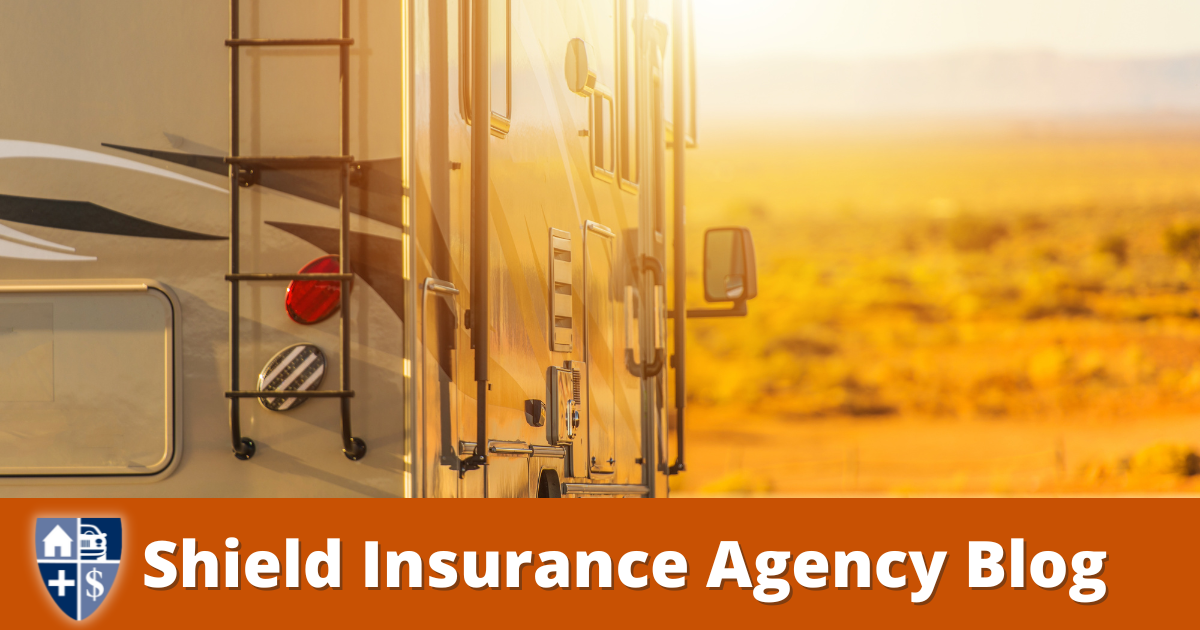
Shield Insurance Agency explains how RV insurance coverage works in regard to the theft of personal belongings

Does RV insurance cover the theft of personal belongings that are in the RV?

Shield Insurance Blog | RV Insurance | Start a quote today!

What better way to explore the hidden gems of Michigan than in an RV? But theft is an unfortunate possibility that can ruin a vacation.  Shield Insurance Agency explains how RV insurance coverage works in regard to the theft of personal belongings.

RV Insurance Liability Coverage Does Not Cover Personal Items

RV insurance policies typically have different coverage options that you can choose from. The most basic coverage option is liability coverage, which covers damages or injuries you cause to others while operating your RV. However, this coverage does not include coverage for personal belongings inside your RV.

Coverage Options To Protect Personal Belongings

To have full coverage for personal belongings inside your RV, you must purchase RV or scheduled personal property coverage. RV personal property coverage comes as an additional coverage option. It covers personal belongings inside your RV that are damaged or stolen due to covered events such as theft, fire, vandalism, or natural disasters. On the other hand, scheduled personal property coverage covers specific high-value items such as jewelry or antiques.

Keep Your Personal Items Safe

In addition to purchasing proper coverage, there are some preventative measures that you can take to reduce the risk of theft. One way is to keep valuable items out of sight, close windows and doors, and lock them when you leave. It is also recommended to use an alarm system or a surveillance camera to deter potential thieves.

Michigan RV insurance coverage for personal belongings inside your RV depends on your policy options. Liability insurance alone does not include coverage for personal belongings inside your RV.

More questions?

Contact Shield Insurance Agency today; we are here to help.


More interesting articles on the Shield Insurance Agency Blog

Read More
Negotiate Pets with Your Landlord

How to Negotiate Pets

Nationwide | September 28, 2022 | Pets | Pet Insurance | Start A Quote Today!

If you’re worried about finding quality housing that will welcome your pet, you’re in good company. Navigating a tight rental market can be especially frustrating for pet owners. However, it is possible to negotiate your pet with your landlord whether you’ve found a home you would like to rent or are hoping to bring a furry friend into your current residence.

Acquire a landlord permission letter for pets

It’s important to get your landlord’s permission upfront. You can even come to your landlord prepared with a pet agreement to help start the conversation. You’ll want to make sure you have documentation of your landlord’s permission to have your pet on the property. [1]

The law allows for landlord discretion on pets.

Even if your landlord grants you approval to have a furry friend in your home, you still want to clearly read your lease agreement and make sure you understand the rules and restrictions around which pets are allowed on the property. The law allows for landlord discretion in determining whether or not tenants can own a pet as well as what breeds and sizes of animals are permitted. The law also grants landlords the right to impose fees related to pets. It’s important to make sure you’re carefully going over your landlord’s pet policy to make sure you understand any restrictions or limitations before signing your lease. [1]

Tips for negotiating pets with your landlord

Some landlords are weary of having pets on their property because of the potential noise and damage they can cause. This can be a barrier to finding housing that will allow pets, but there are several ways you can help improve your chances of finding a place for you and your furry friend to call home.

Be proactive in the housing search

Give yourself as much time as possible to find pet-friendly housing. If you don’t currently have a pet but are thinking of getting one in the future, you might want to find housing that will allow pets well before bringing one home. You can make your search easier by researching animal-friendly listings online. Ask your friends, family, and social media connections if they happen to know of any pet-friendly landlords or available properties. [2]

Come to the negotiations prepared

If you found a home you like but the landlord is not currently allowing pets, there are a few things you can come prepared with to help change their mind: [1] [2] [3]

  • Pet rent: You can offer pet rent. In most cases, landlords will require it anyway, but offering it helps to show good faith. It should be noted that pet rent is separate from your base rent and should not be incrementally increased as your base rent is increased.
  • Pets deposit: Additionally, you can suggest a pet deposit for any potential damages. Pet deposits are also separate from your standard deposit and cannot legally be withheld for any dispute unrelated to your pet.
  • Sample pet agreement: There are resources online that can help provide a sample pet agreement for you to share with your landlord. Coming prepared with one will help show you’re a thoughtful and knowledgeable tenant.
  • Pets resume with references: Show your landlord that your furry friend is well-behaved by sharing any training certifications your pet has. Even sharing photos of your pet playing with children can help show that your pet is friendly and won’t be a problem to your neighbors, and your veterinarian can also help by providing documentation of your pet’s vaccine records and a letter of reference.
  • Research building policies and local laws that might work in your favor: Sometimes the law is on your side when it comes to having a pet in your rental home. For example, in New York, if you get a pet and the building board doesn’t start a court proceeding against you within 3 months, you’re allowed to keep your pet. Research the laws in your state and find out whether there are any that could apply to your situation.
  • Reasonable accommodation: If you have an emotional, physical, or psychiatric disability, the law allows you to keep an assistive animal, and you’re legally protected from discrimination as a tenant. The law also requires landlords to make reasonable accommodations for you and your pet if your pet is an emotional support animal (ESA). The Rehabilitation Act of 1973 and The Fair Housing Amendments Act of 1988 both protect assistive pets in cases where landlords prohibit pets. In this instance, you may have to produce documentation that your pet is an assistive animal. This documentation can usually be provided by a health professional, such as a psychiatrist, psychologist, doctor or licensed therapist.

Common pet complaints and problems for renters

Even if your landlord grants approval for your pet, you might still deal with some challenges that could even result in eviction: [1]

  • Lease documentation specifies no pets: It’s important to read over your lease carefully and suggest any necessary changes before signing. If your lease stipulates that pets aren’t allowed on the property, make sure this is removed before signing and bringing a pet into the residence.
  • New ownership of property decides to not allow pets: If your place of residence is bought by new ownership that chooses not to allow pets, you may be asked to remove your pet or to leave the property.
  • Complaints from other tenants: This could cause your landlord to issue an eviction notice.

Pets are an important part of the family that help bring comfort and joy into our homes. Protect your pet like family with Nationwide’s Pet Insurance Policies.

Sources:

[1] “Negotiating for Pets: Tips for Success,” bhrentersalliance.org/2017/09/negotiating-for-pets/

[2] ”Information for renters with pets,” humanesociety.org/resources/information-renters-pets

[3] “How to Negotiate Pets with Skeptical Landlords,” emotionalpetsupport.com/2020/03/how-to-negotiate-pets-with-skeptical-landlords/

Disclaimer:

The information included is designed for informational purposes only. It is not legal, tax, financial or any other sort of advice, nor is it a substitute for such advice. The information may not apply to your specific situation. We have tried to make sure the information is accurate, but it could be outdated or even inaccurate in parts. It is the reader’s responsibility to comply with any applicable local, state or federal regulations. Nationwide Mutual Insurance Company, its affiliates and their employees make no warranties about the information nor guarantee of results, and they assume no liability in connection with the information provided. Nationwide and the Nationwide N and Eagle are service marks of Nationwide Mutual Insurance Company. © 2022 Nationwide and Shield Insurance Agency


Visit other articles featured by Shield Insurance

Read More
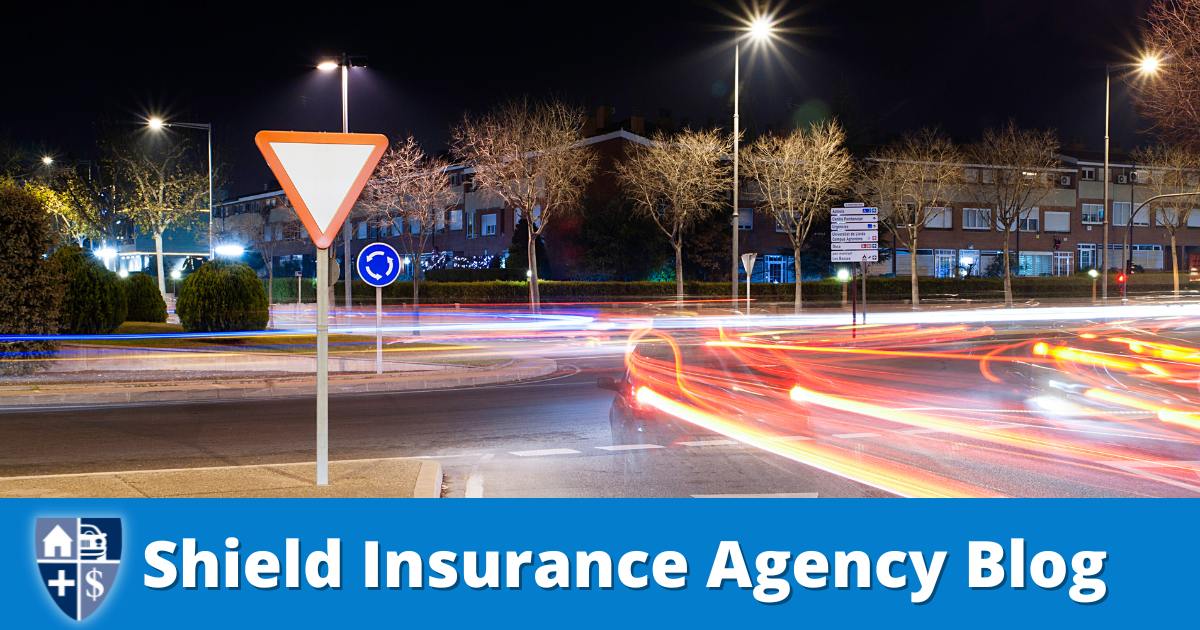
Your Guide to Driving in a Roundabout

Your Guide to Driving in a Roundabout

Nationwide | March 15, 2023 | roundabout | Auto Insurance | Start your quote today!

Even though roundabouts are more common in European countries, they are growing in popularity everywhere in the United States, especially in cities that want to increase traffic flow and prevent clogs at popular intersections. If you haven’t driven through a roundabout before, it can be confusing. That’s why it is essential to familiarize yourself with them so you can move around them safely. [1]

What is a roundabout?

A roundabout is a circular-shaped intersection where drivers move counterclockwise around a center point. There aren’t any traffic signals or stop signs. Instead, every driver yields at the entry of the roundabout to other traffic. Once you’ve entered the roundabout, you may enter the intersection and exit at your desired street. The Federal Highway Administration studied roundabouts and found they can increase traffic capacity by as much as 50 percent compared to more traditional intersections. [2]

What are the differences between roundabouts and traffic circles?

Although most people believe roundabouts and traffic circles are the same, the two have distinct differences. Traffic circles often have stop signs or traffic signals within the circle’s intersection. To enter the traffic circle, vehicles enter in a straight line. Vehicles in the circle have the right of way, while vehicles approaching and attempting to enter must yield to vehicles already in the circle. Traffic circles are designed to allow vehicles to enter and circulate at higher speeds, and they are typically much larger than roundabouts.

The roundabout is designed to provide a more positive direction to motorists as they approach, enter, and exit the roundabout. The entrances are tapered, so the vehicles don’t enter the roundabout at 90 degrees. Traffic speeds are lower compared with a traffic circle. In a roundabout, the entry points are yield-controlled, which prevents traffic from locking up and allows the free flow of vehicles. [3]

Top 7 tips for driving in a roundabout

  1. Slow down. Pay close attention to the change in speed limit around the roundabout and decrease your speed when approaching the entrance. Going slower allows you more time to make decisions and be better prepared to yield to other road users.
  2. Yield. Look around as you approach the roundabout. Yield to the drivers already in the roundabout and pedestrians and bicyclists in the surrounding area.
  3. Choose the right lane. If there is more than one lane, use the left lane to turn left, the right lane to turn right, and all lanes to go through, unless directed otherwise by signs and pavement markings. Make sure to use your indicator to let all cars in the roundabout know where you are going.
  4. Don’t drive next to large vehicles. Always assume trucks and larger vehicles need all available space. Therefore, do not pass them or drive close to them.
  5. Do not stop. Once you’ve entered the roundabout successfully, do not stop. If you miss your exit, continue driving in the roundabout until you have circled and reached your exit again.
  6. Stay in your lane. Do not change lanes within the roundabout. Instead, stay in the lane that you entered and use your right turn signal to indicate your intention to exit.
  7. Let emergency vehicles pass. Make sure to clear the roundabout to allow emergency vehicles to pass. [1]

Benefits of using a roundabout

Compared with other types of intersections, roundabouts have demonstrated many benefits. Roundabouts:

  • Improve safety: Slower speeds are generally safer for pedestrians. In addition, head-on, and high-speed right-angle collisions are virtually eliminated.
  • Reduce congestion: They make traffic efficient during peak hours and other times. Typically, there’s less of a delay.
  • Reduce pollution and fuel use: Fewer stops and hard accelerations mean less time idling.
  • Save money: There’s no signal equipment to install and maintain. Smaller roundabouts may require less right-of-way than traditional intersections. Often less pavement is needed. [4]

What else should you know about roundabouts?

Studies by the Federal Highway Administration suggest that roundabouts can improve traffic capacity by 30% to 50%. They can reduce overall collisions by 37%, injury collisions by 75%, fatal collisions by 90% and pedestrian collisions by 40%. Although the public tends to fear roundabouts when they are first introduced, the approval rate doubles once drivers get used to them. If you are concerned about your ability to successfully navigate a roundabout, consider taking an adult driver’s ed lesson to refresh your skills. [1]

With all this knowledge, now you can take to the road and successfully navigate roundabouts with ease. While on the road, ensure that your vehicle and you are protected with auto insurance.

Sources:

[1] “What Is a Roundabout and How Do I Drive Through One?” driversed.com/trending/what-roundabout-and-how-do-i-drive-through-one (Nov. 16, 2021).

[2] “How to Drive in a Roundabout: A Helpful Guide,” drivesafeonline.org/traffic-school/how-to-drive-in-a-roundabout (March 24, 2020).

[3] “Traffic Circles & Roundabouts,” Gordon Meth, robsonforensic.com/articles/traffic-circles-roundabouts-expert-article (June 4, 2013).

[4] “Roundabouts: A Safer Choice,” highways.dot.gov/sites/fhwa.dot.gov/files/2022-06/fhwasa08006.pdf (accessed Feb. 2, 2023).

Disclaimer:

The information included here is designed for informational purposes only. It is not legal, tax, financial or any other sort of advice, nor is it a substitute for such advice. The information may not apply to your specific situation. We have tried to make sure the information is accurate, but it could be outdated or even inaccurate in parts. It is the reader’s responsibility to comply with any applicable local, state, or federal regulations. Nationwide Mutual Insurance Company, its affiliates, and their employees make no warranties about the information nor guarantee of results, and they assume no liability in connection with the information provided. Nationwide and the Nationwide N and Eagle are service marks of Nationwide Mutual Insurance Company and Shield Agency. © 2023


More Blogs by Shield Insurance Agency

Read More
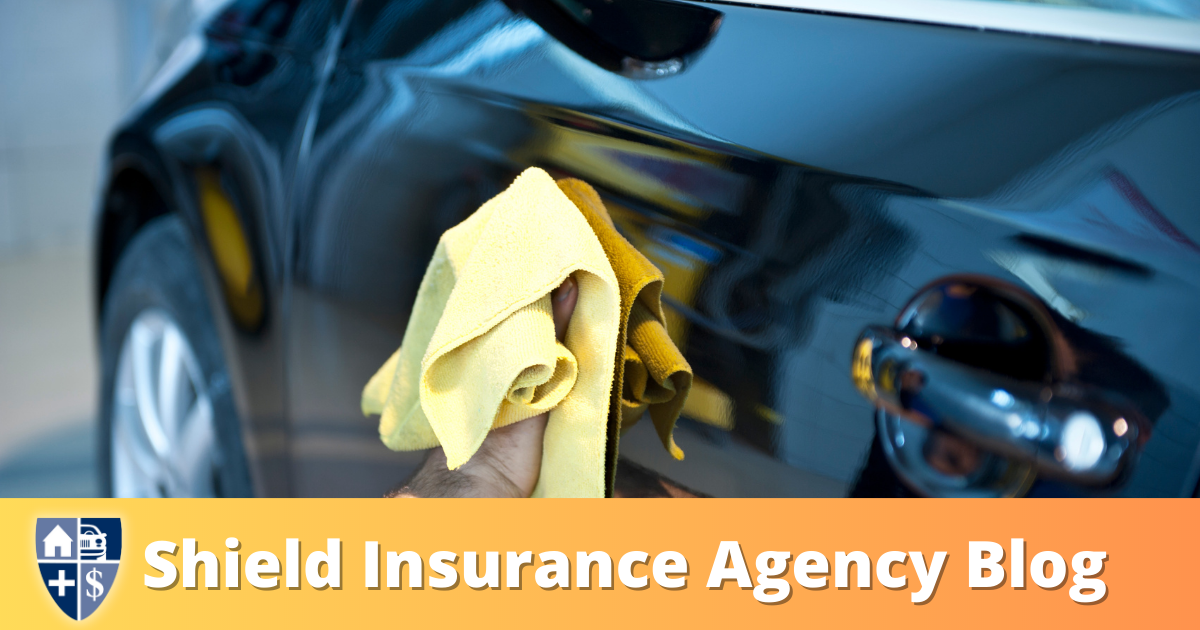
How to use car wax

How To Use Car Wax

Nationwide Blog | March 22, 2023 | Car Wax | Auto Insurance | Start A Quote Today!

If you just bought a new car or had it painted, you want to keep it looking new for as long as possible. Waxing your car with car wax can be very beneficial to maintain that fresh look.

What is Car wax? And what does car wax do?

Car wax, or automotive wax, can be natural or synthetic and is designed to protect the body parts of a vehicle and enhance the paint’s shine. [1]

Waxing your car is a great way to keep it looking sharp, but did you know it has many more benefits? In addition to giving your car a beautiful shine, waxing helps by:

  • Protecting the paint from airborne contaminants and the elements. By forming a protective coat, it prevents corrosive elements (such as salt or tar) and bugs from becoming embedded in your paint.
  • Preventing paint chipping. It also slows the effects of smog, wind, rain, and sun on your finish.
  • Filling in scratches. While you can’t remove minor scratches from your car by waxing, you can help make them less noticeable.
  • Expediting the car-washing process. Without a coat of wax, it’s harder to remove impurities like bugs, sap, and other unwanted substances that can collect during your daily drive.

What are the different types of car wax?

Waxing your vehicle will make it shine and protect the finish from various environmental hazards, mainly birds, tree droppings, and pollutants. There are plenty of car wax types on the market; here are the pros and cons of each. [2]

Liquid car wax

Liquid wax is the best for cleaning, gloss, and durability, but it’s somewhat challenging to apply. Some liquid waxes are also slightly abrasive, which could damage your car’s finish.

Paste waxes

Paste waxes are very easy to apply, but they tend to lose their luster sooner than liquid waxes. It may also contain abrasive components, so be careful when applying it to your car.

Spray waxes

Spray waxes work well for the paint on newer cars and are the quickest to apply, but they do not last as long as a liquid wax. In addition, spray waxes are typically nonabrasive.

Check with the dealership where you purchased your vehicle or the shop that painted it to get recommendations on which type of wax would be best for your vehicle’s finish and the environment you will be driving in.

How often should you use car wax?

To reap the benefits of waxing, you’ll need to maintain a regular schedule. Waiting until it looks like a fresh coat of wax will make your vehicle more vulnerable to small chips and fading paint.

Just as you have a regular maintenance schedule for your engine, it’s essential to have a regular schedule to maintain the exterior. How often you wax can depend upon several factors, including:

  • How often you drive your vehicle
  • Whether it’s parked in a garage or out in the open
  • The type of wax you use

If you want that fresh-from-the-showroom-floor look, some experts recommend you wax your car about once a month. Some of the newer synthetic waxes on the market claim they can keep a showroom-worthy shine for up to a year; others say every three months is sufficient.

One way to tell it’s time to wax your car is to see if water beads on the surface when it’s wet. If not, it’s time for a new coat of wax. [3]

How to properly wax a car

The easiest way to get a super shine is to go to a car wash that provides a professional wax service. But you can also do it yourself and get fantastic results. An electric polisher will make the job easier and faster, but you can also do it by hand and get a beautiful finish.

How to Wax a Car by Hand

  1. Wash your car.
  2. Apply the appropriate kind of wax.
  3. Work in sections and rub in the wax using polishing pads. [4]

How to Wax a Car with a Buffer

  1. Wash your car.
  2. Apply the appropriate kind of wax for a mechanical buffer.
  3. Buff in the wax, being sure to follow the instructions for your mechanical buffer. [4]

Car Waxing Tips

Keep these tips in mind for the best results:

Prep for your wax with clay

A clay bar is used as part of the cleaning process before waxing. Even after a thorough wash, your vehicle will still have some gunk embedded in the finish — which is where clay bars come in. Used with a lubricant, a clay bar grabs these particles out of the finish. As with the waxes, there are various levels of abrasiveness with clay bars, and you need to make sure you use one suitable for your vehicle’s finish.

Once you have “clayed” your vehicle, you can apply a fresh coat of wax to keep other contaminants out. While waxing cannot make your old car look new, it can protect the finish of a new or newly painted car for years to come.

Always wax your car in the shade

Try to wax your car under a protective cover, such as a carport, tent, or other structure. On a sunny day, your car can become hot, and when you apply wax to the hot surface, the wax will dry quite quickly. This makes it more difficult to remove.

Another reason to wax undercover is the possibility of bad weather. The wax can’t adhere properly to the surface of a wet car and can create a sloppy mess. It can also run off the body of the car and get on the molding and plastic parts, which can be a pain to remove. [5]

Apply car wax to small sections

Complete each section before moving on to the next to avoid having the wax dry. Adding more wax will not give you a better shine; it will just make it harder to buff the wax off. If you want more shine, add another coat, but check the label to see how long the first coat should be allowed to dry before applying the second one.

Make friends with microfiber

These are the best towels for polishing your car because they don’t leave behind lint and are great for buffing. Be sure to have plenty of towels on hand, so you’re not using a wax-caked towel.

Use a soft brush for gaps and molding

Keeping a soft brush handy while waxing your car can help get wax off molding and out of cracks. You can buy these brushes at most auto parts stores, which are typically inexpensive. Removing wax from a car’s molding after it’s dry can be tricky, and sometimes the wax will leave permanent staining. Instead, use a soft brush to remove wax from moldings or cracks before it dries to help avoid permanent staining.

Use a random orbital buffer to car wax

Waxing your car with a mechanical buffer can save time and effort, making waxing your car a breeze. Many people prefer rotary buffers; however, they spin in a circular motion at a high velocity, which can cause permanent “burn” marks from the edge of the pad digging into the paint. Rotary buffers can also cause swirl marks due to the pad becoming dry and making micro scratches in the paint.

To help prevent this, use a random orbital buffer, which moves the pad in a random pattern rather than a circular one. This results in an even application of wax without the risk of creating damaging marks. Both the rotary and random orbital buffers are similarly priced. [5]

How long does car wax last?

In each case, the time and care you spend waxing your vehicle will translate into how long the job will last. If you are willing to spend the time and elbow grease, you can expect your shine to last up to 3 months. A general rule of thumb is to wash your vehicle weekly and wax it every 8 to 12 weeks. [3]

Waxing your vehicle is a great way to ensure it stays shiny and looks great. Waxing helps protect your car’s paint from damaging sun rays, abrasive dirt, and chemicals in the rain and snow. Proper, regular waxing can extend the life of your car’s paint and help keep your vehicle looking sharp long into the future.

For more tips on keeping your car in mint condition, discover cleaning tools every car owner should have.

Sources:

[1] “The Truth About Car Wax: 9 Things You May Have Overlooked!” avalonking.com/blogs/guides/the-truth-about-car-wax (March 28, 2019).

[2] “How Car Wax Protects Your Car’s Finish,” turtlewax.com/blogs/how-to/how-car-wax-protects-your-car-s-finish (accessed Dec. 8, 2022).

[3] “How Often Should You Wax Your Car?” Jessica Shea Choksey, jdpower.com/cars/shopping-guides/how-often-should-you-wax-your-car (Dec. 18, 2020).

[4] “How to Wax a Car by Hand or with a Buffer,” Chloe Murphy, leasefetcher.co.uk/guides/car-maintenance/how-to-wax-car (Aug. 26, 2021).

[5] “How to Wax Your Car with Amazing Results: 7-Step Guide,” driving-tests.org/beginner-drivers/how-to-wax-your-car/ (accessed Dec. 9, 2022).

Disclaimer:
The information included here is designed for informational purposes only. It is not legal, tax, financial or any other sort of advice, nor is it a substitute for such advice. The information may not apply to your specific situation. We have tried to make sure the information is accurate, but it could be outdated or even inaccurate in parts. It is the reader’s responsibility to comply with any applicable local, state or federal regulations. Nationwide Mutual Insurance Company, its affiliates, and their employees make no warranties about the information nor guarantee of results, and they assume no liability in connection with the information provided. Nationwide and the Nationwide N and Eagle are service marks of Nationwide Mutual Insurance Company. © 2022 Nationwide

Check out more blog articles presented by Shield Insurance Agency

Read More
How Does Investing Work?

How Does Investing Work?

Acorns.com | Tim Stobierski | Dec 19, 2022 | Investing | Shield Business Insurance | Start a quote today!

IN A NUTSHELL

  • Investing is when you purchase assets you expect to earn a profit from in the future.
  • Compounding (aka when the returns on your money generate their own returns) the longer your money is in the market, the longer it has to grow.
  • Investing small amounts regularly over time is a habit that will help you build wealth throughout your life called dollar-cost averaging.

You may have heard that investing is the best way to grow your money and reach your biggest financial goals. But what is investing, exactly? How does investing work? And how can you get started? Find the answers to those and other investing questions below.

What is investing?

At its simplest, investing is when you purchase assets you expect to earn a profit from in the future. That could refer to buying a home (or other property) you believe will rise in value, though it commonly refers to buying stocks and bonds.

How is it different from saving?

Saving and investing both involve setting aside money for future use, but there are a lot of differences, too. Check out this chart:

InvestingSaving
Always involves risk. Even the safest investments involve some risk that could cause you to lose money.Rarely involves risk. If your cash sits in an FDIC-insured savings account (which protects up to $250,000), you typically don’t need to worry about losing any.
Higher potential for growth. Depending on how much risk you’ll accept, it’s possible to earn a large return on your investments. With stocks, for example, the long-term average is nearly 10 percent per year.Lower potential for growth. Virtually all savings accounts will pay you interest for keeping money in your account. But it probably won’t be much and often fails to keep up with inflation (the rate at which prices are rising).
Usually best for mid or long-term goals. Generally, it’s best to only invest money you won’t need for a little while, as the stock market fluctuates and you don’t want to be forced to sell stocks that are down because you need the money.Good for short-term goals. A savings account, being essentially risk-free, is ideal for immediate purchases as well as any money that you can’t afford to lose in the short term (such as an emergency fund).
May be difficult to access quickly. Before you can spend any of the money you’ve built up through investments, you’ll have to sell them. With stocks, it could take days before the proceeds are settled in your bank account, and selling property can take months (or longer).Readily accessible. Generally speaking, you can access money in your savings account anytime.

What’s the difference between investing and trading?

Click here for the full story !


More great blogs by Shield Insurance Agency
Read More
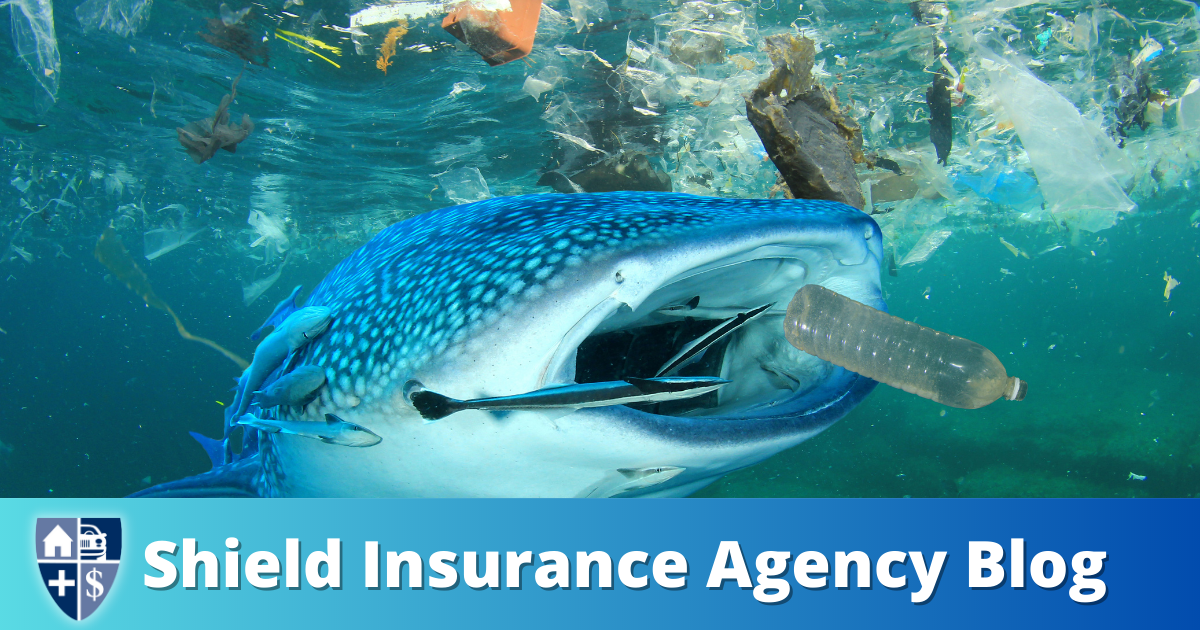
Microplastics are fragments of any type of plastic less than 5 millimeters (mm) in length and are an increasing topic of risk

Microplastics

Liberty Mutual Business | Commercial Insurance | Microplastics | Start a Quote Today!

Microplastics are fragments of any type of plastic less than 5 millimeters (mm) in
length and are an increasing topic of risk discussions due to their prevalence in
the environment and the negative impacts they potentially pose on the earth and its
inhabitants. The term microplastics was first introduced to differentiate these smaller
fragments from their larger counterparts, macroplastics, which describe larger plastic
waste, such as plastic bottles.

Two classifications of microplastics are
currently recognized

Primary Microplastics

Primary microplastics include any plastic fragments or particles that are already 5 mm (5,000 mm) in size or less before entering the environment. Primary microplastics are purposefully manufactured and can include feedstock for manufacturing plastic products, such as plastic pellets (also known as nurdles), microfibers from clothing, microbeads in personal care products, glitter, and industrial abrasives. Once in the environment, microplastics can degrade to be even smaller in size. 

Secondary Microplastics

Secondary microplastics arise from the breakdown of larger plastic products through natural weathering processes after entering the environment. Sources of secondary microplastics can include water and soda bottles, fishing nets, plastic bags, shedding of fibers from polyester/nylon clothing, and tire wear. Over time, a culmination of physical, biological, and photodegradation can reduce the structural integrity of plastic debris to a size that is eventually undetectable to the naked eye. This process of breaking down large plastic material into much smaller pieces is known as fragmentation. Microplastics can be further divided into four sub-groups based on particle size: 

  1. Large microplastics (100–5000 mm)
  2. Small microplastics (1–100 mm) 
  3. Sub-micron plastics (100–1,000 nm) (0.1– mm) 
  4. Nanoplastics (1–100 nm) (0.001–0.1 mm) Because of their smaller size, nanoplastics can present additional risks and challenges: 

They may bypass filtration methods intended for larger microplastics. 

They may be less likely to settle, have greater mobility, and may be transported further. • They may be more likely to enter and bioaccumulate in the food chain. 

Due to their higher surface area, faster leaching of plastic additives can occur. 

They may act as pollutant “vectors” because their higher surface area also allows for more adsorption of metals and other pollutants.

Microplastics can also be categorized according to type of polymer, additives used, and shape.

U.S. National Oceanic and Atmospheric Administration (NOAA) and the European Chemicals Agency (Note: 1 mm = 1,000 micrometers [mm] = 1,000,000 nanometers [nm])

Source of microplastics in the environment There are countless sources of both primary and secondary microplastics in the environment, including the following:

Cosmetics: Microplastic “scrubbers”, “microbeads”, or “micro-exfoliates” used in hand cleansers and facial scrubs have replaced traditionally used natural ingredients, including ground almond shells, oatmeal, and pumice. These products are typically composed of polyethylene, a common component of plastics, but they can also be manufactured from polypropylene, polyethylene terephthalate (PET), and nylon. The beads may be washed into the sewage system immediately after use. 

Textiles and clothing: Many synthetic fibers, such as polyester, nylon, acrylics, and spandex, can be shed from clothing and persist in the environment. The process of washing clothes causes garments to lose an average of over 100 fibers per liter of water. Each garment in a load of laundry can shed more than 1,900 fibers of microplastics, with fleeces releasing the highest percentage of fibers. 

Tires: Car and truck tires. which are composed partly of synthetic styrene-butadiene rubber, erode into tiny plastic and rubber particles as they are used. The estimated per capita emission ranges from 0.23 to 4.7 kg/year, with a global average of 0.81 kg/year. In air, 3–7% of the particulate matter (PM2.5) is estimated to consist of tire wear and tear. 

Plastics manufacturing: Plastic pellets (aka nurdles), 2.0–5.0 mm in size, which are used as a raw material to create other plastic products, can enter the environment through spills and other accidents. 

Air blasting: This process involves blasting acrylic, melamine, or polyester microplastic scrubbers at machinery, engines, and boat hulls to remove rust and paint. As these scrubbers can be used repeatedly until they diminish in size and their cutting power is lost, they may become contaminated with heavy metals such as cadmium, chromium, and lead. 

Fishing industry: Recreational and commercial fishing, marine vessels, and marine industries can be sources of macroplastics and secondary microplastics. 

Wastewater treatment plants: The size of microplastics prevents them from fully being retained by preliminary treatment screens at wastewater plants, thereby allowing some to enter rivers and oceans. Wastewater treatment plants only remove an average of 95–99.9% of microbeads. This leaves an average of 0–7 microbeads per liter being discharged. Sewage sludge that is reused as fertilizer after the wastewater treatment has also been known to contain microbeads. Persistence of microplastics in the environment Microplastics are persistent and ubiquitous in the environment, particularly in aquatic and marine ecosystems. The most significant transport pathways to surface water are presumed to be via dust and stormwater runoff. It has been estimated that there are 51 trillion individual pieces of microplastics in the world’s oceans, estimated to weigh 236,000 metric tons. Microplastics can also accumulate in the air and terrestrial ecosystems but the cycle and movement of microplastics in the environment is still not fully understood. Microplastics have also been found in deep layer ocean sediments and in the high mountains, at great distances from their source. According to the U.S. EPA: 

Of the total plastics released to oceans (4.8–12.7 million tons (Mt)/year), 15%–1% originate as microplastics from homes and industrial products. 

About half of the total (3.2 Mt/year) microplastics released, or about 1.5 Mt/year, ends up in oceans. The following are the estimated sources of microplastics to oceans:

  • Washing synthetic textiles (35%) 
  • Tire wear (28%) • City dust (24%) 
  • Road Markings (7%) • Marine Coatings (3.7%) 
  • Microbeads (2%) 
  • Plastic pellets (0.3%) It has been estimated that 80% of microplastic pollution comes from textiles, tires, and city dust

here for the full story…

More fascinating blogs with Shield Insurance Agency

Read More
Scooter safety tips

Scooter safety tips

Foremost | Scooter Safety | Shield Insurance | Start a quote today!

With increasing gas prices it’s hard not to notice the spiking trend of people choosing scooters as alternate transportation. Whatever make or model you choose to fit your style, you can’t deny the money-saving and environmental effects riding a scooter has over driving a 2-ton motor vehicle that only gets 20 miles to the gallon.

A growing problem with having more people on scooters is how to safely share the road. State legislation varies on scooters; some states equate scooters with bicycles, in-line skates, and skateboards, while other states put scooters in the same category as motorcycles, requiring helmets and regulating where scooters can be ridden. Check your state’s DMV Web site for the appropriate laws and licensing rules for your state.

Regardless of where you live, scooters are most likely sharing the road with vehicles that significantly outweigh them and can easily overtake them. By using common sense and some very simple safety tactics, scooter riders can effectively, and safely, share the road with other vehicles.

Scooter safety tip: Wear a helmet

Even if your state does not require you to, studies show helmets significantly minimize head injuries if an accident occurs.

Scooter safety tip: Use your lights

Always turn on your headlight when you’re riding your scooter even during the day, especially if it’s raining, and of course always in the evening. Make sure you can be seen by other cars.

Scooter safety tip: use turn signals

Just like in a car, you need to let people know where you are going. In addition to a signal light, it’s also a good idea to use hand turn signals that motorcyclists and bicyclists use when they are sharing the road with cars. Based on U.S. standards, for a left turn, extend your left arm straight out in the direction of the turn, parallel to the road. For a right turn, extend your right arm straight out in the direction of the turn, parallel to the road.

Obey speed limits and road markings

Obey all posted limits and follow lane markings. Don’t attempt to make a right turn by coming up next to a vehicle on the shoulder, unless there is a lane. You could easily be in a car’s blind spot and be hit if they turn right as well and can’t see you.

Scooters are a fresh alternative to getting around town while saving money and the environment. Riding scooters present challenges that any motorist faces when sharing the road with vehicles of all sizes and speeds. Keep your head about you and make sure you put safety first when taking your new scooter out for a spin.

Looking for Scooter Insurance?

Foremost offers scooter insurance on all scooter makes and models and offers coverages such as:

  • Physical Damage and Liability
  • Total Loss Replacement Coverage
  • Towing and Roadside Assistance
  • Safety Apparel and Optional Equipment when Physical Damage coverage is purchased.

More blogs by Shield Insurance Agency

Read More
Four things you might not realize about boat insurance

Four things you might not realize about boat insurance

Boat Insurance | Start a quote Today!

Purchasing boat insurance is important for boat owners in Michigan. Shield Insurance Agency provides boat insurance policies that can cover your watercraft.

Before you buy boat insurance, it’s a good idea to spend some time researching how boat insurance works and what the different coverage options are.

The following are four things you might not realize about boat insurance.  

A boat insurance policy typically offers some coverage for belongings in your boat.

If you keep valuable items in your boat, these items can be covered up to a certain amount by your boat insurance policy.

Boat insurance is frequently required by marinas.

You aren’t required by law to have boat insurance in Michigan. However, boat owners often need coverage because it is a requirement of the marina they use to store their boats. 

Boat insurance policies specify a certain geographic area. 

Boat owners need to realize that they won’t be covered if they travel in their boat outside of the coverage region that’s specified by their policy. That’s why it’s important for boat owners to let their boat insurance provider know where they’ll be traveling with their boat when they buy their policy. 

A number of boat insurance policy add-ons are available.

When you buy a boat insurance policy, you may want to take advantage of various policy add-ons. Add-ons available for boat insurance policies include coverage for dock contract liabilities, ice and freezing issues, towing, boat trailers, and equipment like fishing tackle. 

Reach Out To Us

Do you have questions about boat insurance coverage in Michigan? Get in touch with us at Shield Insurance Agency to learn more about boat insurance coverage. Contact us today for a policy quote!


More blog articles by Shield Insurance Agency

Read More
Coexisting with bicyclists

Coexisting with bicyclists

Foremost Insurance Blog | by Jenean McLoskey | bicyclists | Start an Insurance quote now! | Shield

Cycling has grown significantly in popularity over the past decade. Towns across the country are adding bike lanes to their roads to become more bike-friendly, and more and more people are ditching their cars and using a bike as their primary form of transportation. According to USA Today, larger cities like Portland, Ore., and Minneapolis have more than doubled their rate of bike commuters since 2014 — and as a cyclist, I can’t help but get excited.

Now, with bike riding growing in popularity across the U.S. — it may be a good idea to brush up on some traffic guidelines to avoid any accidents.

When you purchase a bike, you’re likely not required to take a safety class before you ride it. And, for drivers, the instructors touched on bike safety as part of Drivers Ed, but who remembers details from a course they took in their teens?

My point is, adults aren’t given much guidance when it comes to cyclists and cars coexisting on the roads. And as a bicyclist and a driver, I did some research because honestly, I needed a refresher myself.

Safety tips for DRIVERS:

  • Try to be 3 feet or more away from a bike.
  • Try to pass on the left when possible.
  • Blind spots are always lurking, make sure to watch for bikes.
  • Only pass a bicyclist when your passing lane is free and clear.
  • Look in your mirror for cyclists when you’re parking.
  • Always think of cyclists as equals – remember, they have rights on the road too!

Safety tips for BICYCLISTS:

  • Make sure to ride with the flow of traffic.
  • Traffic signs and signals aren’t just for cars. Stop on red to be safe.
  • Use marked bike paths or lanes if they’re available.
  • Use your arm to make turn signals and take advantage of turn lanes so cars are aware of what you’re doing.
  • Consider using a mirror to monitor the cars behind you.
  • If you’re riding at night or in a storm, make sure to use some sort of flashers.
  • Watch for parked cars.
  • And most importantly — stay alert at all times.

If you’re unsure about your city’s or state’s traffic laws, it doesn’t hurt to look them up beforehand. No matter what you drive, be sure to enjoy the roads out there safely!


More great reads…

Read More
Five coolest places to travel in the U.S.A.

Five coolest places to travel in the U.S.A.

Foremost Creative Team | travel | Start a Quote Today! | Shield Insurance

Ah, summer. It’s the time of year the whole country comes alive and beckons us to get on the road and experience it. That’s why we put together this list of what I consider the five most incredible places to visit in the U.S. If you’ve never been to these places, now is the time to pack those bags, explore and enjoy your summertime travels!

Travel to New York City

You have to experience the “Big Apple” at least once. It has everything you could ever want from a big city—museums, Broadway shows, restaurants with every type of food you can imagine, specialty boutiques, and high-end shops. Plus, you need to see the Statue of Liberty in person and check out those neon lights of Times Square. Make Central Park one of your main destinations. Remember to see the amazing works of art at the Met and the Guggenheim. This is a city that never sleeps with endless things to try and taste.

Travel San Francisco

The home of the Golden Gate Bridge offers gorgeous sights across its renowned hilly landscape and so many fun things to do, like riding cable cars, checking out Alcatraz Island, strolling along Fisherman’s Wharf and driving up the famously steep and crooked Lombard Street. Just a few miles north, you can leave the hustle and bustle behind to visit the towering Redwood trees in Muir Woods. Or for some tranquility within the city, plan a picnic at Golden Gate Park and see lakes, museums, monuments and the Steinhart Aquarium. For another great view of the city, check out Strawberry Hill in the middle of the park.

If you’ve never been to these places, now is the time to explore! If you’re traveling by car, motorcycle or RV, contact your local Foremost agency to get the right coverage for your ride!

Travel to Grand Canyon

If it’s the natural beauty you’re looking for, you’ll definitely find it at the Grand Canyon in northern Arizona. If you weren’t seeing it with your own eyes, you’d swear it was a painting in glorious shades of red and orange. Nothing can top the magnificent views as you gaze through the canyon over the Colorado River. Visit the South Rim where you’ll find Grand Canyon Village and the Bright Angel Trail. And if you’re into roughing it in the wilderness, you’ll want to head to the North Rim for backcountry camping and some serious hiking.

Yellowstone

Yellowstone has 2.2 million acres of paradise for you to explore—crystal blue lakes, tumbling waterfalls, majestic mountains, hot springs, abundant forests, open meadows, and active geysers. There are so many trails, it could take weeks to travel them all. Check out everyone’s favorite spots like Old Faithful, Yellowstone Lake, and Mammoth Hot springs. Then visit lesser-known areas like the West Thumb Geyser Basin, the Lewis River Channel, and the Dogshead Loop. You will likely be treated to sights of wildlife during your journey since over 60 types of mammals call the park their home. You could see buffalo, elk, coyotes, badgers, and perhaps a few bears along the way.

Washington D.C.

Our country’s capital has earned its place on the list of exciting East Coast vacation destinations. Not only can you soak up loads of our country’s history by checking out the classic attractions like the White House, Lincoln Memorial, and the Washington Monument, but you can also enjoy the many hip restaurants, cafes, clubs, and boutiques. Endless opportunities abound to learn about our past at museums like the Smithsonian, the U.S. Holocaust Memorial Museum, the Newseum, and the Mount Vernon Estate. It’s impossible to leave the city without feeling a deeper connection to our roots and pride in our home country.

Now that you know where to go, get those bags packed and enjoy your summertime travels!


Read More