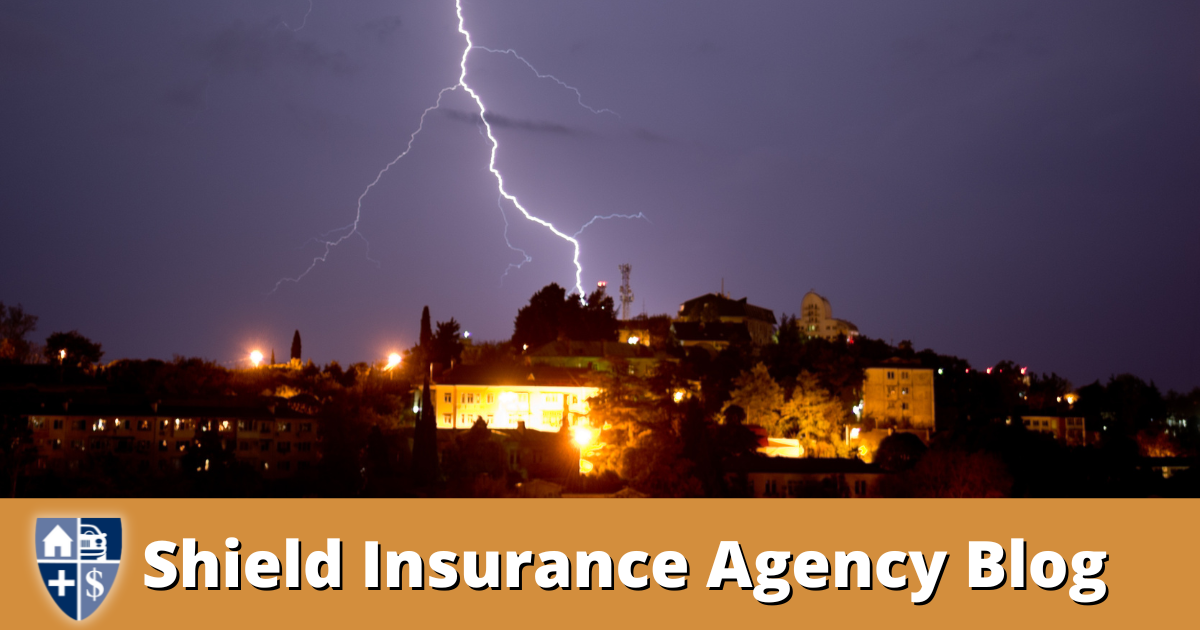
Did you know that every year, the probability of your house getting struck by lightning is 1 in 2001? Luckily, the probability of you getting struck by lightning is only 1 in 500,0002, but that begs the question – what happens if your home is that 1 in 200?

Protect your house with a lightning protection system

Nationwide | March 14, 2022 | lightning | Home Insurance | Start A Quote Today!

What happens if lightning strikes your house

Did you know that every year, the probability of your house getting struck by lightning is 1 in 2001? Luckily, the probability of you getting struck by lightning is only 1 in 500,0002, but that begs the question – what happens if your home is that 1 in 200?

No one wants to think the worst can happen to them, but it’s important to be prepared in the instance lightning does strike because it can wreak havoc on your house, property, and family.

Lightning is extremely common across the U.S., and during severe storms, you can experience dozens of lightning strikes an hour. Lightning can strike just about anywhere, so how can you tell if lightning has struck your own home?

An average flash of lightning is around 300 million volts and 30,000 amps3 in strength. That can do some severe damage. If your home has been struck by lightning, you’ll likely experience the aftereffects almost immediately. These effects include:

  • Loud ‘boom’ that shakes the house
  • Power outage
  • Fire
  • A burning smell
  • Electrical buzzing
  • Charring
  • Holes in the roof/walls
  • Burnt electrical switches

If you notice any of these signs during a severe storm where lightning is present, it’s important to first call your emergency department to get the fire department and local authorities to your property immediately to ensure everyone is safe.

Once you’ve secured the safety of everyone in the house, you might be wondering what’s going to happen to your property – and you’re not alone. In 2021, there were over 71,0004 insurance claims filed in the U.S. for lightning losses. Luckily, most homeowners insurance policies cover lightning damages.

Nationwide offers comprehensive homeowners insurance coverage to give you peace of mind even during the most harrowing of circumstances.

However, there are steps you can take to protect your home against damaging lightning strikes.

What is a lightning protection system?

A lightning protection system is used to prevent property damage due to lightning. The system works by diverting the electric charge produced by the initial strike to the ground through the path of least resistance5.

An effective lightning protection system comprises four key compartments: copper air terminals, copper cables, copper-clad ground rods, and surge suppressors.

From the outside, the only visible aspect of the system is the lightning rods connected to the chimney or roof.

What are lightning rods?

Lightning rods are used to protect a house against damage from lightning strikes. It’s important to note that these rods don’t prevent lightning from striking, but work to divert the energy the lightning produces so it doesn’t damage your home or property.

Lightning rods must be connected to an accompanying lightning protection system to ensure maximum benefit from electrical surges and damage.

But lightning rods are just one key component of lightning protection.

Electrical surge protection

There are many steps you can take inside the home to protect against lightning damage. In many instances, lightning can cause electrical fires, so ensuring your outlets are protected is key to ensure your entire home is safe against detrimental lightning.

One way to do this is by installing a whole-home surge protector for appliances and electronics throughout the home in the case of voltage spikes. These surge protectors will limit the damaging effects of a power surge to ensure that your appliances don’t die or worse, catch fire.

Additional lightning protection tips

Thunderstorms are a common occurrence across the country, but that doesn’t mean you have to bear the brunt of weather damage.

Always make sure you take shelter during a storm if you aren’t already indoors. Being inside will keep you away from the most harmful aspects of a severe storm.

When you’re in the home, it’s important to avoid water, electronics, corded devices, concrete surface, windows, and doors6. These all provide easy access for lightning strikes to wreak havoc as electrical currents make their way to the ground.

Before your next storm, make sure to catch up on our thunderstorm tips so you can weather the storm with ease and peace of mind.

1http://lightningsafety.com/nlsi_pls/probability.html, Accessed Sep 2021
2https://www.cdc.gov/disasters/lightning/victimdata.html, Accessed Sep 2021
3https://www.weather.gov/safety/lightning-power/, Accessed Sep 2021
4https://www.iii.org/fact-statistic/facts-statistics-lightning, Accessed Sep 2021
5http://www.lightningsystemsofva.com/html/what.htm, Accessed Sep 2021
6https://www.cdc.gov/disasters/lightning/safetytips.html, Accessed Sep 2021

Disclaimer:
The information included is designed for informational purposes only. It is not legal, tax, financial or any other sort of advice, nor is it a substitute for such advice. The information may not apply to your specific situation. We have tried to make sure the information is accurate, but it could be outdated or even inaccurate in parts. It is the reader’s responsibility to comply with any applicable local, state, or federal regulations. Nationwide Mutual Insurance Company, its affiliates, and their employees make no warranties about the information nor guarantee of results, and they assume no liability in connection with the information provided. Nationwide, Nationwide is on your side, and the Nationwide N and Eagle are service marks of Nationwide Mutual Insurance Company. © 2022Nationwide and Shield Insurance Agency




More great blogs by Shield Insurance Agency

Read More
Fundamentals of Estate Planning

Fundamentals of Estate Planning

Nationwide Blog | October 07, 2022 | Estate Planning | Life Insurance | Start a quote today!

Key Takeaways for Estate Planning

  • Estate planning can be difficult to talk about—a 2021 Gallup poll showed that 64% of American adults working with a financial advisor have never discussed their estate plans with that advisor.
  • Distribution of assets plan can help ease your anxiety and broach the problematic subject of legacy planning with a trusted financial professional.
  • Familiarizing yourself with the 2 main types of trusts and how they are utilized can prepare you for conversations with your financial professional.

If you’ve put off estate planning due to the difficult nature of the topic, you are not alone. According to a 2021 Gallup poll, 64% of American adults working with a financial advisor have never discussed their estate plans with that advisor.

A common roadblock to having these conversations is the idea that estate planning is complex and possibly uncomfortable to talk about. It’s easy to think of estate planning as just wills, trusts, and advanced directives, but it’s so much more. There are other tactics and techniques that can make a big difference in your legacy planning objectives, so it’s worth the effort to start the conversation with a financial professional as soon as you can.

The importance of estate planning

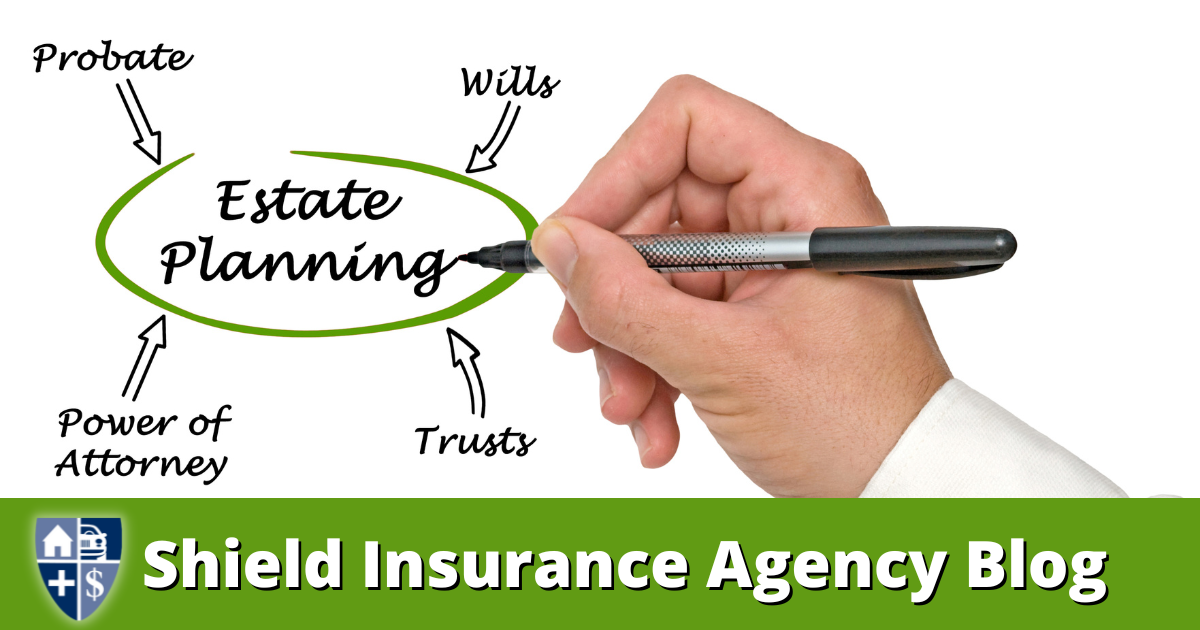
Estate planning is one of the most important topics to cover with a financial professional. The process of creating a plan for the distribution of assets at death can encompass the following:

  • Limiting income and estate tax liabilities
  • Determining who receives the assets — and when and how they’re received
  • Facilitating timely payment of estate obligations and taxes
  • Limiting costs of administration

Estate planning should be considered if you own property; it’s not just for the wealthy or those with complex situations. There are consequences for failing to plan—for example, if you pass away without a will, the State will use intestacy laws to determine the distribution of property. Unfortunately, this might not align with your intent. A proper plan can provide you with a level of certainty and help safeguard your assets for the benefit of your heirs.

Beginning the process of estate planning

When implementing strategies for saving, you may want to consider these 3 steps with a financial professional to develop an effective plan for yourself:

  1. Identify estate transfer needs and goals – In this step, you should know where you are and want to go. The most significant considerations here are identifying beneficiaries, clearly understanding tax obligations, looking at estate assets, and knowing where to find liquidity in the estate. It’s also important in this step to consider future income, expenses, debts, and needs.
  2. Develop strategies to reduce costs – Taxes are the largest potential expense your estate may have. These can include the federal gift tax, federal estate tax, generation-skipping transfer tax, state death and inheritance taxes, federal income taxes, and estate administration expenses. There are exclusions, deductions, and transfers that you should be aware of to minimize this burden. A financial professional can help you navigate these strategies.
  3. Pay for remaining expenses – This is where having the proper liquidity to pay estate expenses helps ensure your beneficiaries receive what you intend. Liquidity is the estate’s ability to pay taxes and other costs that arise after death (usually in the form of cash or cash alternatives). If your portfolio consists largely of real estate or business interests, the estate may be forced to sell a portion to pay for expenses when they are due. Knowing this, estate liquidity will likely be a primary objective for you and your financial professional. Having the right tools to meet the liquidity need is crucial. Annuities and life insurance with the right strategy behind them can accomplish this goal.

Using a trust as part of your estate planning strategy

Familiarizing yourself with the basic types of trusts and how they are utilized can prepare you for conversations with your financial professional about trust strategies and options. Here are some things you should know about trusts and their role in estate planning:

  • There are two main types of trusts – revocable and irrevocable. Trusts can be used in many ways in estate planning, including helping your estate avoid probate, reducing estate taxes, and protecting yourself and your beneficiaries from creditors.
  • Trusts have drawbacks – depending on the type of trust, you may not receive any tax benefits or be able to easily make needed changes.
  • A credit shelter trust is a common type of irrevocable trust used in estate planning – this type of trust can help married couples reduce or avoid estate taxes.
  • Many assets can be used to fund a trust – nearly any type of asset can be used to fund a trust, including stocks, bonds, cash, mutual funds, real estate property, life insurance, and annuities. Life insurance and annuities have become common ways to fund a trust in estate planning because they can offer your beneficiaries an immediate source of liquidity to provide potential financial security.

Estate planning can be complex, so consider working with a financial professional who can help you understand your options.

Helpful tools

Nationwide’s trust guide can help make a key component of estate planning easier to understand and provide proper context on the choices you’ll want to make. I invite you to use this today to help kick off an estate planning conversation with a financial professional.

Disclaimer:

Federal income tax laws are complex and subject to change. The information is based on current interpretations of the law and is not guaranteed. Nationwide and its representatives do not give legal or tax advice. Please consult an attorney or tax advisor for answers to legal questions.


More Blog Articles by Shield Insurance Agency

Read More
How to Start An Online Store

How to Start An Online Store

Nationwide Blogs | November 01, 2020 | Online Store | Business Insurance | Start A Quote Today!

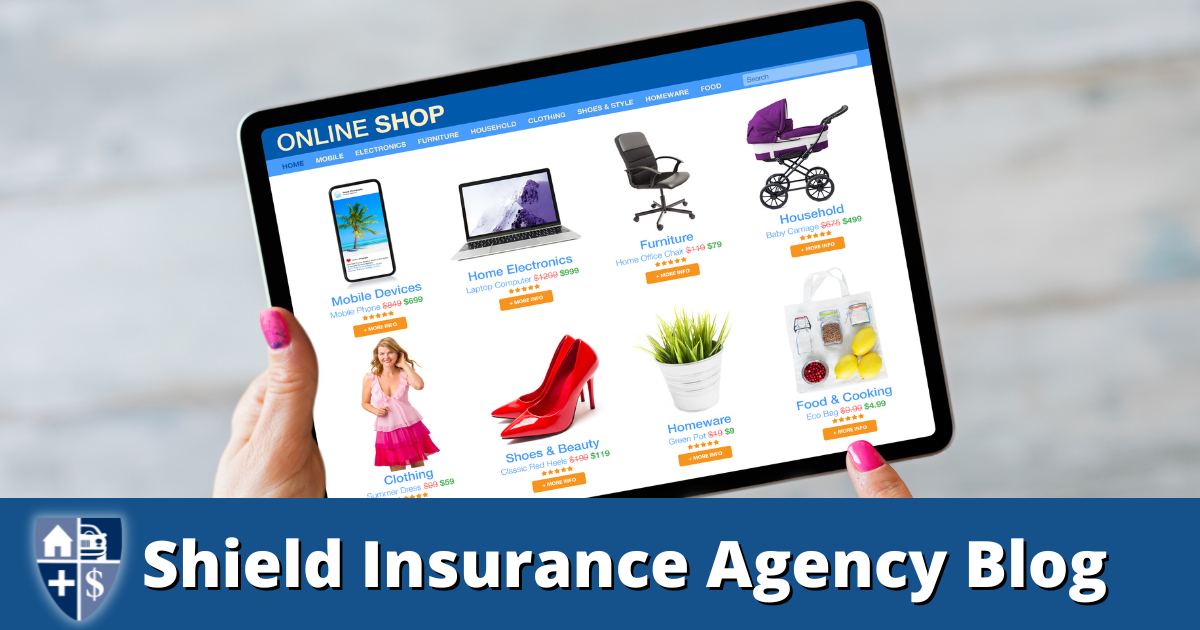
Starting a business is easier than ever thanks to greater online opportunities and the burgeoning “gig economy.” For many people, opening an online store has been a major success. Some 25 million people sell products on eBay’s marketplace alone.[1]

But the process is more complicated than putting your goods on a website and waiting for someone to buy them. Before you jump in, here are some e-commerce tips and things you need to know about how to sell your products online.

Learn the marketplace for an Online Store

Selling a product online requires some advanced knowledge about how online sales and e-commerce work to prevent missteps. Regardless of what platform you’re using — eBay, Amazon, Craigslist, Etsy, or something else — you should become a customer before you attempt to sell your own products. This will familiarize you with the sales process and what to expect from it.

It can also help you because you’ll receive feedback online, which is important when opening a store. New sellers can sometimes have a harder time selling products because there’s no feedback letting buyers know what it’s like to deal with your shop. If you can use the same account to become a seller, try to get at least 20 feedback ratings as a buyer before you start to sell online.

Do market research

Just as with a brick-and-mortar store, you’ll be responsible for attracting customers and standing out from your competitors. The foundation of a successful online store is rooted in research to get an idea of what to sell online.

This is an important part of e-commerce and being an online seller. To evaluate what’s already selling, look at the list of top-selling products and get an idea of what’s happening in the marketplace. What are the high-demand, trending products consumers currently want? Do you have special knowledge about a particular industry or type of product? You may be able to leverage this background to tap into a niche market, which can help you expand your business.

Decide what products to sell at the Online Store

Before opening your online store, you’ll need to decide what kind of product you’ll be selling. From merchandise lying around the house to original products, there is a wide variety of options to consider. Whatever you decide, it’s important to choose something that you will be passionate and excited about as you will be working with these products day in and day out.

Keep a business mindset

For your online business to be successful, it has to be taken seriously as a business. That means creating a business plan, setting goals, tracking what works and what doesn’t, and using market research tools to stay on top of trends and selling prices. If this process of selling is more than just a hobby, you should treat it as such, and that means keeping your customers happy.

Providing great customer service is an important component of building and maintaining your customer base, and it can turn a negative experience into a positive one for buyers who may leave reviews about your company online. Try to respond to emails within 24 hours. Remain positive and calm when dealing with a difficult situation, and ask buyers what type of resolution they’d value from you. Let them know that you’re listening, you understand their question or issue, and you’d like to help find a solution for them. This can go a long way in favorably impacting their impression of your company.

A few negative reviews can hurt your selling rating, which is something to guard carefully. If you have a 95% seller rating but someone else has a 98% rating, regardless if their price is higher, people may pay the extra money because that higher rating appears more trustworthy and the higher rating makes buyers feel secure.

Protect your assets with insurance

As your business grows, you may want to expand your inventory to sell from a converted garage or even a rental storage unit. Many high-dollar sellers choose to keep inventory in another location after they’ve outgrown their closet, spare bedroom, or other storage space.

Make sure your inventory and any business equipment are protected by insurance. Check with your Nationwide representative to see what kind of coverage is best for your small but growing online business.

[1] http://expandedramblings.com/index.php/ebay-stats/


More interesting articles on the Shield Insurance Blog

Read More
What is a Business Plan and Why is it Important?

What is a Business Plan and Why is it Important?

Nationwide Blog | January 06, 2022 | Business Plan | Business Insurance | Start a quote today!

What is a business plan?

Whether you’re starting a small business or exploring ways to expand an existing one, a business plan is an important tool to help guide your decisions. Think of it as a roadmap to success, providing greater clarity on all aspects of your business, from marketing and finance to operations and product/service details.

While some owners may be tempted to jump directly into startup mode, writing a business plan is a crucial first step for budding entrepreneurs to check the viability of a business before investing too much time or money. The purpose of a business plan is to help articulate a strategy for starting your business. It also provides insight into steps to be taken, resources required for achieving your business goals, and a timeline of anticipated results.

In fact, businesses that plan grow 30% faster than those that don’t.1

For existing small businesses, a business plan should be updated annually as a way to guide growth and navigate the expansion into new markets.

Studies show that nearly 71% of the fastest-growing businesses have business plans, indicating that even existing businesses can benefit from updating their plans.2

Your plan should include explicit objectives for hiring new employees, market analysis, financial projections, and potential investors. The objectives should indicate how they’ll help your business prosper and grow.

Building an asset management business plan

Committing resources to capital improvements and new assets such as computers, software or cars/trucks is never an easy decision for budget-conscious small business owners. But a business plan can bring clarity to the process of whether to buy or lease and help determine the optimal amount allocated to those assets. A good business plan can also help you decide if it’s feasible to take on additional office, retail, or workspace.

Creating a marketing strategy

Marketing and market potential are important aspects of a plan for aspiring small businesses.

Getting your business in front of customers on a consistent basis is one of the keys to ensuring your business not only stays afloat but also thrives.

Marketing strategies can be simple, but before you decide on how you will get the word out, getting clear on your target audience and why your business solves their problem can make sticking to your marketing plan easier.

Knowing your unique market positioning can help you determine your messaging. Your marketing strategy should include who your target audience is, the platforms or methods you will connect with them on, and a measurement framework to determine if your efforts are working.

Take entrepreneur Scott Sultzer, who opened Sandwich Joint restaurant in downtown Los Angeles in 2009. “I included the potential marketing demographic of all those who lived in a certain area of the city,” he said of his marketing strategy. “My goal was to capture a certain percentage of all those people who lived and worked nearby.”4

Created primarily as a marketing tool, Sulzer’s 10-page plan included such topics as target market breakdown, marketing strategy, and market penetration. “My business plan was mostly about market projections,” he said. “How are we going to get those people that lead to an increase in our daily sales? And how are we going to reach them to let them know we’re here?”4

Depending on your business, it’s important to have both brick-and-mortar marketing strategies as well as a plan for marketing your business online.

Seeking investment for your business plan

In addition to providing a roadmap for progress and a marketing plan, your business plan could also be important in securing funding.

Whether you’re seeking a credit line from a bank or an influx of capital from investors, a business plan that answers questions about profitability and revenue generation can make the difference between whether someone decides to invest – or how much they might choose to invest.

In fact, a study showed that businesses with a plan were more likely to receive formal financial support, such as funding, than businesses without one.3

Hiring the Right talent

A business plan may also be needed to retain other professional services as well, such as attorneys, landlords, consultants, or accountants. Sulzer used his business plan to secure a lease.

“I had to have a viable document that they could trust,” said Sulzer, who leased from one of the largest landowners in downtown Los Angeles.4

“With a corporate landlord, they wouldn’t deal with me unless I had a business plan. I had to submit all my information and a plan that presented what I wanted to do, with financial breakdowns and percentages, demographics, and how I was going to get customers.”4

For a small business to succeed, attracting talented workers and partners is of vital importance. A part of a business plan for hiring employees is to help bring in the right talent, from the executive level to skilled staff, by showing them the direction and growth potential of the business. It can also help secure vendor accounts, especially with exclusive suppliers.

Setting business plan objectives for management

Finally, a business plan can be important in providing structure and management objectives to a small business. It can become a reference tool to keep management on track with sales targets and operational milestones. When used properly and consulted regularly, it can help you measure and manage what you’re working so hard to create.

Ready to take the next step? Learn how to write a business plan.

Don’t forget to consider insurance coverage in your business plan. When the unexpected happens, you want to make sure your small business is covered. Customized insurance solutions are crucial to protecting and keeping your operation going.

Find out how small business insurance from Nationwide can help you build and protect your business whether you are just starting up or already established.

1https://www.effectuation.org/wp-content/uploads/2017/06/The-Multiple-Effects-of-Business-Planning-onNew-Venture-Performance-1.pdf, Accessed October 2021.
2https://onlinelibrary.wiley.com/doi/abs/10.1111/0447-2778.00006, Accessed October 2021.
3https://www.tandfonline.com/doi/abs/10.1080/13504851.2014.967377, Accessed October 2021.
4Nationwide Interview with Scott Sultzer, 2016.

Disclaimer:
The information included is designed for informational purposes only. It is not legal, tax, financial or any other sort of advice, nor is it a substitute for such advice. The information may not apply to your specific situation. We have tried to make sure the information is accurate, but it could be outdated or even inaccurate in parts. It is the reader’s responsibility to comply with any applicable local, state, or federal regulations. Nationwide Mutual Insurance Company, its affiliates, and their employees make no warranties about the information nor guarantee of results, and they assume no liability in connection with the information provided. Nationwide, Nationwide is on your side, and the Nationwide N and Eagle are service marks of Nationwide Mutual Insurance Company. © 2021 Nationwide and Shield Insurance.


More interesting articles by Shield Insurance Agency

Read More
When to Replace Your Roof

When to Replace Your Roof

Nationwide | September 09, 2022 | Roof | Home Insurance | Start a quote today!

Homeownership comes with lots of responsibilities, and one of the most expensive is replacing your roof at the end of its life expectancy. But before choosing to replace your roof, there are some things to consider—and you should always consult a professional before making any decisions.

How often does a roof need to be replaced?

How often a roof will need to be replaced depends on a number of factors, such as the quality of the roof’s installation, the quality of materials used, and the type of roof. Generally speaking, this is how long a roof made of each material can last[1]

  • Composition shingles: 12-20 years
  • Asphalt shingles: 15-30 years
  • Wood shingles: 30-40 years
  • Rubber roofs: 30-50 years
  • Metal roofs: 40-70 years
  • Clay tile roofs: 50-100 years
  • Slate tile roof: 75-200 years

Harsh winters and severe humidity can cause these materials to wear down faster. Looking at your roof after high winds and intense storms can help you keep your roof in top shape. Whether conducted by yourself or led by a roofing contractor, a twice-a-year inspection of your roof might also help you spot any damage before it becomes too great. [2]

Signs that a roof needs to be replaced

While there are a few things that can indicate your roof is no longer in its best shape, any one sign on its own doesn’t necessarily mean your roof needs to be replaced. If you are worried about any visible signs of damage to your roof, a professional can help you decide whether a total replacement is necessary.

Loose, cracked, damaged, or missing shingles

Missing, loose, or damaged shingles can be detrimental to the integrity of your roof and can lead to problems such as water damage and lack of insulation. Finding exposed spots on your roof where shingles are missing or damaged can be difficult. Professionals are usually much faster at spotting missing shingles than homeowners. But if you’d like to take a look for yourself, you can safely do so with both feet on the ground using binoculars or with the help of a drone. You’ll want to look at each shingle to ensure that they’re sitting flat. Any shingles that are missing should catch your eye fairly quickly. If enough shingles are damaged or nails are exposed, patching your roof probably won’t suffice; you will need a total replacement. [2][3][4]

Signs of water damage, mold, or roof rot

Boards of wood that span the trusses of your roof are known as roof decking or sheathing. Wet wood decking leads to wood rot, which can cause issues in additional areas of your home. Your roof probably has wood rot if the roof deck has dark spots, discoloration, crumbles, or cracks; feels spongy, or has a damp, musty smell. A roofer can also detect wood rot by stepping on shingles above the rot and feeling them give more than usual. If you suspect you may have wood rot, seek the help of a professional home inspector. Initial signs of water damage to your roof may go unnoticed until the damage becomes substantial. These are some signs of water damage to look out for: [5]

  • Fungal and mold growth, which can reduce air quality
  • Bulging or bowing, which will be visible on the roof from the outside; the shingles above this part of the roof might not work properly, and the roof decking can eventually fall in
  • Damage to wood in your home, including structural wood
  • Damaged insulation, which can increase the cost of heating and cooling your home
  • Damage to other home systems, such as your electrical system, particularly if wood rot goes unresolved

Damaged flashing

Flashing helps protect your roof from leaks. It’s made of sheet metal, galvanized steel, or aluminum, and you can typically find it around plumbing vents, skylights, and chimneys. When working properly, flashing helps divert rainwater to the ground. However, when flashing fails, there are several noticeable signs: [6]

  • Cracks, dents, and bends: This makes your flashing more prone to rusting
  • Rust: If your flashing has rust, it will need to be cleaned, sealed, or replaced
  • Missing parts: Repairs should be made promptly if any of your flashings are missing
  • Holes: Sometimes small animals can create tiny holes in your roof that can result in leaks and should be sealed as soon as they are noticed
  • Leaks inside your house: You may find indicators of leaks around your fireplace, windows, skylights, and attic
  • Mold or stains on fascia boards: If your flashing wasn’t installed correctly, mold and water stains might develop on fascia boards
  • Damaged shingles or siding: This will look like bending or darkening on your shingles or siding near the flashing

A professional who is inspecting a roof for leaks or failed flashing will look out for loose nails, holes, and broken seals at flashing edges.

The current roof was installed 20+ years ago

If your roof was installed 20 or more years ago, consult a professional home inspector or roofer. Roofs typically last about 20 years, and your roof may be reaching the end of its life span. [1]

Additional consideration: Are you planning on selling the house?

A new roof can be expensive, but one benefit is that it can add value to your home. While you may not necessarily recoup the cost of a roof replacement in the sale of your home, there are still several benefits to having a new roof installed. You may be more likely to get the full asking price for your home, spend less time with your home on the market, or have shorter negotiations. [7]

If you suspect your roof is damaged or you’re nearing the end of your roof’s life expectancy, consult a trusted professional before making any decision on repairs. Your roof is an essential part of your home, protecting the structure from leaks and damages. Furthermore, Nationwide and Shield Insurance is here with personal insurance plans to protect your home in case of disaster.

[1] “How Long Do Roofs Last? 5 Roof Types and Their Lifespans,” fixr.com/resources/how-long-do-roofs-last (accessed June 2022).

[2] “How Often Should You Replace Your Roof?” roofadvisor.com/how-often-should-you-replace-your-roof (accessed June 2022).

[3] “Should I Replace My Roof? Here Are 21 Things to Consider” familyhandyman.com/list/should-i-replace-my-roof-here-are-21-things-to-considerfamilyhandyman.com/list/should-i-replace-my-roof-here-are-21-things-to-consider (accessed June 2022).

[4] “How Can I Tell If I Have Missing Roof Shingles?” hopewell-roofing.com/can-tell-missing-roof-shingles (accessed June 2022).

[5] “What is Wood Rot & When to Replace Roof Sheathing,” io.com/na/pro/building-professional-tools/roofing-101/rotted-roof-deck-how-to-replace-roof-sheathing (accessed June 2022).

[6] “Roof Flashing Failure: Why It Occurs and Ways to Address It,” negutters.com/blog/roofing/roof-flashing-failure-why-it-occurs-and-ways-to-address-it (accessed June 2022).

[7] “How Much Value Does a New Roof Add?” zillow.com/sellers-guide/should-i-replace-my-roof-before-selling (accessed June 2022).

Disclaimer: The information included here is designed for informational purposes only. It is not legal, tax, financial, or any other sort of advice, nor is it a substitute for such advice. The information may not apply to your specific situation. We have tried to make sure the information is accurate, but it could be outdated or even inaccurate in parts. It is the reader’s responsibility to comply with any applicable local, state or federal regulations. Nationwide Mutual Insurance Company, its affiliates and their employees make no warranties about the information nor guarantee of results, and they assume no liability in connection with the information provided. Nationwide and the Nationwide N and Eagle are service marks of Nationwide Mutual Insurance Company. © 2022 Nationwide and Shield Insurance Agency


More blog articles by Shield Insurance Agency

Read More
Personal Finance Tips for Dealing with Inflation

Personal Finance Tips for Dealing with Inflation

Nationwide Insurance | September 16, 2022 | Inflation | Start a Quote Today!

Inflation is at the top of everyone’s minds right now. Our recent Nationwide Retirement Institute® survey found the majority of U.S. parents (60%) listed inflation or the rising cost of living as their top financial concern right now. [1] Coming out of the Covid-19 pandemic, we have seen supply-chain issues, as well as rising consumer demand. Add in the fear of a potential recession, there’s a lot in the current environment that is putting pressure on families.

Personal Finance Tips for Dealing with Inflation

We’ll discuss what is causing inflation and how to save money with our personal finance tips that you can take to help deal with inflation.

What is causing inflation?

To put it simply, inflation is a measure of the rate that goods and services are rising in the economy. Inflation can occur nearly everywhere, from basic daily needs and services such as food and housing, and also in luxury goods, such as cosmetics, vehicles, and more. [2] When inflation is rising, it can make consumers’ purchasing power less valuable. If the inflation rate in a given year was 5% and your yearly salary increase was only 3%, you would have less purchasing power in the next year.

So, what exactly causes inflation? There are a variety of factors that can play into the inflation rate rising, but we’ll break down a few here.

Supply and demand

When consumers want to spend more either with cash or by accessing extra credit, businesses could raise prices due to not being able to keep up with supply at the rate that consumers are wanting. Businesses also might see this as an opportunity they can raise their prices more without losing customers, as demand is so high that consumers will buy regardless.

Supply chain issues

Supply chain issues can also lead to increase inflation. The coronavirus pandemic forced many factories to either shut down or limit production. This led to less supply across many different industries. On top of that, there has been a shortage of workers across different industries and it is more expensive to ship products right now.

In short, there is often not one single issue that drives the increase in inflation, and there are a variety of factors that come into play and affect different industries all at once. [3]

How to deal with inflation

While we can’t personally affect how inflation is roaring throughout the country, there are different steps we can take to help ourselves save money and not feel the sting of inflation as hard.

Make a budget

One good step is making a budget to track how much you are spending each month to hold yourself more accountable. You might be spending more than you realize in some areas or find that you have a recurring expense that you forgot about. You can then reallocate your spending to different areas, invest your money, or save some money based on your budget. For some more tips on how to create a budget, view these tips from The Balance or start developing a realistic plan with our budget worksheets.

Save money at the grocery store

While many of us are feeling the extra cost of food and groceries, there are many ways we can try to grocery shop on a budget. Our previous blog goes into detail on 14 different ways that you can save on groceries so you have that money to use elsewhere.

Make extra money with a side job

Side gigs have become increasingly popular these days, as many of us look for some extra cash to meet our financial goals. There are a variety of different ways you can make extra money with a side job, depending on your time commitment and how much you are looking to make.

Here are 13 different side jobs that provide a high reward for low commitment.

Invest

Investing can be a way to get out ahead of inflation and potentially receive a better rate of return on your money. Traditional savings accounts will most likely not provide a larger rate of return than the cost of inflation, so you may not be taking full advantage of your money by leaving it all in a savings account.

Nationwide has many different options when it comes to helping you prepare for your financial future with investing and retirement. Learn more about our annuity, life insurance, mutual funds, ETFs, retirement plans, and more here.

If you are looking for a financial specialist who can help you with your investing needs, you can find one here.

Take advantage of insurance discounts

Insurance discounts are also a great way to keep yourself on budget and save some extra money. Nationwide offers discounts on car insurance and gives our members a variety of different ways to save. We also believe that dependable homeowners insurance shouldn’t strain your budget. View our full range of available home insurance discounts here to help yourself start saving more today.

Work with a finance professional

To make sure you are staying on track with your financial goals, a financial professional can help with money and retirement planning. No matter your stage of life or where you are at in your retirement planning, you can find a financial professional who fits your unique situation to help you reach your financial goals.

Find a financial professional here.

Inflation Conclusion

While we can all certainly feel the sting of inflation in our daily lives and the products and services we buy regularly, there are various ways that we can work to save money and come out ahead. Whether it’s making a budget, finding ways to save at the grocery store, investing, finding a side job, or using Nationwide’s insurance discounts, find what works best for you on how to save money in your daily life.

Inflation Sources:

[1] Nationwide Financial Family Finances Flash Poll Findings, August 2022

[2] https://www.investopedia.com/ask/answers/111314/what-causes-inflation-and-does-anyone-gain-it.asp

[3] https://www.nytimes.com/article/inflation-definition.html

Disclosure:

Investing involves market risk, including possible loss of principal, and there is no guarantee that investment objectives will be achieved.

NFM-21839AO.1


More fascinating blogs by Shield Insurance Agency

Read More
How to Paint an Aluminum Boat

How to Paint an Aluminum Boat

Nationwide | December 07, 2022 | Aluminum Boat | Boat Insurance | Start A Quote Today!

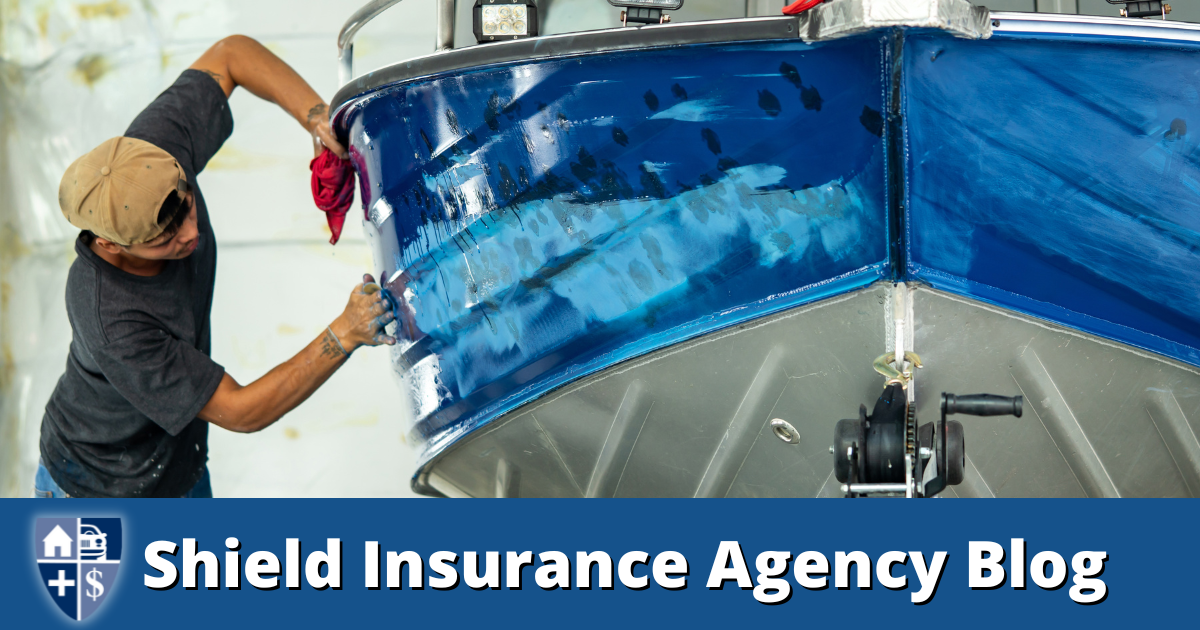
Aluminum fishing boats and pontoon boats provide an affordable, fun way to explore the water. Records show 85,431 aluminum boats were registered in 2021 alone. [1]

Proper maintenance is key to making sure you can get ample enjoyment and use from it for years to come. To keep your aluminum boat in top condition, follow these tips for cleaning, polishing, and painting.

Clean and prepare your boat

Prior to polishing and painting your boat, make sure the surface is clean. Follow these steps to clean your aluminum boat:

1. Dry dock your aluminum boat

Pull your boat out of the water and prep a work area. This can be in a garage or a larger space that can get wet, such as a driveway or a dry-docking space at your local marina.

Elevate the boat off the ground in this workable space. If you need to use a sander or buffer, dry-dock your boat in an area where you have access to electricity.

2. Sand off loose paint and rust

If the boat has any rust, sand it off so you have a smooth surface. Depending on the sizes of the rusty patches, you might need a power sander and varying grit levels of sandpaper.

3. Wash the aluminum boat

You’ll want to clean all the grime and dust off. If you’ve waxed your boat previously, use a dewaxing solvent to remove traces of old wax. [2]

Mix mild soap and water in a spray bottle. Spray the boat and wipe it down with a sponge. This removes dirt but not hard stains. To remove tougher stains, mix a solution of 50% distilled vinegar and 50% warm water. Spray that mixture on the boat, let it sit for 60 seconds, and wipe it away.

Mild soap and vinegar are simple DIY solutions, but there are special cleaning products available too. Sometimes a stronger cleaner is necessary to remove oxidation. There are specific cleaners that can handle these dark patches, but they’re abrasive. Carefully follow the instructions on these products to keep yourself safe.

4. Rinse the boat

Grab a hose and rinse the cleaner from the boat. Be sure to use fresh water; you don’t want to use seawater or lake water. If you have the time, polish your boat once it’s dry.

Polish your boat

Follow these steps to polish your aluminum boat: [3]

1. Use aluminum boat polish

There are dozens of polishes on the market, but you need an aluminum-grade polish. You can also use an aluminum cleaner that can clean, polish, and protect your boat as an all-in-one option.

2. Apply the polish

To start, rub or paint the polish on the boat. You can do this by hand or with a power buffer. Polishing by hand can be rewarding, but it’s labor-intensive and can be more time-consuming. A power buffer can get the job done efficiently and quickly. However, you still might need to hand-buff nooks and crannies.

3. Work in small sections

Apply polish to small sections of the boat, working to completely cover each area before moving on to the next. Results should be instant as you work the polishing compound into the boat’s surface.

4. Check the boat

After applying the polish all over the boat, take a walk around it to make sure you haven’t missed any spots.

5. Let the polish dry

Let the polish dry completely, which usually takes 5 to 20 minutes. Be sure to check the instructions for your polish for the exact drying time. Wipe the boat down with a clean, dry cloth. [4]

Paint your aluminum boat

After your boat’s surface has been cleaned and polished it is ready to be painted. Plan for this project to take a few days. Follow these steps to paint an aluminum boat: [5]

1. Find a location for painting

Try to start this project when the weather forecast says there will be a few days of rain-free weather. Pick a work area that’s outside. It’s important that the work area is away from cars and buildings. Put a piece of plastic down to catch dripping paint. Elevate the boat so you have access to all areas of the hull.

2. Prepare the surface for paint

Before painting, remove rust, dirt, chipping paint, old wax and polish. Depending on the amount of rust present, you may need a power sander to create a smooth surface. Once you’ve removed rust, clean the boat by following the cleaning steps above.

3. Apply primer

Apply a self-etching, oil-based primer that sticks to aluminum surfaces. [6] Using a brush or a sprayer, apply a thin layer of primer inside the boat. Let it dry and then paint the outside. Let the primer dry overnight, or for at least 12 hours, before moving on to the painting process.

4. Apply aluminum boat paint

Choose a water-resistant marine paint that adheres to aluminum. Using a sprayer or brush, paint the inside of the boat first. Paint in horizontal strokes for an even coat. The inside coat should dry for around 12 hours before you paint the exterior. The outside coat needs to dry for the same amount of time. You may decide to add a second layer of paint to the boat for protection. If so, make sure the paint dries completely between applications.

5. Apply a clear coat

Once the painting is finished, apply a clear protective coat. This layer helps keep the paint intact and prevents scratches. Check the product label to determine how long this coat will need to cure before you put the boat in the water again.

A fresh layer of paint will help protect the exterior of your boat, but this is not the only way to protect it. Another component of caring for your boat is having boat insurance. Find out whether you need boat insurance before you put your boat in the water.

Frequently asked questions

Can you paint over old paint on an aluminum boat?

Painting over old paint on an aluminum boat is not advised; however, there are a few key things to consider if you do attempt it.

  1. What type of paint was the old paint? Will the new paint adhere or react to it?
  2. Is the old paint flaking or peeling? If so, the new paint won’t have a good surface to stick to.
  3. Are you planning on sanding the old paint surface or chemically preparing it for a fresh coat of paint?

If you know the paint types and there are no conflicts, it’s recommended that you sand the hull prior to painting so that the loose paint will flake off. [7]

Should you paint the bottom of an aluminum boat?

While many might think painting the bottom of your boat unnecessary, it’s actually an essential part of protecting your aluminum row boat from the elements. When choosing your bottom paint, make sure to pick one that is specifically designed for aluminum boats, as some bottom paints can cause corrosion on aluminum. In general, you’ll want to apply two coats for the best results. [8]

How to clean a painted aluminum boat

Maintaining your boat’s condition is important to keep it clean, especially for an aluminum boat, which can be easily damaged by dirt and algae. Follow the steps below to clean your painted aluminum boat:

  1. Remove the boat cover, motor, and any other large items
  2. Hose down the entire boat
  3. Scrub the hull with a smooth brush that won’t damage the paint
  4. Rinse the hull with clean water at a low pressure
  5. Dry the hull with a cloth
  6. Inspect the hull for any remaining dirt or debris
  7. Let the boat dry completely
  8. Wax the boat

Cleaning a painted aluminum boat isn’t difficult, but it does require special care. Avoid using harsh chemicals, and be sure to use the proper detergents and brushes. Waxing the boat will help create a barrier that will protect the paint from scratches and rust. [9]

Protect your boat

You have made this investment in your aluminum boat and carefully painted and cleaned it; now you need to protect it. Why? Boat insurance can be the difference between navigating a crisis peacefully and needing to pay tens of thousands of dollars if things go wrong. It could also protect against third-party liability for damage caused by you and your boat, which may be the bare minimum protection required to moor in your marina. Ultimately, boat insurance will give you peace of mind knowing you’re protected while you’re out on the water, no matter what occurs. [10]

Sources

[1] “The Glass is Still Half Full,” tradeonlytoday.com/columns-blogs/the-glass-is-still-half-full (July 18, 2022).

[2] “Polishing an Aluminum Boat [Guide],” boatlife.com/boatlife-blog/polishing-an-aluminum-boat-guide (accessed Aug. 4, 2022).

[3] “Cleaning an Aluminum Boat with Vinegar,” pontoonopedia.com/cleaning-aluminum-boat-vinegar (June 11, 2018). x

[4] “6 Steps to Painting Aluminum Boats,” chiyachtrefinishing.com/blogs/6-steps-to-painting-aluminum-boats (June 20, 2018).

[5] “How to Paint an Aluminum Jon Boat,” bottompaintstore.com/blog/aluminum-application/paint-jon-boat (accessed Aug. 4, 2022).

[6] “How to Paint a Boat,” boats.com/how-to/how-to-paint-a-boat (April 14, 2021).

[7] “How To Paint Over Your Aluminum Boat (Step-by-Step),” watercraft101.com/how-to-paint-aluminum-boat (accessed Aug. 4, 2022).

[8] “How to Apply Bottom Paint to an Aluminum Boat,” bottompaintstore.com/blog/aluminum-application/how-to-apply-bottom-paint-to-an-aluminum-boat (accessed Aug. 4, 2022).

[9] “How To Clean Painted Aluminum Boat? Complete Guide,” emozzy.com/how-to-clean-painted-aluminum-boat (April 9, 2022).

[10] “Why Boat Insurance Is Important & How To Obtain It,” wavetechpowersports.com/why-boat-insurance-is-important-how-to-obtain-it (accessed Aug. 4, 2022).

Disclaimer:

The information included here is designed for informational purposes only. It is not legal, tax, financial or any other sort of advice, nor is it a substitute for such advice. The information may not apply to your specific situation. We have tried to make sure the information is accurate, but it could be outdated or even inaccurate in parts. It is the reader’s responsibility to comply with any applicable local, state or federal regulations. Nationwide Mutual Insurance Company, its affiliates, and their employees make no warranties about the information nor guarantee of results, and they assume no liability in connection with the information provided. Nationwide and the Nationwide N and Eagle are service marks of Nationwide Mutual Insurance Company. © 2022 Nationwide and Shield Insurance Agency.

Read More
Shield Insurance Agency explains how RV insurance coverage works in regard to the theft of personal belongings

Does RV insurance cover the theft of personal belongings that are in the RV?

Shield Insurance Blog | RV Insurance | Start a quote today!

What better way to explore the hidden gems of Michigan than in an RV? But theft is an unfortunate possibility that can ruin a vacation.  Shield Insurance Agency explains how RV insurance coverage works in regard to the theft of personal belongings.

RV Insurance Liability Coverage Does Not Cover Personal Items

RV insurance policies typically have different coverage options that you can choose from. The most basic coverage option is liability coverage, which covers damages or injuries you cause to others while operating your RV. However, this coverage does not include coverage for personal belongings inside your RV.

Coverage Options To Protect Personal Belongings

To have full coverage for personal belongings inside your RV, you must purchase RV or scheduled personal property coverage. RV personal property coverage comes as an additional coverage option. It covers personal belongings inside your RV that are damaged or stolen due to covered events such as theft, fire, vandalism, or natural disasters. On the other hand, scheduled personal property coverage covers specific high-value items such as jewelry or antiques.

Keep Your Personal Items Safe

In addition to purchasing proper coverage, there are some preventative measures that you can take to reduce the risk of theft. One way is to keep valuable items out of sight, close windows and doors, and lock them when you leave. It is also recommended to use an alarm system or a surveillance camera to deter potential thieves.

Michigan RV insurance coverage for personal belongings inside your RV depends on your policy options. Liability insurance alone does not include coverage for personal belongings inside your RV.

More questions?

Contact Shield Insurance Agency today; we are here to help.


More interesting articles on the Shield Insurance Agency Blog

Read More
Negotiate Pets with Your Landlord

How to Negotiate Pets

Nationwide | September 28, 2022 | Pets | Pet Insurance | Start A Quote Today!

If you’re worried about finding quality housing that will welcome your pet, you’re in good company. Navigating a tight rental market can be especially frustrating for pet owners. However, it is possible to negotiate your pet with your landlord whether you’ve found a home you would like to rent or are hoping to bring a furry friend into your current residence.

Acquire a landlord permission letter for pets

It’s important to get your landlord’s permission upfront. You can even come to your landlord prepared with a pet agreement to help start the conversation. You’ll want to make sure you have documentation of your landlord’s permission to have your pet on the property. [1]

The law allows for landlord discretion on pets.

Even if your landlord grants you approval to have a furry friend in your home, you still want to clearly read your lease agreement and make sure you understand the rules and restrictions around which pets are allowed on the property. The law allows for landlord discretion in determining whether or not tenants can own a pet as well as what breeds and sizes of animals are permitted. The law also grants landlords the right to impose fees related to pets. It’s important to make sure you’re carefully going over your landlord’s pet policy to make sure you understand any restrictions or limitations before signing your lease. [1]

Tips for negotiating pets with your landlord

Some landlords are weary of having pets on their property because of the potential noise and damage they can cause. This can be a barrier to finding housing that will allow pets, but there are several ways you can help improve your chances of finding a place for you and your furry friend to call home.

Be proactive in the housing search

Give yourself as much time as possible to find pet-friendly housing. If you don’t currently have a pet but are thinking of getting one in the future, you might want to find housing that will allow pets well before bringing one home. You can make your search easier by researching animal-friendly listings online. Ask your friends, family, and social media connections if they happen to know of any pet-friendly landlords or available properties. [2]

Come to the negotiations prepared

If you found a home you like but the landlord is not currently allowing pets, there are a few things you can come prepared with to help change their mind: [1] [2] [3]

  • Pet rent: You can offer pet rent. In most cases, landlords will require it anyway, but offering it helps to show good faith. It should be noted that pet rent is separate from your base rent and should not be incrementally increased as your base rent is increased.
  • Pets deposit: Additionally, you can suggest a pet deposit for any potential damages. Pet deposits are also separate from your standard deposit and cannot legally be withheld for any dispute unrelated to your pet.
  • Sample pet agreement: There are resources online that can help provide a sample pet agreement for you to share with your landlord. Coming prepared with one will help show you’re a thoughtful and knowledgeable tenant.
  • Pets resume with references: Show your landlord that your furry friend is well-behaved by sharing any training certifications your pet has. Even sharing photos of your pet playing with children can help show that your pet is friendly and won’t be a problem to your neighbors, and your veterinarian can also help by providing documentation of your pet’s vaccine records and a letter of reference.
  • Research building policies and local laws that might work in your favor: Sometimes the law is on your side when it comes to having a pet in your rental home. For example, in New York, if you get a pet and the building board doesn’t start a court proceeding against you within 3 months, you’re allowed to keep your pet. Research the laws in your state and find out whether there are any that could apply to your situation.
  • Reasonable accommodation: If you have an emotional, physical, or psychiatric disability, the law allows you to keep an assistive animal, and you’re legally protected from discrimination as a tenant. The law also requires landlords to make reasonable accommodations for you and your pet if your pet is an emotional support animal (ESA). The Rehabilitation Act of 1973 and The Fair Housing Amendments Act of 1988 both protect assistive pets in cases where landlords prohibit pets. In this instance, you may have to produce documentation that your pet is an assistive animal. This documentation can usually be provided by a health professional, such as a psychiatrist, psychologist, doctor or licensed therapist.

Common pet complaints and problems for renters

Even if your landlord grants approval for your pet, you might still deal with some challenges that could even result in eviction: [1]

  • Lease documentation specifies no pets: It’s important to read over your lease carefully and suggest any necessary changes before signing. If your lease stipulates that pets aren’t allowed on the property, make sure this is removed before signing and bringing a pet into the residence.
  • New ownership of property decides to not allow pets: If your place of residence is bought by new ownership that chooses not to allow pets, you may be asked to remove your pet or to leave the property.
  • Complaints from other tenants: This could cause your landlord to issue an eviction notice.

Pets are an important part of the family that help bring comfort and joy into our homes. Protect your pet like family with Nationwide’s Pet Insurance Policies.

Sources:

[1] “Negotiating for Pets: Tips for Success,” bhrentersalliance.org/2017/09/negotiating-for-pets/

[2] ”Information for renters with pets,” humanesociety.org/resources/information-renters-pets

[3] “How to Negotiate Pets with Skeptical Landlords,” emotionalpetsupport.com/2020/03/how-to-negotiate-pets-with-skeptical-landlords/

Disclaimer:

The information included is designed for informational purposes only. It is not legal, tax, financial or any other sort of advice, nor is it a substitute for such advice. The information may not apply to your specific situation. We have tried to make sure the information is accurate, but it could be outdated or even inaccurate in parts. It is the reader’s responsibility to comply with any applicable local, state or federal regulations. Nationwide Mutual Insurance Company, its affiliates and their employees make no warranties about the information nor guarantee of results, and they assume no liability in connection with the information provided. Nationwide and the Nationwide N and Eagle are service marks of Nationwide Mutual Insurance Company. © 2022 Nationwide and Shield Insurance Agency


Visit other articles featured by Shield Insurance

Read More
Your Guide to Driving in a Roundabout

Your Guide to Driving in a Roundabout

Nationwide | March 15, 2023 | roundabout | Auto Insurance | Start your quote today!

Even though roundabouts are more common in European countries, they are growing in popularity everywhere in the United States, especially in cities that want to increase traffic flow and prevent clogs at popular intersections. If you haven’t driven through a roundabout before, it can be confusing. That’s why it is essential to familiarize yourself with them so you can move around them safely. [1]

What is a roundabout?

A roundabout is a circular-shaped intersection where drivers move counterclockwise around a center point. There aren’t any traffic signals or stop signs. Instead, every driver yields at the entry of the roundabout to other traffic. Once you’ve entered the roundabout, you may enter the intersection and exit at your desired street. The Federal Highway Administration studied roundabouts and found they can increase traffic capacity by as much as 50 percent compared to more traditional intersections. [2]

What are the differences between roundabouts and traffic circles?

Although most people believe roundabouts and traffic circles are the same, the two have distinct differences. Traffic circles often have stop signs or traffic signals within the circle’s intersection. To enter the traffic circle, vehicles enter in a straight line. Vehicles in the circle have the right of way, while vehicles approaching and attempting to enter must yield to vehicles already in the circle. Traffic circles are designed to allow vehicles to enter and circulate at higher speeds, and they are typically much larger than roundabouts.

The roundabout is designed to provide a more positive direction to motorists as they approach, enter, and exit the roundabout. The entrances are tapered, so the vehicles don’t enter the roundabout at 90 degrees. Traffic speeds are lower compared with a traffic circle. In a roundabout, the entry points are yield-controlled, which prevents traffic from locking up and allows the free flow of vehicles. [3]

Top 7 tips for driving in a roundabout

  1. Slow down. Pay close attention to the change in speed limit around the roundabout and decrease your speed when approaching the entrance. Going slower allows you more time to make decisions and be better prepared to yield to other road users.
  2. Yield. Look around as you approach the roundabout. Yield to the drivers already in the roundabout and pedestrians and bicyclists in the surrounding area.
  3. Choose the right lane. If there is more than one lane, use the left lane to turn left, the right lane to turn right, and all lanes to go through, unless directed otherwise by signs and pavement markings. Make sure to use your indicator to let all cars in the roundabout know where you are going.
  4. Don’t drive next to large vehicles. Always assume trucks and larger vehicles need all available space. Therefore, do not pass them or drive close to them.
  5. Do not stop. Once you’ve entered the roundabout successfully, do not stop. If you miss your exit, continue driving in the roundabout until you have circled and reached your exit again.
  6. Stay in your lane. Do not change lanes within the roundabout. Instead, stay in the lane that you entered and use your right turn signal to indicate your intention to exit.
  7. Let emergency vehicles pass. Make sure to clear the roundabout to allow emergency vehicles to pass. [1]

Benefits of using a roundabout

Compared with other types of intersections, roundabouts have demonstrated many benefits. Roundabouts:

  • Improve safety: Slower speeds are generally safer for pedestrians. In addition, head-on, and high-speed right-angle collisions are virtually eliminated.
  • Reduce congestion: They make traffic efficient during peak hours and other times. Typically, there’s less of a delay.
  • Reduce pollution and fuel use: Fewer stops and hard accelerations mean less time idling.
  • Save money: There’s no signal equipment to install and maintain. Smaller roundabouts may require less right-of-way than traditional intersections. Often less pavement is needed. [4]

What else should you know about roundabouts?

Studies by the Federal Highway Administration suggest that roundabouts can improve traffic capacity by 30% to 50%. They can reduce overall collisions by 37%, injury collisions by 75%, fatal collisions by 90% and pedestrian collisions by 40%. Although the public tends to fear roundabouts when they are first introduced, the approval rate doubles once drivers get used to them. If you are concerned about your ability to successfully navigate a roundabout, consider taking an adult driver’s ed lesson to refresh your skills. [1]

With all this knowledge, now you can take to the road and successfully navigate roundabouts with ease. While on the road, ensure that your vehicle and you are protected with auto insurance.

Sources:

[1] “What Is a Roundabout and How Do I Drive Through One?” driversed.com/trending/what-roundabout-and-how-do-i-drive-through-one (Nov. 16, 2021).

[2] “How to Drive in a Roundabout: A Helpful Guide,” drivesafeonline.org/traffic-school/how-to-drive-in-a-roundabout (March 24, 2020).

[3] “Traffic Circles & Roundabouts,” Gordon Meth, robsonforensic.com/articles/traffic-circles-roundabouts-expert-article (June 4, 2013).

[4] “Roundabouts: A Safer Choice,” highways.dot.gov/sites/fhwa.dot.gov/files/2022-06/fhwasa08006.pdf (accessed Feb. 2, 2023).

Disclaimer:

The information included here is designed for informational purposes only. It is not legal, tax, financial or any other sort of advice, nor is it a substitute for such advice. The information may not apply to your specific situation. We have tried to make sure the information is accurate, but it could be outdated or even inaccurate in parts. It is the reader’s responsibility to comply with any applicable local, state, or federal regulations. Nationwide Mutual Insurance Company, its affiliates, and their employees make no warranties about the information nor guarantee of results, and they assume no liability in connection with the information provided. Nationwide and the Nationwide N and Eagle are service marks of Nationwide Mutual Insurance Company and Shield Agency. © 2023


More Blogs by Shield Insurance Agency

Read More