
Unveiling the Differences: No-Fault vs. Personal Injury Protection Explained

No-Fault vs. Personal Injury Protection Demystified: Discover the Real Deal

Shield Insurance Blog | No-Fault | Auto Insurance | Start A Quote Today!

When it comes to auto insurance, understanding the different types of coverage can be overwhelming. Two commonly confused terms are “no-fault insurance” and “personal injury protection (PIP).” While they may seem similar, there are distinct differences between the two. In this blog post, we will unravel the jargon and debunk some misconceptions surrounding these coverages. Read on to learn more about the benefits, advantages, and FAQs related to no-fault and personal injury protection.

No-Fault vs. Personal Injury Protection Explained:

No-fault insurance and personal injury protection are often used interchangeably, but they are not exactly the same. No fault insurance refers to a system where each driver’s insurance company pays for their own medical expenses and damages, regardless of who caused the accident. On the other hand, personal injury protection (PIP) is a specific type of coverage that provides additional benefits beyond medical expenses, such as lost wages and rehabilitation costs.

No-Fault Insurance Misconceptions:

One common misconception about no-fault insurance is that it means no one is at fault for the accident. However, this is not the case. No fault insurance simply means that each driver’s insurance company covers their own expenses, regardless of fault. Another misconception is that no-fault insurance eliminates the need to file a lawsuit. While it is true that no-fault insurance reduces the need for litigation, there are still situations where legal action may be necessary, such as in cases of severe injuries or disputed liability.

Personal Injury Protection Myths:

There are also several myths surrounding personal injury protection. One myth is that PIP coverage is only necessary for high-risk drivers. In reality, PIP coverage can benefit anyone involved in an accident, regardless of their driving history. Another myth is that PIP coverage duplicates health insurance. While there may be some overlap in coverage, PIP can provide additional benefits that health insurance may not cover, such as lost wages and household services.

Personal Injury Coverage:

The main difference between no-fault insurance and PIP coverage lies in the scope of benefits. No-fault insurance typically covers only medical expenses, while PIP coverage extends to other costs, such as lost wages, funeral expenses, and rehabilitation services. PIP coverage also varies by state, with some states requiring a minimum coverage amount, while others offer optional higher limits.

No-Fault Insurance Benefits:

No-fault insurance offers several benefits to policyholders. Firstly, it provides prompt payment for medical expenses, reducing the need to wait for a liability determination. Secondly, it eliminates the need to prove fault, simplifying the claims process. Lastly, no-fault insurance can help reduce the strain on the court system by resolving minor accident claims more efficiently.

Personal Injury Protection Advantages:

PIP coverage offers additional advantages beyond medical expenses. It provides coverage for lost wages, allowing injured individuals to maintain their financial stability while recovering. PIP coverage also includes benefits for essential services, such as childcare and housekeeping, which may be necessary during the recovery period. Additionally, PIP coverage can help cover funeral expenses in the unfortunate event of a fatal accident.

Insurance Coverage FAQs:

1. Is no-fault insurance mandatory in all states?

No, not all states require no-fault insurance. Some states have traditional fault-based systems, where the at-fault driver’s insurance pays for the damages.

2. Can I have both no-fault insurance and PIP coverage?

Yes, in states where both are available, you can have both no-fault insurance and PIP coverage. However, it is important to review your policy to understand the specific benefits and limits of each coverage.

3. Does PIP coverage apply to passengers in my vehicle?

Yes, PIP coverage typically extends to passengers in your vehicle, regardless of who is at fault for the accident.

Unraveling Insurance Jargon:

Understanding insurance jargon can be challenging, but Shield Insurance Agency is here to help. As an agency representing over 40 insurance companies, we have the expertise to guide you through the complexities of auto insurance. Contact Shield Insurance Agency at (616) 896-4600 for a free quote today or start the quoting process by visiting this LINK, and an agent will be in touch soon.

No-fault insurance and personal injury protection may sound similar, but they have distinct differences in coverage. No-fault insurance refers to a system where each driver’s insurance company covers their own expenses, while PIP coverage provides additional benefits beyond medical expenses. Understanding these coverages, debunking misconceptions, and unraveling insurance jargon is crucial for making informed decisions about your auto insurance. Remember, Shield Insurance Agency is here to assist you in finding the right coverage for your needs.


More Blogs from Shield Insurance Agency

Read More
What if everything turns out OK? The power of imagining a better future

What if everything turns out OK? The power of imagining a better future

Positive News | Gavin Haines | August 29, 2023 | power of imagining | Shield Insurance Blog

The news is full of the catastrophic scenarios that could face humanity, but where are the heartening visions of the future we’re all longing for? Transition Town Network founder Rob Hopkins is on a mission to help us dream it into reality with the power of imagining.

Rob Hopkins has seen the future – and it’s glorious. You should see it too, he says. Smell it. Hear it. There are children playing in the street again. Deafening dawn choruses. Cycle lanes chocka with rush-hour traffic. Indie shops galore. Restaurants spilling onto streets. No homelessness. Oodles of civic pride. Crystal-clean rivers were rewilded by beavers. Community orchards. Pollen on the breeze. No fumes, no smog, just fresh air.

The year? 2030. Just seven years away. How did he get there? Well, the writer and activist has – whisper it – a time machine. It’s hidden in a secret laboratory under Totnes Castle in Devon, near to where he lives, along with a “disbelief suspender” and a “cynicism override”. At least that’s the yarn he spins when he’s invited to give talks on what he believes is a curiously underrated tool for tackling the climate and biodiversity crises: our imaginations.

The part of the brain associated with imagination is the hippocampus, which is also where our memories are stored. This may explain why fantasizing about the future, like recollecting past events, can be so evocative. Tapping into that is a powerful tool for driving positive change, reckons Hopkins. It gives people a hopeful vision to work towards, a longing, that breeds creativity and action, although he’s preaching to the converted – this ethos underpins our journalism.


Curious things happen when Hopkins gives his talks. People come up to him afterward and ask him, with no hint of sarcasm or cynicism, about the future, as though inquiring about a foreign city he’s just returned from. After a talk he gave to people in the sports sector recently, someone asked him if there would be many repair cafes in 2030.

“I said, ‘Well, I can answer that in a minute, but I just want to say that I love how you’ve suspended your disbelief to the point where you’re asking me that’,” he tells me, grinning.

That anecdote, says Hopkins, underscores his point, which is that we need to fire up our imaginations with creative storytelling.

Read the full story at Positive News about the power of imagining...


More blogs by Shield Insurance Agency

Read More
Oregon Is Turning Sewage Into an Endless Supply of Green Energy

Green Energy: Oregon Is Turning Sewage Into an Endless Supply

Good Good Good | SEP 7, 2023 | Green Energy | Shield Insurance Agency Blog

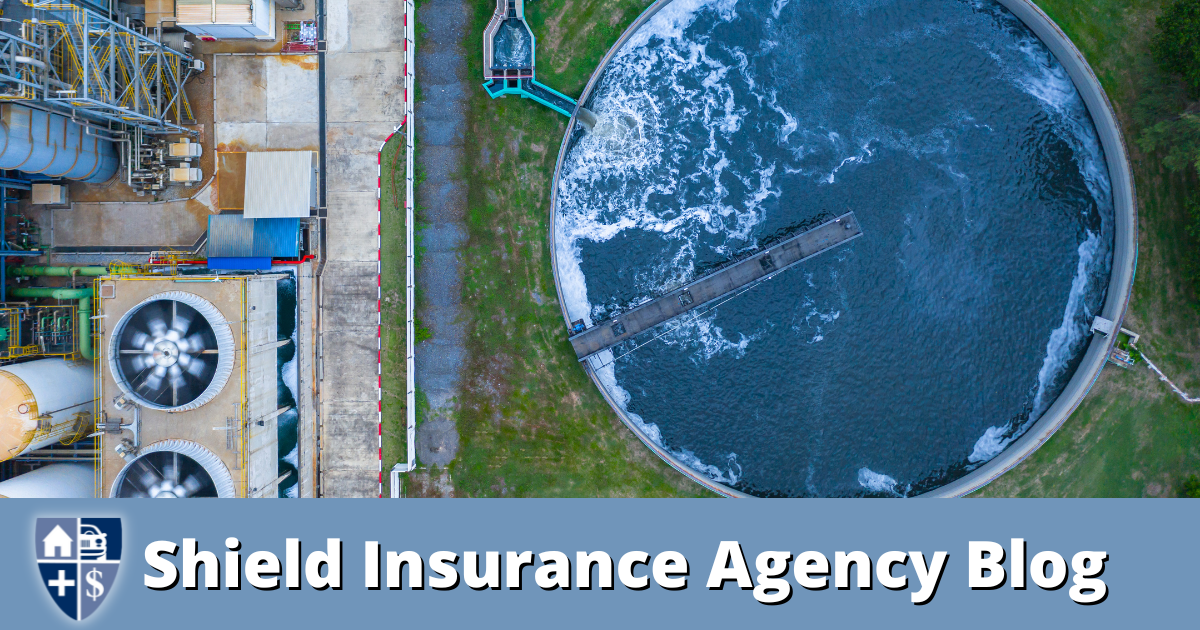
Converting sewage into heat and electricity offers a compelling proposition: more waste equals more green energy and clean power.

In the summer of 2020, as wildfires burned across more than a million acres in Oregon, workers at Clackamas County’s water treatment facility started calling each other.

From their homes, they could see that the towers of flames were closing in on the wastewater treatment plant. Power was failing all over the state.

If the facility lost power, it could flood the Willamette River with untreated waste, causing untold environmental damage.

In the end, the facility remained powered up and the Willamette was spared. But with wildfires and extreme weather increasingly common, the incident underscored how generating and storing renewable power on-site could build resiliency into the system.

“It’s extremely energy-consumptive to treat wastewater,” says Dave Moldal, program manager at Energy Trust of Oregon.

As the region grows in population, the more energy the wastewater plant requires. But what if increasing volumes of wastewater could provide the treatment plant with more energy rather than consume it? That’s exactly what’s been happening at Clackamas County’s Tri-City Water Resource Recovery Facility for the past seven months.

Since August 2021, the plant has been pumping out renewable power produced from methane, a natural byproduct of human waste decomposing in an oxygen-free environment.

Now, this loop of green energy represents a powerful example of how waste can become something we benefit from rather than expend resources disposing of.

By turning human waste into power, wastewater treatment facilities have the potential to become energy generators instead of consumers, while creating clean water that’s returned to the local ecosystem.

When wastewater arrives at Clackamas Water Environment Services’ treatment plant, it contains pretty much what you’d expect — human waste, paper, food, soap, sand — plus a random assortment of items that people accidentally flush or drop into drains, like a miniature Stormtrooper helmet, a Pee-wee Herman doll, and a rubber elephant, all of which are proudly on display at the facility.

However, the individuals who work here don’t consider this to be a mere waste treatment facility. Instead, they see it as a place where clean water and fertilizer for non-food crops is produced. And now, they’ve added a third item to the list of beneficial resources they churn out: green energy.

Visit the full story at Good Good Good


More blogs featured by Shield Insurance Agency

Read More
Garage Fire Alert: Is Your Car Protected by Homeowners Insurance?

Homeowners Insurance 🔥 Garage Fire Alert: Is Your Car Protected?

Shield Insurance Blog | Homeowners Insurance | Start A Quote Today!

If my garage burns down, will my homeowner’s insurance cover my car? This is a question that many homeowners may have after experiencing a devastating garage fire. The thought of losing both your home and your car in such a tragic event can be overwhelming, but understanding your insurance coverage can provide some peace of mind.

Homeowners Insurance

Garage fire insurance coverage is an important aspect of homeowners insurance. While homeowners insurance typically covers damage to your home and personal belongings, it may also extend coverage to your car if it is damaged or destroyed in a garage fire. However, it’s important to review your policy carefully to understand the specific coverage limits and exclusions.

Homeowner insurance and car coverage go hand in hand when it comes to garage fires. In most cases, if your garage is attached to your home, the damage to your car would be covered under your homeowner’s insurance policy. This coverage typically includes not only the cost of repairing or replacing your car but also any personal belongings that may have been damaged in the fire.

Car Insurance

Car insurance after a garage fire is another consideration. If your garage is detached from your home, your car may be covered under your auto insurance policy rather than your homeowners insurance. It’s important to contact your insurance carrier to determine the appropriate coverage and file a claim as soon as possible.

Insurance coverage for a car in a garage fire can vary depending on the specific circumstances and the terms of your policy. Some policies may provide coverage for the actual cash value of your car, while others may offer replacement cost coverage. It’s important to review your policy and discuss your options with your insurance agent to ensure you have the appropriate coverage in place.

Home insurance and car protection are crucial in the event of a garage fire. Your insurance policy is designed to protect your assets and provide financial support in times of need. By having the right coverage in place, you can have peace of mind knowing that your car will be protected in the event of a garage fire.

Do you have adequate Homeowners Insurance Coverage?

Car coverage in case of a garage fire is not something that should be overlooked. It’s important to review your insurance policy regularly and make any necessary updates to ensure you have adequate coverage. This includes reviewing your coverage limits, deductibles, and any additional endorsements or riders that may be available to enhance your coverage.

Homeowner insurance and car damage go hand in hand when it comes to a garage fire. Your insurance policy is designed to protect your home and its contents, including your car. By having the appropriate coverage in place, you can have peace of mind knowing that you will be financially protected in the event of a garage fire.

Garage fire and auto insurance are also interconnected. If your car is damaged or destroyed in a garage fire, your auto insurance policy may provide coverage for repairs or replacement. It’s important to contact your insurance carrier as soon as possible to file a claim and discuss your options.

Car protection in a garage fire is essential. Your car is a valuable asset, and having the right insurance coverage can help protect you from financial loss. By reviewing your policy and discussing your options with your insurance agent, you can ensure that you have the appropriate coverage in place to protect your car in the event of a garage fire.

In conclusion, it’s important to understand the coverage provided by your homeowner’s insurance in the event of a garage fire. While coverage can vary depending on the specific terms of your policy, most homeowners insurance policies will provide coverage for your car if it is damaged or destroyed in a garage fire. It’s important to review your policy, contact your insurance carrier, and discuss your options to ensure you have the appropriate coverage in place. Shield Insurance Agency represents over 40 insurance companies and can help you find the right coverage for your needs. Contact Shield Insurance Agency at (616) 896-4600 for a free quote today or start the quoting process by visiting this LINK and an agent will be in touch soon.


More Blogs by Shield Insurance Agency

Read More
Renewables are on track to keep getting cheaper and cheaper

Renewables are on track to keep getting cheaper and cheaper

A new report says that ongoing improvements in renewables tech will keep driving steep cost declines that make them even more competitive against fossil fuels.

Canary Media | Sept 2023 | Alison F. Takemura | Renewables | Shield Insurance Blog

Canary Media’s chart of the week translates crucial data about the clean energy transition into a visual format.

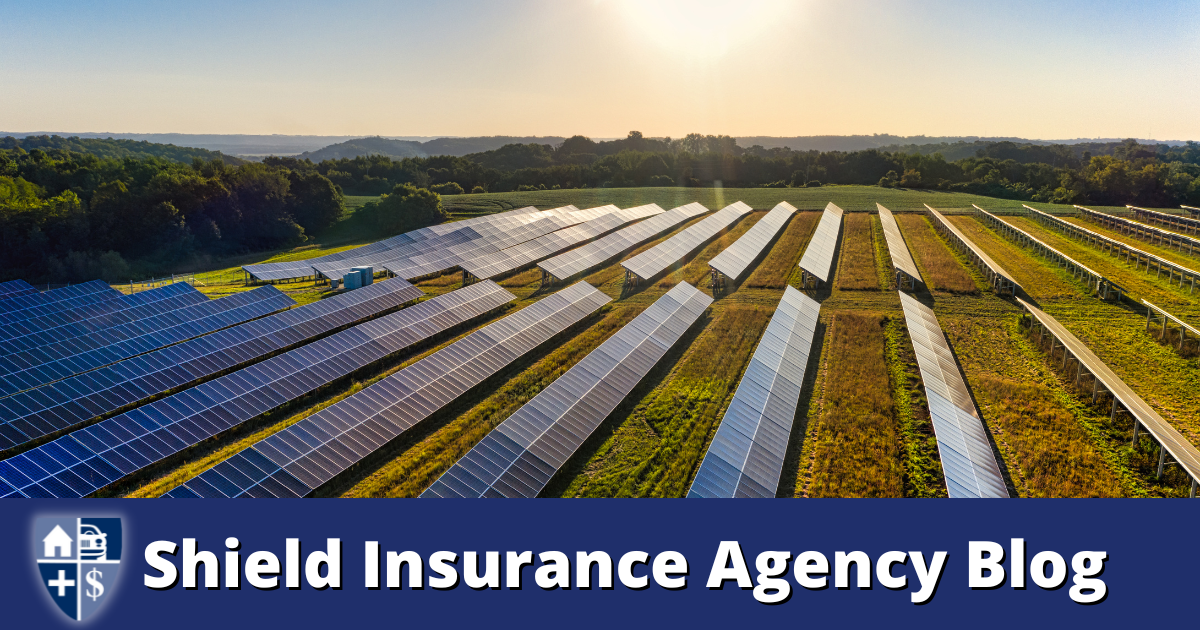
Renewable energy already beats fossil fuels on cost globally — and according to analysts, the gap is only going to grow.

By 2030, technology improvements could slash today’s prices by a quarter for wind and by half for solar, according to the authors of a recent report from clean energy think tank RMI. (Canary Media is an independent affiliate of RMI.)

These remarkable and ongoing cost declines have made clean energy so attractive that it now outcompetes fossil fuels for new investment: 62 percent of global energy investment is expected to flow to clean energy technologies this year.

That cash is helping push renewables to new heights. According to estimates from the International Energy Agency, global clean energy capacity is expected to jump a jaw-dropping 107 gigawatts to more than 440 gigawatts this year — its largest increase ever.

What we’re living in ​“is an energy technology revolution,” said report co-author Kingsmill Bond, an energy strategist at RMI. It’s obvious from the data, yet the point is often lost in ​“a consistent drumbeat of counternarratives” about how difficult it is, and will be, to leave fossil fuels behind, he added.

“U.S. fossil-fuel demand peaked 15 years ago,” Bond said. ​“This is happening; people have just missed it.”

Renewable energy costs have fallen, and are projected to keep falling, because these technologies are riding ​“learning curves”: For every cumulative doubling of the deployed tech, its cost declines by a quantifiable percentage that varies by technology. Learning curves are a robust phenomenon that’s been observed for over 50 kinds of tech. Over the past 40 years, the average learning rate has been 20% for solar and 13% for wind.

That’s the underappreciated power of learning by doing; the more solar panels and turbines people make, the more they discover how to make them better, faster and cheaper. The RMI report’s range of forecasted cost declines is based on both these long-term average learning rates and the higher rates observed in more recent years (30% for solar and 25% for wind).

Fossil fuels, by contrast, have not gotten on empirical learning curves. For more than a century, fossil fuel prices have swung wildly without trending consistently downward. 

Visit Canary Media for the full story


More Blogs by Shield Insurance Agency

Read More
Home Business Boom: Ensuring Your Home Insurance Covers Your Side Hustle

Home Business Boom: Ensuring Your Home Insurance Covers Your Side Hustle

Shield Insurance Blog | Home Insurance | Start A Quote Today!

The rise of home-based businesses is a defining trend of our times. Whether you’re crafting handmade jewelry, offering freelance services, or selling products online, your home is your business headquarters. But have you considered how this entrepreneurial endeavor might affect your home insurance? Shield Insurance Agency, providing home insurance in Michigan, wants to help you better understand how your side hustle may affect your home insurance. 

Assessing Your Current Home Insurance Coverage

Before diving into the intricacies of insuring your home-based business, review your existing home insurance policy. Typically, standard homeowners or renters insurance covers personal property but may not encompass business-related items or liabilities. Understanding your current coverage is the first step in addressing any gaps.

Business Endorsements or Riders

To safeguard your side hustle, consider adding business endorsements or riders to your existing policy. These specialized add-ons can extend coverage to include business equipment, inventory, and even liability related to your home-based business activities. Keep in mind that the extent of coverage varies, so discuss your specific needs with your insurer.

Home Insurance Liability Protection

Running a home business means interacting with clients or customers on your property. If someone gets injured during a business-related visit, your standard policy might not cover it. Liability protection is essential to address such scenarios. Discuss options with your insurer to ensure adequate coverage.

Consult With Us

The home business boom is here to stay, offering exciting opportunities for entrepreneurs. However, it’s vital not to overlook the implications for your insurance. Assess your current coverage, explore business endorsements, and secure liability protection to ensure that your side hustle thrives while your home remains protected. The team at Shield Insurance Agency, serving the state of Michigan, can help you. Call or email us to learn more. 


More Blogs by Shield Insurance Agency

Read More
Uninsured Motorist Coverage The Ultimate Guide to Peace of Mind on the Road.

Uninsured Motorist Coverage: The Ultimate Guide to Peace of Mind on the Road

Shield Insurance Blog | Uninsured Motorist Coverage | Start A Quote Today!

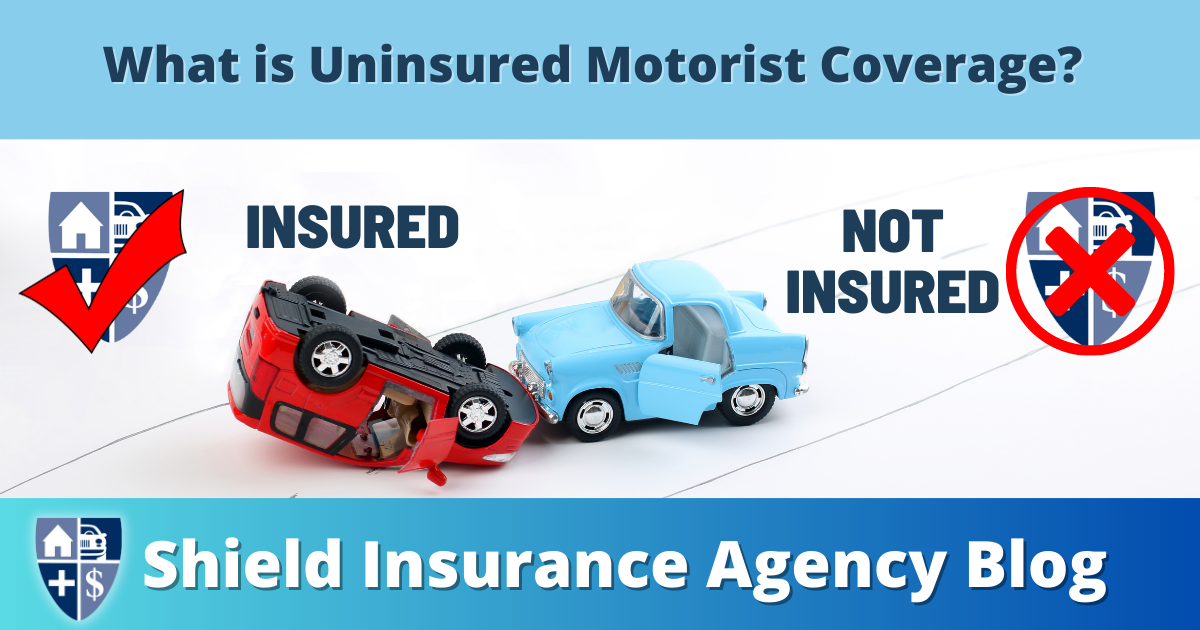
Driving on the road can be a thrilling experience, but it also comes with its fair share of risks. One of the biggest concerns for any driver is the possibility of getting into an accident with an uninsured motorist. In such situations, having uninsured motorist coverage can provide you with the peace of mind you need. In this ultimate guide, we will explore what uninsured motorist coverage is, why it is important, and how it can protect you in case of an accident.

What is Uninsured Motorist Coverage?

Uninsured motorist coverage is an insurance policy that protects you if you are involved in an accident with a driver who does not have insurance or has insufficient coverage. It is an optional coverage that you can add to your existing auto insurance policy. In the event of an accident, uninsured motorist coverage will help cover your medical expenses, lost wages, and other damages caused by the uninsured driver.

Why is it Important?

1. Protection against Uninsured Drivers: According to the Insurance Research Council, approximately one in eight drivers in the United States is uninsured. If you are involved in an accident with an uninsured driver, you may be left to cover the expenses out of your own pocket. Uninsured motorist coverage ensures that you are protected in such situations.

2. Medical Expenses Coverage: In the unfortunate event of an accident, medical expenses can quickly add up. Uninsured motorist coverage can help cover the cost of medical treatment, including hospital bills, surgeries, and rehabilitation. This coverage can be a lifesaver, especially if you do not have health insurance or have high deductibles.

3. Lost Wages Coverage: If you are injured in an accident and unable to work, uninsured motorist coverage can provide compensation for your lost wages. This can help alleviate the financial burden caused by the accident and allow you to focus on your recovery without worrying about your income.

4. Property Damage Coverage: Uninsured motorist coverage not only protects you against bodily injuries but also covers damages to your vehicle. If the uninsured driver is at fault for the accident, this coverage can help pay for the repairs or replacement of your vehicle.

How Does Uninsured Motorist Coverage Work?

Uninsured motorist coverage can vary depending on your insurance provider and the state you live in. However, there are a few key components that are common across most policies:

1. Bodily Injury Coverage: This component of uninsured motorist coverage helps cover medical expenses, lost wages, and pain and suffering caused by the accident. It typically has a per-person and per-accident limit, which determines the maximum amount the insurance company will pay.

2. Property Damage Coverage: This component covers the cost of repairing or replacing your vehicle if it is damaged in an accident with an uninsured driver. Like bodily injury coverage, it also has a limit that determines the maximum amount the insurance company will pay.

3. Hit-and-Run Coverage: Some uninsured motorist policies also include coverage for hit-and-run accidents. If you are involved in a hit-and-run and the responsible driver cannot be identified, this coverage can help cover your medical expenses and property damage.

4. Underinsured Motorist Coverage: In addition to uninsured motorist coverage, some policies also include underinsured motorist coverage. This coverage comes into play when the at-fault driver has insurance, but their coverage is insufficient to fully compensate you for your damages. Underinsured motorist coverage helps bridge the gap between the at-fault driver’s coverage and your actual damages.

How to Obtain this Coverage

To obtain uninsured motorist coverage, you need to contact your insurance provider and add it to your existing auto insurance policy. The cost of uninsured motorist coverage can vary depending on factors such as your driving record, the state you live in, and the coverage limits you choose. It is important to review your policy and understand the coverage limits and exclusions before making a decision.

Uninsured motorist coverage is a crucial component of any auto insurance policy. It provides you with the peace of mind you need on the road, knowing that you are protected in case of an accident with an uninsured driver. From covering medical expenses to compensating for lost wages and property damage, uninsured motorist coverage offers comprehensive protection. Don’t wait until it’s too late – add uninsured motorist coverage to your policy today and drive with confidence knowing that you are prepared for any situation that may arise on the road.

Shield Insurance Agency represents over 40 insurance companies. Contact Shield Insurance Agency at (616) 896-4600 for a free quote today or start the quoting process by visiting this LINK and an agent will be in touch soon.


More Blogs by Shield Insurance Agency

Read More
Understanding Michigan State Short-Term Disability Insurance: Everything You Need to Know

Short-Term Disability Insurance: Everything You Need to Know in Michigan

Shield Insurance Blog | Short-Term Disability Insurance | Start A Quote Today!

What is Michigan State Short-Term Disability Insurance?

Short-term disability insurance is designed to provide income replacement for individuals who are unable to work due to a temporary disability. This type of insurance coverage typically lasts for a specific period, usually up to six months, and provides a percentage of the individual’s pre-disability income.

What Does Short-Term Disability Insurance Cover in Michigan?

Short-term disability insurance in Michigan covers a wide range of health conditions that prevent individuals from working. These conditions can include illnesses, injuries, surgeries, and mental health disorders. However, it is important to note that not all health conditions are covered under short-term disability insurance. Certain pre-existing conditions may be excluded from coverage.

How Does Short-Term Disability Insurance Work in Michigan?

In Michigan, short-term disability insurance is typically provided through an employer-sponsored group plan or purchased individually. When an individual becomes disabled and is unable to work, they must file a claim with their insurance provider. The insurance provider will review the claim and determine if the individual meets the criteria for disability benefits. If approved, the individual will receive a percentage of their pre-disability income for the duration of their disability.

What Health Conditions are Included and Categorically Excluded?

Short-term disability insurance in Michigan covers a wide range of health conditions, including but not limited to:

– Illnesses such as cancer, heart disease, and diabetes

– Injuries such as broken bones, sprains, and concussions

– Surgeries such as joint replacements, hernia repairs, and appendectomies

– Mental health disorders such as depression, anxiety, and bipolar disorder

However, certain health conditions may be categorically excluded from coverage. These can include pre-existing conditions, self-inflicted injuries, and disabilities caused by illegal activities.

What are the Significant Terms to Remember?

When it comes to short-term disability insurance in Michigan, there are several significant terms to remember. These include:

– Elimination period: This is the waiting period before disability benefits begin. It is typically a specified number of days after the disability occurs.

– Benefit period: This is the length of time that disability benefits will be paid. It is usually up to six months but can vary depending on the policy.

– Benefit amount: This is the percentage of the individual’s pre-disability income that will be paid as disability benefits. It is typically around 60-70% of the individual’s income.

More About Short-Term Disability Insurance

Short-term disability insurance provides individuals with financial protection during a temporary disability. It can help cover expenses such as medical bills, mortgage or rent payments, and daily living expenses. It is important to carefully review the terms and conditions of a short-term disability insurance policy to ensure that it meets your specific needs.

Can I Get Temporary Disability After Surgery?

Yes, short-term disability insurance can provide coverage for individuals who are unable to work due to surgery. Whether it is a minor procedure or a major surgery, short-term disability insurance can help replace a portion of the individual’s income during their recovery period.

What are the Common Procedures that Lead to Short-Term Disability?

Several common procedures can lead to short-term disability, including:

– Joint replacements: Procedures such as hip or knee replacements can require a significant recovery period and may result in temporary disability.

– Hernia repairs: Hernia repairs can be a major surgery that requires time off work for recovery.

– Appendectomies: An appendectomy is the surgical removal of the appendix and can result in a temporary disability.

What are the Options After Wrongful Disability Denials?

If an individual’s short-term disability claim is wrongfully denied, there are options available to appeal the decision. It is important to gather all relevant medical documentation and evidence to support the claim. Seeking legal advice from an experienced attorney specializing in disability insurance can also be beneficial in navigating the appeals process.

What are the Common Red Flags that Indicate Bad-Faith Delays or Wrongful Denials of Disability Coverage?

Several common red flags may indicate bad faith delays or wrongful denials of disability coverage. These can include:

– Unreasonable delays in processing the claim

– Inconsistent or contradictory reasons for denial

– Failure to provide a clear explanation for the denial

– Ignoring or misrepresenting medical evidence

– Failing to consider all relevant information

If any of these red flags are present, it may be necessary to seek legal assistance to ensure that the individual’s rights are protected.

Shield Insurance Agency Represents Over 40 Insurance Companies

Shield Insurance Agency is a trusted insurance agency that represents over 40 insurance companies. They specialize in providing individuals with the best insurance coverage options to

Read More

The Ultimate Guide to Walking: All Your Questions Answered!

Shield Insurance Blog | Walking | Health Insurance | Start A Quote Today!

Your Top Walking Questions — Answered!

Walking is a fantastic form of exercise that is accessible to almost everyone. It’s low-impact, easy to do, and can be done anywhere, anytime. But like any form of exercise, there are often questions and uncertainties that arise. In this blog post, we will answer some of the most common questions about walking to help you get the most out of your walking routine.

1. Should I carry weights to burn more calories?

Carrying weights while walking can increase the intensity of your workout and potentially burn more calories. However, it’s important to use caution when adding weights, as they can put strain on your joints and muscles. Start with lighter weights and gradually increase the load as your strength improves. It’s also a good idea to consult with a fitness professional to ensure you are using proper form and technique.

2. How fast should I walk?

The speed at which you walk depends on your fitness level and goals. A brisk pace is generally recommended for cardiovascular benefits. Aim for a pace where you can still carry on a conversation but feel slightly breathless. If you’re just starting out, start with a comfortable pace and gradually increase your speed over time.

3. Do I really need to lug a bottle of water with me during a long walk?

Staying hydrated is important, especially during longer walks or in hot weather. While it may be tempting to skip carrying a water bottle to lighten your load, it’s essential to have access to water to prevent dehydration. Invest in a lightweight, portable water bottle that you can easily carry with you.

4. Is walking as good as other forms of cardiovascular exercise?

Walking is an excellent form of cardiovascular exercise that offers numerous health benefits. It can improve heart health, strengthen muscles, and help with weight management. While other forms of exercise may have their own advantages, walking is a great option for people of all fitness levels and ages.

5. Which is more beneficial: walking outside or using a treadmill indoors?

Both walking outside and using a treadmill indoors have their advantages. Walking outside allows you to enjoy fresh air, nature, and changing scenery. Treadmills, on the other hand, provide a controlled environment and allow you to easily track your speed, distance, and other metrics. Ultimately, the choice between the two depends on personal preference and convenience.

6. What’s the best time of day to walk?

The best time of day to walk is whenever it fits into your schedule and you can commit to it consistently. Some people prefer to walk in the morning to kickstart their day, while others find that an evening walk helps them unwind. Experiment with different times of day to find what works best for you.

7. Should I eat before I walk?

It’s generally recommended to have a light snack or meal before walking, especially if you’re planning a longer or more intense walk. This will provide your body with the necessary fuel to sustain your activity. Opt for a balanced meal or snack that includes carbohydrates for energy and protein for muscle repair.

8. What’s the simplest way to determine how fast I’m walking?

The simplest way to determine your walking speed is to use a pedometer or a fitness tracker that measures your steps and distance. These devices can provide you with valuable information about your walking pace and progress.

9. How many calories do I burn by walking a mile?

The number of calories burned while walking a mile depends on various factors such as your weight, walking speed, and terrain. On average, a person weighing around 150 pounds can burn approximately 100 calories by walking a mile at a moderate pace.

10. My walking shoes have two sets of eyelets. Which should I use?

The choice of eyelets depends on your foot shape and comfort. Experiment with both sets of eyelets to find the lacing pattern that provides the best fit and support for your feet.

11. I walk early in the morning, so my walking shoes always get wet. They’re still damp the next day when I go to put them on. Any suggestions?

To dry your walking shoes more quickly, remove the insoles and place them in a well-ventilated area. Stuff the shoes with newspaper or use a shoe dryer to absorb moisture. Avoid direct heat sources like radiators, as they can damage the shoes.

12. When should I get new shoes?

It’s recommended to replace your walking shoes every 300-500 miles or every 6-12 months, depending on your walking frequency and the wear and tear on the shoes. Inspect your shoes regularly for signs of wear, such as worn-out soles or decreased cushioning.

13. How can I evaluate my fitness level as a walker?

There are several ways to evaluate your fitness level as a walker. You can track your walking speed, distance, and time to monitor your progress over time. Additionally, you can perform a walking test, such as the 6-minute walk test, to


Read more blogs by Shield Insurance Agency

Read More
Thriving Through Turbulence: How Commercial Insurance Protects Your Michigan Business

Thriving Through Turbulence: How Commercial Insurance Protects Your Michigan Business

Shield Insurance Blog | Commercial Insurance | Meet TJ | Start A Quote Today!

Michigan’s businesses face a variety of daily challenges that can negatively impact their businesses. Commercial insurance helps Michigan business owners protect their most important investments. 

How Your Business Can Thrive Through Turbulence

Smart business owners mitigate the challenges that affect business growth, operations, and financial stability by investing in business insurance. 

Why Michigan Businesses Need Commercial Insurance 

When businesses experience financial turbulence, business insurance acts as a shield to safeguard your business against turbulence. For example, unexpected events like floods or natural disasters can end a business without commercial insurance. 

Michigan Commercial Insurance Coverages

Business insurance policies provide a financial security blanket that shields Michigan business owners from loss. 

Legal Disputes

Commercial insurance helps to protect Michigan business owners when legal disputes about business operations, products or services. 

Lawsuits

Avoid paying out-of-pocket if your business is sued by a customer, vendor, or partner. 

Workers Compensation Claims

Do you have workers injured on the job? Protect your business from work stoppage when workers’ compensation claims threaten your bottom line. 

Slip and Fall Accidents

Accidents happen, and when accidents happen on your business property, the results can be costly. Shield your Michigan business from loss with a protective policy. 

Not sure which commercial insurance plan is right for you? Talk to the Michigan business insurance experts at Shield Insurance Agency. 

Get Commercial Insurance in Michigan!

Our knowledgeable insurance agents can walk you through the steps to choose the best business insurance policy to protect your business assets in Michigan. We can also talk to you about bundling your business insurance policy with other forms of business insurance to best meet your needs. Contact Shield Insurance Agency for a quote today!

Shield Insurance Agency represents over 40 insurance companies. Contact Shield Insurance Agency at (616) 896-4600 for a free quote today or start the quoting process by visiting this LINK and an agent will be in touch soon.


More Blogs by Shield Insurance Agency

Read More