
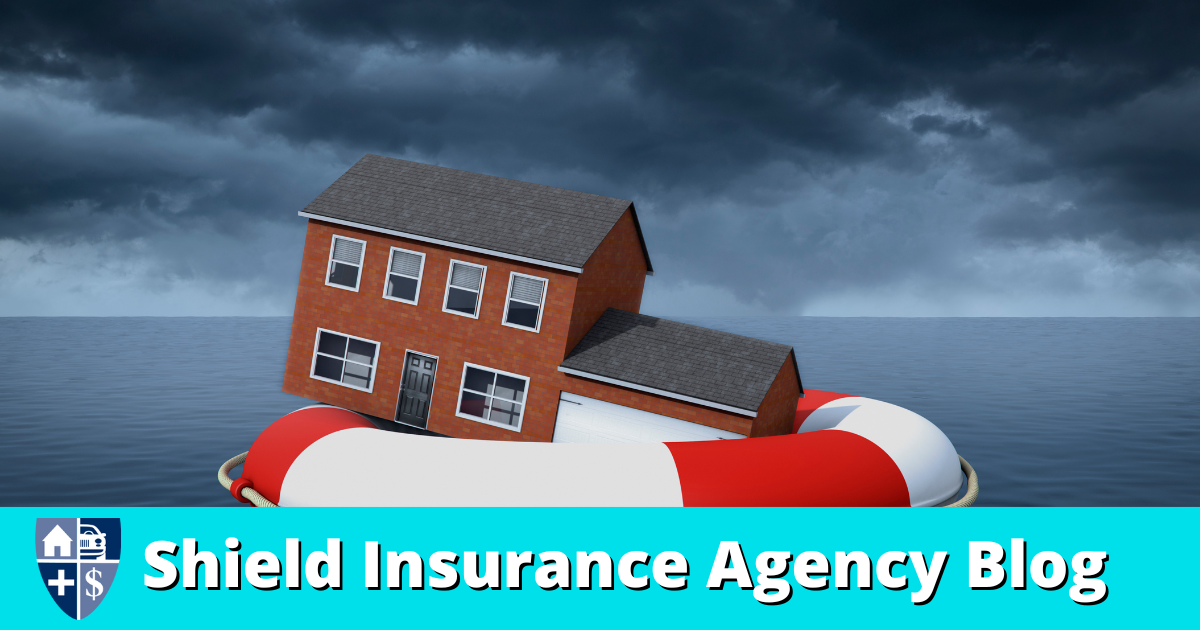
A beginner's guide to buying home insurance

A beginner’s guide to buying home insurance

Shield Blog | Home Insurance | Start A Quote Today!

Home insurance isn’t an option — it’s a necessity. Nearly all mortgage lenders require borrowers to purchase homeowners insurance before financing a residential real estate transaction.

FOX Business | By Josephine Nesbit | Published April 27, 2021 3:23 pm EDT

Insurance can be complicated. Homeowners need to be prepared and make sure they are adequately insured. Here’s a buyer’s guide for first-time homeowners on the basics of home insurance and finding the plan that offers the right insurance coverage for you.

What should I look for when buying home insurance?

Buyers can adjust their insurance policy to fit their insurance coverage needs. When buying homeowners insurance, you should have enough coverage to:

  1. Rebuild your home
  2. Replace your personal belongings
  3. Cover injuries and damages that occur on your property
  4. Pay your living expenses if your house is uninhabitable

What does home insurance cover?

Here are the different types of coverage from a standard home insurance policy:

1. Dwelling 

Dwelling coverage helps rebuild or repair the home’s structure if damaged by a covered event. Dwelling coverage should equal the cost to replace your home. This can be calculated by speaking with an insurance agent or an appraiser.

2. Personal property

This applies to everything in your home besides the structure itself if your personal belongings are destroyed, vandalized, or stolen. 

You should have enough coverage to replace all of your belongings. This can be calculated by keeping a home inventory of everything you own and their actual cash value. More expensive items may also require additional coverage.

3. Liability

Liability coverage covers you against lawsuits for injury or property damage caused by you, family members, or pets to other people. Common liability claims include:

  • Dog bites
  • Intoxicated guests
  • Accidents
  • Falling trees
  • Injured domestic workers

No-fault medical coverage is also included. This covers the medical expenses of guests injured on your property.

4. Additional living expenses

If your home is uninhabitable, additional living expenses will cover your temporary displacement such as hotel bills and eating out. 

There are also different types of homeowners insurance for various property types and insurance coverage needs. This includes:

Click here for the rest of this story


Check out the other articles shared by Shield Insurance Agency!

Read More
What To Do If An Airline Loses Your Luggage

What To Do If An Airline Loses Your Luggage

What To Do If An Airline Loses Your Luggage? Air travel experts share their advice for dealing with missing checked baggage — and minimizing the risk in the first place.

Huffpost.com | By Caroline Bologna | Jul 28, 2022, 05:45 AM EDT

For many years, people felt relatively secure about checking their luggage for a flight. But the chaos of air travel this summer has thrown cold water on that confidence.

The odds of airlines losing your luggage have reportedly “skyrocketed” this year, with massive increases in the numbers of “mishandled” ― i.e., lost, damaged, delayed or pilfered ― bags.

“During the pandemic, many airports and airlines were forced to reduce their workforce in reaction to the restrictions the world was facing,” Alex Miller, founder and CEO of Upgraded Points, told HuffPost. “Now, as these restrictions have been lifted, people are returning to their travels again, leaving airports and airlines struggling to cope with the surge of passengers. This combination of an increased demand, with a shortage of staff, as recruitment hasn’t been able to counterbalance the increase, is leaving many travelers to arrive at their destination without their luggage.”

The result is countless airport photos showing mounds of lost luggage and a lot of frustrated travelers.

Of course, the obvious solution is to pack less and avoid checking a bag, but sometimes that’s just not an option. So what should you do if you find yourself in this situation and end up separated from your bag? Below, experts share their advice.

File a missing bag report.

“The first thing you should do if you notice that your baggage did not arrive at your destination is to report it immediately,” Miller advised. “The airline that you flew on is responsible for ensuring your luggage is delivered to your destination.”

Go to the airline’s baggage desk and have the customer service representative see if they can locate your luggage. It’s possible it was delayed but will arrive on a later flight. Or perhaps it arrived early and was placed in a separate area.

You might also be able to determine your bag’s location on the airline’s mobile app. If the bag is still missing, however, it’s time to file a claim.

“Once you’ve informed airline staff about your missing baggage, it is essential that you file a missing baggage report,” Miller added. “You should provide a detailed description of your luggage, including size, color and material of the bag. The report should also include your current address and contact information so the airline can contact you. You should also keep a note of any reference or tracking number that you receive from the lost luggage desk.”

Find out what compensation you’re owed.

Click here for the rest of the story…


Read More

With home values up do you have enough insurance coverage?

Home Values | Home Insurance | Start A Quote Today!

From: Michigan Dept. of Insurance and Financial Services <DIFS@govsubscriptions.michigan.gov>
Date: Tue, Jun 28, 2022, 8:31 AM
Subject: Press Release: DIFS: Increased Home Values, Rising Supply Costs May Leave Homeowners With Insufficient Insurance Coverage If Disaster Strikes

Media Contact: Laura Hall, (517) 290-3779, DIFS-press@michigan.gov
Consumer Hotline: 877-999-6442, Michigan.gov/DIFScomplaints

FOR IMMEDIATE RELEASE: June 28, 2022(LANSING, MICH)

For National Insurance Awareness Day, the Michigan Department of Insurance and Financial Services (DIFS) is urging consumers to confirm that their home’s replacement value is adequate in today’s housing market, and to make sure they understand the terms and conditions of their policy, particularly the policy’s deductible, that will apply if disaster strikes their property.

Home Values

“Home values and building supply prices have increased across the country, and the current coverage provided by your homeowner’s policy may not be enough to replace or rebuild your home if it is damaged or destroyed,” said DIFS Director Anita Fox. “Though some policies may provide automatic value adjustments, this is a great time to contact your company or agent to discuss your home’s value and to make sure you understand your policy to ensure that it will fully protect you in the event of a loss.

”Homeowners insurance is a contract between a consumer and an insurance company to provide protection for a home. The contract specifies the potential risks, called hazards, that the policy will cover and any applicable policy terms, limitations, exclusions, and policyholder responsibilities. It will also detail things like the premium, deductible, the replacement value of a home, any outbuildings, and any valuable personal property, such as jewelry or collectibles, that may require additional coverage with a personal property endorsement.

In exchange for providing the coverage described in the policy contract, the insurance company will charge the policyholder a premium. Premiums may be billed on a monthly basis, though discounts may be available if consumers elect to pay on an annual or semi-annual basis. The policyholder is also responsible for any relevant deductible, which is a certain amount of money that must be paid out-of-pocket before the insurance company will pay a claim after a loss. For example, a homeowners policy may have a $1,000 deductible, meaning that the insured must pay $1,000 of a covered loss before the company will pay.

“Policy premiums typically decrease when a consumer chooses a higher deductible but choosing a higher deductible may make it more difficult for a family to recover from a disaster,” said Director Fox. “It is important that you have a plan, such as a dedicated emergency fund, for paying your policy deductible or your family could face a severe financial strain if a fire, tornado, or other natural disaster damages your home or possessions.

”For more information and tips on saving for emergencies or other financial goals, visit the DIFS Financial Education website.

For additional information on insurance policies, the claims filing process, or to file a complaint against an insurance company or agent, visit Michigan.gov/DIFS or call 877-999-6442, Monday through Friday from 8 a.m. to 5 p.m.

The mission of the Michigan Department of Insurance and Financial Services is to ensure access to safe and secure insurance and financial services fundamental for the opportunity, security, and success of Michigan residents while fostering economic growth and sustainability in both industries. In addition, the Department provides consumer protection, outreach, financial literacy, and education services to Michigan residents. For more information, visit Michigan.gov/DIFS or follow the Department on Facebook, Twitter, or LinkedIn.

####


More interesting articles from Shield Insurance Agency

Read More

Grand Rapids, MI Voted 16th Best Place to Live

US News Reports | By Anna Gustafson

Grand Rapids, Michigan Overall Score 6.6/10

What’s it like to live in Grand Rapids, MI?

Grand Rapids has an affinity for public art, and its craft brewery scene is one of the best in the nation. A scenic spot perched on the Grand River – Michigan’s longest waterway – Grand Rapids has evolved from its 19th-century roots as a hub of furniture production to the modern-day metro area that is attracting college students and young families with its healthy job market, affordable housing and outdoor recreational activities.

Rankings

U.S. News analyzed 150 metro areas in the United States to find the best places to live based on the quality of life and the job market in each metro area, as well as the value of living there and people’s desire to live there.

Click here for the rest of the story!


Wanna see more great articles?

Read More

Tips Following Northern Michigan Tornado

FROM: Michigan Department of Insurance and Financial Services Offers Insurance Tips Following Northern Michigan Tornado

Media Contact: Laura Hall, (517) 290-3779, DIFS-press@michigan.gov 
Consumer Hotline: 877-999-6442, Michigan.gov/DIFScomplaints

FOR IMMEDIATE RELEASE: May 23, 2022

(LANSING, MICH) As residents across northern Michigan assess the damage and begin to recover from Friday afternoon’s tornado, the Michigan Department of Insurance and Financial Services (DIFS) is providing tips to assist residents when working with insurance companies to file claims and repair damages.

“DIFS stands ready to assist the residents of northern Michigan as they begin to recover from the incredible devastation wrought by Friday’s tornado, hailstorm, and power outages,” said DIFS Director Anita Fox. “It is important that those who have experienced damage understand their rights and responsibilities when filing insurance claims. They should carefully review their policies and work with their agents and insurers to see what coverage is available to them. DIFS is available to answer questions and assist consumers 8 a.m. to 5 p.m. Monday through Friday at 877-999-6442.”

Anyone impacted by storm damage should:

  • Contact their insurance company’s claims hotline and/or agent to report the claim. Have the policy number and other relevant information readily available. DIFS has prepared an Insurance Claims Tracking Sheet to make this process easier.
  • Take steps to protect the property and prevent further loss. Be sure to keep receipts for any purchases of supplies that are needed to protect the property.
  • Document the loss. Take pictures or videos of the damaged items and do not get rid of the items until instructed to do so by the insurance company.
  • Review insurance policies to understand their coverage and discuss with their agent or insurer if there are any questions.
  • If there is water damage to a home or other structure, consumers should tell their insurance company that there is water damage and they are looking to determine what coverage is available. Consumers should not simply state that the damage is due to a flood as there may be additional causes for water damage, such as storm-related rainwater intrusion, sewer backup, or failing sump pump, that may be covered under the policy.
  • If there is damage to a vehicle, consumers should contact their auto insurance company. They may have coverage for the damage if they carry comprehensive coverage on their auto policy.

More Information

Additional disaster recovery information is available on the DIFS website.

DIFS encourages consumers to first attempt to resolve any claim disputes directly with their insurance company. If a resolution cannot be reached, DIFS will help try to resolve disputes. To learn more and file a complaint, visit Michigan.gov/DIFScomplaints. Anyone with questions or concerns about their insurance coverage is asked to call the DIFS toll-free hotline 8 a.m. to 5 p.m. Monday through Friday at 877-999-6442.

The mission of the Michigan Department of Insurance and Financial Services is to ensure access to safe and secure insurance and financial services fundamental for the opportunity, security, and success of Michigan residents while fostering economic growth and sustainability in both industries. In addition, the Department provides consumer protection, outreach, and financial literacy and education services to Michigan residents. For more information, visit Michigan.gov/DIFS or follow the Department on FacebookTwitter, or LinkedIn.


More great reads…

Read More

How to Make a Flower Garden

If you have been wanting to start a garden, now is the time! The long, sunny days are a great source of energy for plants, making summer the perfect season to start growing flowers. Any home could use a pop of color. Whether you are a seasoned gardener or a beginner, it can be helpful to cover the basics. From sunlight to soil, there are a lot of choices that must be made in order to create a successful flower garden, but hopefully, this guide will help you through the process with just five easy steps!

  1. Choose a Location
    The first step is deciding where you would like to plant your flower bed. Most people make flower beds along the front or the side of their house, but feel free to get creative with it. You could create a garden around the base of a tree, around your mailbox, or you could use flowers to hide certain objects in your yards such as electrical equipment or pipes. Sunlight is important to consider when choosing a location. Depending on the flowers you choose, they could need up to six hours of sunlight. It is important to read the labels of any seeds or plants that you buy to ensure that the location will be able to provide the necessary amounts of sunlight.
  2. Choose your Flowers
    Different flowers will flourish in different climates and different types of soil. Temperatures and day length plays a key role in the photosynthetic cycle. Depending on what region you live in, some flowers may not be able to grow. The country is divided into climate zones. Research what plants suit your climate zone, or ask for help at a local plant nursery! They will be able to help you choose the right flowers to make your garden successful.
  3. Remove the Grass
    Once you have picked a location, it’s time to prepare the soil. Begin by removing the grassy layer. With a shovel, start digging in the center of the designated area. Continue to lift the sod with your shovel until all grassy parts have been removed. If digging isn’t your style, there is another option! Although it is a longer process, it’s far less labor-intensive. Instead of digging up the grass layer, set newspapers over the entire area. Cover the paper with rich planting soil or compost and, in four or five months, the grass will have died and the area will be rich and ready for soil preparation.
  4. Prepare the Soil
    The next step is to add planting soil on top of the garden bed you have just prepared. When choosing one of the six soil types, consider what types of flowers or plants will be living in the soil. Each plant grows better in a certain type of soil. Be sure to research which type of soil will be best for your flowerbed before you begin planting. Soil does its best when it is loose and breathable. Before you add the soil, break up any clumps of dirt and remove rocks. Lay down six inches of soil. Do not apply too much pressure to the soil; packing it down will increase the density, making it difficult for air and water to reach the roots. Once the soil is down, create an edge with rocks or bricks to separate the garden from the grass.
  5. Plant the Flowers
    Before you begin planting, make sure that the soil is ready. You want the soil to be moist but loose. If you are planting seeds, look at the packet to see how deep they should be planted. Seeds need oxygen to germinate – planting them too deep can inhibit growth. Begin by digging a hole; for most plants, you want the hole to be about ¾ the size of the pot. Once you have taken the plant out of the pot, gently remove and discard the excess dirt from the roots. Set the roots in the hole you prepared, and gently push topsoil back into the hole, but do not press down. The soil needs to remain loose and full of oxygen.

Now that you have your flower garden, remember to take care of it! Some areas may have enough rain to nourish the plants naturally. If you live in a dry area, you will need to water your flowers between rainstorms to make sure that they are healthy.

Happy summer, and happy planting!


Latest Posts

Read More
Shield Agency Flood Insurance

Flood Insurance: Have A Home In A Flood Zone? What You Need To Know

Shield Insurance Agency Blog | Flood Zone | Flood Insurance | Start A Quote Today!

Water views are fantastic, but the thought of a flood in your home can be scary. Flood insurance works to protect homeowners against the devastation that can be caused by a flood. Here, we’ll take a look at what you need to know if you’re considering buying a home that requires flood insurance.

Who Needs Flood Insurance?

The Federal Emergency Management Agency (FEMA) determines a flood zone as an area that has a 1% or greater chance of flooding in the coming year. Changes in water levels can mean that a home may be in a flood zone one year, but not the next.

If you’re considering purchasing a home in a flood zone, you’ll need to have flood insurance in order to move forward with the purchase of your new home. Sometimes, flood insurance is covered as a part of homeowner’s association (HOA) fees. In other cases, homeowners need to purchase flood insurance on their own.

What Does Flood Insurance Cover?

Thankfully, your flood insurance policy may cover all direct damage related to a flood. In the event of a flood, your insurance policy may cover functional aspects of your home (such as a sewer system that has backed up as a result of a flood), and damage to personal items. It’s important to note that your policy is specific to you and your home, and you’ll need to work with your insurance agent to fully understand your flood insurance coverage.

Need Flood Insurance? We’re Here To Help.

Reach out to Shield Insurance Agency, serving Michigan, for more information about how a flood insurance policy can help keep you, your family, and your home protected against the unexpected.

Read More
5 Ways to Stay Warm During a Winter Power Outage - Shield Insurance Agency Blog

5 Ways to Stay Warm During a Winter Power Outage

ConsumerReports.org | By Paul Hope | Published February 18, 2021 | Updated January 5, 2022

  • Never use a generator indoors or within 20 feet of your house.
  • Have working smoke and carbon monoxide alarms on every floor.
  • If you use your car to stay warm or charge devices, make sure it’s outside the garage.
  • Never use a device (such as an oven) to produce heat unless that’s its intended purpose.
  • Indoor portable heaters should have an automatic shutoff switch in case they tip over.

Winter storms leave thousands of Americans without power each year, but there are several steps you can take to stay warm and safe.

The biggest threat from a power outage, of course, is the lack of heat. But even during an extended outage, there are ways to survive the cold.

The danger is that some alternative heating systems pose their own threats, such as fire and carbon monoxide. But there are precautions you can take to minimize the danger.

Here are five ways to stay warm—and safe—during a power outage.

1. If You Can, Get a Generator

Even if you’ve already lost power, it’s not too late to look for a portable generator. Sales always spike during weather emergencies, but it’s still worth trying.

Some major retailers have told CR that they’re able to reallocate the supply of generators to affected areas in as little as a day or two. A good strategy is to show up early at a store to grab one before they’re sold out.

If you’re fortunate enough to find a portable generator, use our guide to get it up and running quickly and safely. Once the outage is over, hire an electrician to install a transfer switch or interlock device so that the generator can power entire circuits in your home, which is both safer and more helpful.

If you can’t find a portable generator at a home center or power equipment dealer, try looking for a recreational generator at places like Dick’s Sporting Goods and Walmart, or even at a local RV or boat dealership.

These smaller generators aren’t really designed for power outages, but their output of 1,800 to 2,000 watts is still enough to power a large space heater and charge cell phones, which may be enough to get you through an outage.How to Run a Generator Safely

2. Stay in a Southern-Facing Room

Click here for the rest of the story…


Wanna see more great articles?

Read More
Shield Insurance is helping Roslyn & Maddox by donating $25 to the family for each non-client who gets a quote from Shield

Shield’s Referral Program is Changing Lives in the Local Community!

Shield Referral Program Supports Local Sparta, Michigan Family

Your referral can make a difference for Roslyn and Maddox who both have a form of Arthrogryposis Multiplex Congenital. Shield Insurance is helping this Sparta, MI family by donating $25 for each non-client who gets a quote from us.

No purchase is necessary!

CLICK HERE to get a quote and we’ll donate $25 to them! (Be sure to mention Roslyn and Maddox in the comment section!) You can also call or text the office (616) 896-4600 and one of our agents will take a few minutes of your time to offer up a quote. Don’t forget to mention Ros and Maddox

Your Referrals to Shield Insurance Agency Help a Local Family in Need

“The highest compliment we can receive is the referral of your friends, family & business associates. Thank you for your trust!”

Meet Roslyn
Roslyn and Shield Insurance Agency Referral Program

More great stories featuring Roslyn…


Have you seen the Shield Insurance Agency Blog Articles? It’s some great stuff!

Read More

10 Things to Know About a Home Appraisal

HowStuffWorks.com | By: Dave Roos  |  Jul 1, 2019

Of all the people you’ll interact with when buying or selling a house, the appraiser is the one you’ll probably get to know the least. But he or she may play one of the most important roles in the sale or purchase of your home. What the appraiser finds can be the difference in whether or not you’ll get the house you want or be able to sell the one you don’t.

A property appraisal is different from a property inspection. The home inspector is looking for issues in the home that the buyer should be aware of before purchase (for instance, mold or a leaking roof). The appraiser is determining the dollar value of the home by looking at what similar homes in the area go for, as well as the condition of the actual property. If you’re borrowing money from a bank or other institution to purchase your home, you’ll likely have to get a home appraisal (the inspection is optional but buyers would be wise to get one.)

Here are 10 important things to know about a home appraisal, starting with why mortgage lenders require home appraisals in the first place.

Click here for the rest of the story…


More Blogs with Shield Insurance Agency

Read More