Stop a home burglary while you're gone

Stop a home burglary while you’re gone

Foremost Insurance | Home Burglary | Home Insurance | Self-Quoting Portal

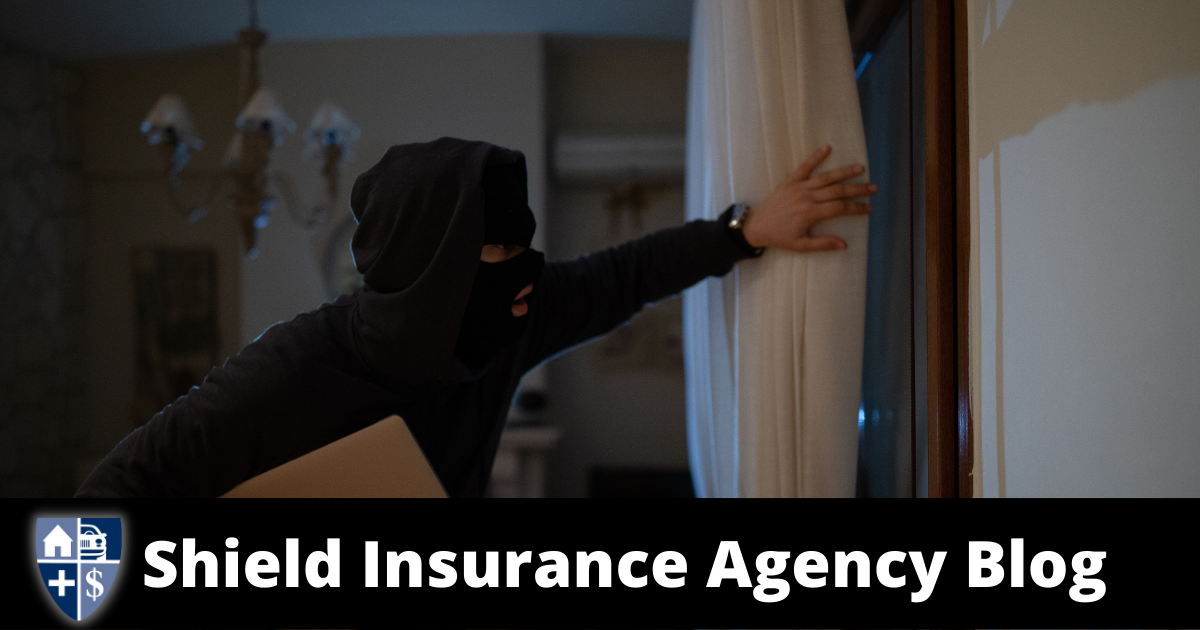
By using these theft-prevention tips to protect your home and possessions, you and your family will have extra peace of mind, whether you’re away for a day or on vacation.

Make your home look “lived in” even when you’re not there:

  • Have a trusted neighbor pick up your mail and newspapers.
  • Arrange for someone to mow your lawn or shovel snow.
  • Ask a neighbor to park a car in your driveway while you’re gone.
  • Use timed switches on your lights, TV, and stereo. Look for timers that turn on and off randomly.
  • You can add to the security of your lighting system and cut your electric bill by installing a motion detector on outside lights. This will activate your lights when anyone comes within range of the unit’s motion sensor.

Home burglary tips from law enforcement officials:

  • Join a Neighborhood Watch group. Most police departments have officers who will help you start a program. Neighbors can help watch your home when you’re gone.
  • Keep valuable items in your safe deposit box, such as stocks and bonds, duplicate copies of your will, stamp, and coin collections, and jewelry you don’t frequently wear.
  • Give parking lot attendants and mechanics your ignition key only, not your house key. Don’t carry an identification tag on your key ring. This could help a would-be thief easily identify your home and vehicle.
  • Consider installing an alarm system for an extra level of protection. You have a variety of choices — from do-it-yourself kits that trigger a siren or lights to professionally installed systems connected to a police station or monitoring service. Post signs in your windows showing you have a security system.
  • Lock your doors and windows when you leave, whether you’ll be gone a few minutes or a few days.
  • Avoid leaving an extra “hidden” key outside your home, such as under the doormat or in a mailbox or planter. To make sure you always get in, leave a duplicate set of house keys with a trusted friend or neighbor.

More Blogs by Shield Insurance Agency

Read More
Tips on filing claims

Tips for effectively filing claims

Foremost Insurance | Ryker Huizinga | Filing Claims | Homeowners Insurance | Get A Quote

Experiencing a loss can be stressful, frustrating, and disheartening, but having insurance coverage will help alleviate the financial burden a loss can cause. The first step in restoring your property and moving forward is to determine if your policy provides coverage for the loss. To do this you need to file a claim with the insurer.

While the claims process isn’t something many eagerly look forward to, there are definitely ways you can make it a less stressful experience. To help you successfully navigate the process, here are several tips for effectively and efficiently filing claims.

Keep an inventory of all your insured possessions.

Be proactive! If you keep a written document of your possessions, it can help make the claims process much easier if you experience a loss. Go from room to room and record each item and its value to prepare an inventory. An easy way to do this is to take photos or videos of each room and all of the contents in the rooms. Consider keeping receipts with the purchase date and original cost for your records too, in case of total loss. Your inventory list should be consistently updated, which can be done easily if you record new items shortly after purchasing them. Pro Tip: Your inventory should be easily accessible. It is a good idea to keep a couple of copies of your inventory at different locations, with one location being off-premises in case of a total loss, like a fire.

Before filing claims reach out to your agent.

In the event of a potential claim, it’s best to contact your agent directly instead of the broader insurance provider. Your agent will be able to explain your options and advise on whether filing a claim is in your best interest. In some cases, your agent may even file the claim for you.

Report your loss promptly.

Always file your claim as soon as you possibly can. Of course, theft losses should be reported to the police first, and in other situations of danger and urgency, safety takes priority. But once it’s safe and reasonable to do so, you should contact your insurance agent. This is important because your policy might require you to make the notification within a certain amount of time. Not filing a claim within the time required in your policy may lead to a denial of the claim or may result in the claims process taking longer.

Be prepared for filing claims with the right information.

When you file your claim or make follow-up calls regarding the process, be sure to have the right information so your conversation is easier and more effective. Have your inventory list and the details of your loss, and keep the following information handy for your claims representative:

  • The customer’s name and address
  • The policy number
  • The date the loss happened
  • A description of what happened
  • A preferred telephone number for future contact

Provide complete, correct information.

Explain the situation accurately without downplaying or exaggerating your loss. Incorrect or incomplete information may cause complications and delays in processing the claim. Additionally, materially misrepresenting the facts of your loss may result in a loss of coverage.

Record important details from all correspondence.

While going through the claims process, be sure to write down important information from your phone conversations and in-person meetings with claims representatives and other contacts. This should include the time and date, as well as the name and title of the person you spoke with. This will help you stay organized and create records that may come in handy later.

Make appropriate emergency repairs.

If you’re dealing with property damage it may be necessary to make immediate emergency repairs to prevent additional damages, such as calling a plumber to repair a broken pipe. Your policy might cover the costs of these emergency repairs, so be sure to inquire about them when filing the claim. It is also important to take photos or even videos before making the repairs and save the receipts from all of the work that is done.

Ask questions about filing claims

Don’t be afraid to ask your claims representative for more information or clarification. The process will go much more smoothly if you are both on the same page and fully understand each other. For example, if there is a disagreement about the coverage of the claim, ask for the specific language in the policy that is in question to find out if it is a matter of differing interpretations.

Overall, it’s important to have patience because every insurance claim is different! Some may be completed quickly, while others may take a few weeks or even months to be resolved. You never know when problems will arise, but these tips can help you to effectively address the situations and smoothly navigate the claims process.


More Blogs from Shield Insurance Agency

Read More
Home security devices

Home security devices

Foremost Insurance Blog | Home Security | Home Insurance

Homeowners should consider protecting themselves with an alarm system or motion detector to help protect their homes from burglaries.

Alarm systems range in sophistication and price. Choose from do-it-yourself kits that set off a siren or lights or professionally installed systems that hook directly to the police station or monitoring service. A basic alarm system is composed of sensors to detect an intruder, a control panel that receives messages from the sensor, and an alarm that sounds off when activated by the control unit. Don’t expect any single alarm system to do the job alone. An excellent mechanical system is only effective when it’s used in conjunction with other security-minded habits.

Home security devices

Motion detectors can also be an effective weapon against burglars. An intruder’s movement or body heat triggers the alarm. Technological advances have made motion detectors less expensive and easier to install. Most motion detectors incorporate infrared, microwave, or ultrasonic technology. Typically, the movement of an intruder, or merely the person’s body heat, breaks a photoelectric beam and triggers the alarm. One or two well-placed motion detectors can usually do the work of several individual door and window alarms.

Finally, you might consider walking around your home and evaluating it as a burglar. Even try gaining access without a key. If you find any flaws in your anti-burglary precautions, correct them immediately. Remember, no home is totally safe from a determined, experienced burglar. However, if you make it difficult for someone to enter your home, the burglar will likely select an easier target.

For more information on Home Insurance, and Home security devices, give Shield Insurance Agency a phone call at 616-896-4600. Our licensed agents will have the answers you need to make the best decisions on the best insurance.


More blogs by Shield Insurance Agency

Read More
Questions to Ask an RV Insurance Agent

Questions to Ask an RV Insurance Agent

Foremost Insurance Blog | by Noelle Kimble | RV Insurance

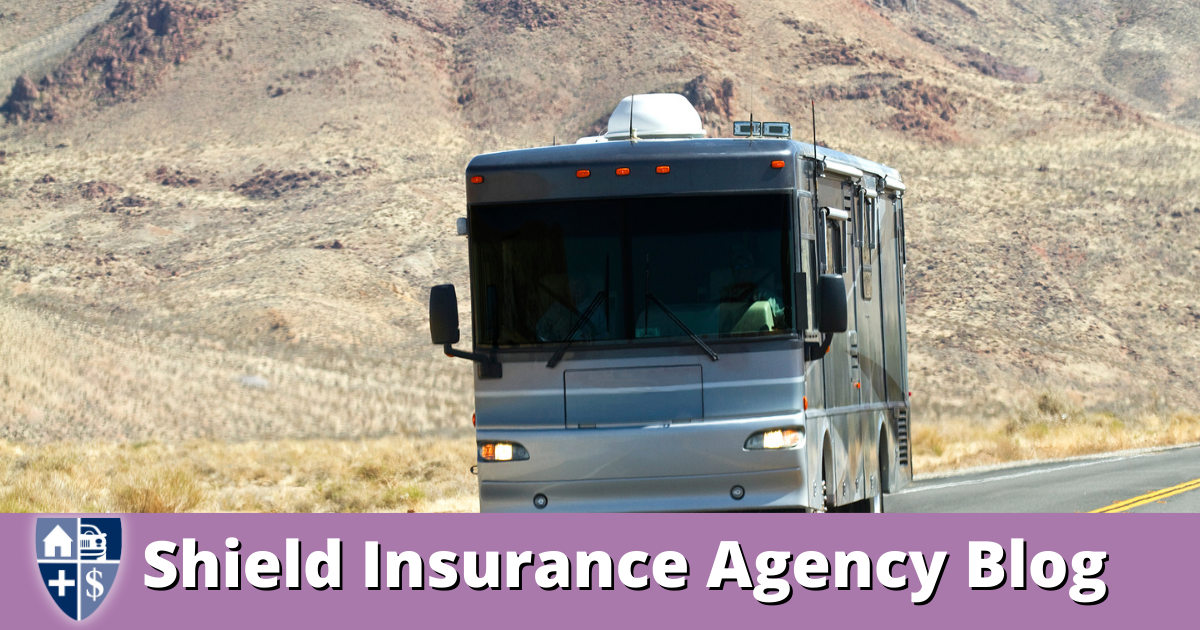
Road trip season is finally here and before you start packing for your next trip, it’s important to make sure you have the RV insurance coverage you’re looking for.

We spoke with a Senior Product Manager at Foremost Insurance to learn all about RV insurance and what types of things you should consider while shopping around. Overall, it’s a good idea to consider specialized coverage for your RV, since it functions as both a motorized vehicle and a home. Having coverage for both scenarios typically doesn’t come from just an auto or home policy.

Here are six frequently asked RV insurance questions you can ask your agent or broker when you are deciding what type of policy to purchase for your RV!

  1. Is my optional equipment covered?”Awnings, air conditioners, satellite dishes, LP tanks, and bike racks can all be damaged, so ask if these things are covered by your policy. Be sure to discuss whether the coverage applies only to originally affixed equipment or if it includes equipment that you attach after purchasing your RV. A good policy will give you a set amount of coverage included with your comprehensive coverage, with the ability to purchase more.”
  2. Is my personal property inside the motor home or travel trailer covered?”Chances are you are packing your camping, cooking, and other traveling equipment for your trip, including golf clubs or other things for entertainment. You can typically choose coverage for these items as part of a package. The one thing to double-check about personal property is sometimes your homeowner’s policy can have exceptions regarding coverage for personal property in a motorized vehicle. Your agent can help you figure out your best option.” To learn how to create a Personal Property Inventory read these helpful tips.
  3. What type of coverage is best for me—Replacement Cost or Actual Cash Value?”Replacement cost coverage protects your motor home from the effects of depreciation and usually isn’t available with an auto policy. With a Replacement Cost policy, if your new-model motor home is destroyed within a certain period of time after purchase, the insurance company will replace it with a brand new one of similar kind and quality. If your motor home is destroyed and you only have an Actual Cash Value policy, which is typically what you’d get with an auto policy, you will only be paid the current value of your motor home.”
  4. How much does RV insurance cost and what payment plans are available?”Whether you want to pay in full or in installments, having the flexibility to choose is an important option. Talk to your agent or broker. Insurance companies offer many different plans such as one-pay, four-pay, or twelve-pay options.”
  5. Is towing or roadside assistance available?”Towing and roadside assistance is a great coverage to have if your motor home or travel trailer breaks down and can include towing, jump starts, roadside service, flat tire changes, fuel delivery, and locksmith services. Specialized coverage is important and can exceed what you would get from an auto policy. You’ll want to be covered 24/7 by experts who have the equipment and parts to help with a bigger vehicle like an RV. Ask if coverage extends to any vehicles you may be towing behind you.”
  6. What about special coverages for full-timers or vacationers?”Some insurance companies offer these special coverages, which may cover full-timers when they are parked and using their RV as a residence. You can also ask about vacation liability, which may cover you in case you are found responsible for someone else’s injury in your RV while it’s parked. Again, exclusions in your homeowner’s policy may play into what type of coverage you want to purchase for your RV, so take this into consideration when you discuss your options.”

More blogs from Shield Insurance Agency
Read More
Things to consider before renting an apartment

Things to consider before renting an apartment

 Foremost | by Jenean McLoskey | Renting an apartment | Renters Insurance | Shield Self-Quoting Portal

It’s no secret that renting an apartment can be stressful. It can be hard to find the perfect one that meets your checklist, and that’s within your budget.

When I searched for my first apartment, I considered myself lucky when I found a dream dwelling right away! The walls were painted a deep olive green, granite countertops in the kitchen and I had my own bathroom, which is a big deal if you have a roommate. To make it even better, it was in a great location, and close to my job at the time. Before the landlord could even ask, I signed a year’s lease with my best friend. All seemed well until small fees started popping up on the contract and the rules of the property got longer and longer. That’s when I thought to myself, maybe I should have looked more into this renting thing before signing off my hard-earned money for a whole year.

All ended well with that apartment, but I moved out as soon as I could and learned a lot from the experience. Luckily, I’m here to share those tips and research with you!

When renting an apartment, here are a couple of things to focus on:

  1. Find out how to pay rent, and how late fees are calculated. Most properties nowadays have an electronic payment option and will charge a small fee for doing so. In that case, it may make sense to write a handwritten check your landlord.
  2. Will the maintenance workers enter your apartment without notice? Because you don’t own the apartment, some landlords have very loose rules on whether their employees have to tell you when they’re stopping by. Make sure your landlord will give you a heads-up before someone enters your apartment.
  3. What is their guest policy? Having a friend from an out-of-town stay over for a few nights is fine, but some landlords have policies against anyone staying longer than two weeks.
  4. Find out if you can sublet the apartment, or what the penalty is for breaking your lease. Life’s full of surprises, and you may run into a situation where you need to move ASAP. Some apartments are strictly against subletting, and it could be a serious breach of your contract. If you leave on bad terms, this could mean you just lost a future rental reference.
  5. Can you make changes to the apartment? Adding some fresh paint and putting your own personal touch on the apartment could end up costing you at some complexes.
  6. What utilities are included in the rent? This could make or break your decision on your ‘dream’ apartment. Renters are usually left to pay electric, gas, internet, and cable — but it’s different at every complex.
  7. Does the landlord require you to obtain renters insurance? Your landlord should tell you before you sign the lease whether they require you to have this. Renters insurance is important to have even if the landlord doesn’t require it.
  8. What is the parking situation? This is another big one. Find out if it’s included in your rent or not. If parking isn’t provided, what are the alternatives?

Finally, don’t be overwhelmed. Enjoy the apartment-hunting adventure and do your research before signing.


More blogs by Shield Insurance Agency

Read More
How to turn off home water supply

How to turn off home water supply

 Foremost Insurance Blog | by Niki King | Water Supply | Home Insurance | Self-Quoting Portal

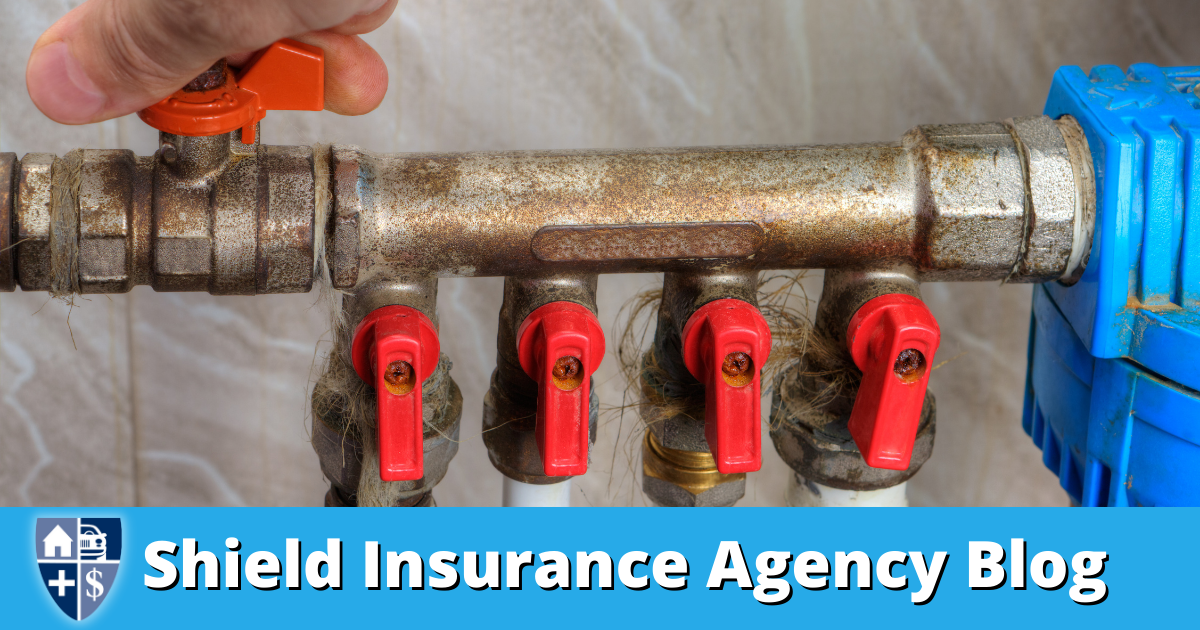
If your plumbing freezes, springs a leak, backs up, requires maintenance or you’ll be away from your house for a while, you may have to turn off the water supply for your home. Do you and everyone else in your household know how to do so? Consider these steps to help be prepared:

Find the Main Water Supply Shut-Off Valve

In most homes, this is located near the main water pipe leading into the home – typically the kitchen, downstairs, or utility room. In warmer areas, the valve may be outside on an exterior wall or buried near the road. If there is more than one valve, it’s most likely the closest to the inside plumbing, versus the one that’s closer to the street. There are several types of water valves used in home plumbing, so be sure you know which one is correct. Tip: Label the valve so it’s easy for everyone to locate! This could also be handy if someone else is staying in your home and needs to turn off the home water supply.

Shut the Water Supply Valve Off

Remember the saying “Righty tighty, lefty loosey?” It applies here as well, so turn the valve clockwise to cut off the water flowing into the home. If the valve is stiff or too tight to turn with your bare hands, we suggest wearing gloves to get more grip and protect your hands. If you still cannot twist the valve, consider calling a professional plumber.

Drain Remaining Water

Although the water supply is now turned off, there will still be water in the system that needs to drain out. People can do this by turning on all faucets (both hot and cold settings). Once the water stops flowing, they should turn the faucets off. Some appliances or fixtures with a reservoir may still have limited usage after shutting off and draining the water. For example, toilets could flush one more time. Tip: Consider collecting the water in a container to use for watering plants or other ways to avoid waste.

Wait/Perform Maintenance

Now it should be safe to make repairs or wait for the plumbing emergency to no longer be a concern, depending on the issue. It is recommended to call a professional plumber when you cannot handle a problem alone, don’t know how to fix the issue, or aren’t sure what the problem is.

Open the Water Supply Valve

Head to the main valve and turn it counterclockwise to get the water flowing again. Tip: It’s recommended to test shut-off valves twice a year to ensure proper operation. Catching a problem before it becomes a problem can save time, money, and a lot of stress in the long run.

Run Water Lines and Appliances

Turn on the faucets again for a few minutes to remove air from the pipes while the water refills the pipes, and test appliances that use water (dishwasher, washing machine, icemakers, etc.). If the water isn’t flowing or something isn’t working properly, be sure to call a professional.

Is your home covered in the event of a flood? Get a quote today by calling 616-896-4600 to speak with a licensed agent.


More great blogs by Shield Insurance

Read More
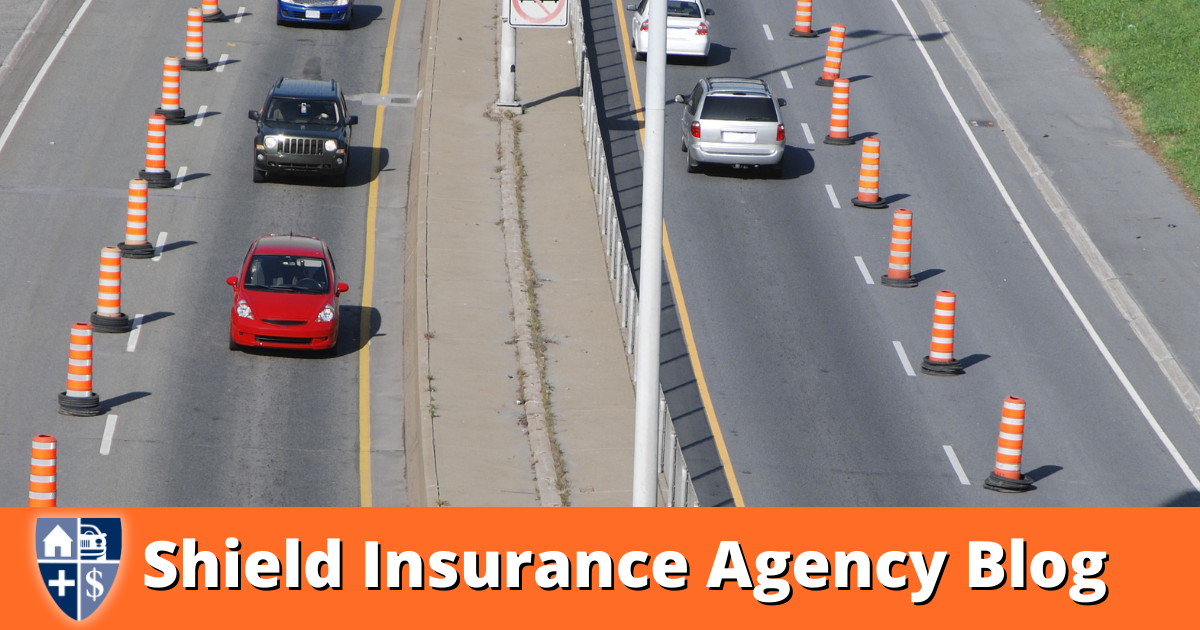
What to do when driving in a work zone

What to do when driving in a work zone

 Foremost | by Noelle Kimble | Work Zone | Auto Insurance | Self-Quoting with Shield

Once I see that the cars are slowing down, I always get frustrated and then I see that the cars are merging to one lane (way too late) and all that makes me think is, ugh…it must be road construction. I’m sure some of you have the same feelings and after researching this topic I feel very guilty. Not only are work zones good, because that means that our roads are being improved upon and made safer, but it also provides jobs to our economy.

So, why do I get so frustrated when I come upon a work zone? Impatience probably. Or maybe it’s that person who sped by everyone at the last minute and wants to merge in front of me, I’m sure you know the one. But, I do understand the importance of driving safely and being aware while I am in the work zone. Fines and tickets are usually double or triple, depending on your state, and very expensive. And, an even more important reason is that people are actually working in this area. I can’t imagine what it would be like to go to work every day on the road, where people are impatiently speeding by you. That’s why this week is Work Zone Awareness Week. To remind drivers, like me, to be aware and careful at these “places of business.”

The Department of Transportation offers 10 tips that should help with your awareness while driving through that oh-so-common work zone:

  1. Expect the unexpected. (Normal speed limits may be reduced, traffic lanes changed and people working very close to the road).
  2. Slow Down. (Speeding is the major cause of work zone crashes)
  3. Don’t tailgate. Keep a safe distance between you and the car ahead of you. (The rear-end collision is the most common crash in a highway work zone.)
  4. Keep a safe distance between your vehicle and construction workers.
  5. Pay attention to the signs. Enough said.
  6. Obey road crew workers.
  7. Stay alert and minimize distractions.
  8. Keep up with the traffic flow. (Don’t drive right up to the lane closure and then try to barge in.)
  9. Schedule enough time to drive safely and check for traffic information before you began your journey.
  10. Be patient and stay calm. (Work zones aren’t there to personally inconvenience you.)

More great blogs by Shield Insurance

Read More
Motorcycle routes: Must-ride hidden gems

Motorcycle routes: Must-ride hidden gems

Foremost Insurance Blog | by Kaitlin Cassell | Motorcycle Routes | Shield Insurance

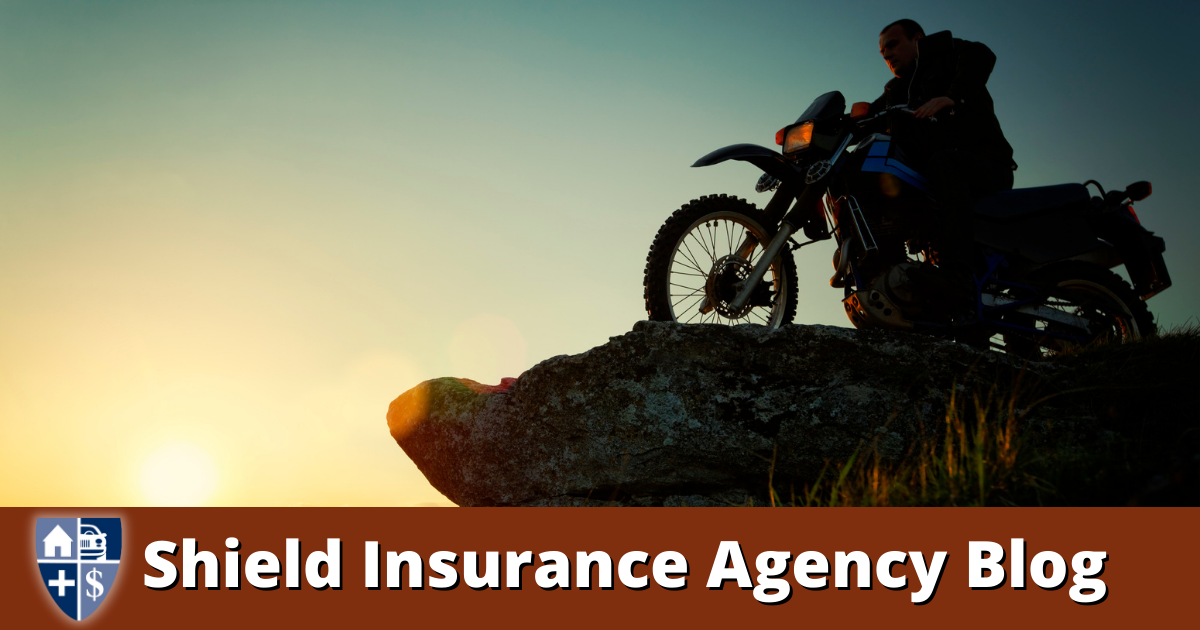
The best part about riding a motorcycle is being up close and personal with the scenery around you. It can be hard to find new places to take your bike and get the most out of every ride. If you are craving a new adventure, look no further! This list of routes highlights some lesser-known areas that are definitely worth a ride.

Cherohala Skyway

The Tail of the Dragon in North Carolina is a frequent #1 must-ride for bikers all across the U.S. With 318 curves in 11 miles, it is perfect for any thrill seeker. Bordered by the Great Smokey Mountains and Cherokee National Forest, it is breathtakingly beautiful and thrilling. The only downside is that its invigorating charm makes it one of the most crowded rides in the country.

Travel 25 minutes southeast and you will find Cherohala Skyway. This 43-mile-long ride is less busy and leads you through the mountains of North Carolina and the forests of Tennessee.

The lack of tourists and buildings makes Cherohala the perfect place to escape. There is no civilization for about 41 miles, except for a bathroom or two. If you are looking for a smooth ride with no distractions (other than nature’s overwhelming beauty), this is the ride for you.

Moonshiner 28 | Motorcycle Routes

Not too far from Cherohala, Moonshiner 28 offers an entirely different riding experience. The road features good food and plenty of places to stay during your trip. If you are looking for more action during your ride, Moonshiner 28 is for you.

This 103-mile ride extends from Deal’s Gap to Walhalla, South Carolina, cutting through Georgia along the way. You will encounter beautiful mountains, crashing waterfalls and several lakes on this spectacular route. You won’t want to miss it! Fun fact: Moonshiner 28 was once home to illegal moonshiners on the run from the law, hence the name. Stop at the (now legal) moonshine distilleries along the way to learn about the area’s rich history!

Beartooth Highway | Motorcycle Routes

Read more about motorcycle routes


Learn more from Shield Insurance Blogs

Read More
Tips on How to Negotiate a Used Car Price

Tips on How to Negotiate a Used Car Price

Foremost Insurance Blog | by Marrio Roberts Jr. | Used Car | Get a quote today from Shield Insurance

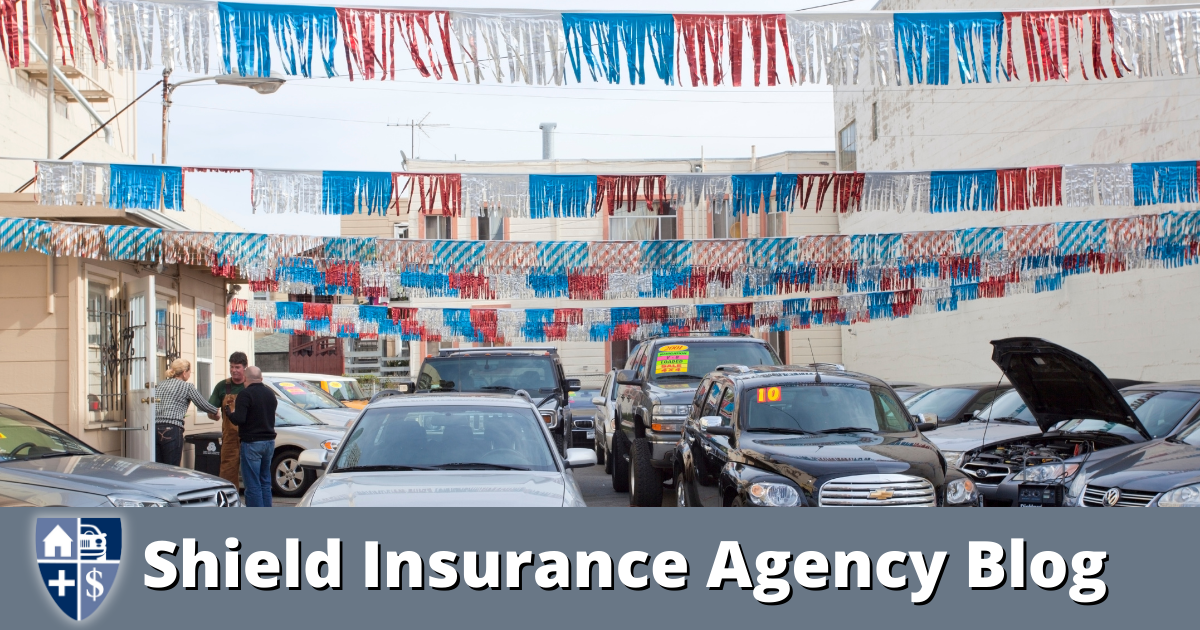
The sticker price on used cars usually isn’t the cheapest price the seller will accept. Whether you’re buying from a dealership or a private seller, their main goal is likely to make a profit. This means they will probably try to sell the car for more than it’s worth. Unfortunately, some people don’t know this, and they pay the asking price. Luckily, savvy buyers like you know better, and Foremost® is here to help you with some negotiating tips.

Here are a few steps to consider.

Find out the market value of the vehicle you want to buy.
You may want to know exactly how much a dealer will come down on the price of a used car. The answer is, it depends. Several factors, including the year, make and model of the vehicle, along with how much the seller paid for the car will determine how much they can come down.

As a starting point, you should find the market value of the vehicle you’re interested in. Sites like Kelley Blue Book can help with this. All you need to do is enter the year, make and model of the vehicle, along with your ZIP Code, and you’ll see what recent buyers in your area have paid for the same vehicle. If you see that people are paying $25,000 for a vehicle and the seller is asking for $30,000, you know you have some room to negotiate.

Consider making your initial offer for a used car lower than what you’re willing to pay.

A mistake you can make when negotiating a used car price is immediately telling the seller the maximum amount you’re willing to pay. Sellers rarely accept the first offer, much like you aren’t accepting their initial number.

If you tell the seller your max offer right away, they may assume that you’re willing to pay more.

Make smart counteroffers for a used car.

Read more about used car purchasing…


More great articles from Shield Insurance Agency
Read More
Umbrella Insurance

Three things to do when you’re interested in buying umbrella insurance

Umbrella Insurance | Shield Quoting Portal | Business Insurance

Umbrella insurance is great to have if you want total financial protection. Consumers on the market for umbrella insurance in Michigan can purchase the coverage they’re looking for from Shield Insurance Agency. 

It’s essential that you go through a few steps before you purchase an umbrella insurance policy.

The following are three things to do when you’re interested in buying umbrella insurance:

Research umbrella insurance so that you know what you’re getting

Misconceptions about umbrella insurance are common, so it’s important to do your research and make sure you completely understand umbrella insurance before purchasing a policy.

Remember that umbrella insurance protects you against liability expenses. This is not a type of insurance that insures your personal belongings like your vehicle. 

Determine what the total value of all your assets is

You’ll need to choose how much coverage to carry when you purchase umbrella insurance. It’s best if you have enough coverage to equal your net worth.

As part of preparing to buy umbrella insurance, it’s good to evaluate your assets and find out what your total net worth is. This will help you to choose the right amount of coverage. 

Shop around with different umbrella insurance providers

You’ll have options to pick from when you buy an umbrella insurance policy. You should explore your options so that you can get a policy that meets your specific needs. 

Research different umbrella insurance providers in your area and get quotes on policies from numerous companies so that you can compare. 

Give Us A Call

Once you’ve done all the things mentioned above, you can choose an umbrella insurance policy that’s right for you. Shield Insurance Agency can come to your assistance to get a quote on an umbrella insurance policy in Michigan. 


More great reads by Shield Insurance Agency

Read More