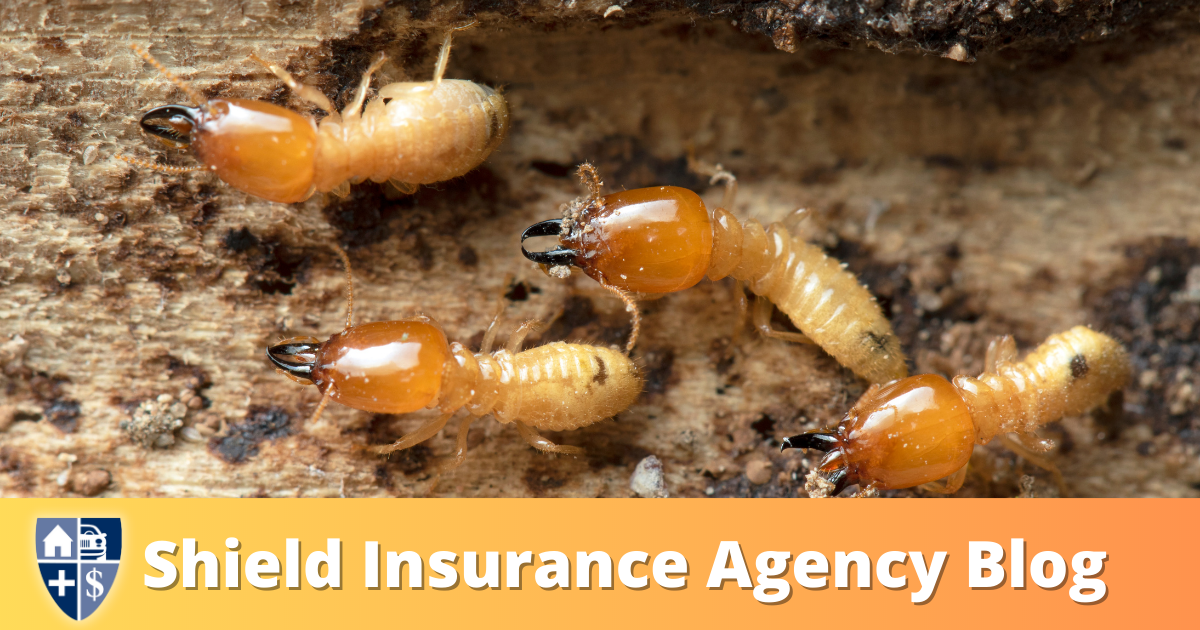
Insects That Live In Your House

Insects That Live In Your House

Reliant Pest Control | BY TREY CLAWSON | October 19, 2022 | Insects | Home Insurance | Start A Quote!

The Roommates You Never Knew About (A Deep Dive Into The Insects That Live In Your House)

Unless you’re an entomologist, the thought of sharing your home with insects might not be a pleasant one. But the truth is, there are probably more insects living in your house right now than you realize. 

In fact, the average home has more than 100 different types of bugs living in it!

So, let’s take a closer look at some of the most common insects you’ll find in your home so you can take pest control steps to get rid of them once and for all. 

Bedroom Hiding Spots for Insects

From the cracks in your floorboards to the gaps between your furniture, there are countless hiding spots for bugs to take refuge in your bedroom. Plus, bedrooms are often full of dust, which provides a food source for many types of insects. And finally, most bedrooms are located near other rooms in the house (such as the kitchen or bathroom), making it easy for pests to travel from one room to another.

Bathroom

The bathroom is one of the most commonly used rooms in any home, and it’s also one of the most likely places to find pests. From ants and cockroaches to spiders and silverfish, a variety of creatures are drawn to the humid, dark environments found in bathrooms. In many cases, these pests are simply looking for a source of water or shelter. However, they can also be attracted by the food left behind on counters and in sinks. 

Common Areas

Your living room is a gathering place for your family and friends. It’s also a common gathering place for bugs. Why are there so many bugs in your living room? There are a few reasons. 

First, your living room is usually one of the warmest rooms in your house. Bugs are attracted to warmth. Second, there are usually lots of food and water sources in your living room. Third, there are usually lots of hiding places in your living room. 

Finally, your living room is usually full of people coming and going. Bugs can hitch a ride into your living room on clothing or shoes.

Click here for the full story and some great graphics… |


Insurance Blogs and more

Read More
5 simple tips to maintain a healthy cash flow

5 simple tips to maintain a healthy cash flow

BIZ Journals.com | Oct 17, 2022 | cash flow | Shield Business Insurance | Shield Quoting Portal

Every business needs cash to grow. A healthy cash flow opens the door to new markets, new products and services, and expanded advertising and hiring, among other things.

In short, cash is the lifeblood of a business. If you want to improve your company’s cash flow management, there are five key areas to focus on.

1. Improve your cash flow visibility and control

The first step in improving any business system is evaluating where it is today. For cash flow management, that means understanding your cash inflows and outflows.

Does your revenue vary throughout the year, or is it steady from month to month?

Are your expenses predictable, or are there areas that need a larger cushion?

Which divisions show the highest profit margins?

Are there any “loss leaders” that require cash to support the rest of your operations?

This kind of visibility into your cash flow is important at every stage of business growth, but larger operations have a lot more moving parts. That can make it tough to monitor your business finances.

For example, are siloed departments paying twice for the same service because they don’t realize they could be splitting that cost? Is the insurance plan that started five years ago still the best plan for the company today?

As a business expands and more people have authority to spend, centralized finance teams can find it challenging to oversee expenses.

Entrepreneurs in the early stages of startup growth might get the insights they need from accounting software like QuickBooks alone, but more complex operations can benefit tremendously by adding business payments software, like BILL, to their fintech stack.

2. Limit cash outflows by trimming expenses

Once you have good visibility into your expenditures, you’ll start to see places where you can cut costs and improve your business’s cash flow by limiting outlays that aren’t adding value.

Cut outdated subscriptions

Review business services that bill monthly to make sure your company is still getting value out of them. As people come and go, it’s far too easy to keep paying bills without thinking about it.

Check for any of these cost-bloating culprits:

  • Multiple subscriptions to the same service.
  • Services that duplicate functionality.
  • Services that have lower-cost alternatives.

Compare alternative suppliers and vendors

Shop for new options regularly for everything from internet providers to insurance policies. Remember to check in with department heads to see which services they’re happy with and which ones leave something to be desired. Subpar services are great opportunities to try something better that might be cheaper, more efficient, or both.

Control your energy use

Are you lighting, heating or cooling your buildings even during off hours? Use timers and motion sensors to reduce energy usage when facilities aren’t occupied, and look for energy-efficient upgrades like LED lights or sustainable energy systems that can pay for themselves over time.

Reduce short-term and long-term liabilities

Most companies depend on business loans or other financing to pay for assets and invest in business growth, at least to some extent. Review your current and noncurrent liabilities to compare interest rates and usage.

For example, are you paying high-interest rates on credit card purchases you could finance a better way? Are there long-term loans you could refinance to your advantage?

As your company improves its financials, lenders will be more willing to offer better rates, especially if those improvements include greater cash flow visibility, transparency, and control.

Control cash flow expense accounts

Some of the toughest challenges in managing cash flow are expenses you don’t see until after the fact, like employee reimbursements. Bring expense accounts under control by setting specific budgets ahead of time.

Sound easier said than done? Tools like Divvy, a BILL spend and expense management solution, can help you set and stick to those budgets, so you can release any “cushions” you’ve been holding to cover unknown expense accounts and earmark those funds for other things.

Look for vendor discounts

Many suppliers offer discounts based on volume, early payment or contract length. Call your suppliers and service providers regularly to discuss your accounts and explore opportunities for improved payment terms.

3. Control the timing of your cash flow

Click here for the full story on Cash Flow…


More Blogs by Shield Insurance Agency

Read More
Group Life Insurance: An Employee Benefit

Group life insurance is a valuable employee benefit.

Shield Insurance Blog | Group Life Insurance |

Group Life Insurance is a type of insurance policy that provides coverage to a group of people, typically employees of a company or members of an organization. It is a popular benefit offered by employers to their employees as part of their employee benefits package. In this blog post, we will discuss the requirement, purpose, working, advantages and disadvantages, types, and companies that offer Group Life Insurance.

What is the Requirement for Group Life Insurance?

Group Life Insurance is not mandatory, but many employers offer it as part of their employee benefits package. It is a way for employers to attract and retain employees by providing them with valuable benefits. Additionally, some states require employers to offer Group Life Insurance to their employees if they offer other types of insurance benefits.

What is the purpose of Group Life Insurance?

The purpose of Group Life Insurance is to provide financial protection to the beneficiaries of the policy in the event of the insured’s death. The beneficiaries can be the insured’s family members, dependents, or anyone else designated by the insured. The death benefit is typically a multiple of the insured’s salary, and it can be used to pay for funeral expenses, outstanding debts, and other expenses.

How Does Group Life Insurance Work?

Group Life Insurance works by pooling the risk of the insured individuals. The premiums are paid by the employer, and the coverage is provided to all eligible employees. The premiums are based on the age, gender, and health of the group, and the death benefit is based on the insured’s salary. The policy is owned by the employer, and the insured individuals are covered as long as they are employed by the company and meet the eligibility requirements.

What Are the Advantages and Disadvantages?

The advantages of Group Life Insurance are that it is affordable, easy to obtain, and provides coverage to a large group of people. It is also a valuable benefit that can help attract and retain employees. The disadvantages are that the coverage is typically limited, and it may not be enough to meet the needs of all beneficiaries. Additionally, the coverage ends when the insured leaves the company, and it may not be portable.

What Types of Companies offer Group Life Insurance?

Many companies offer Group Life Insurance, including insurance companies, brokers, and agents. Shield Insurance Agency represents over 40 insurance companies and can help you find the best policy for your needs. Contact Shield Insurance Agency at (616) 896-4600 for a free quote today or start the quoting process by visiting this LINK and an agent will be in touch soon.

What Happens to Group Life Insurance Coverage After I Retire?

Group Life Insurance coverage typically ends when the insured leaves the company. However, some policies may offer a conversion option that allows the insured to convert their Group Life Insurance policy to an individual policy. The conversion option may be available for a limited time after the insured leaves the company, and the premiums may be higher than the group rates.

What Are the Types of Group Life Insurance?

There are two types of Group Life Insurance: term life insurance and permanent life insurance. Term life insurance provides coverage for a specific period, typically one to five years, and the premiums are based on the age and health of the group. Permanent life insurance provides coverage for the insured’s lifetime, and the premiums are based on the insured’s age, gender, and health. Permanent life insurance also has a cash value component that can be used to pay for expenses or as an investment.

In conclusion, Group Life Insurance is a valuable benefit that provides financial protection to the beneficiaries of the policy in the event of the insured’s death. It is affordable, easy to obtain, and provides coverage to a large group of people. However, the coverage is typically limited, and it may not be enough to meet the needs of all beneficiaries. Shield Insurance Agency represents over 40 insurance companies and can help you find the best policy for your needs. Contact Shield Insurance Agency at (616) 896-4600 for a free quote today or start the quoting process by visiting this LINK and an agent will be in touch soon.


Check out recent blogs by Sheld Insurance

Read More
Security Bond Insurance: The Guarantee your company needs.

Security bond insurance is the guarantee that your company requires.

Shield Insurance Blog | Security Bond Insurance | Start A Quote Today!

Security bond insurance is a type of insurance that guarantees the performance of a contract or the fulfillment of certain obligations. It provides protection to the party that requires the bond, known as the obligee, in case the other party, known as the principal, fails to meet their obligations. This type of insurance is commonly used in industries such as construction, real estate, and finance, where large sums of money are involved and there is a risk of non-performance.

What Does Security Bond Insurance Guarantee?

Security bond insurance guarantees that the principal will fulfill their contractual obligations. If the principal fails to do so, the obligee can make a claim on the bond and receive compensation for any losses incurred. This provides financial protection to the obligee and ensures that they are not left empty-handed in case of non-performance.

What are the Types of Security Bond Insurance?

There are several types of security bond insurance, each designed to cover different types of obligations. Some common types include:

  • Performance Bonds: These bonds guarantee that the principal will complete a project or contract according to the agreed-upon terms and specifications. If the principal fails to do so, the obligee can make a claim on the bond to cover any additional costs incurred to complete the project.
  • Payment Bonds: These bonds guarantee that the principal will pay subcontractors, suppliers, and laborers involved in the project. If the principal fails to make the necessary payments, the obligee can make a claim on the bond to cover the outstanding amounts.
  • Bid Bonds: These bonds are often required in the bidding process for construction projects. They guarantee that the principal will enter into a contract if their bid is accepted. If the principal fails to do so, the obligee can make a claim on the bond to cover any additional costs incurred in awarding the contract to another bidder.

Who Should Consider Security Bond Insurance?

Security bond insurance is typically required by the party that is at risk of non-performance, such as the owner of a construction project or the recipient of a loan. However, it can also be beneficial for principals who want to demonstrate their financial stability and reliability to potential clients or lenders. In some cases, government agencies may also require security bond insurance for certain types of projects.

What’s Excluded from Security Bond Coverage Insurance?

While security bond insurance provides valuable protection, it does not cover all types of losses or liabilities. Some common exclusions include:

  • Intentional misconduct or fraud by the principal.
  • Losses caused by factors beyond the control of the principal, such as natural disasters or acts of war.
  • Losses resulting from the principal’s failure to comply with legal or regulatory requirements.

It is important to carefully review the terms and conditions of the bond insurance policy to understand what is covered and what is excluded.

What Happens if a Claim is Paid by the Surety?

If a claim is paid by the surety, the principal is typically responsible for reimbursing the surety for the amount paid out. This is known as indemnification. The principal may also face additional consequences, such as higher premiums or difficulty obtaining future bonds if they have a history of claims.

What are Examples of Surety Bonds?

Some examples of surety bonds include:

  • Contractor License Bonds: These bonds are required for contractors to obtain a license and operate legally. They guarantee that the contractor will comply with all applicable laws and regulations.
  • Court Bonds: These bonds are required in legal proceedings to ensure that a party will fulfill their obligations, such as paying a judgment or providing security for costs.
  • Fidelity Bonds: These bonds protect employers from losses caused by employee dishonesty, such as theft or fraud.

Affordable Protection with Shield Insurance Agency

If you are in need of security bond insurance, Shield Insurance Agency can help. As an independent insurance agency, Shield Insurance Agency represents over 40 insurance companies, allowing us to find the best coverage at the most affordable rates. Contact Shield Insurance Agency at (616) 896-4600 for a free quote today or start the quoting process by visiting this LINK and an agent will be in touch soon. Don’t leave your financial security to chance – let Shield Insurance Agency provide you with the protection you need.


More Articles by Shield Insurance Agency

Read More
Professional Liability Insurance, also known as Errors and Omissions (E&O) Insurance

Professional Liability Insurance, also known as Errors and Omissions (E&O) Insurance

Shield Insurance Blogs | Professional Liability Insurance | Contact an Agent today!

Professional Liability Insurance, also known as Errors and Omissions (E&O) Insurance, is a type of insurance that provides protection to professionals against claims of negligence, errors, or omissions in their work. This type of insurance is essential for professionals who provide services to clients, as it can protect them from financial losses resulting from lawsuits or legal claims.

What Does Professional Liability Insurance Protect?

Professional Liability Insurance protects professionals from claims of negligence, errors, or omissions in their work. This type of insurance covers legal fees, court costs, and damages awarded to the claimant in the event of a lawsuit. It also covers the cost of settlements and judgments against the professional.

What are the Types of Professional Liability Insurance?

There are several types of Professional Liability Insurance, including:

1. Medical Malpractice Insurance: This type of insurance is designed for healthcare professionals, including doctors, nurses, and other medical practitioners. It provides protection against claims of medical malpractice, such as misdiagnosis, surgical errors, and medication errors.

2. Legal Malpractice Insurance: This type of insurance is designed for lawyers and law firms. It provides protection against claims of legal malpractice, such as negligence, breach of contract, and conflicts of interest.

3. Errors and Omissions Insurance: This type of insurance is designed for professionals who provide services to clients, such as consultants, accountants, and real estate agents. It provides protection against claims of negligence, errors, or omissions in their work.

Who Should Consider Professional Liability Insurance?

Any professional who provides services to clients should consider Professional Liability (E&O) Insurance. This includes doctors, lawyers, accountants, consultants, real estate agents, and other professionals who provide services to clients. Without this type of insurance, professionals are at risk of financial losses resulting from lawsuits or legal claims.

What’s not Covered by Errors and Omissions Insurance?

While Professional Liability (E&O) Insurance provides protection against claims of negligence, errors, or omissions in their work, there are some things that are not covered by this type of insurance. These include:

1. Intentional Misconduct: Professional Liability (E&O) Insurance does not cover intentional misconduct, such as fraud or criminal acts.

2. Property Damage: Professional Liability (E&O) Insurance does not cover property damage caused by the professional’s work.

3. Bodily Injury: Professional Liability (E&O) Insurance does not cover bodily injury caused by the professional’s work.

What Does Professional Liability (E&O) Insurance Cost?

The cost of Professional Liability (E&O) Insurance varies depending on several factors, including the type of profession, the level of risk, and the amount of coverage needed. However, it is generally affordable and can provide valuable protection to professionals. Shield Insurance Agency represents over 40 insurance companies and can help professionals find affordable and comprehensive Professional Liability (E&O) Insurance coverage.

Protection

Professional Liability (E&O) Insurance provides protection to professionals against claims of negligence, errors, or omissions in their work. This type of insurance can provide financial protection in the event of a lawsuit or legal claim, which can help professionals avoid financial losses and protect their reputation.

Shield Insurance Agency represents over 40 insurance companies

Shield Insurance Agency represents over 40 insurance companies, which means they can help professionals find the best coverage at the most affordable price. With access to a wide range of insurance options, Shield Insurance Agency can help professionals find the right coverage to meet their needs.
Contact Shield Insurance Agency at (616) 896-4600 for a free quote today or start the quoting process by visiting this LINK and an agent will be in touch soon.

If you are a professional who provides services to clients, it is essential to have Professional Liability (E&O) Insurance. Shield Insurance Agency can help you find affordable and comprehensive coverage to protect you from financial losses resulting from lawsuits or legal claims. Contact Shield Insurance Agency at (616) 896-4600 for a free quote today or start the quoting process by visiting the link provided and an agent will be in touch soon.


More blogs by Shield Insurance Agency

Read More
Business Liability Insurance will Protect Your Company

Securing liability insurance is a crucial step in protecting your business.

Shield Insurance Blog | Business Liability Insurance | Call or Text to 616-896-4600

As a business owner, you know that running a successful company requires a lot of hard work and dedication. However, no matter how careful you are, accidents can happen, and mistakes can be made. That’s why it’s essential to have business liability insurance to protect your company from potential lawsuits and financial losses.

What Does Business Liability Insurance Protect?

Business liability insurance, also known as commercial liability insurance, is designed to protect your company from financial losses resulting from lawsuits or claims made against your business. This type of insurance covers a wide range of risks, including bodily injury, property damage, and advertising injury.

For example, if a customer slips and falls in your store, your business liability insurance would cover the medical expenses and any legal fees associated with the incident. Similarly, if a product you sell causes harm to a customer, your insurance would cover the costs of any resulting lawsuits.

What are the Types of Business Liability Insurance?

There are several types of business liability insurance, each designed to protect your company from different types of risks. The most common types of business liability insurance include:

General Liability Insurance: This type of insurance covers bodily injury, property damage, and advertising injury claims made against your business.

Professional Liability Insurance: Also known as errors and omissions insurance, this type of insurance protects your business from claims of negligence or mistakes made by your company or employees.

Product Liability Insurance: This type of insurance covers claims made against your business for injuries or damages caused by products you sell.

Employment Practices Liability Insurance: This type of insurance protects your business from claims of discrimination, harassment, or wrongful termination made by employees.

What are Common Questions About Business Liability Insurance?

As a business owner, you may have several questions about business liability insurance. Here are some of the most common questions:

Do I need business liability insurance if I have a small business?

Yes, even small businesses need liability insurance. Accidents can happen to anyone, and without insurance, your business could be at risk of financial ruin.

How much does business liability insurance cost?

The cost of business liability insurance varies depending on several factors, including the size of your business, the type of industry you’re in, and the level of coverage you need. However, Shield Insurance Agency represents over 40 insurance companies and can help you find an affordable policy that meets your needs.

What Type of Companies Need Business Liability Insurance?

Any company that interacts with customers or clients should have business liability insurance. This includes businesses in industries such as retail, hospitality, healthcare, and professional services.

What Are the Key Takeaways?

In summary, business liability insurance is essential for protecting your company from potential lawsuits and financial losses. There are several types of business liability insurance, each designed to protect your business from different types of risks. Even small businesses need liability insurance, and Shield Insurance Agency can help you find an affordable policy that meets your needs.

Contact Shield Insurance Agency at (616) 896-4600 for a free quote today or start the quoting process by visiting this LINK and an agent will be in touch soon. Don’t wait until it’s too late – protect your business with liability insurance today.


Visit Recent Blogs by Shield Insurance Agency

Read More

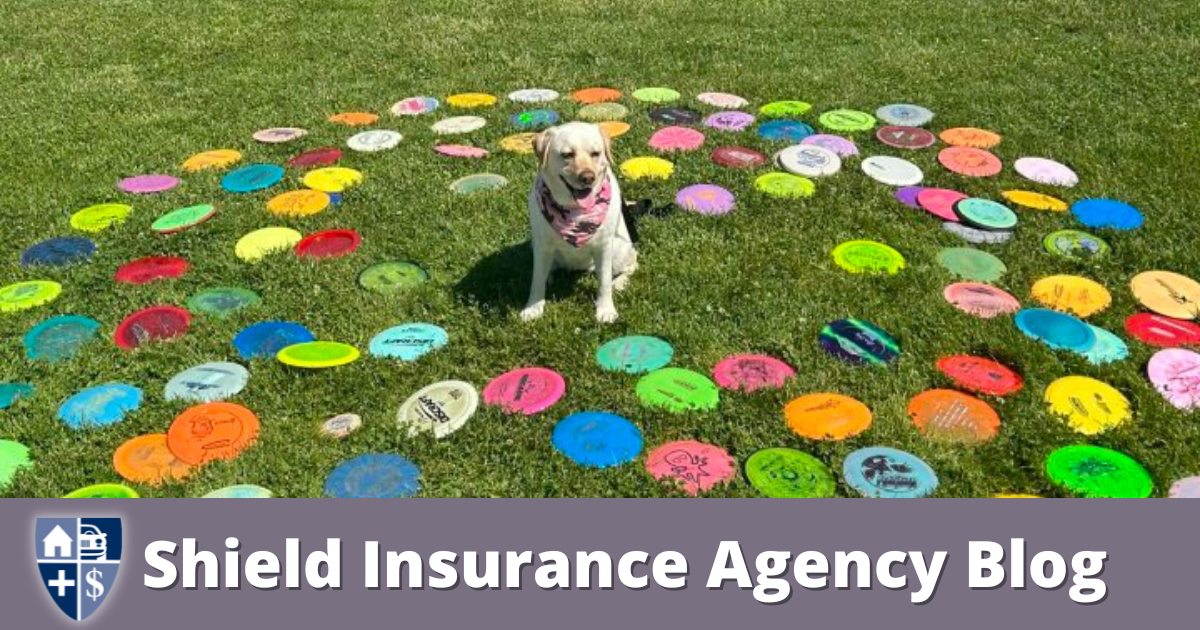
A dog recently found over 150 golf discs in the area.

Local Dog Finds Over 150 Golf Discs, Raises Money For Shelter And Park

SunnySkyz | June 27, 2023 | Golf Discs | Pet Insurance | Meet the Agents of Shield Insurance

A dog in Moundsville, West Virginia, has captured the attention and admiration of the community by single-handedly finding over 150 lost golf discs at a popular park.

Unclaimed discs will be on sale, with proceeds going to the park.

Daisy is a four-year-old Labrador Retriever who loves going on walks with her owner, Kelly Mason, at Grand Vue Park.

Every day, they walk about five miles through the park. Sometimes, Daisy goes on her own adventure and returns with a souvenir.

“Daisy, my yellow Labrador retriever has a nose for finding discs,” Mason told WTRF. “We will be walking through the park and her nose will go up. She can smell ’em, and she just goes off. She could go off 30 yards through the multiflorosa, the high weeds. And here she comes with a disc.”

Since she found her first disc about three years ago, Daisy has retrieved 155 of them with no plans of stopping anytime soon.

The park recently teamed up with Mason to create a program called “Daisy’s Discs”.

“Normally when park staff finds them or when our park guests find them, all of them are turned into the into the barn area,” says Ben Bolock, the assistant general manager at Grand Vue Park. “Some discs that have names on them, we call them, and people are able to come and pick them up. During that time, they can make a donation to Daisy’s Discs and that that money will fund the Marshall County Animal Rescue League. If discs are found and there’s no name on them and we’ve had them for a long period of time, and nobody has claimed them, the park will sell them for a very low amount and that money will go back into the disc golf course.”

Watch the good news video below from WTRF Chanel 7

Read More
General Liability Insurance also known as Commercial General Liability (CGL)

General Liability Insurance aka Commercial General Liability (CGL)

Shield Insurance Agency Blog | General Liability Insurance | Email to start a Quote! | Or click here

General Liability Insurance, also known as Commercial General Liability (CGL), is a type of insurance that provides protection to businesses against claims of bodily injury, property damage, and personal injury. It is a crucial component of any business insurance policy, as it provides coverage for a wide range of risks that businesses face on a daily basis.

What is general liability business insurance?

General liability business insurance is a type of insurance that provides coverage for a variety of risks that businesses face. It is designed to protect businesses from claims of bodily injury, property damage, and personal injury that may arise from their operations. This type of insurance is essential for businesses of all sizes, as it provides protection against a wide range of risks that can result in costly lawsuits and legal fees.

What does commercial general liability insurance cover?

Commercial general liability insurance covers a wide range of risks that businesses face on a daily basis. Some of the most common risks that are covered by this type of insurance include:

  • Bodily injury: This type of coverage provides protection against claims of bodily injury that may arise from accidents that occur on your business premises or as a result of your business operations.
  • Property damage: This type of coverage provides protection against claims of property damage that may arise from accidents that occur on your business premises or as a result of your business operations.
  • Personal injury: This type of coverage provides protection against claims of personal injury, such as libel, slander, or defamation, that may arise from your business operations.
  • Advertising injury: This type of coverage provides protection against claims of advertising injury, such as copyright infringement or false advertising, that may arise from your business operations.

How does general liability insurance coverage work?

General liability insurance coverage works by providing protection to businesses against claims of bodily injury, property damage, and personal injury. If a claim is made against your business, your insurance company will investigate the claim and provide legal representation if necessary. If the claim is found to be valid, your insurance company will pay for any damages that are awarded to the claimant, up to the limits of your policy.

What are examples of what is covered by commercial general liability insurance?

Commercial general liability insurance covers a wide range of risks that businesses face on a daily basis. Some examples of what is covered by this type of insurance include:

  • Slip and fall accidents: If a customer slips and falls on your business premises, your general liability insurance will provide coverage for any injuries that they may sustain.
  • Property damage: If your business operations cause damage to someone else’s property, your general liability insurance will provide coverage for any damages that are awarded to the property owner.
  • Product liability: If your business sells a product that causes injury or damage to a customer, your general liability insurance will provide coverage for any damages that are awarded to the customer.
  • Libel and slander: If your business is accused of libel or slander, your general liability insurance will provide coverage for any damages that are awarded to the claimant.

What type of companies need general liability insurance?

All types of companies, regardless of size or industry, need general liability insurance. This type of insurance provides protection against a wide range of risks that businesses face on a daily basis, and can help to protect your business from costly lawsuits and legal fees. Some examples of businesses that need general liability insurance include:

  • Retail stores
  • Restaurants
  • Contractors
  • Manufacturers
  • Service providers

Affordable Protection with Shield Insurance Agency

At Shield Insurance Agency, we understand the importance of protecting your business from the risks that it faces on a daily basis. That’s why we offer affordable general liability insurance coverage that provides protection against a wide range of risks. As an independent insurance agency, we represent over 40 insurance companies, which allows us to find the best coverage at the best price for your business.

Contact Shield Insurance Agency at (616) 896-4600 for a free quote today or start the quoting process by visiting this LINK and an agent will be in touch soon. We are committed to providing our clients with the protection and peace of mind that they need to run their businesses with confidence.


More interesting blog articles by Shield Insurance Agency

Read More
Curious Orangutan Uses Hand Gestures in a Quest to Look Inside Woman’s Purse

Curious Orangutan Uses Hand Gestures in a Quest to Look Inside Woman’s Purse

Good News Network | By Andy Corbley | Jun 14, 2023 | Curious Orangutan | Travel Insurance

When Amber the curious orangutan met a visitor called Taylor, her day became focused on a single objective—finding out what was inside her purse.

Filmed at the Louisville Zoo in Kentucky, the Curious Orangutan’s gestures are simply too human to believe, such as gesturing with her index finger like an overly proud security guard at a concert security screening.

Then, lifting her chin as if she were trying to look over a ledge, it becomes clear to Taylor she’s interested in what’s inside her small shoulder bag.

A curious Orangutan Notices the bag of Candy

As she begins to rifle through it on Amber’s behalf, the orangutan spots a bag of sweets and immediately knows that’s what she wants.

The whole interaction is amazing as she walks to the edge of the enclosure and begins to show Taylor how she can give him the sweets through the keeper’s area.

WATCH the whole video of the Curious Orangutan below… 

From Wikipedia, the free encyclopedia

This article is about the group of primates. For other uses, see Orangutan (disambiguation).

Orangutans are great apes native to the rainforests of Indonesia and Malaysia. They are now found only in parts of Borneo and Sumatra, but during the Pleistocene they ranged throughout Southeast Asia and South China. Classified in the genus Pongo, orangutans were originally considered to be one species. From 1996, they were divided into two species: the Bornean orangutan (P. pygmaeus, with three subspecies) and the Sumatran orangutan (P. abelii). A third species, the Tapanuli orangutan (P. tapanuliensis), was identified definitively in 2017. The orangutans are the only surviving species of the subfamily Ponginae, which diverged genetically from the other hominids (gorillaschimpanzees, and humans) between 19.3 and 15.7 million years ago.

See more pics…


Check out recent blogs by Shield Insurance Agency

Read More
The 'World's Most Dangerous Instrument': The Glass Armonica

The ‘World’s Most Dangerous Instrument’: The Glass Armonica

Shield Blog | SunnySkyz.com | June 5, 2023, | Glass Armonica | Start an Insurance Quote Today!

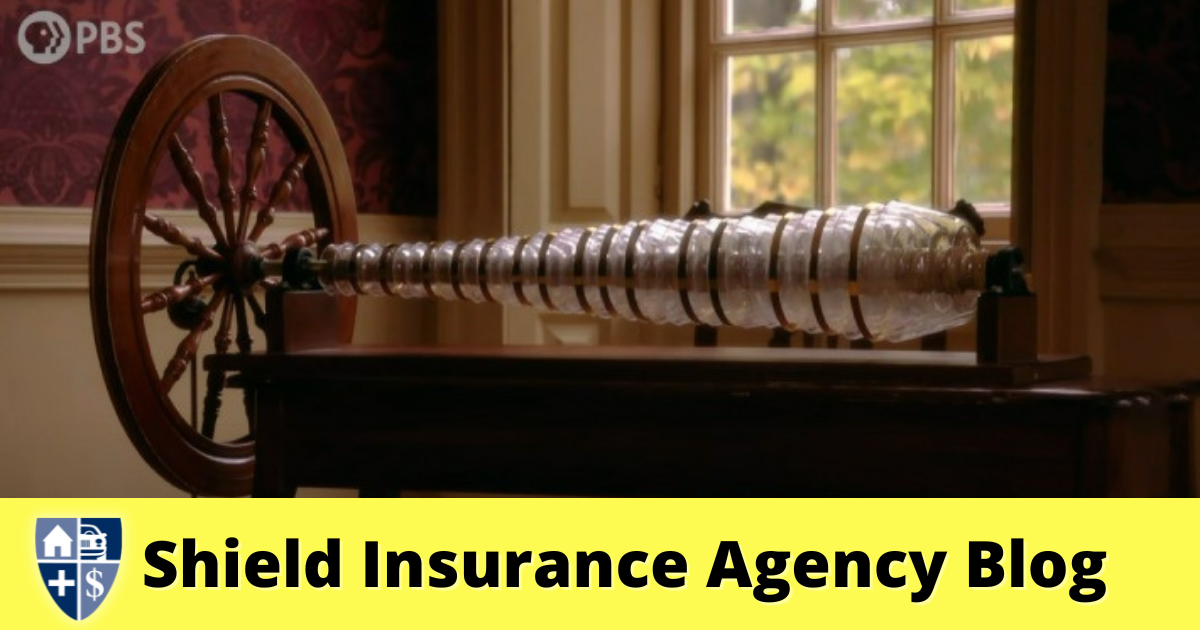
The glass armonica, also known as a glass harmonica or simply armonica, is a musical instrument that produces sound by rubbing glass or crystal bowls or goblets with wet fingers.

It was invented by Benjamin Franklin in 1761

The instrument consists of a series of glass or crystal bowls or goblets of varying sizes, mounted horizontally on a spindle. The bowls are arranged in order of size, with the largest bowl on one end and the smallest on the other.

Franklin came up with the idea after attending a concert in Cambridge. The performer was rubbing the rims of wine glasses to produce musical notes.

Franklin thought that was inefficient. Why move your arms when you can move the glasses?

So, he hired a London glassmaker to construct 36 bowls of specific thicknesses and sizes. He mounted the bowls horizontally on a spindle with the largest bowl on one end and the smallest on the other.

In this way, the musician can play the glass bowls like a keyboard.

Watch a demonstration of the Glass Armonica.

World’s Most Dangerous Instrument?

The glass armonica became popular during the late 18th and early 19th centuries. Mozart and Beethoven both composed chamber pieces for it.

But by the 1820s, it was nearly a forgotten instrument amid fears that it had the power to drive the listener insane.

Some Armonica players became ill and had to stop playing the instrument. They complained of muscle spasms, nervousness, cramps, and dizziness. A few listeners were also subject to ill effects. The instrument was actually banned in a few towns.

“Some people thought that the high-pitched, ethereal tones invoked the spirits of the dead, had magical powers, or drove listeners mad,” the Franklin Institute said. “Others thought that lead from the crystal bowls or paint was absorbed into the musicians’ fingers when they touched the glass, causing sickness.”

One example of alleged effects from playing the glass harmonica was noted by German musicologist Johann Friedrich Rochlitz.

“The armonica excessively stimulates the nerves, plunges the player into a nagging depression and hence into a dark and melancholy mood that is an apt method for slow self-annihilation.”

However, no explanation or proof was ever really given to any of these claims. Franklin himself ignored all of the controversies and continued to play the instrument until the end of his life

See some great pics…


Check out recent blogs by Shield Insurance Agency!

Read More