What commercial insurance is required in Michigan?

Protecting your business takes the right commercial insurance. Your policy can be customized by your insurance agent to give you all the protection you need and none that doesn’t apply to your business. At Shield Insurance Agency in Michigan, we have the commercial insurance policy experience you are looking for. We will make sure you have the commercial insurance mandated by the state of Michigan. 

Mandated insurance

Commercial auto insurance

In the state of Michigan, all business-owned vehicles must be covered by commercial auto insurance. The required amount of commercial auto insurance you must carry is 20/40/10. That is $20,000 for injuries to one person in an accident with a total of $40,000 for the entire accident with $10,000 property damage. While this is the required amount, it may not be the correct amount for your business. 

Workers’ compensation insurance

If your business has one or more full-time employees, you must have workers’ compensation insurance. 

While these are the mandated commercial insurances, they are not the only ones that can benefit your business. 

Not Mandated but a good idea

Commercial liability insurance

Between 36% and 53% of small businesses are sued every year. That means that your chance of being involved in litigation is pretty high. Not only could there be a judgment against you, but you would also be responsible for the legal fees that go along with defending yourself. Commercial liability insurance can make the difference between surviving and having to close your doors. 

Commercial property insurance

If a covered peril hits your business, it could destroy everything you need to do business. Your inventory, your machinery, your raw materials, your office equipment, and your records. Without commercial property insurance would you be able to replace all these things and get back to work? If the answer is no, this is the insurance you need. 

Contact Shield Insurance Agency in Michigan when you are ready to customize your commercial insurance.


Check out more great articles at Shield Agency

Read More

8 Lasting Changes Experts Think We’ll See In Kids After This ‘Lost’ Year

The COVID-19 pandemic changed all of our lives, but for developing kids, its impact may have more long-term effects.

By Caroline Bologna | 07/28/2021 04:52pm EDT | Huffpost.com

“Every kid’s experience of the pandemic is different based on their temperament and their home life,” Jacqueline P. Wight, director of mental health services at DotCom Therapy, told HuffPost. “Many children have experienced mental health challenges, and we anticipate that for some of these children, there will be lasting effects. For others, the challenges were more situational and will subside as life returns to normal.”

There’s no easy way to know which camp your child may fall into, but parents can take note as the situation evolves.

“Children are starting to experience the ripple effects from the collective trauma of the pandemic, and the long-term implications of this ‘lost’ pandemic year may not be fully understood for years to come,” said licensed clinical social worker Nidhi Tewari.

“The good news is that children ― and humans in general ― are resilient beings, and we will begin to recalibrate as the threat of COVID-19 dissipates in the coming months and years,” she added. “If we take steps to attend to our mental health and well-being now, then we can mitigate some of the long-term impact of this pandemic.”

Widening Inequality

Click here for the rest of the story…


Check out the other great articles at the Shield Blog!

Read More

The rise of modular construction

The rise of modular construction: the pros and cons of modular builds and how to reduce your risk

Modular construction is on the rise, and it’s not just for small-scale builds anymore. In 2016 the first modular skyscraper—made from 930 prefabricated units—opened its doors to residents in Brooklyn, New York. Research suggests the modular construction industry will continue to grow by nearly 6 percent between 2020 and 2025.

Why is modular construction becoming a trend? Contractors cite the perks of a controlled building environment, significant cost savings, and shorter build times. But like any project, prefab construction brings along its own unique challenges. In this article, we’ll take a closer look at the pros and cons of modular construction and share strategies that could help reduce your risk when taking on a modular build.

Four benefits of modular construction

1. It’s fast.

Because the majority of the building happens off site, modular construction is significantly faster than traditional builds. Construction of the modules can happen concurrently to on-site building, which cuts down build times considerably. The factory environment and standardization of the build also mean contractors can take advantage of automation to speed up build time drastically and avoid weather delays or on-site changes that slow down the project. According to McGraw Hill, modular construction cut down build times for 66 percent of building professionals, with nearly 35 percent reporting that they saved more than a month on a single project.  

2. It’s more environmentally friendly.

Creating modules in a factory environment cuts down construction site waste significantly because it is more controlled, more automated, and more flexible. Construction companies don’t have to worry about damage to materials from poor air quality or weather. They can even refurbish modules that are damaged or no longer in use. The same research by McGraw Hill shows that 77 percent of contractors reduced waste by switching to modular construction.

3. It’s safer for workers.

Indoor construction environments are typically less hazardous than their traditional, outdoor counterparts—and that’s good news for construction workers. In a factory environment, workspaces can be designed ergonomically to reduce regular wear and tear on the body. The controlled environment means better air quality, access to tools, lighting, and more.

4. It’s cost-effective.

One of the biggest perks of modular construction is cost-effectiveness. With less waste, a more efficient building process, and greater reliance on automation, modular builders save money on materials and labor. And the factory environment reduces the risk of theft and vandalism on project sites, saving even more money and time. McGraw Hill reports that 41 percent of builders lowered their costs by as much as 6 percent by shifting to a modular model.

Addressing modular construction challenges

Click here for the rest of the story

Read More

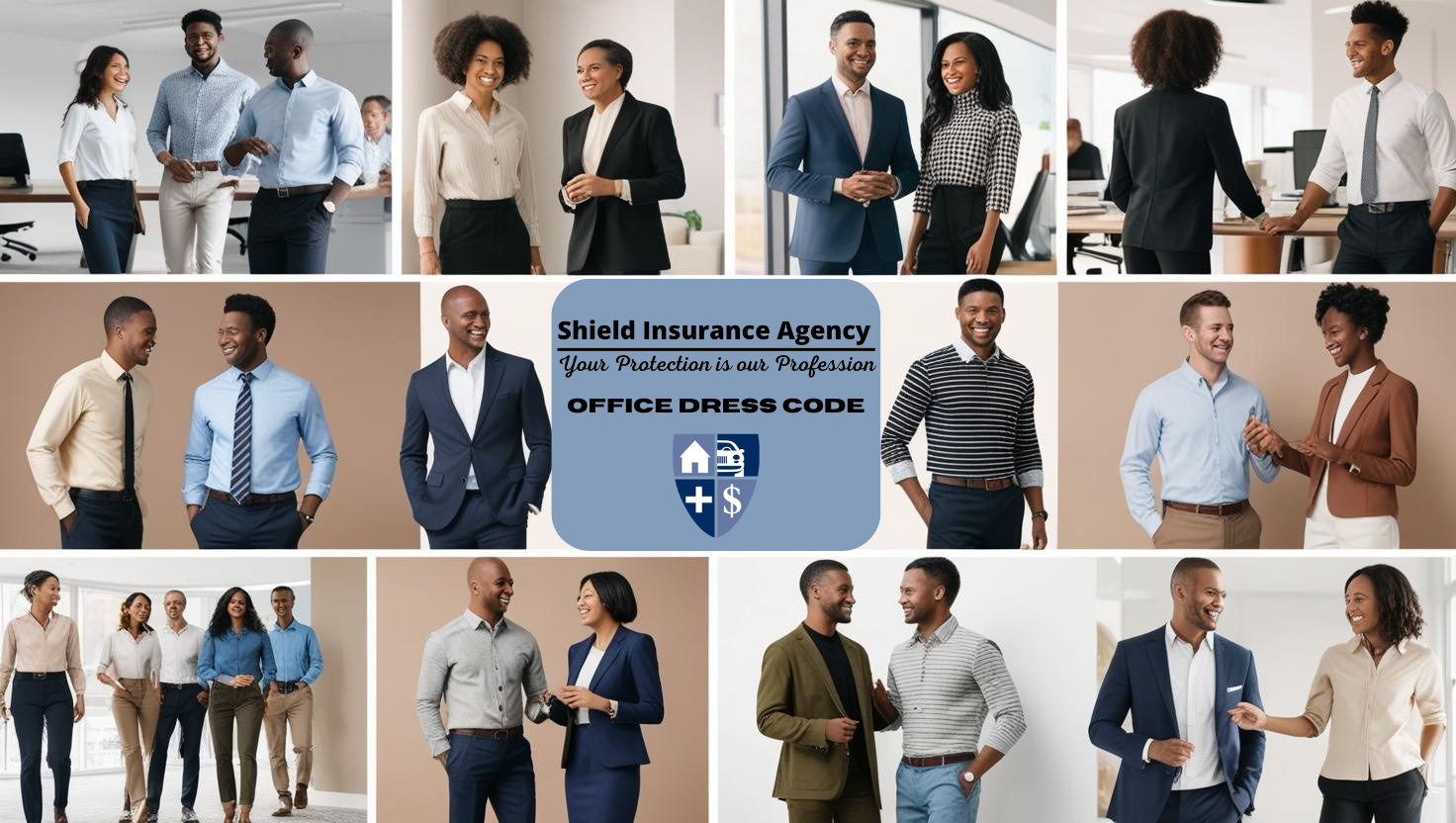
Is the formal ‘suited and booted’ office dress code extinct?

By Bryan Lufkin | 15th July 2021 | BBC

We’ve been drifting away from formal office dress codes for years. The pandemic may have finished them off for good.

If you didn’t buy any new clothes during the pandemic, you’re far from alone.

In the UK, clothing sales plummeted 25% in 2020, the largest annual drop since record-keeping began 23 years ago. The picture was similar in the US, where fashion companies saw a 90% decline in profit in 2020. Particularly hard hit was the business-fashion sector, as workers swapped offices for their homes, in-person meetings for Zoom – and downgraded their outfits accordingly.   

Now, as vaccine rollouts move many countries closer to returning to the office, many of us may be realising it’s time to sideline our athleisure and slip into something a little more presentable.

This realisation might be particularly acute, and indeed unwelcome, for people employed in sectors where formal attire – like business suits, ties and high-heels – is more common. Yet we’ve been drifting away from these kinds of office dress codes for years, and experts believe that the pandemic will have further reduced the need for this kind of attire.

As we transition to the post-pandemic era and its new forms of flexible work, companies may well focus more on functionality – and care even less about staff showing up in formal office wear.

Formality’s rise and fall

It’s abundantly clear that the pandemic has accelerated a long-standing discussion around whether business attire is still relevant. Lockdowns were barely a few weeks old before we began prognosticating about the future of slacks and blazers. By May, we were already debating why the office dress code should never come back, or whether the suit was finally dead.

At first, some experts encouraged us to dress up for work video calls anyway, as it could bolster our mental health and increase our sense of purpose and productivity. (Most of us dropped that pretty quickly, though). Instead, during the past 18 months, most of us have worn what’s comfortable – and the overall consensus is that we’ve been pretty productive, regardless.

That’s a far cry from the idea that to do your best work – and cultivate the best impression – you need to look the part. That kind of thinking dates back to the Victorian era, when professional, educated and wealthy men wore wardrobes of velvet and fur, which signaled status and influence.

Raissa Bretaña, fashion historian and adjunct professor of art history at the Fashion Institute of Technology in New York City, says that from the 19th Century to the post-war years, tailormade suits were the norm for both working men and men of leisure – and, eventually, women of the same classes. “It was only in the later part of the 20th Century – when dress became more casual and democratic – that the idea of the ‘business suit’ became almost exclusively associated with white collar workwear,” says Bretaña.

Our obsession with business suits peaked sometime in the 1980s, with the rise of the ‘power suit’: the outfit that defined the ‘greed is good decade’ and communicated wealth and power even in pop culture, whether it was the movie Wall Street or the TV series Dynasty. 

Click here for the rest of the story…

Read More

One Crick to Traveling Cheaply: Flexibility

By SAM KEMMIS of Nerd Wallet July 14, 2021 | AP News

So you want to travel on a budget. Who doesn’t? Yet it’s easy to get overwhelmed by all the cheap travel tips, hacks and strategies out there that promise unbelievable deals on airfare and hotels.

In reality, there’s only one important tactic for traveling cheaply: being flexible with your travel dates, destination and plans. It might sound simple — or even simplistic — but you would be surprised how few travelers are willing to take this piece of advice to heart.

To be fair, this flexibility-first mindset requires a paradigm shift for many in terms of how they start planning vacations. It requires moving from this type of planning:

“I want to go to Amsterdam from Sept. 5th through 13th.”

To this:

“I want to go somewhere fun in September.”

For some, this degree of flexibility is simply impossible. Yet for those who can loosen their preconceptions about how to plan travel, it can lead to big savings — and maybe even more fun — whether you’re paying with cash or using points.

WHY RIGIDITY IS SO EXPENSIVE

The cost of travel depends on the interplay between many factors, including:

— Demand.

— Supply.

— Randomness.

— Number of options.

When you make specific plans from the get-go, you essentially constrain the last variable — you give yourself fewer options. This means that the cost of your trip will depend entirely on the first three variables, which are completely outside of your control.

This economic interplay will sometimes fall in your favor, and you’ll score a good deal on the exact destination and dates you wanted. But more often than not, you’ll end up paying more than average simply by starting with a severely limited set of options.

HOW TO PLAN TRAVELS WITH FLEXIBILITY

Click here for the rest of the story


More great articles!

Read More

Don’t Wait to Renew Your Passport

Americans planning international travel face processing delays

by Larry Bleiberg, AARP, Updated July 19, 2021 | Renew Your Passport | Shield Insurance

En español | If you’re planning an international trip, check your passport’s expiration date now. It could take more than four months to get a new one.

The U.S. State Department projects a wait of up to 18 weeks for renewals, and some customers are reporting even longer delays. Those paying an extra $60 for expedited service can still expect to wait up to 12 weeks for their document. Those processing times begin the day the department receives your application, not the day you mail it.

And appointments for last-minute, in-person processing are extremely limited.

The problem is — what else? — COVID-19.

In March 2020, when pandemic restrictions were first imposed, the State Department sent most employees home, and severely scaled back processing applications. When workers began to return to the office, in June 2020, they faced a backlog of applications. Now, a year later, they still haven’t caught up with the demand, a State Department spokesman said. There are also mail delivery delays, according to the State Department website, which notes that the 18-month processing-time estimate includes up to six weeks for mailing.

As more people get vaccinated and begin to plan international trips, the backlog is likely to grow, resulting in even longer processing delays. “Put your forms in as fast as you can,” says Jeremy Scott Foster of TravelFreak.com, a travel advice website. “Unfortunately, there is no workaround. All queues are long.”

The passport delay has caused some travelers to cancel trips. For example, Samantha Meabon, a physician assistant from western Pennsylvania, needed a new passport because of a name change. The process took four months, forcing her to cancel a planned trip to St. Lucia and Martinique in the Caribbean in May. “Although we planned much further ahead of time than we normally would, we ended up having to continue to postpone international travel,” she says.

Another reason to renew early: Some countries won’t admit travelers with passports that expire in less than six months.

How to apply for or renew a passport

Click here o the rest of the story…


More great articles!

Read More

Summer Recipes That Always Work

By Kristen Aiken | 07/02/2021 05:45am EDT | Huffpost.com | Shield Blog | Summer Recipies |

Summer Recipes That Always Work, Whether You’re Entertaining Or Not

Veggie platters, salads, dips, burrito bowls, cheese plates and more that’ll feed a crowd … or just you.

Summer plans are still a bit wonky this year, so you may not always know exactly how many people you’ll be hosting over a long holiday weekend ― if any at all. For these occasions, we’ve rounded up a list of fresh, summery, low-maintenance dishes that can either be served as part of a larger menu or solo for a quiet night in.

If you want to light up your grill, maybe you’d like some grilled corn with Sriracha aioli or a grilled Caesar salad. If you’re more in the mood for a DIY salad bar, there’s a host of marinated and composed salads waiting for you below. And if you don’t feel like cooking at all, a magnificent summer cheese board is calling your name.

Cobb Salad With Jerk Shrimp

Get the recipe for Cobb Salad with Jerk Shrimp from Grandbaby Cakes.

Grilled Corn With Sriracha Aioli

Get the recipe for Grilled Corn with Sriracha Aioli from Minimalist Baker.

Click here for more recipes!


Check our the recent posts!

Read More

How automation in manufacturing can improve worker safety, satisfaction, and productivity

Shield Insurance Blog | Automation in manufacturing | Start A quote today

COVID-19 has put a strain on the manufacturing industry across the globe, as supply chain limitations and new health and safety regulations increase risk and threaten output. In fact, according to a recent report by Hitachi Vantara, three key challenges manufacturers struggle to manage as the pandemic continues include worker health and safety (74 percent of respondents rated a 3 or more on a scale of 1-5), productivity (66 percent), and supply chain disruption (65 percent).

As manufacturers look to address these challenges while managing costs, one solution shows significant promise: automation.

The effective deployment of automation equipment and processes can fundamentally change your business – and potentially reduce employee exposure to leading causes of workplace injury. In this article, we’ll review key reasons why the manufacturing industry is shifting to automation and three practices on how to incorporate it into operations for maximum impact.

Automation can increase productivity.

Even before COVID-19, manufacturers were looking for solutions to increase productivity despite significant reductions in the labor force.

According to FRED economic research, data indexed against 1990 benchmarks show that output has grown 44.2 percent in U.S. factories despite a 32.2 percent reduction in employment over the last 30 years. That means that the United States is producing 44 percent more goods than it did 30 years ago, with only 70 percent of the labor. In addition, according to Assembly Mag, more than 2.3 million manufacturing jobs created in the next 10 years will go unfilled.

Labor shortages are an ongoing problem for manufacturers, and automation offers a viable solution. According to Boston Consulting Group, manufacturing tasks performed by robots are expected to increase in the U.S. by 30­–45 percent from 2015 to 2025, in large part because robots are less expensive and thus more accessible for smaller factories. But labor shortages aren’t the only motivation for automation. Automation technology also helps to increase labor productivity significantly, both by increasing efficiency and by reducing workplace injuries that result in the need to hire and train temporary workers.

Automation and worker safety: a symbiotic relationship

Workplace injuries are a key driver of loss for U.S. businesses, costing more than $1 billion per week and $59 billion annually according to Liberty Mutual’s 2020 Workplace Safety Index. And for the manufacturing industry, the top five injury causes account for almost $5.2 billion (or 63 percent) of injury-related costs. Looking at these top causes, which include handling objects, falls on the same level, being hit by objects, running equipment, and awkward postures, it becomes clear how automation can help improve safety and reduce costs.

With automation technology, employees can work smarter and safer, avoiding many tasks that lead to workplace injury in the first place. For example, collaborative robots, or cobots, can work alongside human workers to help increase efficiency on the factory floor. Workers may also be able to avoid or limit heavy lifting, repetitive tasks, and contact with machinery or harmful materials — top causes of injuries and workers compensation claims and costs.

In addition to creating a safer work environment, adopting automation can benefit workers in other ways:

  • By leveraging cobots to help with physically demanding and repetitive work, employees can focus on upskilling to more intellectually challenging jobs, which can lead to higher pay and greater job satisfaction.
  • Rather than doing repetitive manual labor, employees can focus on maintaining and reprogramming cobots and managing other automated systems.
  • And because cobots aren’t human, they can help improve overall factory safety – they are never sick or tired, and they never forget safety checks.

Three practices for effective automation installation

While the benefits of automation are clear, it can be challenging to determine the best strategies to implement automation effectively at your company. Here are three best practices to guide your process.

1. Focus on the most critical business needs.

Automation is modular, which means you don’t need to implement it across the board. Taking an agile approach and putting automation where it’s most critically needed will help you manage expenses and reduce confusion as you change procedures. If you want to reduce slips and falls, for instance, install sensor technology. To help drive more productivity, consider cobots. When you take this approach, you don’t need as much upfront investment, and you can more closely monitor how automation is impacting your bottom line.

Click here for the rest of the story..

Read More

How to Bundle Home and Auto Insurance

U.S. News 360 Reviews takes an unbiased approach to our recommendations. When you use our links to buy products, we may earn a commission but that in no way affects our editorial independence.

By Jim Travers | July 12, 2021, at 12:00 p.m. | US News.com | Bundle Home and Auto Insurance

Insurance bundling simply means buying your home insurance and auto or other coverage from the same company. Bundling insurance policies can have some advantages; most notably, potential savings on your overall insurance costs. It can also simplify your bill paying and record keeping. But bundling doesn’t guarantee savings, and it may not be the right choice for you. We’ll explain why below, along with how bundling works, the advantages and disadvantages, and the potential pitfalls.

What Is Insurance Bundling?

Purchasing more than one insurance policy from the same company is a common practice known as bundling. It can sometimes save customers money compared to buying homeowners and auto or other insurance policies through different companies. More formally known as a multipolicy discount or multiple line discount, insurance companies encourage bundling as a means of saving money on your overall bill. Most insurers advertise savings of between 10% and 25% when bundling two or more policies, compared to what they would charge for each policy individually.

Insurance companies like bundling as a way to generate additional revenue from the same customer. Research has also indicated that customers who bundle policies tend to stay with the same company longer.

If you’re buying your first home, bundling is especially worth considering. It’s also an excellent time to review all your insurance needs and get competitive quotes from several companies, especially if you haven’t reviewed your auto policy or other coverage in a year or more. As your situation changes over time, it’s important to make sure your insurance keeps up.

A good place to start is by seeing if you can get a better rate with your existing insurance company by adding a homeowners policy – just make sure you get competitive quotes from other providers first. You might end up switching to another company with lower overall rates, or you may be able to use a lower quote as a negotiating tool with your current insurance company.

While you’re getting quotes, think about all your insurance needs and consider any changes or updates you want to make to all your policies. The more types of insurance you bundle, the more money you may be able to save. It’s possible that not all insurers will offer all the coverage you need, so focus your search on companies that do.

Bundling insurance has other advantages, like allowing you to track and update your policies through one company website or app. It can also simplify paying your bills.

Finding a company that will give you the best discount will probably require some research, and rates will vary depending on the types of coverage you need, your location, your credit status, your claim history, and other factors. It’s worth doing your own research online, because everyone’s situation is different. Just because a friend or relative gets a good rate with one company doesn’t mean that you will.

Does Bundling Insurance Save Money?

There’s a good chance you will save money by bundling your home insurance with another policy such as your automobile, boat, RV, or life insurance. Your specific savings will vary, depending on where you live, how many policies you bundle, your credit rating, your claim history, and other factors.

Click here for more on Bundle Home and Auto Insurance..


More great articles!

Read More

Insurance solutions for your industry

Liberty Mutual Small Commercial: Insurance solutions for your industry

As an expert in your business, you know your operation inside and out – from how to market during your high-selling season to what equipment is best to use in your production lines. At Liberty Mutual Insurance, we know how to protect your business. With industry expertise in areas such as underwriting, risk control, and claims, we know how to keep your specific type of business and employees protected. Whether you manage a clothing store, operate a farm, or run a publishing house, you need the right coverage to ensure your business is protected.

Read More