7 Things to Know About Rental Car Coverage

Rental Car Coverage | Shield Insurance Blog | Auto Insurance |

After a car accident, you have enough things to worry about. Getting to work the next day shouldn’t be one of them.

We’ve all been there—and arranging alternate transportation while your vehicle is in a repair shop can be a hassle. But rental reimbursement coverage can help alleviate some stress after an accident while also saving you money.

Here are seven things you should know about before buying rental car reimbursement coverage:

1. Rental car insurance is optional.
Rental car reimbursement coverage does not automatically apply after an accident. As an optional coverage, it must be purchased separately. A common misconception is that auto insurance automatically covers the cost of a replacement rental car. In reality, you often have to select this coverage and apply it to the policy.

2. There is a limit.
You’ll likely have a per day and per occurrence limit. For example, if you have a 25/750 limit, your insurance company will pay up to $25 per day but no more than $750 per claim for the rental vehicle. Most insurance companies will offer several different options, allowing you to choose the limit that is right for you.

3. Your vehicle must be in the shop due to a covered loss.
Rental car reimbursement coverage can be used while your vehicle is being repaired after an accident or another covered loss, not for routine maintenance or leisure. So, if your car is at the body shop after an accident, a rental car is covered up to your limit. But if your car is undergoing routine maintenance that will keep it in the shop overnight or you are renting a vehicle for a family road trip, then rental reimbursement coverage would not apply.

4. You can use it right away.
After reporting a claim, if your vehicle isn’t drivable, you can be authorized for a rental car right away. Otherwise, you will be relying on the at-fault driver’s insurance company, and you may have to wait a little while before they can assess the claim and agree to pay for a rental car. With rental reimbursement coverage, there’s no waiting.

5. No need to worry about additional insurance.
For the most part, when you have collision and comprehensive coverages in your auto insurance policy, it will transfer to the rental vehicle, eliminating the need to purchase additional coverage from the car rental agency. Check with your Shield agent, who will be able to tell you when this applies.

6. You may not need it at all.
If you have access to another vehicle, rideshare service, or public transportation in the event your vehicle isn’t drivable, you may not need rental reimbursement coverage. But if you prefer the safety net of having a rental available if you need it, you may want to opt-in to this coverage.

7. Rental car insurance costs less than you might expect.
One year of rental car reimbursement coverage will typically cost less than one day of out-of-pocket rental car expenses. Want to learn more? Talk to your local independent Shield agent for complete details on rental reimbursement coverage.

Reference
– Insurance Information Institute
Read More

Wood Burning Stove Family Safety

Wood Burning Stove Family Safety

Shield Insurance Blog | Wood Burning Stove | Home Insurance | Start A Quote Today!
We can replace your property, but we can’t replace you or your family.

Wood-burning stoves are great for ambiance and pocketbooks. There is also a greater risk of a home fire.

Use these handy reminders to stay on top of maintenance and safety items for wood-burning stoves.

  • Frequently check the unit and chimney flues.
  • Inspect the chimney from the roof, using a flashlight to look for obstructions or damage.
  • Check stovepipes for creosote build-up; have the chimney and stove professionally cleaned as needed.
  • Burn only seasoned wood, preferably at least 2 years old.
  • Keep children away from the stove to prevent burns or risk of clothing ignition.
  • Keep combustible materials away to avoid risk of ignition.
  • Maintain a multi-purpose fire extinguisher near the stove; check the date on the extinguisher and keep it up to date.
  • Check and maintain smoke detectors.

For more information on home insurance, contact our Shield Agents to see if you are on the right track for being insured.


More Blogs by Shield Insurance Agency

Read More

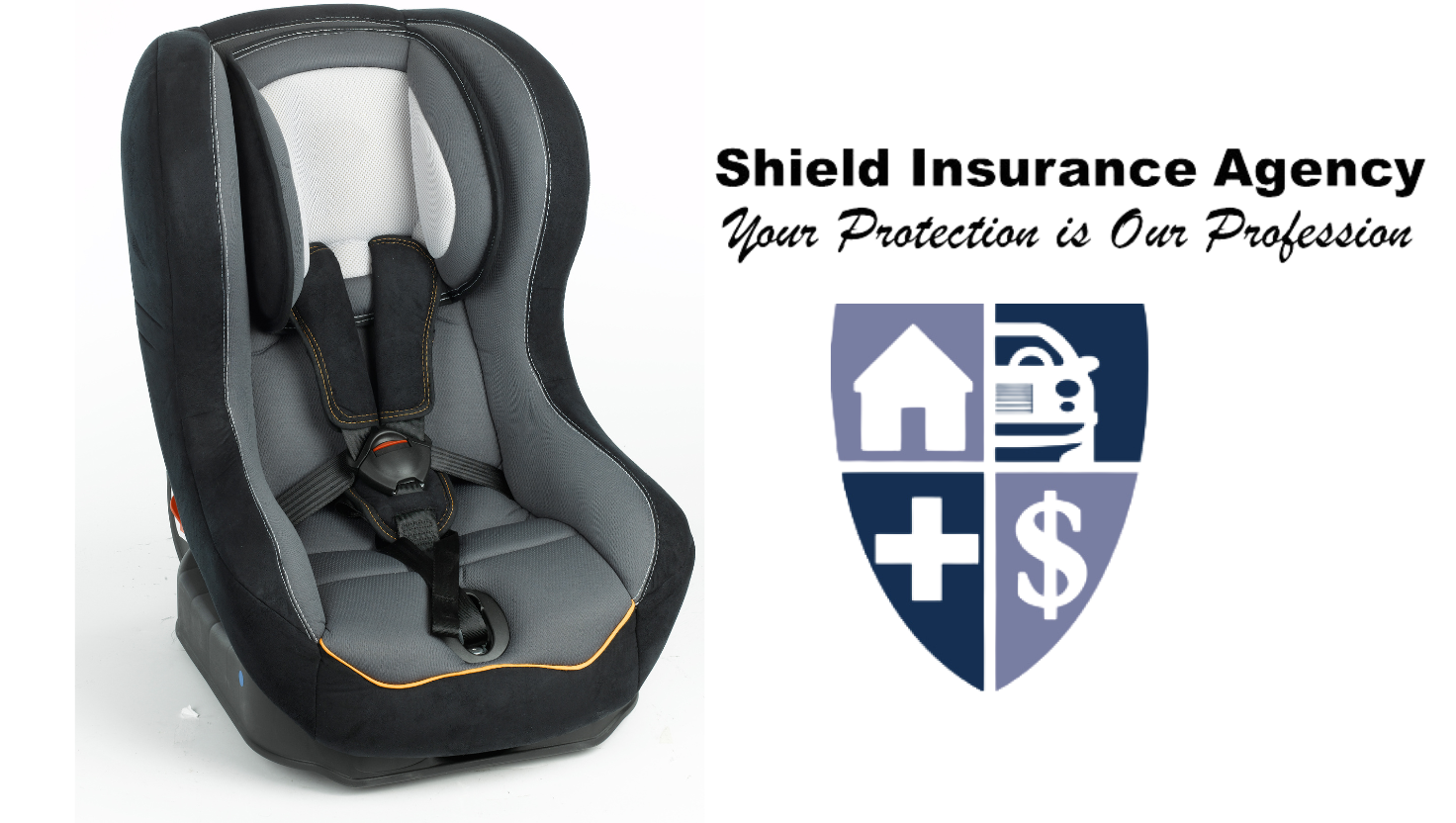
Car Seat Safety for Snow

Car Seat Safety For Snow

Apparently, I fell off the face of the planet when it comes to car seat safety. Despite reading all the NHTSA tips for car seats, doing the safety checks, and experiencing Michigan winters my whole life, I have never, ever heard of winter car seat safety. If have a bundled-up little one, this is a must-read and must-share on your Facebook page to educate other parents.

The rule to remember: No bulky coats on children in car seats.

First, let me divulge a few of the (brutally honest) thoughts that came to mind when I heard this:

  1. This article must be written by a person from a mild weather state. There’s no way in zero degree weather I’d let my kids go without a coat!
  2. But I wear a coat with my seatbelt and I’m fine…
  3. So I’m supposed to get my kids out of the car and bundle them up in the…parking lot?? This sounds like such a hassle to me.

A child may be buckled in tightly with their winter coat on, but in an accident, the impact of pressure would compact the bulk of the coat making the harness too loose to keep the child safe.

While I quickly thought of every reason why this was a bad idea, I landed on the one reason why this was a good idea: safety always comes first. The fact is, a child may be buckled in tightly with their winter coat on, but in an accident, the impact of pressure would compact the bulk of the coat making the harness too loose to keep the child safe. So, I called my local fire department and got these important tips that are pretty simple and much more do-able than I imagined.

Here’s a simple way to test the bulk of your child’s coat:

  1. Put the coat on your child and buckle them up, tightening the straps until you can’t pinch the harness with your fingers.
  2. Undo the straps without loosening them and remove your child from the seat.
  3. Take your child’s coat off, put them back in the seat and fasten the harness.
  4. If you can pinch the straps, then the coat is too bulky to wear in the car seat.

The winter coat rule applies to children in car seats and for children in boosters if the seat belt system in the car does not automatically lock when the brakes are applied.

Keep them warm, and safe.

If you find your child’s coat is too bulky to buckle them in safely, here are some alternate options to keep your child warm:

  • Put their coat on backward, like a blanket.
  • Use an actual blanket.
  • Use a thinner coat for car rides. Or if your child has layers in their coat, use the thinner layer for car rides and add the other layer when you go outdoors.
  • Heat your car up ahead of time and let them ride comfortably without a coat.

For all the other snow-state mommies and daddies like me who didn’t know this…now you do! So, test the bulk of your child’s coat and keep them safe in their car seat this winter. Foremost encourages all parents to be safe while driving, especially with a child passenger.

Read More

Winter-Wise Protection

Is your home insurance winter-wise? Protect your home from the ravages of winter.

Michigan winter can bring burst pipes, leaky roofs, and costly structural damage. Is your home at risk? Ice dams and frozen water pipes are the main culprits.

Ice Dams

  • Keep gutters and downspouts clear of debris, snow, and ice to facilitate the flow of runoff. Use a roof rake to keep buildup to a minimum.
  • Evaluate your attic’s insulation and ventilation. Use R-38 value insulation in northern climates. Vents promote airflow under eaves and soffits; a cool, dry attic in turn curbs the formation of ice dams.

Frozen Water Pipes

If you think turning the heat down low while you’re away will save money, think burst water pipes and thousands of dollars in repair and replacement costs.

  • Insulate pipes susceptible to freezing.
  • Shut off and drain water from the garden hose and pipes leading to outside faucets.
  • Show everyone how to shut off the water in case pipes burst; when going away, drain and shut off the main water supply to your home or business.
Read More

Don’t Hit the Deer in the Headlights

Deer in the Headlights

Just picture it — you’re driving on a winding road blasting some music, enjoying your time with family and friends, when something pops out in front of you. Do you brake? Do you try to swerve around the thing? Animals seem to have other things on their mind near the roads, and can often jump out at us while we drive, which can cause major safety issues. These moments need a quick response but it can be challenging to think through what to do and then do it on the fly. That’s why we’re providing some guidelines to help prevent a collision between your car and an animal during this season!

  • Fasten your seatbelt. While this will not help you avoid hitting an animal, it is the best way to help ensure safety for you and the passengers in your car. Buckle up during every auto trip!
  • Pay attention to animal-crossing signs. These yellow, diamond-shaped signs on the side of the road with an animal picture on them (deer, moose, bear) warn you about areas where the pictured animal is known to cross the road.
  • Use your high beams whenever possible (as long as there is not oncoming traffic) during this time of the year. The extra light does a great job of revealing your surroundings, and is especially good at lighting up animal eyes along the side of the road, where deer and other wildlife are most likely to congregate.
  • Honk your horn in short bursts (for deer)If you are in an environment with a high likelihood for deer crossings, honk your horn in short spurts throughout the drive to scare away any deer that may have been near the road. However, honking your horn too much may confuse the deer and lead them closer to the road, so make sure you are rationing out those honks throughout the trip.
  • Be especially alert at dawn and dusk. Animals are most likely to be roaming at dawn and dusk, so stay especially alert during these times to avoid collision.

If a Deer in the Headlights appears on the road…

  • Never swerve! Don’t do it. The instinctual action of swerving can actually cause more harm than good because you may swerve into the other lane with oncoming traffic, a tree, a fence, or road sign, which can increase your chance of injury.
  • Drive towards where the animal came from. Roaming wildlife are most likely to either stand where they are discovered in fear or will run onward in the continual direction from whence they came. If you feel you can safely maneuver your car, your best option to miss the animal is to drive towards the direction where the animal came from (this will not work for deer).
  • Brake firmly. Unless there is a car directly behind you, brake firmly and safely slow your vehicle. If there is a car close by, slow down, but make sure to honk your horn to signal to the other driver that there is a problem ahead. By the way, Mythbusters busted the myth that speeding up will decrease your chances of injury — so don’t do that!
  • Lean towards a door pillar. In the event of an unavoidable crash, leaning towards a door pillar will give an extra layer of protection between you and the approaching impact. In most instances of a severe collision between man and animal, the center of the car is crushed, so lean towards the door pillar to benefit from the added protection of the pillar.

Under every circumstance, you should also always make sure you are driving at a safe speed — those speed limits are more than a suggestion! Following the posted speed for a specific stretch of road gives you the benefit of being under control regardless of twists and turns and unexpected visitors!

Recent Shield Agency Blog Posts

Read More

Preventing Frozen Pipes

What Causes Frozen Pipes?

The water inside pipes can freeze when outdoor temperatures drop below freezing. As freezing water expands, it causes the pressure inside the pipes to increase, possibly leading to bursting pipes.

Preventing Frozen Pipes

  • Insulate pipes, especially those close to outside walls, attics or crawl spaces where the chance of freezing is greatest.
  • Seal air leaks surrounding or near pipes.
  • Keep garage doors closed if there are water supply lines in the garage.
  • Disconnect all outdoor hoses and turn off water to exterior faucets and sprinkler systems.
  • Open kitchen and bathroom cabinet doors to allow warmer air to circulate around the plumbing.
  • Keep heat at 55 degrees F. or higher even when you are out of town.
  • During a cold spell turn on both hot and cold faucets near outside walls to allow a small trickle of water to run during the night.
  • If you need to be away from home, leave the heat on and drain your water system before you go.
  • Identify the locations of shutoff valves so that you are prepared to stop the flow of water as soon as possible when a pipe bursts.

What to Do When Pipes Freeze or Burst

  • Open all faucets.
  • Remove insulation and wrap pipes in rags.
  • If all else fails, call your plumber.

If pipes burst:

  • Shut off the water immediately to prevent additional damage.
  • Take proper precautions to avoid an electrical shock from being in or near standing water.
  • Take an inventory of any damaged property or possessions.
  • Contact your local claims office to help you locate a vendor specializing in emergency water mitigation services that can properly dry out the damaged area.
Read More

Vacant Home Insurance: What to Ask About

Homes become vacant for many reasons. Maybe your home is for sale but you haven’t found a buyer yet. Or you’ve purchased a new home but won’t move in for a while. It could be a rental property that’s between tenants. Whatever the cause, there are some insurance risks that you should keep in mind.

You may be thinking, why get vacant home insurance when you already have regular homeowners insurance? Well, most homeowner’s policies exclude or limit coverage if the home is vacant, so you’ll need more specific coverage.

Insurance coverage is extremely important for a vacant home because there are lots of dangers that threaten vacant homes in particular. If you’re debating whether or not you need a vacant policy, talk to your insurance agent! Here are some things to ask about:

Cost

Vacant home insurance typically costs more than regular homeowners insurance due to potential risks like weather threats, fires, and vandalism. However, you may be able to get a discount by installing security systems around the house. Even if your insurance company doesn’t provide a discount for extra security, it’s a good idea that will make your home safer!

Coverage

Each vacant home insurance policy is different. Many cover damage caused by fires, lightning, wind storms, hail, vandalism, and theft. Check with your insurance company to see what options you have. (Remember to ask if flood damage coverage is an option!) There are also different time lengths for policies. Many are 12 months long, but they could go up to four years, so find out what will work best for you. You’ll also want to consider Liability coverage, which applies if anyone is hurt on your property and you’re found legally responsible.

Restrictions

Many insurance companies have different definitions of what is vacant and what is unoccupied. Additionally, there may be a specific time length distinction for the type of coverage. Restrictions can also be based on the age or value of the home. Discuss these variables with your insurance agent to find the coverage that works best for you!

Still not sure if vacant home insurance is for you? Contact your local agent to learn more and get a quote! Overall, don’t be afraid to ask questions about insurance. Let us know if you have any questions in the comments.


Latest Posts

Read More

What to Know About Buying a Vacant Home

Why buy a vacant home? One of the biggest perks is being able to make the home whatever you want it to be. You can make it your new home, create a vacation home, rent it out, or fix it up and sell it to someone else. In some cases, the seller may be willing to sell a vacant home cheaper than an occupied home. This is good news for you because you can save some money, but it could also mean something might be wrong with the house. It may need a little love, attention, and renovation. Before you purchase a vacant home, here are a few things to do and watch out for:

Professional Inspection

Ask for an inspection from a professional and take notes on what they discover. You’ll want to know what’s broken, what needs to be fixed, and what could possibly go wrong. (Note: Be prepared to pay for the home’s electricity to be on for the duration of the inspection).

Critters

Since vacant homes can sit for quite some time, critters may come in and make themselves at home. Although they are usually small animals such as mice or bats, they can cause damage to a vacant house. Those unwanted critters can eat at the floors, carpets, walls, and wiring. Be aware that you may need to hire a pest control service, and this could be costly based on the number of animals and the amount of damage.

Plumbing

There may be plumbing issues that have caused dried and cracked seals, slow faucets, leaks, and other issues. If the heat hasn’t been on and the temperatures dropped, the pipes could be at risk to freeze or burst (if they haven’t already).

Appliances

The previous owner may not have unplugged their indoor appliances, such as refrigerators and freezers, or let them dry out. There may be mold inside from the moisture being trapped. Having appliances plugged in with no one there could result in a fire (if the electricity was on). Appliances in the house may become unusable due to long periods of sitting with no use, which means you will need new ones.

Molds

Remember, molds can grow on more than just appliances! Check for mold in the walls, floors, pipes…everywhere! Some molds may cause health issues, so if mold is found during your inspection, you may want to rethink purchasing the home. Talk with your inspector about the extremity and presence of mold, and evaluate the safety risks.

Unanticipated Repairs

There are other potential sources of damage. For example, break-ins are more likely when a home appears empty, and windows, doors, and other items could be damaged by the intruder. Storms are another danger. Debris could hit the home and cause damage that may have gone undetected. Always thoroughly inspect the home before buying!

There are a lot of things to do and watch out for before purchasing a vacant home, but the possibilities of what the home could be are endless. If you are looking to buy a vacant home but haven’t found one yet, there are a few ways to move forward. Look online, talk to neighbors, get a realtor or simply drive around. There are more vacant homes than you think…happy hunting!

Read More

Grilling Safety Tips for Your Cookout

Grilling Safety Tips

If you are planning a cookout at your house, it’s important to be extremely cautious and alert at all times! According to the National Fire Protection Association (NFPA), July is the peak month for grill fires. To avoid fires or unwanted burns, review the tips below to have a happy and safe holiday.

  • If you are using a propane grill, make sure the lid is open before lighting it. If you’re using a charcoal grill, remember to use the correct starter fluid.
  • Place the grill at least 10 feet away from your home, deck railings and overhanging branches.
  • If you are using a charcoal grill and the fire is low, revive it with some kindling and more charcoal. Avoid using liquid fuel as this can cause a flash fire.
  • Keep children and pets away from the grill area. If that is unavoidable, make sure they are at least 3 feet from the grill.
  • Never leave your grill unattended.
  • Keep your grill away from windy areas.
  • If you smell gas while grilling, step away from grill immediately and call your fire department.
  • When you’re done grilling, scrape off any grease or fat buildup that’s left over and in the trays below the grill. If you’re using a charcoal grill, make sure the coals are completely cool before disposing in a metal container.

Once you clean off your grill, it will be good as new and ready for your next cookout. From all of us at Foremost: Have fun and be safe!


Latest Posts

Read More

Do You Know Your Flood Risk?

Are you in a flood risk zone?

According to the National Flood Insurance Program (NFIP), everyone lives in a flood risk zone. Even those who don’t live near water are at risk because anywhere it rains, it can flood. Heavy rains, clogged or insufficient drainage systems, nearby construction projects, broken water mains, and inadequate levees and dams can cause flooding that puts your home and belongings at risk.

Your home is one of your greatest investments. It’s important to prepare ahead should a disaster occur. Here are three simple steps to help make sure you’re ready in the event of a flood risk.

  • Create a “flood file” and keep it in an accessible waterproof and fireproof container. It should contain a personal property inventory of your home, a copy of your insurance information, copies of any critical personal documents (e.g. social security cards, titles and deeds), and a CD backup of computer documents and digital photos.
  • Prepare your home by making sure your sump pump works and has a battery backup, your gutters and downspouts are clear, your electronics and appliances are elevated, and any valuables and keepsakes are moved to a higher level.
  • Develop an emergency plan that includes evacuation routes from home, work and school. Make sure that plan includes an out-of-town contact list that all family members can call in case you get separated. Also, create an emergency kit with extra drinking water, non-perishable food, first-aid materials, blankets, a battery-powered radio, a flashlight, and extra batteries that can be grabbed easily if you need to evacuate.

It’s important to know that most home policies don’t cover flooding and just a few inches of water damage can cost thousands. To find out if you live in an area that is at risk for flooding, type in your address in the FEMA Flood Map Service Center and use this interactive tool to learn more.


Latest Posts

Read More