Just How Bad is Soda for Your Teeth?

Soda, pop or soda pop. Whatever you call it may likely depend on where you live or what region of the country you grew up in. But, the bottom line is they can be bad for your oral health and deliver a blow to your teeth.

Sugar itself doesn’t do the damage, but the bacteria in your mouth feeds on the sugar to create acid, and that can erode the enamel that protects your teeth.  Soda itself is very acidic. Between the bacteria feeding on the sugar and creating acid, every time you sip, soda starts an acid attack that lasts about 20 minutes. These ongoing acid attacks weaken the tooth enamel. This leads to an increased chance of, you guessed it, tooth decay.

If you’re a soda drinker, we’re not going to ask you to stop, but we do have some quick tips to help reduce any potential harm they may cause:

  • Cut back. Drink soda in moderation. Try not to have more than one a day.
  • Don’t let it linger. The longer it takes to drink a soda, the more time the sugars and acids have to damage your teeth.
  • Rinse. If brushing isn’t an immediate option, rinse your mouth with water after drinking a soda. Flushing your mouth with some water will help wash away any remaining sugars and acids.
  • Drink plenty of water, possibly in place of that extra soda you may have. Fluoridated tap water is best for your teeth.
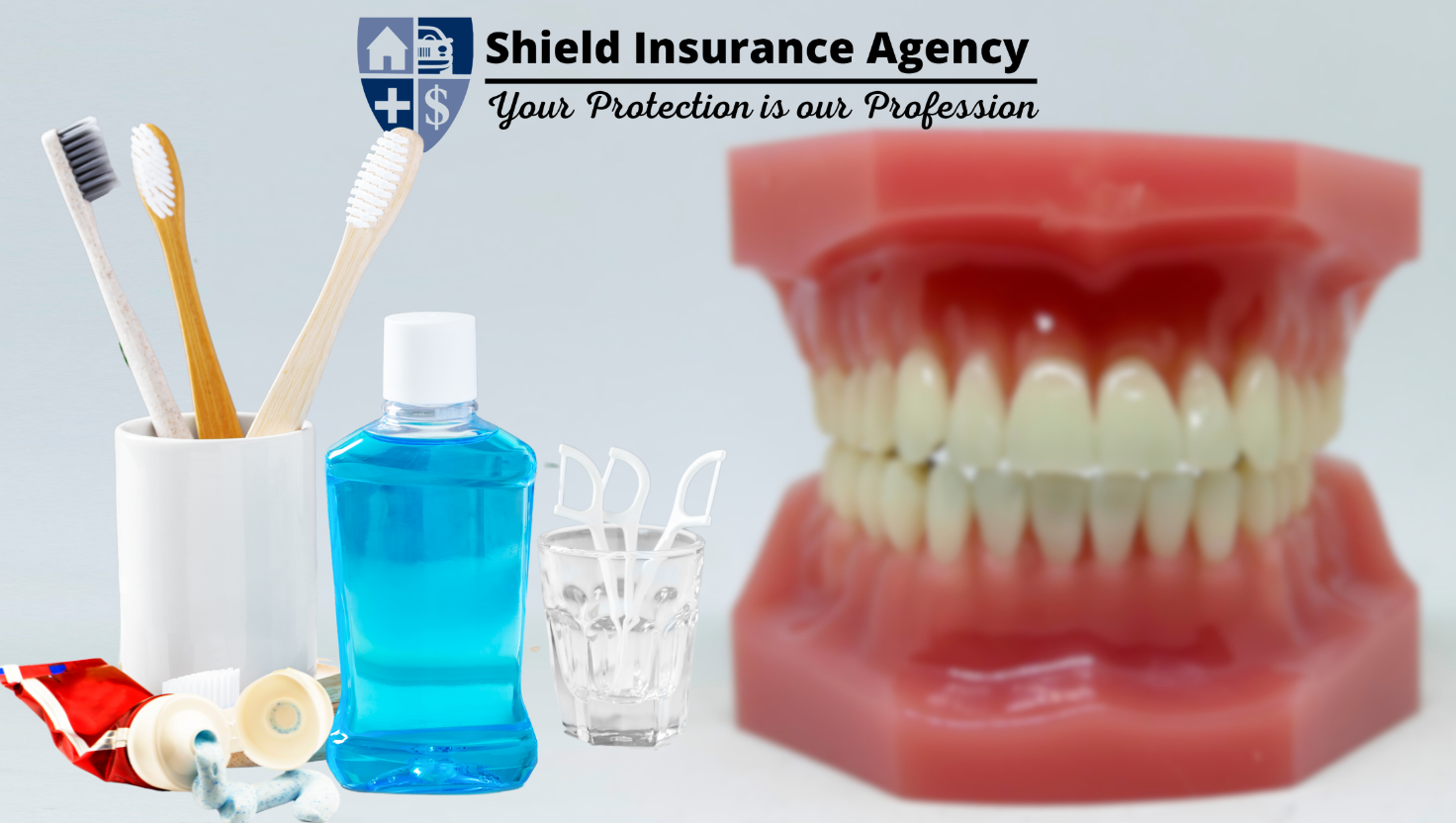
  • Brush with a fluoride toothpaste and floss.

Read More

Dental Basics presented by Delta Dental

What are dental basics of cavities?

A tooth cavity is a hole in your tooth caused by tooth decay. Tooth decay occurs when your enamel breaks down, usually from plaque and bacteria in your mouth that eat away at your tooth. Tooth decay may take years to develop into an actual cavity. Caught very early, tooth decay may even be reversed through the use of fluoride or other preventive care you can discuss with your dentist.

What are some causes of cavities?

  • Bacteria in your mouth.
  • It’s not just about candy and soda. Cavities can also be caused by frequent consumption of starchy, refined carbohydrate foods such as chips, crackers and cookies and high sugar drinks such as fruit juices and energy or sports drinks.
  • Not keeping up with your daily oral health routine, including brushing and flossing.

How can I prevent tooth decay?

  • Brush with fluoride toothpaste twice a day, and floss regularly.
  • Eat nutritious meals and limit snacking and sugary treats.
  • Check with your dentist about the need for topical fluoride and sealants to protect you or your child’s teeth from tooth decay.
  • Visit your dentist regularly for preventive care.

Contact Shield Agency for details on a dental policy with Delta Dental

Read More
Insurance Terms Important to Know - Shield Insurance Agency Blog

Common Insurance Terms Made Easy

Insurance can be confusing…we get it! But we’re here to help provide you with a better insurance experience. Learn more about what these common insurance terms mean so you can be prepared when looking for a policy.

For customer information or to get a quote, please visit our website at www.ShieldAgency.com .

Read More

New Year: Foresight in 2020

They say, “Hindsight is 20/20.” 

As we approach the new year, the National Insurance Crime Bureau (NICB) is encouraging you to exercise “Foresight in 2020.”   

While it’s easy to look back on where and how we failed to protect our assets, it is exponentially more beneficial to look forward and try to predict where we can best insulate ourselves from insurance crime and theft. By studying where we are vulnerable, we can identify weaknesses and adapt improvements that protect us, our families, and our property. From small precautions, like making sure we don’t leave valuables in our vehicles, to more extensive protections, like installing home security systems, we can exercise foresight in 2020 and stop crime before it happens. Law enforcement agencies across the country now engage in the practice of intelligence-based policing.

This methodology uses past data to identify and predict the patterns and behavior of criminals. NICB and our members follow suit, by identifying known threats and patterns in order to properly educate our consumers. You too can be an advocate in this preemptive strike against crime. Educate yourself, take precautions, and be vigilant. By using foresight in 2020, we can win the battle against crime.  

The best deterrent continues to be vigilance.

If there is a vacant home or business in your area, and you see suspicious or unusual activity around the property, call your local law enforcement. If any vehicles are involved, jot down their descriptions and license plates. Also, note the clothing and physical appearance of any person(s). All of this is very helpful to investigators. 

NICB reminds consumers to make sure your vehicle is locked when unattended. Don’t leave spare keys or fobs inside. Take a moment and be sure to hide your valuables from view. Even an empty bag or extra change in view looks appealing to a thief from the outside. 

Do things to protect your home, by locking your doors and investing in a home security system.  

Anyone with information concerning insurance fraud or vehicle theft can report it anonymously by calling toll-free 800.TEL.NICB (800.835.6422) or submitting a form on our website.

About the National Insurance Crime Bureau:

Headquartered in Des Plaines, Ill., the NICB is the nation’s leading not-for-profit organization exclusively dedicated to preventing, detecting, and defeating insurance fraud and vehicle theft through data analytics, investigations, learning and development, government affairs, and public affairs. The NICB is supported by more than 1,300 property and casualty insurance companies and self-insured organizations. NICB member companies wrote over $496 billion in insurance premiums in 2018 or more than 81% of the nation’s property-casualty insurance. That includes more than 92% ($254 billion) of the nation’s personal auto insurance. To learn more visit www.nicb.org.

Read More

Wood Burning Stove Family Safety

Wood Burning Stove Family Safety

Shield Insurance Blog | Wood Burning Stove | Home Insurance | Start A Quote Today!

We can replace your property, but we can’t replace you or your family.

Wood-burning stoves are great for ambiance and pocketbooks. There is also a greater risk of a home fire.

Use these handy reminders to stay on top of maintenance and safety items for wood-burning stoves.

  • Frequently check the unit and chimney flues.
  • Inspect the chimney from the roof, using a flashlight to look for obstructions or damage.
  • Check stovepipes for creosote build-up; have the chimney and stove professionally cleaned as needed.
  • Burn only seasoned wood, preferably at least 2 years old.
  • Keep children away from the stove to prevent burns or risk of clothing ignition.
  • Keep combustible materials away to avoid risk of ignition.
  • Maintain a multi-purpose fire extinguisher near the stove; check the date on the extinguisher and keep it up to date.
  • Check and maintain smoke detectors.

For more information on home insurance, contact our Shield Agents to see if you are on the right track for being insured.


More Blogs by Shield Insurance Agency

Read More

Don’t Hit the Deer in the Headlights

Deer in the Headlights

Just picture it — you’re driving on a winding road blasting some music, enjoying your time with family and friends, when something pops out in front of you. Do you brake? Do you try to swerve around the thing? Animals seem to have other things on their mind near the roads, and can often jump out at us while we drive, which can cause major safety issues. These moments need a quick response but it can be challenging to think through what to do and then do it on the fly. That’s why we’re providing some guidelines to help prevent a collision between your car and an animal during this season!

  • Fasten your seatbelt. While this will not help you avoid hitting an animal, it is the best way to help ensure safety for you and the passengers in your car. Buckle up during every auto trip!
  • Pay attention to animal-crossing signs. These yellow, diamond-shaped signs on the side of the road with an animal picture on them (deer, moose, bear) warn you about areas where the pictured animal is known to cross the road.
  • Use your high beams whenever possible (as long as there is not oncoming traffic) during this time of the year. The extra light does a great job of revealing your surroundings, and is especially good at lighting up animal eyes along the side of the road, where deer and other wildlife are most likely to congregate.
  • Honk your horn in short bursts (for deer)If you are in an environment with a high likelihood for deer crossings, honk your horn in short spurts throughout the drive to scare away any deer that may have been near the road. However, honking your horn too much may confuse the deer and lead them closer to the road, so make sure you are rationing out those honks throughout the trip.
  • Be especially alert at dawn and dusk. Animals are most likely to be roaming at dawn and dusk, so stay especially alert during these times to avoid collision.

If a Deer in the Headlights appears on the road…

  • Never swerve! Don’t do it. The instinctual action of swerving can actually cause more harm than good because you may swerve into the other lane with oncoming traffic, a tree, a fence, or road sign, which can increase your chance of injury.
  • Drive towards where the animal came from. Roaming wildlife are most likely to either stand where they are discovered in fear or will run onward in the continual direction from whence they came. If you feel you can safely maneuver your car, your best option to miss the animal is to drive towards the direction where the animal came from (this will not work for deer).
  • Brake firmly. Unless there is a car directly behind you, brake firmly and safely slow your vehicle. If there is a car close by, slow down, but make sure to honk your horn to signal to the other driver that there is a problem ahead. By the way, Mythbusters busted the myth that speeding up will decrease your chances of injury — so don’t do that!
  • Lean towards a door pillar. In the event of an unavoidable crash, leaning towards a door pillar will give an extra layer of protection between you and the approaching impact. In most instances of a severe collision between man and animal, the center of the car is crushed, so lean towards the door pillar to benefit from the added protection of the pillar.

Under every circumstance, you should also always make sure you are driving at a safe speed — those speed limits are more than a suggestion! Following the posted speed for a specific stretch of road gives you the benefit of being under control regardless of twists and turns and unexpected visitors!

Recent Shield Agency Blog Posts

Read More

4 Tips to Help You Stay Ahead of Smartphone Hackers

Shield Insurance Blog | Smartphone Hackers | Start A Quote Today!

Did you know that Americans check their phone on average 80 times a day? Surprising, right? Unfortunately, the amount of times that our phones can be compromised is surprisingly high as well.  And because mobile phones are so valuable to hackers, more and more new exploits are being discovered.

To help you stay ahead of smartphone hackers, we’ve combined the most frequent dangers and tips on what to do to help protect yourself.

What smartphone hackers value

  • The device itself: Your data can be wiped, the device reset, resold and reactivated. Thieves have gotten better at taking phones apart and reassembling them into new phones to sell.
  • Your data: Your phone is likely linked to your email, financial accounts and other personal records. Armed with your smartphone, a hacker could access your banking  by resetting your email password or receiving a secure pin via text.

Lost or stolen phones: What to do before and after

  • Track your phone with an app. The best ones track to within feet of where the phone is located. If your phone has been stolen, report its location to the police.
  • Secure your phone with a password, swipe code or passphrase. Set the security settings to wipe the data on the phone after a certain number of password tries.
  • If you lose your phone or it is stolen, notify your carrier right away and wipe the data if you are sure you cannot retrieve the phone.

Social engineering

Hackers are using social engineering to persuade mobile carrier customer service to fraudulently transfer phone numbers without your permission. Once they transfer your number to their device, they have password resetting capability for your email, banking, and other accounts.

To help lower the chances of this happening to you:

  • Place a “do not port” alert on your account.
  • Use a pin for your account and require it for all changes.
  • If you receive a text or call from your mobile provider saying that someone is attempting to port your number, call them immediately. Do not respond directly to the message, as that may be a separate scam.

Phishing And Viruses

Texts and emails created by hackers can contain deceptive links or attachments that could infect your phone with malware. The malware can then steal your personal and financial information.

Here are some recommendations to help protect your phone:

  • Do not accept text messages from numbers you do not recognize. Block them. If you are not already on the National Do Not Call Registry, sign up – it’s free and just takes two clicks.
  • Don’t click on links in texts, especially those that look suspicious, and don’t download files from emails unless you are already expecting something from someone you trust. If it’s financial, give the person a call, just to confirm it actually came from them.
  • Just as you have virus and malware protection for your home PC or laptop, it’s time to invest in smartphone protection. There are many competitive products priced at around $50 a year.
  • Don’t plug into any unknown charging stations or devices. Bring a wall charger or power bank with you.
  • Keep your operating system up to date. Operating system updates are usually issued in response to major security exploits. Because these updates are known to have weaknesses, you should review your product’s website to determine why the update has been issued and when to install it.

Mobile phones and your data on them can be compromised in a multitude of ways. Although keeping a step ahead of hackers is tough, educating yourself is critical.

For information only. Not applicable to all situations. The original version of this article written by Monique Ferraro, Counsel Cyber Practice at Hartford Steam Boiler, can be found on their blog.

Read More

Vacant Home Insurance: What to Ask About

Homes become vacant for many reasons. Maybe your home is for sale but you haven’t found a buyer yet. Or you’ve purchased a new home but won’t move in for a while. It could be a rental property that’s between tenants. Whatever the cause, there are some insurance risks that you should keep in mind.

You may be thinking, why get vacant home insurance when you already have regular homeowners insurance? Well, most homeowner’s policies exclude or limit coverage if the home is vacant, so you’ll need more specific coverage.

Insurance coverage is extremely important for a vacant home because there are lots of dangers that threaten vacant homes in particular. If you’re debating whether or not you need a vacant policy, talk to your insurance agent! Here are some things to ask about:

Cost

Vacant home insurance typically costs more than regular homeowners insurance due to potential risks like weather threats, fires, and vandalism. However, you may be able to get a discount by installing security systems around the house. Even if your insurance company doesn’t provide a discount for extra security, it’s a good idea that will make your home safer!

Coverage

Each vacant home insurance policy is different. Many cover damage caused by fires, lightning, wind storms, hail, vandalism, and theft. Check with your insurance company to see what options you have. (Remember to ask if flood damage coverage is an option!) There are also different time lengths for policies. Many are 12 months long, but they could go up to four years, so find out what will work best for you. You’ll also want to consider Liability coverage, which applies if anyone is hurt on your property and you’re found legally responsible.

Restrictions

Many insurance companies have different definitions of what is vacant and what is unoccupied. Additionally, there may be a specific time length distinction for the type of coverage. Restrictions can also be based on the age or value of the home. Discuss these variables with your insurance agent to find the coverage that works best for you!

Still not sure if vacant home insurance is for you? Contact your local agent to learn more and get a quote! Overall, don’t be afraid to ask questions about insurance. Let us know if you have any questions in the comments.


Latest Posts

Read More

What to Know About Buying a Vacant Home

Why buy a vacant home? One of the biggest perks is being able to make the home whatever you want it to be. You can make it your new home, create a vacation home, rent it out, or fix it up and sell it to someone else. In some cases, the seller may be willing to sell a vacant home cheaper than an occupied home. This is good news for you because you can save some money, but it could also mean something might be wrong with the house. It may need a little love, attention, and renovation. Before you purchase a vacant home, here are a few things to do and watch out for:

Professional Inspection

Ask for an inspection from a professional and take notes on what they discover. You’ll want to know what’s broken, what needs to be fixed, and what could possibly go wrong. (Note: Be prepared to pay for the home’s electricity to be on for the duration of the inspection).

Critters

Since vacant homes can sit for quite some time, critters may come in and make themselves at home. Although they are usually small animals such as mice or bats, they can cause damage to a vacant house. Those unwanted critters can eat at the floors, carpets, walls, and wiring. Be aware that you may need to hire a pest control service, and this could be costly based on the number of animals and the amount of damage.

Plumbing

There may be plumbing issues that have caused dried and cracked seals, slow faucets, leaks, and other issues. If the heat hasn’t been on and the temperatures dropped, the pipes could be at risk to freeze or burst (if they haven’t already).

Appliances

The previous owner may not have unplugged their indoor appliances, such as refrigerators and freezers, or let them dry out. There may be mold inside from the moisture being trapped. Having appliances plugged in with no one there could result in a fire (if the electricity was on). Appliances in the house may become unusable due to long periods of sitting with no use, which means you will need new ones.

Molds

Remember, molds can grow on more than just appliances! Check for mold in the walls, floors, pipes…everywhere! Some molds may cause health issues, so if mold is found during your inspection, you may want to rethink purchasing the home. Talk with your inspector about the extremity and presence of mold, and evaluate the safety risks.

Unanticipated Repairs

There are other potential sources of damage. For example, break-ins are more likely when a home appears empty, and windows, doors, and other items could be damaged by the intruder. Storms are another danger. Debris could hit the home and cause damage that may have gone undetected. Always thoroughly inspect the home before buying!

There are a lot of things to do and watch out for before purchasing a vacant home, but the possibilities of what the home could be are endless. If you are looking to buy a vacant home but haven’t found one yet, there are a few ways to move forward. Look online, talk to neighbors, get a realtor or simply drive around. There are more vacant homes than you think…happy hunting!

Read More

Grilling Safety Tips for Your Cookout

Grilling Safety Tips

If you are planning a cookout at your house, it’s important to be extremely cautious and alert at all times! According to the National Fire Protection Association (NFPA), July is the peak month for grill fires. To avoid fires or unwanted burns, review the tips below to have a happy and safe holiday.

  • If you are using a propane grill, make sure the lid is open before lighting it. If you’re using a charcoal grill, remember to use the correct starter fluid.
  • Place the grill at least 10 feet away from your home, deck railings and overhanging branches.
  • If you are using a charcoal grill and the fire is low, revive it with some kindling and more charcoal. Avoid using liquid fuel as this can cause a flash fire.
  • Keep children and pets away from the grill area. If that is unavoidable, make sure they are at least 3 feet from the grill.
  • Never leave your grill unattended.
  • Keep your grill away from windy areas.
  • If you smell gas while grilling, step away from grill immediately and call your fire department.
  • When you’re done grilling, scrape off any grease or fat buildup that’s left over and in the trays below the grill. If you’re using a charcoal grill, make sure the coals are completely cool before disposing in a metal container.

Once you clean off your grill, it will be good as new and ready for your next cookout. From all of us at Foremost: Have fun and be safe!


Latest Posts

Read More