Is it Time for a Roof Replacement?

Is it Time for a Roof Replacement? Look for These 8 Warning Signs

Foremost Insurance Blog | by Jenean McLoskey | Roof Replacement | Home Insurance | Quoting Portal

You may tend to overlook your roof, but it’s actually one of the most important component of your home – and the most vulnerable. It protects you from the elements like rain, snow and sun, but roofs don’t last forever and it may be time for a roof replacement.

You may not think about the importance of roofs until you, a neighbor, or a friend has a situation that causes a reality check. So, when it comes to roof maintenance, there are two key questions you should be asking:

How long does a roof last? According to the Good Housekeeping magazine, shingle roofs should last between 15-30 years (if you have a different type of roof, such as metal or clay tile, you may have to follow different rules). If your home is new or the roof was recently replaced, you should be in the clear. However, it doesn’t hurt to do a checkup after getting hit with severe weather like a hailstorm, ice and snow or crazy rain.


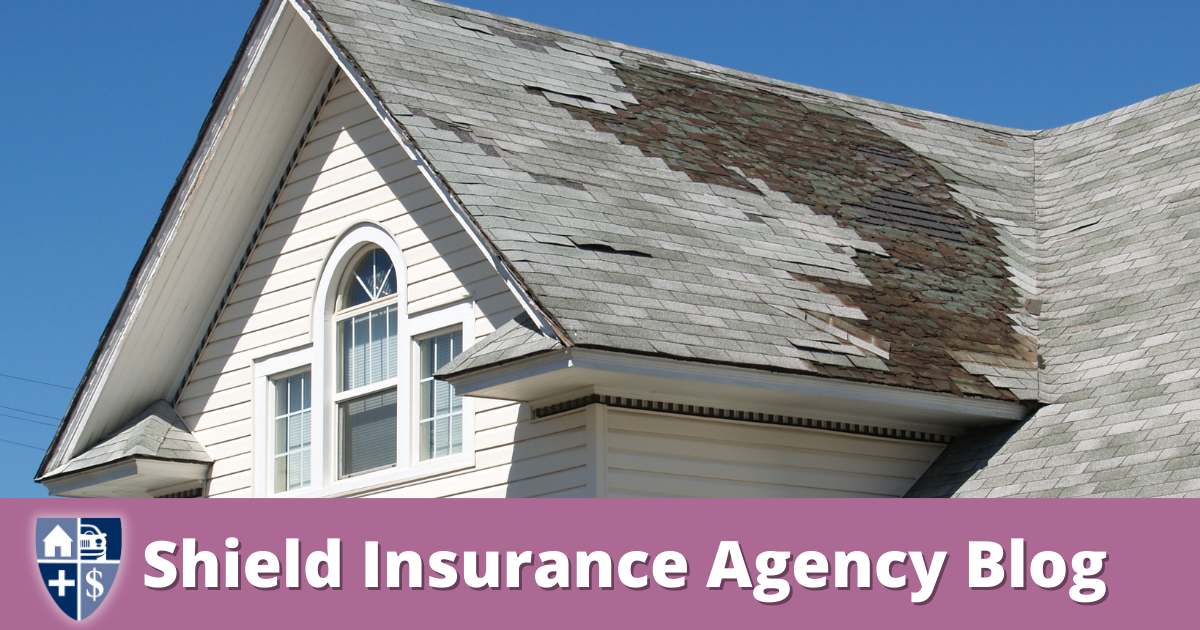
Here are eight warning signs to look for when condiering a roof replacement:

  • Loose shingle tabs
  • Cracks in shingles
  • Broken or missing tabs
  • Buckling or curling shingles
  • Shingles covered in moss or algae
  • Majority of granules worn off tabs
  • Sunlight is shining through the attic
  • Extensive leaking

According to Home Advisor, a roof replacement can range anywhere from $6,000 to $12,000. The size of your home, the materials used and where you live will affect that price range. It’s no small sum, but in return for the investment, you’ll add thousands of dollars to the resale value of your home and ensure a safe and habitable dwelling for years to come. Don’t need a new roof right now? Do a quick check each month to see if maintenance is needed. If you notice problems like missing shingles or signs of water damage, be sure to call a roofing specialist to make the repairs as soon as possible – it could save you a bundle by prolonging the life of your roof and stopping costly leaks in their tracks.


Read more blog articles featured by Shield Insurance Agency

Read More
Emergency Water Storage

Emergency Water Storage

Foremost Creative Team | Emergency Water | Flood Insurance | Comparison Quoting Portal

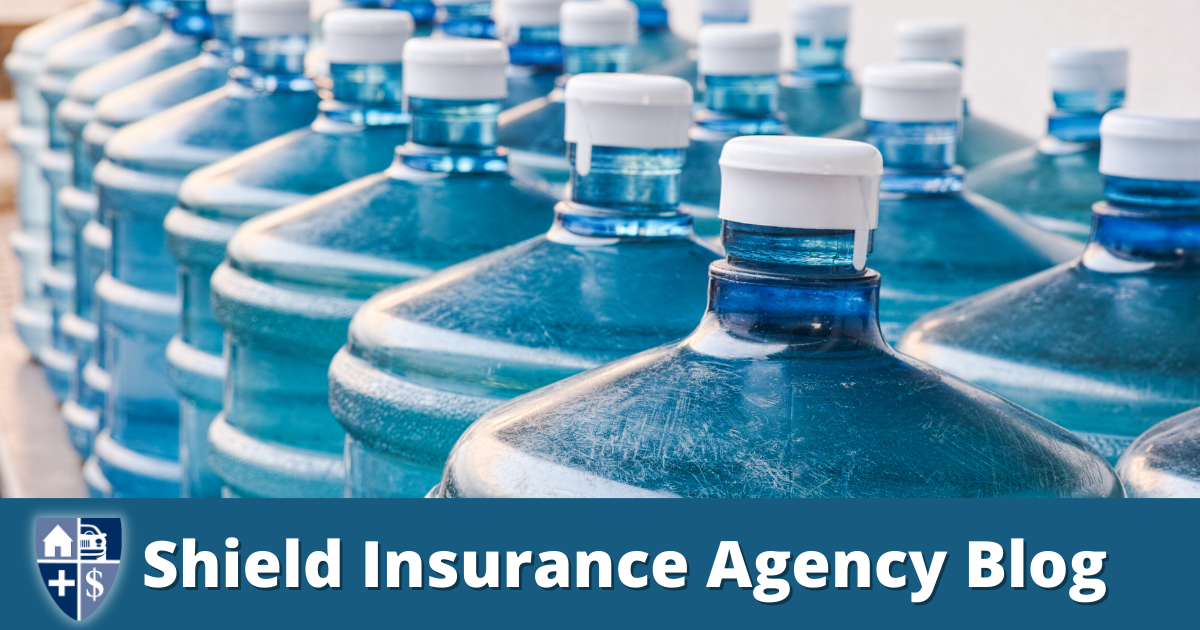
The loss of safe drinking water is deadly. Most individuals will begin to experience side effects from dehydration after 36 hours. Starvation can be delayed by several days or weeks provided there is an ample, safe emergency water supply.

At the bare minimum, you should store one gallon, per person, per day, for seven days. A three-week supply is ideal.

After an earthquake, city water is vulnerable to contaminants through ruptured pipes and adulterated filtering systems. Do not take adequate water supplies for granted. If you store an ample amount for your family beforehand, you’ve already greatly increased your family’s chance of survival after an earthquake.

Proper Water Storage

Most grocery stores sell water in one or two-gallon containers. These are not designed for long-term storage and will leak after six months. Your best option is to purchase one to five-gallon sealable containers of water from your local camping store. All stored water must be in a sanitized container and the water must be treated to avoid contamination by bacteria and algae. If you are storing your own water, treat the water as soon as you store it in the container with eight drops of pure, unscented liquid bleach per gallon of water. You must also rotate your water supply every six months, which includes store-bought treated water as well as the water you’ve treated yourself.

If your water supply is questionable, use these methods to treat it:

The best option: Add liquid chlorine bleach – eight drops per gallon of water. Double this amount if the water is cloudy.

A good option: Add 2% tincture of iodine to the water, or twelve drops per gallon of water. Double this amount if the water is cloudy.

An acceptable option: Boil the water vigorously for 10 minutes.

Dirty water should be strained through cheesecloth, a paper towel or a coffee filter before treating it to remove suspended matter. Wash and sanitize all food containers before use by washing them with warm, soapy water followed by a 10% bleach solution. Empty the bleach out after a five-minute soak, and let dry.

Emergency Water Sanitation

As part of your earthquake supply list, it’s also key to provide sanitation items. Having these materials staves off infection or illness that is caused by unsanitary conditions, and also makes a stay at a shelter or other unfamiliar or rustic territory more comfortable and worry-free. Store these items in your equipment kit as well:

  • Plastic bags – heavy-duty garbage can size and small, zip-lock types
  • Powdered chlorine lime – proper storage is required. This is an oxidizer and it’s corrosive.
  • Portable camp toilet with chemicals
  • Toilet paper
  • Handi-Wipes for water-free cleaning
  • Shampoo, toothpaste, deodorant, tampons, and sanitary napkins
  • Insect, fly, mosquito, and ant spray

For more information on Emergency Water Storage visit these sites:


More interesting reads by Shield Insurance Agency

Read More
A Guide to Getting Rid of a Mole

A Guide to Getting Rid of a Mole

Foremost Insurance | by Marrio Roberts Jr. | Mole | Home Insurance | Get a Quote!

A mole will not come above ground often. But when they do, they make their presence known. Unfortunately, the renovations they make aren’t always the most desirable.

Moles dig up dirt to create tunnels and to find insects. This can damage your grass and any plants you may have nearby.

If you start to see mounds of dirt scattered around your lawn, there’s a good chance you have a mole infestation. If you want to know how to get rid of moles in your yard, you may find some helpful tips in this article.

Get rid of the mole’s food source.

Moles love eating insects. So, eliminating them from your yard can stop moles from wanting to visit. After all, who likes visiting places with no food? Insecticides are a great way to keep your yard bug-free. However, they can kill your grass if misused. Be sure to pay close attention to the instructions.

Try home remedies.

Castor oil can be a great way to eliminate moles in your yard. Apparently, castor oil upsets their digestive tracts. However, Home Depot and other online sources note castor oil does not kill moles. To create a castor oil-based mole repellant, it’s suggested to mix three parts castor oil with one part dish soap. Then, add four tablespoons of the mix to a gallon of water. Pouring the mix into the entrance of the moles’ tunnels will encourage them to leave since they can’t stand the castor oil. If you don’t want to create a repellant mix yourself, you may find that buying one is a great alternative

Use plants and rocks to create barriers.

Plants like daffodils and marigolds produce a scent that’s said to deter moles. They look good too, making the investment worth it for some people. You can also dig trenches near the area where moles hang out, then fill them with rocks. The rocks will likely stop the moles in their tracks and send them back the way they came.

Irritate the mole.

Moles like areas that are peaceful and quiet. Any disturbances can cause them to flee. There are sonic spikes you can insert into the ground that use electronic pulses to create sounds moles hate to hear. You can also have pets treat the mole’s holes with urine if you have any pets. It may sound wild, but the scent can do a great job of making moles leave. It’s also one of the least invasive methods on this list, so it may be worth a try.

Trap and release the mole.

There are traps you can use to capture moles without killing them. This is called a trap and release. If you opt for one of these, carefully read the manufacturer’s instructions to ensure the safety of all parties involved. Each of these methods is a potential solution for handling mole activity. Please use your best judgment in determining the best way to remove moles from your lawn. Once you succeed in removing the moles, you may have some patching up to do. If so, you may be interested in our list of front-yard landscaping ideas.


More interesting articles featured by Shield Insurance Agency

Read More
Front Yard Landscaping Ideas

Front Yard Landscaping Ideas

Foremost Insurance | by Marrio Roberts Jr. | Front Yard | Home Insurance | Self-Quoting Portal

Have you been thinking about updating your front yard landscaping? There are many reasons to invest in this space, including increasing your home value, improving safety, and reduction of utility costs. If you’ve been thinking about taking on this home project – what better time than now?

The Foremost® Insurance creative team created a list of things you can do to give your home some extra curb appeal:

Add path lighting to the front yard.

When placed correctly, lights can make your home stand out and become the most memorable one on your street. They also help guests navigate your property safely at night. You can consider various types of lighting for your garden or pathway such as spotlights, flood lights, step lights, garden lights and more.

Build a decorative fence.

If your home doesn’t already have a decorative fence, and if they aren’t banned in your neighborhood, this can be a great addition to your front yard. Not only does this feature add curb appeal, it also serves as a protective boundary.

Customize your walkway.

Many people overlook their walkway when thinking of front yard ideas. However, your walkway is just as much a part of your home as the kitchen. Different things you can do to customize your walkway are adding stepping stones, brick, pavers, lava rocks, or mulch on the sides with some decorative shrubs.

Improve the front yard lawn.

If your grass is brown or patchy in some places, it may be time for some TLC on your lawn. This can be as simple as planting some new seeds and watering regularly, or you may need to call a service to treat any underlying causes that may be to blame. A lawn is the first thing someone will notice when pulling up to your home, so it’s well worth it!

Install landscaping rocks.

You can also spruce up your front yard landscaping with rocks. The best part about adding rocks is that they are low maintenance – you just set them out in your space and forget about it. You can use rocks in a variety of ways, including placing them around plants or putting them along your walkway to your front door.

Install a front yard water feature.

This one is probably a little less common, but we think that’s what makes it a great idea! Adding a waterfall or a fountain will make your front yard stand out from the rest. One of the great things about this is that there are many budget-friendly options that are $200 or less, so be sure to shop around. Some outdoor cascading fountains cost less than $75, or if you’re able to spend more, there are rock waterfalls out there that are $200 or less.

Make a flower bed.

Flower beds are simple and effective. While flowers require a bit more maintenance than some of the other things on this list, they can be well worth the effort. You can plant eye-catching, low-maintenance flowers such as black-eyed susans, hydrangeas, daffodils or a rose bush.

Plant a garden.

Another recommendation that requires maintenance is an herb or vegetable garden. Planting your own garden allows you to save money on groceries, reduce plastic waste, and get some easy outdoor exercise. In addition to these health benefits, a garden can also add an element of beauty to your front yard.

Trim overgrown trees and shrubs.

Overgrown trees and shrubs can make your landscaping look unkept and disorganized. Trimming these can create a neater look and feel and improve the overall health of your trees and shrubs. By removing dead or diseased branches, you allow space for the sunlight to permeate the plant and leave room for new branches to grow.


More Shield Insurance Agency Blog Articles

Read More
Stop a home burglary while you're gone

Stop a home burglary while you’re gone

Foremost Insurance | Home Burglary | Home Insurance | Self-Quoting Portal

By using these theft-prevention tips to protect your home and possessions, you and your family will have extra peace of mind, whether you’re away for a day or on vacation.

Make your home look “lived in” even when you’re not there:

  • Have a trusted neighbor pick up your mail and newspapers.
  • Arrange for someone to mow your lawn or shovel snow.
  • Ask a neighbor to park a car in your driveway while you’re gone.
  • Use timed switches on your lights, TV, and stereo. Look for timers that turn on and off randomly.
  • You can add to the security of your lighting system and cut your electric bill by installing a motion detector on outside lights. This will activate your lights when anyone comes within range of the unit’s motion sensor.

Home burglary tips from law enforcement officials:

  • Join a Neighborhood Watch group. Most police departments have officers who will help you start a program. Neighbors can help watch your home when you’re gone.
  • Keep valuable items in your safe deposit box, such as stocks and bonds, duplicate copies of your will, stamp, and coin collections, and jewelry you don’t frequently wear.
  • Give parking lot attendants and mechanics your ignition key only, not your house key. Don’t carry an identification tag on your key ring. This could help a would-be thief easily identify your home and vehicle.
  • Consider installing an alarm system for an extra level of protection. You have a variety of choices — from do-it-yourself kits that trigger a siren or lights to professionally installed systems connected to a police station or monitoring service. Post signs in your windows showing you have a security system.
  • Lock your doors and windows when you leave, whether you’ll be gone a few minutes or a few days.
  • Avoid leaving an extra “hidden” key outside your home, such as under the doormat or in a mailbox or planter. To make sure you always get in, leave a duplicate set of house keys with a trusted friend or neighbor.

More Blogs by Shield Insurance Agency

Read More
Home security devices

Home security devices

Foremost Insurance Blog | Home Security | Home Insurance

Homeowners should consider protecting themselves with an alarm system or motion detector to help protect their homes from burglaries.

Alarm systems range in sophistication and price. Choose from do-it-yourself kits that set off a siren or lights or professionally installed systems that hook directly to the police station or monitoring service. A basic alarm system is composed of sensors to detect an intruder, a control panel that receives messages from the sensor, and an alarm that sounds off when activated by the control unit. Don’t expect any single alarm system to do the job alone. An excellent mechanical system is only effective when it’s used in conjunction with other security-minded habits.

Home security devices

Motion detectors can also be an effective weapon against burglars. An intruder’s movement or body heat triggers the alarm. Technological advances have made motion detectors less expensive and easier to install. Most motion detectors incorporate infrared, microwave, or ultrasonic technology. Typically, the movement of an intruder, or merely the person’s body heat, breaks a photoelectric beam and triggers the alarm. One or two well-placed motion detectors can usually do the work of several individual door and window alarms.

Finally, you might consider walking around your home and evaluating it as a burglar. Even try gaining access without a key. If you find any flaws in your anti-burglary precautions, correct them immediately. Remember, no home is totally safe from a determined, experienced burglar. However, if you make it difficult for someone to enter your home, the burglar will likely select an easier target.

For more information on Home Insurance, and Home security devices, give Shield Insurance Agency a phone call at 616-896-4600. Our licensed agents will have the answers you need to make the best decisions on the best insurance.


More blogs by Shield Insurance Agency

Read More
Home's Value

Best Upgrades to Increase Your Home’s Value

Foremost Insurance Blog | by Marrio Roberts Jr. | Home’s Value | Home Insurance

What adds to your home’s value? This is the question many homeowners ask when they’re entering the housing market as a seller. While you may be able to sell your house as-is, you could earn more profit if you make some renovations first. Read on to discover some of the best home upgrades you can make to help get the most bang for your buck!

Add a fresh coat of paint to increase your Home’s Value

The first thing people see on your home is the paint job. A fresh coat of paint, both inside and out, can make your home look and feel brand new. If potential buyers feel like they are buying a well-taken care of home, they could put in a strong offer.

Replace the garage door.

Like the paint job, the garage door is one of the first things prospective buyers will see when they roll up to your home. While it may seem like a small change, a new garage door can make the entire home look and feel well-maintained.

Update the kitchen to increase your home’s value.

Kitchens are often referred to as the heart of a home. One way to add value and costs next to nothing is to do a good deep cleaning. For a small price, you can take it up a notch and change out cabinet knobs and drawer pulls. If it’s in your budget, updating the appliances, countertops or cabinets could be a huge selling point sure to be noticed by buyers when walking through your home.

Clean or replace the floors.

Do your best to remove any stains that may be present. If any part of the flooring is stained or damaged beyond repair, it may be a good idea to replace it. If you go this route, consider using a waterproof material such as vinyl or tile.

Upgrade to smart technology to increase your home’s value.

Thermostats, alarm systems, door locks, cameras, and even refrigerators have all evolved to include “smart technology.” Smart technology uses artificial intelligence to do things like remember user preferences, connect via Bluetooth, and more. Adding this type of technology to your home can benefit you greatly and look attractive when it’s time to sell.

Spruce up the landscaping.

Perhaps the most cost-effective method on this list, trimming the bushes and other small landscaping projects can help to add value to your home. The most important thing to note is that you should do this before you take pictures of your home to post when it goes on the market. If you’re not sure when you’re putting your home on the market, take some pictures of the exterior during the summer months so you have those photos on hand if you decide to sell during fall or winter.

We hope this list helps you feel more confident in this market when it’s time to sell. Good luck!


Check out more interesting articles at the Shield Insurance Blog

Read More
How to turn off home water supply

How to turn off home water supply

 Foremost Insurance Blog | by Niki King | Water Supply | Home Insurance | Self-Quoting Portal

If your plumbing freezes, springs a leak, backs up, requires maintenance or you’ll be away from your house for a while, you may have to turn off the water supply for your home. Do you and everyone else in your household know how to do so? Consider these steps to help be prepared:

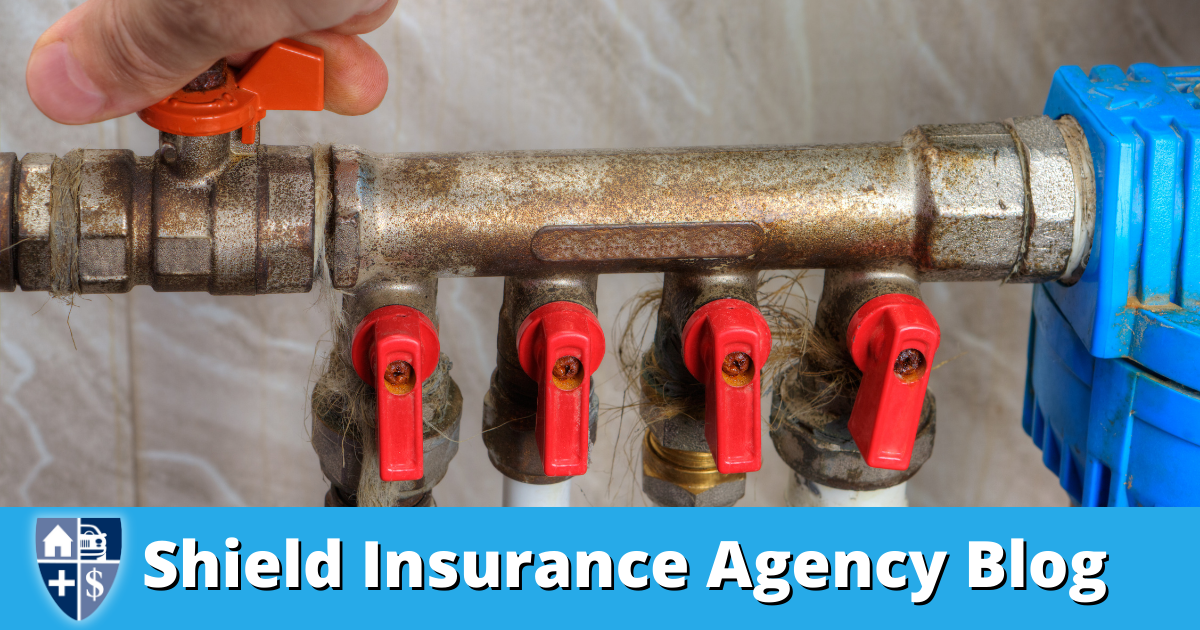
Find the Main Water Supply Shut-Off Valve

In most homes, this is located near the main water pipe leading into the home – typically the kitchen, downstairs, or utility room. In warmer areas, the valve may be outside on an exterior wall or buried near the road. If there is more than one valve, it’s most likely the closest to the inside plumbing, versus the one that’s closer to the street. There are several types of water valves used in home plumbing, so be sure you know which one is correct. Tip: Label the valve so it’s easy for everyone to locate! This could also be handy if someone else is staying in your home and needs to turn off the home water supply.

Shut the Water Supply Valve Off

Remember the saying “Righty tighty, lefty loosey?” It applies here as well, so turn the valve clockwise to cut off the water flowing into the home. If the valve is stiff or too tight to turn with your bare hands, we suggest wearing gloves to get more grip and protect your hands. If you still cannot twist the valve, consider calling a professional plumber.

Drain Remaining Water

Although the water supply is now turned off, there will still be water in the system that needs to drain out. People can do this by turning on all faucets (both hot and cold settings). Once the water stops flowing, they should turn the faucets off. Some appliances or fixtures with a reservoir may still have limited usage after shutting off and draining the water. For example, toilets could flush one more time. Tip: Consider collecting the water in a container to use for watering plants or other ways to avoid waste.

Wait/Perform Maintenance

Now it should be safe to make repairs or wait for the plumbing emergency to no longer be a concern, depending on the issue. It is recommended to call a professional plumber when you cannot handle a problem alone, don’t know how to fix the issue, or aren’t sure what the problem is.

Open the Water Supply Valve

Head to the main valve and turn it counterclockwise to get the water flowing again. Tip: It’s recommended to test shut-off valves twice a year to ensure proper operation. Catching a problem before it becomes a problem can save time, money, and a lot of stress in the long run.

Run Water Lines and Appliances

Turn on the faucets again for a few minutes to remove air from the pipes while the water refills the pipes, and test appliances that use water (dishwasher, washing machine, icemakers, etc.). If the water isn’t flowing or something isn’t working properly, be sure to call a professional.

Is your home covered in the event of a flood? Get a quote today by calling 616-896-4600 to speak with a licensed agent.


More great blogs by Shield Insurance

Read More
Best Emergency Supplies to Have at the Ready

From Fire Starters to First Aid Kits, These Are the Best Emergency Supplies to Have at the Ready

Emergencies happen — be it snow storms, wildfires, or tornados. Here are some of the best emergency supplies to make sure you’re prepared

Rolling Stones | OSCAR HARTZOG | Emergency Supplies | Shield Insurance Quoting Portal | Shield Home

NO MATTER WHERE you live, emergencies can (and do) happen. But whether it’s snow storms, tornados, wildfires, or hurricanes, the danger of serious emergencies can almost always be mitigated by investing in the best emergency supplies.

But choosing the right emergency gear — or just figuring out what types of emergency supplies you should have — can be tricky. To make things easier, we’ve created a checklist of the best emergency supplies to help your household stay safe in the worst-case scenarios.

What Are the Best Emergency Supplies?

When stocking up on the best emergency supplies, you’ll want to start by considering what needs your emergency stash has to meet. Namely, you’ll need food and water, first aid supplies, and light and heat. If you want to go beyond the basics, we also recommend adding power, shelter (like an emergency tent), and survival tools to your emergency supplies checklist.

No matter what kind of emergency supply you’re looking at — be it a multi-tool, a camping stove, or an emergency food supply — be sure it’s well-built and capable of staying in working order while shelved. The best emergency supplies can be tucked away and taken out months, if not years later, and still function properly.

Read on for a full checklist of the best emergency supplies to stock up on now.

1. Survivor Filter Pro

The most important thing to secure in most emergency situations is clean drinking water. One way to create an emergency water supply is to buy a water tank that you fill up if you know an emergency is on the horizon (i.e. if there’s a tornado warning).

But a more efficient option for securing drinking water is to get an emergency water filter, such as this Survivor Filter Pro. The compact rig uses a pump mechanism to suck up water, run it through a filter, and pump out 500 milliliters of clean drinking water per minute. It’s also very lightweight (half a pound), so you can transport it if need be.

2. Leatherman Wave+

A reliable multi-tool has always been part of our everyday carry, but they become absolutely essential when disaster strikes. Our favorite multi-tool is this Leatherman Wave+, which packs 18 tools in a small package, measuring just four inches when closed. Inside, you’ll find basics like knives, scissors, screwdrivers, and pliers, as well as some good extras like a saw and a wire stripper.

3. Judy Mover Max

Survival kits are a great way to create an emergency supplies stash with just one purchase. Good examples include the Oprah-endorsed Judy Mover Max, which has water and food, safety and warmth, and tools and first aid — all in one ultra-durable, weatherproof backpack. It has enough supplies to sustain four people for 72 hours, and you don’t have to worry about grabbing multiple items during an evacuation.

4. Mountain House Classic Bucket of Emergency Supplies

Click here for a full list of Emergency Supplies…


Visit more great blogs featured by Shield Insurance Agency

Click here to compare your current insurance rates!

Read More
6 Money Habits to Break in 2023

6 Money Habits to Break in 2023

Get off to a good start by stopping some common (bad) money habits.

AARP | By Karen Hube | December 12, 2022 | Money Habits | Shield Insurance Quoting Portal

You may not be able to do anything about big problems afflicting the economy and the stock market, but little changes to your everyday activities can help shore up your financial security. Consider the following six routines — and why you should ditch them in 2023 for better money habits.

1. Constantly checking your portfolio’s value

During rocky times in the market, it’s natural to want to know how your investments are holding up. But the more often you check, the wider you open the door to counterproductive emotions. Exuberance can fuel overconfidence and unwise risk-taking, while fear of loss can drive you to yank money out of stocks and miss out on future returns, says Chris Orestis, president of Retirement Genius, a financial planning website. Either way, you impair your portfolio’s long-term growth potential.

HOW TO BREAK THE MONEY HABITS

Keep in mind that short-term ups and downs are a package deal when you invest in stocks, but over time the stock market has recovered from declines and resumed climbing. In the past 42 years through 2021, the S&P 500 had intra-year declines in every year averaging negative 14 percent, with dips of 10 percent or more in 23 years, according to Fidelity. But the index ended in positive territory in 35 years, and the average annual return has been around 14 percent.

2. Downplaying the risk of cybercrime

You might think cybertheft will never happen to you, but the older you are, the more likely you are to be a target. Cyber­criminals stole nearly $3 billion from people 50 and older in 2021 — more than all younger age groups combined — according to the FBI. The most common tactic is to entice people into providing personal data by phone or email, or into clicking on seemingly innocent links that let criminals access information on a target’s computer. Paul Tracey, CEO of Innovative Technologies, a cybersecurity company, says scammers have been getting increasingly sophisticated. They commonly pose as employees of familiar companies and drop personal details about you that make them seem legitimate, such as your birthday or where you live (often easily found in an online search).

HOW TO BREAK THE MONEY HABITS

“Anytime you get a request for an account number or personal information, or anytime you are invited to click on a link, you should be skeptical,” says Tracey. Use different complex passwords for each of your sensitive accounts and change them quarterly. That way, if a password for one account is revealed in a security breach, hackers can’t use it to access your other accounts.

3. Making minimum payments on your credit card

A fast way to eat up cash is to keep a large balance on your credit card. One major reason why: The average annualized interest rate on credit card debt was 18.9 percent in early October, reports Bankrate. Let’s say an issuer makes carrying a balance easy by setting a minimum payment of just 1 percent of the balance or $25, whichever is larger; if you rack up $1,000 in charges in a month and then pay only the minimum, you’d need more than nine years and pay nearly $2,000 to close out the balance. Credit card debt surged 13 percent in the second quarter of 2022 compared to a year earlier — the largest annual hike in at least two decades, according to the Federal Reserve Bank of New York.

HOW TO BREAK THE MONEY HABITS

Read More…


More great blogs are featured on the Shield Insurance Agency website!

Read More