
When Disaster Strikes: What to Put in Your Medication Go Bag

Atlantic hurricane season is a good reminder that everyone should prepare this potentially lifesaving kit

By Consumer Reports Last updated: July 05, 2021

A well-stocked Medication Go Bag can be used to soothe a cut or burn—or to save your life during a hurricane, flood, fire, or other emergencies.  

But it’s important not to wait until you’re faced with the need to leave your home in a hurry to assemble your medication go bag, says Geoffrey C. Wall, Pharm.D., a professor of pharmacy practice at Drake University in Des Moines, Iowa.

Whether you buy a kit from a drugstore or build it yourself, Wall recommends that all households keep a medication go bag on hand. It should contain the essentials, including: 
  • At least seven days’ worth of over-the-counter and prescription medications you take on a regular basis. Label the containers clearly, and include a printed-out list of everything you take and the regimen for each medication, plus a copy of your health insurance card (in case you need medical care while you’re away from your home).
  • An antihistamine for allergic reactions, such as diphenhydramine (Benadryl Allergy and generic) or loratadine (Claritin and generic).
  • Pain relievers, including acetaminophen (Tylenol and generic), aspirin, ibuprofen (Advil, Motrin IB, and generic), or naproxen (Aleve and generic).
  • Stomach and antidiarrheal remedies, including loperamide (Imodium and generic) and bismuth subsalicylate (Kaopectate, Pepto-Bismol, and generic).
  • An antacid for heartburn, such as Maalox, Mylanta, Rolaids, Tums, or generic.
  • Antiseptic wipes; an antibiotic ointment such as Neosporin, Bacitracin Plus, Curad, or generic (use only for infected wounds); and bandages, gauze, and tape, for treating burns, cuts, and wounds.
  • Mosquito repellent to prevent bites, and aloe gel, hydrocortisone cream, or calamine lotion to soothe bites and skin irritation.
  • An eyewash solution for flushing out eye irritants.
  • Water-purification tablets.
  • Scissors.
  • Thermometer.
  • Tweezers.

If you and your family have special medical needs, you can build a more sophisticated medication go bag—for example, one that contains hearing aids with extra batteries, an epinephrine auto-injector, glasses, contact lenses, or syringes.

Fill Prescriptions in Advance

For prescriptions, you and your family members take, consider asking your doctor for 60- or 90-day refills rather than a month’s worth. That way, you’re more likely to have extras on hand for your medication go bag. (This can also save you money.)

Always fill prescriptions on the first day you become eligible for a refill, rather than waiting until the day you run out. If you are able to obtain an emergency supply, establish a plan for rotating your go-bag supply so that it remains up to date. And remember to check medications periodically to ensure that they have not expired.

“During an emergency, some states allow pharmacists to dispense an emergency supply of medications without doctor authorization,” Wall says. But, he adds, “certainly if a known potential disaster, such as a hurricane, is predicted, make sure you have prescription meds and supplies before it hits.”

You might also ask your health insurance company to assist you in obtaining enough medication and supplies to have on hand.

Storing and Maintaining Your Kit

Click here for the rest of the story…


More great articles!

Read More

When is Labor Day 2021? Why We Celebrate Summer’s Last Holiday

CountryLiving.com

Who doesn’t love a long weekend? Luckily, we can always count on Labor Day to give us that extra day of relaxation, barbecue, and the perfect excuse to enjoy some fun under the summer sun. Of course, the holiday is a lot more than meets the eye. We could always use a little refresher on why we celebrate and what makes Labor Day more than summer’s last hurrah.

First things first—when is Labor Day in 2021?

Mark those calendars for Monday, September 6, 2021. Labor Day always falls on the first Monday of September. Although the calendar date tends to change each year, you can always count on showing off those grilling skills during the first weekend of September.

Just based on the name alone, you can probably guess that Labor Day has something to do with work. And you’d be completely right! But, did you know the holiday has a captivating history that dates all the way back to the late 1800s?

Labor Day honors the important social and economic contributions of U.S. workers. What better way to do that than with a three-day weekend to squeeze those last-minute summer activities that you’ve added to your to-do list? It’s important to remember that the history behind Labor Day wasn’t always as dandy as enjoying local parades and scoring some of the year’s best shopping deals.RELATED STORYWhich Stores Are Open on Labor Day?

Labor Day was born out of U.S. workers’ experiences and struggles to improve poor working conditions. When the Industrial Revolution was at its peak, employees of large manufacturing companies often endured 12+ hour workdays for seven days a week. Not to mention, their facilities were far from safe or sanitary. In response, workers began to protest because obviously there were some serious changes that needed to be made. Now that we know a bit more about the holiday, it’s time to make the most of our last moments this summer 2021.

Click here for a great video…


Check out the other articles…

Read More

Surety bonds reach the tech market: 5 new things to know about bonding your tech firm

Just 15 or 20 years ago, tech companies had reputations for rapid business cycles and increased risk, making surety bonds for technology-related contracts difficult to obtain. But in recent years, the playing field has changed drastically, with financial experts feeling more confident in tech investment now that technology is a foundational part of our world. Despite these market changes, many technology companies still fall into the old routine of utilizing letters of credit or posting collateral to guarantee their performance. For companies looking to move away from old methods, bonds are an attractive alternative for many reasons: they aren’t credited on the company’s bank line, are not typically listed as contingent liabilities in corporate financial statements, and usually provide a more robust defense against default.

Bottom line? The surety process is no longer out of reach for tech companies. If your company is considering a surety bond, here are five things you should know before you start the process.

1. Understand your options.

Surety in the tech sector is still an emerging market, meaning many risk managers simply don’t know what options are available. There are a variety of bonds that are relevant for the tech industry, however. For example, lease and utility payment bonds can help secure commercial space to expand your operations, while worker’s compensation, customs, and tax bonds cover dues owed to employees and government entities. Tech companies may also apply for court bonds to cover legal expenses and appeals. This concern is becoming increasingly important as big tech companies and startups alike face legal action for privacy breaches, anti-trust activity, and more. 

2. Consider a performance bond.

Click here for the rest of the story…


More great articles!

Read More

5 trends disrupting the wholesale industry: digitization, and more:

Wholesale Industry | Shield Insurance Blog | Start A Quote Today!

For decades, wholesale distributors have been the primary source of inventory to retailers. Over the past decade, however, technology, e-commerce, and shifting customer expectations have altered the wholesale landscape. Today’s distributors are evolving their business models—and fast.

In this article, we’re diving into five trends disrupting the wholesale industry, from navigating competition like e-commerce giants to embracing technological innovation.

1. Digitization and the wholesale industry

With access to a massive catalog of products that they can ship quicker than most competitors, digital giants like Amazon and Alibaba have sent shockwaves through the traditional wholesale industry. This threat is particularly serious when it comes to commoditized products like printing supplies and paper. The problem? Businesses are looking for the fastest, easiest, and most affordable way to obtain these products—and traditional wholesalers often struggle to keep up with their digital competitors.  

In 2017, 92 percent of wholesale distributors cited Amazon as a competitor—and for good reason. According to a recent report from the National Association of Wholesaler-Distributors (NAW), Bank of America/Merrill Lynch estimates that Amazon Business, the tech giant’s wholesale branch, will reach $34 billion in gross merchandise sales by 2023, and $125 to $245 billion by 2029. And Amazon and Alibaba aren’t the only competitors in the digital space—new business models are constantly emerging, including eBay Business & Industrial, Digi-Key, and Zoro. With all these businesses competing for the same pool of customers, their profits will likely come at the expense of traditional distributors.

2. Disintermediation

As digitization continues to connect more people and systems, it creates an opportunity for manufacturers and retailers to skip traditional wholesalers and work directly together, blurring the line between wholesale, retail, and manufacturing. As a result, disintermediation has become more common in the marketplace. The number of direct-to-consumer (D2C) brands is projected to grow by almost 20 percent in 2021, with many manufacturers leveraging e-commerce platforms to bypass wholesalers entirely. For example, Boeing invested heavily in business-to-business (B2B) e-commerce and acquired a leading aerospace parts distributor, helping increase its share of the replacement aerospace parts market by 7 percent. Many companies find that they can also improve shipping speeds and customer service by cutting out the middleman role that wholesalers traditionally play.

3. Evolving customer demand

Click here for the rest of the story on the Wholesale Industry


More great reads!

Read More

The US has 10 million job openings

This is a first: The US has 10 million job openings

CNN | Job Openings |

New York (CNN Business) It’s a hallmark sign of this strange pandemic labor market: America had a record 10.1 million jobs available in June, as businesses struggled to hire enough staff to support the full reopening of the economy. That mismatch between worker demand and supply has been a defining characteristic of the pandemic recovery. Hiring is rampant across industries, as businesses are still rebuilding the capacity lost during last year’s lock-downs. Professional and business services, retail, hotels, and restaurants added the most job openings, according to the Bureau of Labor Statistics report released Monday.

But many jobless workers are facing complexities. Some continue to struggle with finding child care, while others are concerned about the risk of contracting the virus at work.

“If we want to sustain our economic recovery, we have to get serious about removing barriers to filling these open jobs,” said Neil Bradley, executive vice president, and chief policy officer of the US Chamber of Commerce.

Specifically, Bradley added, “that includes addressing childcare needs, rightsizing unemployment programs, skills training, and increasing legal immigration.”

Economists expect that at least the child care aspect will be addressed when schools reopen in person after the summer. But the rampant spread of the Covid-19 Delta variant is adding exposure risk. Meanwhile, the generous pandemic-era unemployment benefits that have already ceased in multiple states will run out in September, which could affect the rate of hiring as well.

Hires, layoffs and voluntary quits

Click here for the rest of the story…


More great articles

Read More

Keeping it lean: 6 strategies for contractors to help reduce overhead

Reduce Overhead | Business Insurance | Get A Quote!

Liberty Mutual > Business Insurance > Insights > Keeping it lean: 6 strategies for contractors to help reduce overhead

It’s been a volatile year in the construction market. In March 2020, dozens of major cities and some entire states put a moratorium on construction to help reduce the spread of Covid-19. Meanwhile, hold-ups in the global supply chain drove up the cost of materials by as much as 80%. Many businesses tabled their construction projects to prepare not only for a possible global recession but also for a fundamental change in the use of commercial real estate.

For many contractors, this market turbulence has led to anxiety – and a temptation to chase business outside their normal territories or areas of expertise. But this is a mistake, according to Matthew Campbell, a Liberty Mutual Surety Plus underwriter specializing in the small to mid-size contractor space. Instead, he advises companies, “if the market does not present itself, keep it lean.”

In this article, we’ll dive into six strategies contractors can use to help get lean, avoid unnecessary risk, and survive an unpredictable market.

6 strategies to “get lean” and reduce overhead

Since March 2020, we’ve seen a steady decline in non-residential construction spending, and current indices suggest that the slowdown of work will continue. Today’s lean market is largely due to a volatile global economy, uncertainty about the future of commercial real estate, and anticipated corporate tax hikes under the Biden administration. And some construction markets have been hit harder than others. Hotels and lodging, for example, have seen a more than 25% decrease in growth in the last year. Many companies stayed afloat by relying on backlogs, but even those are drying up after a year of pandemic.

Rather than diving into risky projects, Campbell and the surety team recommend taking a leaner approach, focused around these six strategies:

Reflect on compensation structure

The cost of labor is a huge expense for many contractors, particularly if they offer employees healthcare and other benefits. It might make sense to take a different approach to your compensation structure during lean times, particularly if your team doesn’t have a lot of work on their plates.

Paying employees a lower fixed or base salary and compensating them with bonuses or incentives is one strategy to reduce labor costs. With this model, you still compensate employees for their hard work, but it costs the company less during slower periods.

If your business is really struggling, doing universal pay cuts across the board is also an option. Although this will be unpopular, it will feel more palatable if managers and leaders are also part of the plan. With slowdowns in the market, savvy contractors should consider what size labor force they really need to get the job done.

Optimize your workforce

Click here for the rest of the article


More great articles!

Read More

Technology is the tool, people are the foundation

Liberty Mutual > Business Insurance > Insights > Technology is the tool, people are the foundation

How claims technology is part of our people-first mission

Over the course of the coronavirus pandemic, technology has played a key role in helping insurers manage business insurance claims and serve customers safely from afar. But the focus on technology leaves out an important aspect of the story. In a recent interview, Steve Deane, Liberty Mutual’s chief claims officer of the North American commercial and specialty insurance division, got to the heart of successful technology implementation: people. After all, he says, “technology is only as good as the people who are responsible for using it.”

In this article, we’ll explore how focusing on people first allows businesses to integrate technology in a way that aligns with their mission – and we’ll look at how Liberty Mutual’s claim management system was built with that in mind.

Making sure injured workers stay connected

Many companies have implemented new technologies to keep business going and serve both employees and customers during the COVID era. But, according to Deane, these investments in improved user interface are most effective when they are grounded in helping people. When businesses start with people, they can make smarter, more impactful decisions around technology implementation that maintain brand integrity and support overall user experience.

One example is Liberty Mutual’s new injured worker portal, a system that makes the claims process simpler and more transparent for businesses and their employees. Though the technology aspect is “critical” to making the system work – especially during a pandemic – it is second to the insurer’s mission to “[put] the injured employee’s well-being first and [identify] ways to reduce stress and anxiety that often comes with a work-related injury, so the worker can focus on recovery.”

 “That mindset — of putting people at ease and focusing on recovery — is enabled by the technology of the portal,” says Deane. “Rather than using highly technical language – essentially claims jargon — in our written and verbal communications, we’re striving to help explain the process in ways that people who aren’t workers comp experts can understand.”

Technology is only as good as the people who’re responsible for using it.

By focusing on its people-first mission when implementing this new portal, Liberty Mutual was able to address common customer pain points and improve overall user experience. People were at the root of this decision; technology was just the right tool for the job.

Assessing property damage – online

Click here for the rest of the story…

Read More

What commercial insurance is required in Michigan?

Protecting your business takes the right commercial insurance. Your policy can be customized by your insurance agent to give you all the protection you need and none that doesn’t apply to your business. At Shield Insurance Agency in Michigan, we have the commercial insurance policy experience you are looking for. We will make sure you have the commercial insurance mandated by the state of Michigan. 

Mandated insurance

Commercial auto insurance

In the state of Michigan, all business-owned vehicles must be covered by commercial auto insurance. The required amount of commercial auto insurance you must carry is 20/40/10. That is $20,000 for injuries to one person in an accident with a total of $40,000 for the entire accident with $10,000 property damage. While this is the required amount, it may not be the correct amount for your business. 

Workers’ compensation insurance

If your business has one or more full-time employees, you must have workers’ compensation insurance. 

While these are the mandated commercial insurances, they are not the only ones that can benefit your business. 

Not Mandated but a good idea

Commercial liability insurance

Between 36% and 53% of small businesses are sued every year. That means that your chance of being involved in litigation is pretty high. Not only could there be a judgment against you, but you would also be responsible for the legal fees that go along with defending yourself. Commercial liability insurance can make the difference between surviving and having to close your doors. 

Commercial property insurance

If a covered peril hits your business, it could destroy everything you need to do business. Your inventory, your machinery, your raw materials, your office equipment, and your records. Without commercial property insurance would you be able to replace all these things and get back to work? If the answer is no, this is the insurance you need. 

Contact Shield Insurance Agency in Michigan when you are ready to customize your commercial insurance.


Check out more great articles at Shield Agency

Read More

The rise of modular construction

The rise of modular construction: the pros and cons of modular builds and how to reduce your risk

Modular construction is on the rise, and it’s not just for small-scale builds anymore. In 2016 the first modular skyscraper—made from 930 prefabricated units—opened its doors to residents in Brooklyn, New York. Research suggests the modular construction industry will continue to grow by nearly 6 percent between 2020 and 2025.

Why is modular construction becoming a trend? Contractors cite the perks of a controlled building environment, significant cost savings, and shorter build times. But like any project, prefab construction brings along its own unique challenges. In this article, we’ll take a closer look at the pros and cons of modular construction and share strategies that could help reduce your risk when taking on a modular build.

Four benefits of modular construction

1. It’s fast.

Because the majority of the building happens off site, modular construction is significantly faster than traditional builds. Construction of the modules can happen concurrently to on-site building, which cuts down build times considerably. The factory environment and standardization of the build also mean contractors can take advantage of automation to speed up build time drastically and avoid weather delays or on-site changes that slow down the project. According to McGraw Hill, modular construction cut down build times for 66 percent of building professionals, with nearly 35 percent reporting that they saved more than a month on a single project.  

2. It’s more environmentally friendly.

Creating modules in a factory environment cuts down construction site waste significantly because it is more controlled, more automated, and more flexible. Construction companies don’t have to worry about damage to materials from poor air quality or weather. They can even refurbish modules that are damaged or no longer in use. The same research by McGraw Hill shows that 77 percent of contractors reduced waste by switching to modular construction.

3. It’s safer for workers.

Indoor construction environments are typically less hazardous than their traditional, outdoor counterparts—and that’s good news for construction workers. In a factory environment, workspaces can be designed ergonomically to reduce regular wear and tear on the body. The controlled environment means better air quality, access to tools, lighting, and more.

4. It’s cost-effective.

One of the biggest perks of modular construction is cost-effectiveness. With less waste, a more efficient building process, and greater reliance on automation, modular builders save money on materials and labor. And the factory environment reduces the risk of theft and vandalism on project sites, saving even more money and time. McGraw Hill reports that 41 percent of builders lowered their costs by as much as 6 percent by shifting to a modular model.

Addressing modular construction challenges

Click here for the rest of the story

Read More

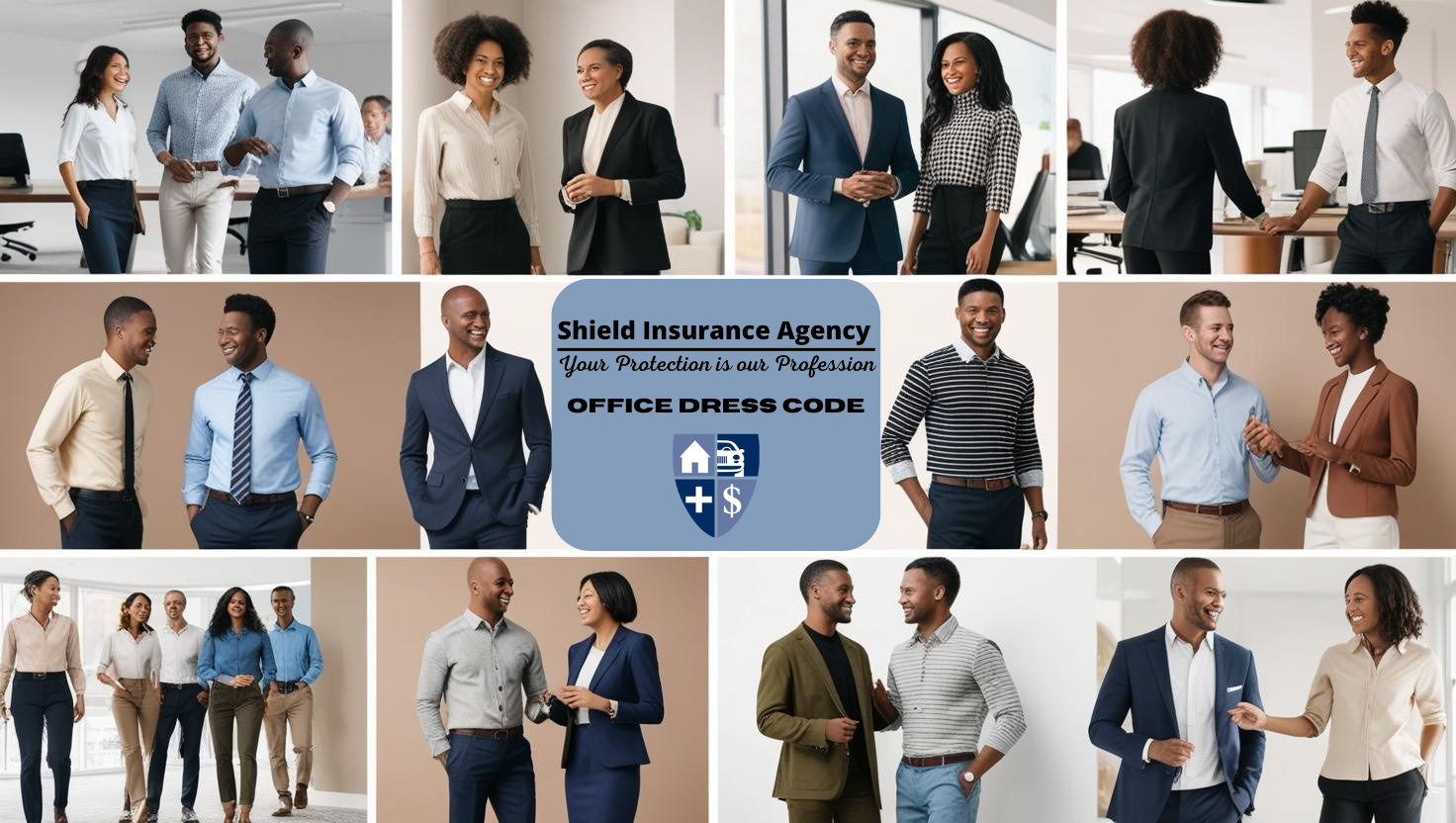
Is the formal ‘suited and booted’ office dress code extinct?

By Bryan Lufkin | 15th July 2021 | BBC

We’ve been drifting away from formal office dress codes for years. The pandemic may have finished them off for good.

If you didn’t buy any new clothes during the pandemic, you’re far from alone.

In the UK, clothing sales plummeted 25% in 2020, the largest annual drop since record-keeping began 23 years ago. The picture was similar in the US, where fashion companies saw a 90% decline in profit in 2020. Particularly hard hit was the business-fashion sector, as workers swapped offices for their homes, in-person meetings for Zoom – and downgraded their outfits accordingly.   

Now, as vaccine rollouts move many countries closer to returning to the office, many of us may be realising it’s time to sideline our athleisure and slip into something a little more presentable.

This realisation might be particularly acute, and indeed unwelcome, for people employed in sectors where formal attire – like business suits, ties and high-heels – is more common. Yet we’ve been drifting away from these kinds of office dress codes for years, and experts believe that the pandemic will have further reduced the need for this kind of attire.

As we transition to the post-pandemic era and its new forms of flexible work, companies may well focus more on functionality – and care even less about staff showing up in formal office wear.

Formality’s rise and fall

It’s abundantly clear that the pandemic has accelerated a long-standing discussion around whether business attire is still relevant. Lockdowns were barely a few weeks old before we began prognosticating about the future of slacks and blazers. By May, we were already debating why the office dress code should never come back, or whether the suit was finally dead.

At first, some experts encouraged us to dress up for work video calls anyway, as it could bolster our mental health and increase our sense of purpose and productivity. (Most of us dropped that pretty quickly, though). Instead, during the past 18 months, most of us have worn what’s comfortable – and the overall consensus is that we’ve been pretty productive, regardless.

That’s a far cry from the idea that to do your best work – and cultivate the best impression – you need to look the part. That kind of thinking dates back to the Victorian era, when professional, educated and wealthy men wore wardrobes of velvet and fur, which signaled status and influence.

Raissa Bretaña, fashion historian and adjunct professor of art history at the Fashion Institute of Technology in New York City, says that from the 19th Century to the post-war years, tailormade suits were the norm for both working men and men of leisure – and, eventually, women of the same classes. “It was only in the later part of the 20th Century – when dress became more casual and democratic – that the idea of the ‘business suit’ became almost exclusively associated with white collar workwear,” says Bretaña.

Our obsession with business suits peaked sometime in the 1980s, with the rise of the ‘power suit’: the outfit that defined the ‘greed is good decade’ and communicated wealth and power even in pop culture, whether it was the movie Wall Street or the TV series Dynasty. 

Click here for the rest of the story…

Read More