Telematics and managing commercial auto risks

Commercial | AUTO FLEET MANAGEMENT  •  2 MIN READ

Telematics and managing commercial auto risks: 3 steps to success

More cars on the roads, rising medical costs, distracted drivers, and higher repair costs are just a few of the factors driving the increase in commercial auto losses. In an effort to help minimize risks and better control costs, more businesses are exploring telematics technology. According to the most recent Fleet Management Technology Report, 44 percent of fleets now use some form of telematics.

However, to get the most return on investment from telematics, businesses need to consider a variety of factors. Here are three steps that can help companies successfully adopt and implement telematics in their operations:

Select a vendor that can help solve your business challenge.

Certain vendors are better at certain things, so it’s important to know in advance the problem your company is trying to solve to help ensure your vendor’s capabilities will meet your needs. For example, a company with a fleet of service vehicles that charges by the hour may want to track exactly when a commercial vehicle arrives at and departs from a specific location to help avoid billing discrepancies. A delivery operation may want to optimize routes to improve productivity and manage fuel costs. A business that is experiencing an uptick in vehicle accidents may prefer to review driver performance by individual, location and vehicle type to identify potential issues.

Translate data into useful information.

The high volume of data, notifications and detailed reports generated from a telematics system can be overwhelming. A business wishing to develop a successful program must know how to transform the data into information that can be applied strategically. For a company that uses telematics to track driver performance, getting an alert for every “aggressive” driving event (speeding, hard braking, etc.) may not provide much value. However, being able to review event rates (number of events per 100 miles driven) for individual drivers could be a better way to compare performance and identify outliers. Establishing suitable reporting parameters to create driver rankings or “scorecards” can help a fleet manager understand “average” performance, set realistic goals that support company objectives, and develop action plans for drivers in need of improvement.

Click here for the rest of the story

Read More

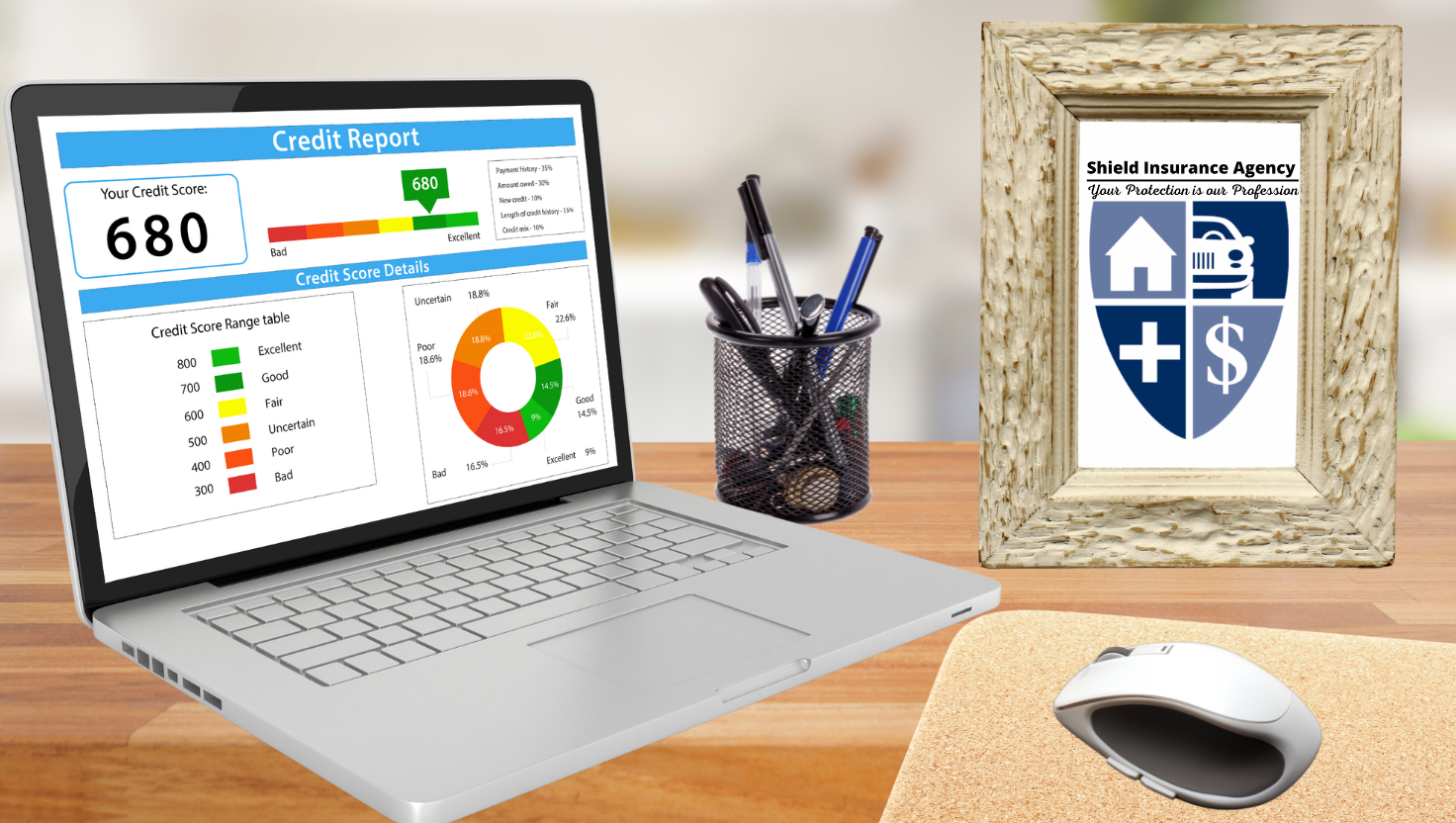
Insurance Rates and your Credit Score

How credit affects auto insurance: Rates could increase up to 72%

Kacie Goff /October 15, 2020

Article Highlights

Before offering you a policy, insurance providers analyze your risk profile by looking at things like your driving history, as well as personal details, such as age or marital status. This evaluation is used in determining your premium. 

But there’s another somewhat surprising factor that affects your premiums in all but three states: your credit score. Unless you live in California, Massachusetts, or Hawaii, expect your credit score to affect how much you pay to insure your car, at least to some degree. 

You may already be familiar with your credit score as determined by the three major credit bureaus, TransUnion, Experian, and Equifax, it’s important to know that insurers assign you an insurance credit score that varies from your traditional credit score. While your credit score plays a role in that insurance score, additional factors are also involved.

It’s important to understand why credit affects car insurance. Carriers’ proprietary credit-based insurance score provides a way to check two things: your likelihood of making insurance payments on time and your likelihood of filing a claim.  

While insurance carriers use a more complex algorithm to calculate premiums based on your insurance credit score, for the sake of this study, Coverage simplified the ratings by classifying insurance scores into three general categories: “good,” “average” and “poor” credit. This is to give you a general idea of the premium impact by credit tier. 

Can credit scores be evaluated for auto insurance rates?

Short answer: yes, in most states. California, Massachusetts, and Hawaii are the exceptions here.

Michigan is a bit of a gray area, too. In Michigan, you might be mostly off the hook. Insurers can’t use your credit score, but they can look at your credit information. That means a low score won’t necessarily increase your rates, but a history of missed payments might make an insurance provider wary, and could ultimately affect your rates. 

Let’s look closer at why credit affects car insurance rates. Studies, including a Congress report by the Federal Trade Commission, have shown that a lower score means you’re a higher risk for your insurer. A poor score directly correlates to an increased risk of filing a claim. 

Click here for the rest of the story…

Read More
Independent Agent - Dave Ramsey's Number One Top - Shield Insurance Agency Blog

Dave Ramsey: Easiest Money-Saving Tip

Dave’s Easiest Money-Saving Tip

4 MINUTE READ | DECEMBER 17, 2020 | Dave Ramsey | Term Life Insurance

Dave Ramsey on his radio show.
Dave Ramsey endorses Shield Insurance Agency

Everyone loves saving money—especially after the year we’ve just come out of. 2020 was a rough one, and there’s no denying people are looking for even more ways to save a buck or two going into the new year.

You probably already know some of the usual ways to cut back on your expenses—everything from packing brown-bag lunches to having an extreme no-spend month. But here’s an easy one you might not have thought of yet. And it could save you a lot of money.

So, what’s the secret we’ve got up our sleeve here? Shopping for insurance with the help of an independent insurance agent like Shield Insurance Agency! (Didn’t see that one coming, did you?) Hear us out, though. This easy-saving tip is worth your time!

The Difference Is the Dave Ramsey Name

Why is an independent insurance agent such an easy money saver, you ask? It’s all in the word independent. They’re not limited to a single insurance provider’s options. With access to a whole network of insurers, an independent agent casts a wider net to find you the best deals on the coverage that’s right for you. It’s like having your own personal shopper . . . but for insurance. Connect with Shield Insurance Agency today and save more. 

And you can feel confident knowing your independent agent doesn’t have a stake in the game when it comes to which provider or policy you choose. They don’t get paid extra for helping you choose a specific one—so, at the end of the day, the choice is yours!

Old Policies Aren’t Always Better

The only constant in life is change, right? We all know that. But a lot of people treat their insurance policy like a bottle of wine that just gets better with age. Spoiler alert: Insurance doesn’t work like that.

Never taking a second look at your insurance policy is a mistake that could cost you. In fact, a recent survey found that one out of every three Americans with homeowner’s or car insurance have never shopped around for better coverage. Ever. That means they could be missing out on new discounts that apply to where they’re currently at in life.

Did Junior get good grades this semester? Did you get married recently? Drive a different car these days? All of that might impact your insurance rates.

After 15 years with the same auto insurance company, Zach D. decided to give an independent agent a try. Now his family is saving $1,200 a year on the exact same coverage.

Dave Ramsey: It’s About More Than Your Bottom Line

You also shouldn’t have to sacrifice your coverage quality to save a buck. Saving money is awesome. But cutting costs shouldn’t mean cutting corners. A true pro takes time to walk you through your coverage options so you can make the decision that’s right for you.

Sadly, this basic level of service isn’t always part of the package. Many people don’t fully understand the details of their insurance policies at all. And if you’re confused about what’s covered and what’s not, that could really cost you. Things like floods, earthquakes, and normal wear and tear are not usually covered under a basic homeowner’s policy.2

So be sure you know what you’re paying for. No one wants to be surprised in the middle of a crisis when they’re trying to file a claim. Take our 5-Minute Coverage Checkup to make sure you have the right kind of coverage you need.

Brandi’s insurance premiums went up 10%. With help from her independent insurance agent, she cut her rate by 20% and got increased coverage with lower deductibles.

Start Saving Today

What would you do with an extra $700 or more to your name? That’s how much people save on average by having an insurance Endorsed Local Provider (ELP), like Shield Insurance Agency, check out their rates. With that kind of extra money, you could knock out your debt snowball, boost your retirement fund, or get hustling on paying off your mortgage. The possibilities are endless! So what are you waiting for?


More blogs by Shield Insurance Agency

Read More

Oct. 20 National Teen Drivers Safety Week

Parents encouraged to talk to teen drivers about the importance of driving safely

How Parents Can Help Teen Drivers

Motor vehicle crashes are the leading cause of death for teens 15-18 years of age in the United States, ahead of all other types of injury, disease, and violence. Inexperience and risk-taking behavior are factors that increase the crash risk for teens.

            “Parents can help protect their teens by talking with them about how to avoid risky driving behaviors,” said Michael L. Prince, OHSP director. “Because of their lack of experience, teen drivers are at a greater risk of being killed or injured in a crash. That is why it is so important to start a conversation with teens and encourage safe driving practices.”

            In Michigan, teens and young adults age 15-20 years old, accounted for 7.6 percent of all traffic deaths in 2018, with 55.4 percent of those deaths being the driver. In addition, 9,637 teenagers and young adults were injured in motor vehicle crashes in 2018, representing 12.7 percent of all people injured in a crash.

            Michigan, and other states, have adopted Graduated Driver Licensing (GDL) laws for teen drivers as a way to promote safety behind the wheel and reduce serious injury and death in a crash. Teens face the greatest risk of a crash during their first year of driving. GDL programs limit high-risk driving among teens and can reduce teen crash risk by as much as 50 percent. For more information on the GDL program in Michigan, visit: www.michigan.gov/teendriver.

Opportunity

            A unique opportunity for teens to teach other teens about safe driving, is the Strive for a Safer Drive (S4SD) program. Students at every Michigan high school can participate in S4SD, with cash prizes awarded to the top five winning entries. Parents and teachers are urged to discuss the opportunity with teens and encourage participation in the program. Applications are due Nov. 14. Application information, including examples of winning campaigns, can be found at: https://www.michigan.gov

            The National Highway Traffic Safety Administration also provides information parents can use to help keep teens safe including tips on seat belt safety, distracted driving, impaired driving, and speeding. For more details on Teen Driver Safety Week, including safe driving tips for parents and teens, visit: www.nhtsa.gov/road-safety/teen-driving.

Be sure to visit our informative insurance Blog for more great articles!

Read More

Traffic Tickets That Raise Car Insurance Rates

Odds are, motorists are bound to get traffic tickets for some kind of moving violation at some point. How much that ticket will cost can be minimal, but its impact on insurance premiums can be significant.


Overall, the more a driver puts themselves and others at risk, the costlier their insurance policy will be.

For instance, drivers who get traffic tickets for forgetting to turn on their lights pay an average of $68 more per year for car insurance than drivers without any violations on their record, according to The Zebra. Drivers who get a ticket for speeding in a school zone will see an average insurance increase of $342 per year.

The riskiest violations, however, can more than double an existing auto premium. Depending on the state or city, the same offense could increase rates by 36% or by 383%. Moreover, high-cost penalties hit drivers twice as hard in low-income states, The Zebra researchers said.

Focusing on the greatest threats to insureds, six violations in traffic tickets cost drivers over $1,000 a year in rate hikes and have the biggest impact on auto insurance premiums.

Six most expensive traffic tickets

  1. Hit-and-run, Average rate increase: $1,212 (78.3%)
  2. Racing, Average rate increase: $1,131 (73.1%)
  3. DUI, Average rate increase: $1,100 (71%)
  4. Refusing a breathalyzer, Average rate increase: $1,080 (69.8%)
  5. Driving with a suspended license, Average rate increase: $1,044 (67.4%)
  6. Reckless driving, Average rate increase: $1,038 (67%)
Read More

Distracted Driving? Find out here…

Don’t think you drive distracted?

You might be surprised.

Distracted driving has become an epidemic, taking more than 3,000 lives a year in the United States alone. And while your first instinct might be to think that you don’t drive distracted, not so fast. Because the truth is, most people don’t associate their distracted driving habits as “distracted driving.”

While driving, have you ever:

  1. Adjusted your radio station or playlist?
  2. Touched up your makeup?
  3. Texted?
  4. Talked on your cell phone?
  5. Had something to eat or drink?
  6.  Looked at your GPS or a map?
  7.  Focused so much on conversation with a passenger that you nearly missed a turn?

Distracted driving isn’t just talking or texting on your phone. Anything that takes the eyes or mind off the road and hands off the steering wheel is causing you to drive distracted. It’s important to note, though, that texting while driving is especially dangerous because it requires visual, manual, and cognitive attention. The facts are unsettling.

  • Anytime drivers look at their phones, they take their eyes off the road for an average of five seconds.
  •  This also causes drivers to drift out of their lane about 10 percent of the time.
  • At least 28 percent of vehicle crashes are caused by texting and cell phone use alone—never mind other distractions.2

Tips to prevent distracted driving

The simple truth is that distracted driving is a dangerous safety risk. Help keep everyone on the roadways safe by following these simple tips.

  • Put it away. Your phone, that is. It’s the absolute best thing you can do while behind the wheel so that you can safely control your vehicle and respond to events on the road.
  • Use safe-driving apps: While apps are not generally safe while driving, apps like Textecution, tXtBlocker, DriveSafe.ly and DriveMode can prevent you from texting while driving and keep you safer on the road.
  • Think ahead. Take care of distractions before or after your trip so you can devote your full attention to driving.
  • Ask passengers for help. If another activity requires immediate action, enlist the help of your passengers or safely pull off the road and stop your vehicle before handling the situation.
  • Use hands-free for emergencies. If you need to be accessible at all times, invest in a hands-free device. However, please note that hands-free does not mean risk-free, so only use it in absolute emergencies.
  • Speak up. Be a good passenger by reminding friends and other drivers to follow these rules. Parents especially should talk with their young drivers about the dangers of distracted driving. Make a family pledge where everyone commits to safe driving.

Visit our blog for more articles on safe driving!

Read More

In a car accident or broke down? Helpful tips

Helpful tips if you are in a car accident or a breakdown.

No one expects to get into a car accident. Although you can work to prevent and prepare for one, the sudden jolt may leave you shocked and stressed, and unsure of what to do next. While you try to wrap your head around what just happened, it’s easy to forget vital actions that can aid your physical and financial recovery.

Just remember to be SAFE—both literally and by following our acronym:

  • S – Safety first
  • A – Alert authorities
  • F – Fact collection
  • E – Exchange information

Safety first

The No. 1 priority after a car accident is the safety of yourself and others. Immediately after the accident, be sure you:

  • Turn on your hazard lights.
  • If possible, pull your car over to a safe place. If not, stay inside with your seatbelt on.
  • Check the safety of others and provide assistance to anyone with an injury.
  • Don’t move an injured person. This can cause additional damage and should be avoided unless the person’s safety is at risk.

Alert authorities

Even if it’s a minor fender bender that you think you can settle among yourselves, it’s still important (and in some states, the law) to call the authorities no matter how small the accident is.

  • Call 911 or the local police station.
  • Avoid saying “I’m sorry.” Even if you feel guilty, don’t admit fault—especially when talking to the police. You may find out later that the other driver was actually to blame or that you share the blame.
  • Even if you don’t show visible injuries, it’s recommended to call for medical help or at least visit the emergency room or your doctor after you leave the area.
  • Be sure to file an accident report, even if police don’t come to the crash site. Depending on the state’s laws and the severity of the accident, police may not be dispatched. Filing a report puts the accident on the books and can help speed up the claim process.

Fact collection

After an accident, you may feel a whirlwind of emotions. Stay calm, and immediately document the accident as you experienced it.

  • Take pictures of your car, any other cars involved and the surrounding area.
  • Take notes on what happened before, during and after the accident. Include details about the location, weather, road conditions and traffic control.
  • Write down the names of any law enforcement officials or witnesses who are at the scene.

Exchange information

Swapping information is essential to work through any sort of claim or legal process that could result from a car accident. Be sure to exchange:

  • Names
  • Addresses
  • Phone numbers
  • License plate numbers
  • Driver’s license numbers
  • Insurance providers
  • Policy numbers

What to do once you arrive home
Unfortunately, even after you have SAFE-ly left the accident, there are still a few matters to take care of, such as filing a claim. You’ll want to report your claim ASAP. The sooner you file a claim, the sooner your insurance provider can start working on it—and the sooner you can get your life back together.

Note: This article contains helpful tips for any driver involved in an auto accident. Policyholders may choose to follow this advice or not without it affecting their auto coverage.

Read More

Breaking up with distracted driving

Breaking up with distracted driving

Distracted driving is a bad habit, and one worth breaking.

It’s dangerous — not only for drivers and their passengers but also for pedestrians and bicyclists. It can also be deadly. In 2016, 9% of fatal crashes in the U.S. were reported as distracted driving crashes and about 14% involved a cell phone. Additionally, drivers age 15 to 19 years old made up the largest proportion of drivers who were distracted at the time of a fatal crash.

It all comes down to this: if we can break our distracted driving habits, we can help save lives. And that’s worth doing!

Safe driving requires visual, manual, and cognitive attention to work together. Taking your attention away from even one of these areas means you’re driving distracted.

1. Visual.

Visually distracted driving means taking your eyes off the road. To properly see, anticipate and react to obstacles while driving, you must watch the road.

Examples of visual distractions:

  • Taking your eyes off the road to adjust your radio, climate controls or navigation system
  • Reading something on your cell phone, a book or a computer
  • Looking in your rearview mirror to talk to a passenger
  • Watching an accident scene as you drive by (i.e. “rubbernecking”)

Reduce visual distractions by:

  • Asking a front seat passenger to adjust your radio or climate controls.
  • Setting the location in your navigation system prior to driving. If you need to adjust it mid-drive, safely pull off the road or park to update the system from your stationary vehicle.
  • Placing devices outside of your reach while driving so you can’t pick them up.
  • Focusing your eyes on the road instead of passengers inside your vehicle.
  • Practicing extra caution while driving by an accident scene and watching for people, cars and road debris in the path ahead of you.

2. Manual.

Manual distracted driving means taking your hands off the steering wheel. Keeping two hands on the steering wheel is the best way to stay on the road and avoid accidents. One hand, two knees or anything else you might use to steer your vehicle isn’t going to give you the control or turning radius to stay safe.

Examples of manual distractions:

  • Taking a hand off the steering wheel to adjust your radio, climate controls or navigation system
  • Texting or talking on a cell phone or operating a device while driving
  • Eating, drinking, smoking or putting on makeup
  • Searching for an item in your purse or fast food bag

Reduce manual distractions by:

  • Asking a passenger to adjust your radio, climate controls or help you navigate.
  • Making hands-free phone calls and committing to never text while driving.
  • Putting devices outside of your reach or turning them off.
  • Applying makeup, eating or smoking only in a parked and stationary vehicle.
  • Keeping both hands on the steering wheel when the car is in motion.

3. Cognitive.

Cognitive distracted driving means not focusing on driving. Stress is no stranger to most drivers. But when thoughts, feelings or tiredness get in the way of paying attention to what’s happening on the roadway, it’s time to pull over and take a break. Then you can come back onto the road ready to focus and drive safely.

Examples of cognitive distractions:

  • Tiredness
  • Daydreaming
  • Crying or emotional distress
  • Listening and singing with the radio or other music

Reduce cognitive distractions by:

  • Pulling over to rest if you become tired while driving.
  • Actively thinking about driving.
  • Pulling off to a safe location until you’re ready to drive again.
  • Driving alone without passengers or asking them to quietly occupy themselves.
  • Turning off the radio or music and enjoying the sounds of the world around you.

Read More

5 Road Trip Safety Tips

5 road trip safety tips for your family

Your family has packed its bags, your gear is in the trunk and you’ve filled a cooler will all the best snacks. But being prepared for a family road trip is more than just what you bring with you – keep these five family road trip safety tips in mind the next time you’re planning a family trip:

1. Schedule a tune up.

Before you hit the road, perform a basic safety check by checking your vehicle’s tire pressure, wiper blades, fluid levels, lights and air conditioning. Scheduling regular maintenance for your vehicle is also important – not only will it help prevent breakdowns, but it can offer peace of mind the next time your family is ready for a road trip adventure.

2. Prepare for a roadside emergency.

A long stretch of highway can lead to the unexpected. If you experience a breakdown during your family trip, make sure you’re prepared to handle a roadside emergency. Have an emergency kit in your vehicle, as well as important phone numbers saved in your contact list. Include your insurance company in case you need to make a claim and check with your auto insurance carrier or car manufacturer to see if they offer on-demand roadside assistance.

3. Buckle up for the road trip!

Safety first – always make sure you and your passengers are buckled up properly, including using child safety seats and booster seats when needed, and that they remain buckled in whenever the vehicle is moving. Children under 13 should always ride in the back seat of a vehicle. Never leave a child or pet unattended in a vehicle, and remember that if the weather is warm, a car can heat up quickly putting your child or pet in grave danger.

4. Share the road.

Warm weather also means different types of vehicles are out on the roads. Remember when you’re driving to watch out for motorcycles and bicycles, too. While they have the same rights to the road as you do, their smaller size makes them much more vulnerable. Remember to allow extra following distance and check your surroundings carefully before turning.

5. Don’t drive distracted.

Lead by example for your family – never drive distracted. In 2017 alone, 3,166 lost their lives to accidents related to distracted driving.

Unfortunately, a family road trip can increase the chances for distraction, so it’s extra important to take precautions and keep your eyes on the road. If you need to check your phone for any reason, pull over to a safe shoulder. Remind passengers of the importance of not distracting the driver while the driver is operating the vehicle. Take time to learn how to break common distracted driving habits.

This also goes for driving drowsy, which can be dangerous. Get a good night’s sleep before a road trip, and make sure to switch driving responsibilities with another driver, if possible, or to stop and rest every few hours.

Road trips are a wonderful way to spend time with family, explore the world and experience new things with those you love. Keep these safety tips in mind the next time you plan a family trip to help your travels run safely and smoothly.

Check out some other blogs about taking road trips!

Read More

Plan a Safe Driving Route

Plan a safe driving route with these few things in mind

Whether you’re driving to your vacation destination or planning your route to work, there are tips and tools you can leverage to plan your safest driving route and give you additional peace of mind behind the wheel.

After all — long or short — you want your journey to be a safe one. By planning ahead and using technology, you’ll reduce your driving risks while saving yourself and your passengers time and stress.

Consider these three things when planning your safest driving route:

Implement a safe driving app (or two).

Before you head out the door, consider downloading a safe driving app or route planning app. Many apps can help drivers find peace of mind for themselves or their loved ones while on the road. For example, if you get distracted often by incoming calls or texts while driving, consider an app that will put your phone on “do not disturb mode” the second you start moving. There are also apps that can help you control your driving speed or help parents support safe driving habits for young drivers

For example, the route navigation app Routewise by TNEDICCA helps drivers understand accident frequency along a certain route and provides trip feedback as well as recommendations on safer route alternatives. According to TNEDICCA, 10% of crash locations account for more than 66% of all crashes. Knowing exactly what areas to avoid on your trip could potentially make a big impact on the overall safety of your journey.

Be mindful of rush hours and popular travel times.

When planning your travel route, keep in mind the time of day and the time of year you’re traveling. By planning your trip times to avoid city rush hours, you’ll drive safer with fewer drivers on the road and have the additional bonus of minimizing potential delays to your trip

Route planning apps can help you set your departure time by showing how long it’ll take to reach your destination depending on the time you leave. These apps can also alert you to potential hazards ahead so you’re aware of potential road delays or slowdowns.

Travel during the holidays can also increase traffic and the chance of accidents. According to the NHTSA, there are generally more crash fatalities during holiday periods than non-holiday periods due to increased travel time, more alcohol use and excessive driving speed. Give yourself extra travel time so you’re not rushed. And, since holiday travel can sometimes occur during inclement weather, check the weather along your route ahead of time and be on the lookout for alerts to road conditions. It’s a good idea to be prepared for a roadside emergency just in case.

Use your GPS (safely).

While GPS has been a tried and true driving partner for many years, there are a few ways you can use your GPS to create safer driving habits. For example, consider plugging in your destination before you start moving. You’ll be ready to go the moment you start driving and have one less distraction to take your eyes off the road.

Many drivers can point to a time on a long drive when they became stuck in traffic or made a wrong turn. GPS offers a hands-free way to automatically create an alternative route — however, don’t drive distracted. Remember to pull over if you need to use your phone or make changes to your travel plan. Just sending or reading a text for five seconds can take your eyes off the road for the length of a football field, leaving you exposed to many potential hazards and increasing your chance of getting in an accident. Learn other ways to combat distracted driving here.

Your travel itinerary wouldn’t be complete without a safe driving route to help you reach your destination. The next time you plan a getaway or a long drive, consider implementing these tips and tools to help you find the safest travel route.

This article is for informational and suggestion purposes only. If the policy coverage descriptions in this article conflict with the language in the policy, the language in the policy applies. Talk to your local Shield agent to learn more about auto coverage and safe driving tools.

Read More