How to Hitch a Trailer

How to Hitch a Trailer

Foremost Insurance | by Marrio Roberts Jr. | Hitch a Trailer | Auto Insurance | Request a Comparison Quote

Hooking up a trailer to a vehicle requires patience and attention to detail. If you don’t know what you’re doing, the process can be frustrating, and way harder than it should be. Luckily, Foremost® prepared this guide to help you feel more confident and move forward with a plan.

First of all, remember that ball hitches are not one-size-fits-all. Before you start towing anything, research to make sure you have the right ball hitch for the situation.

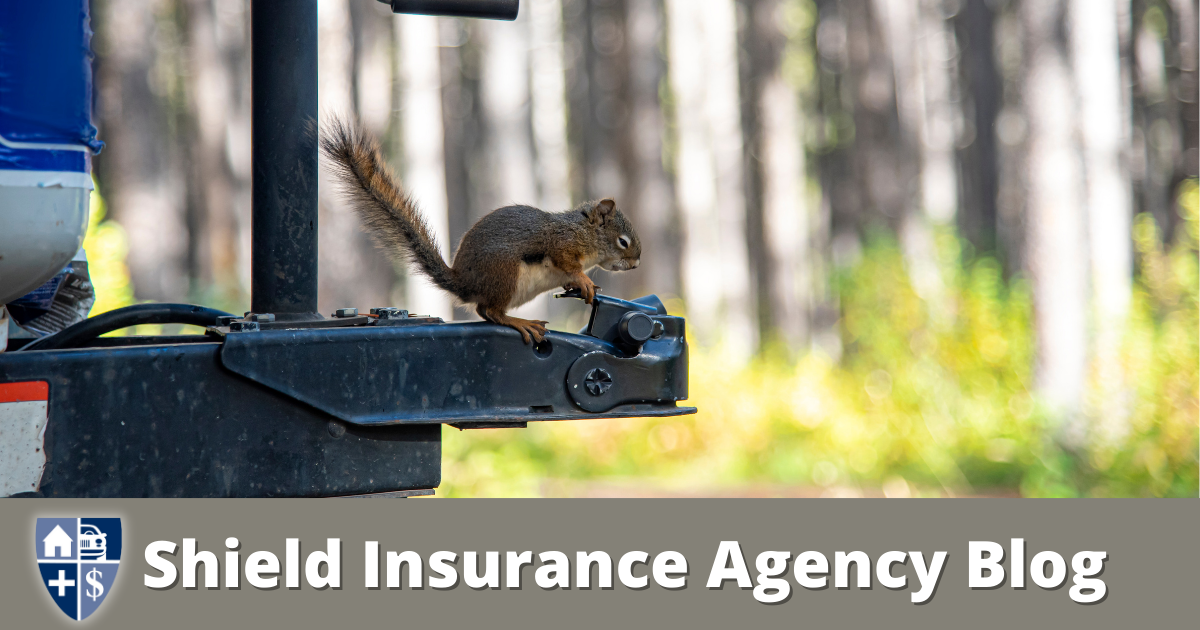
Once you know you have the right ball hitch, you can get started. According to driving-tests.org, the first thing you should do is use the trailer jack to position the coupler a few inches higher than the ball hitch. Then, you should align the ball hitch with the coupler on your trailer, and back the vehicle up so that the coupler is directly above the hitch.

Once aligned, you should be able to lower the coupler onto the hitch. Then, you can latch the coupler and lock it in place. After that’s complete, you can remove the jack.

Next, you should attach the safety chains from the trailer to the vehicle in a crisscross pattern. So, attach the left chain to the right side, and attach the right chain to the left side. This pattern is recommended so that the chains can catch the trailer if it detaches.

When all that is done, you can plug in the electrical wires from the trailer to the vehicle. Be sure to check all lights to ensure they’re working properly. If they are, you’ll be all hitched up and ready to go!

Shield Insurance Agency has insurance policies for cars, trucks, trailers, boats, and many other things you could be towing. If you’re looking for insurance, you can get a quote with us today!


More great articles featured by Shield Insurance Agency

Read More
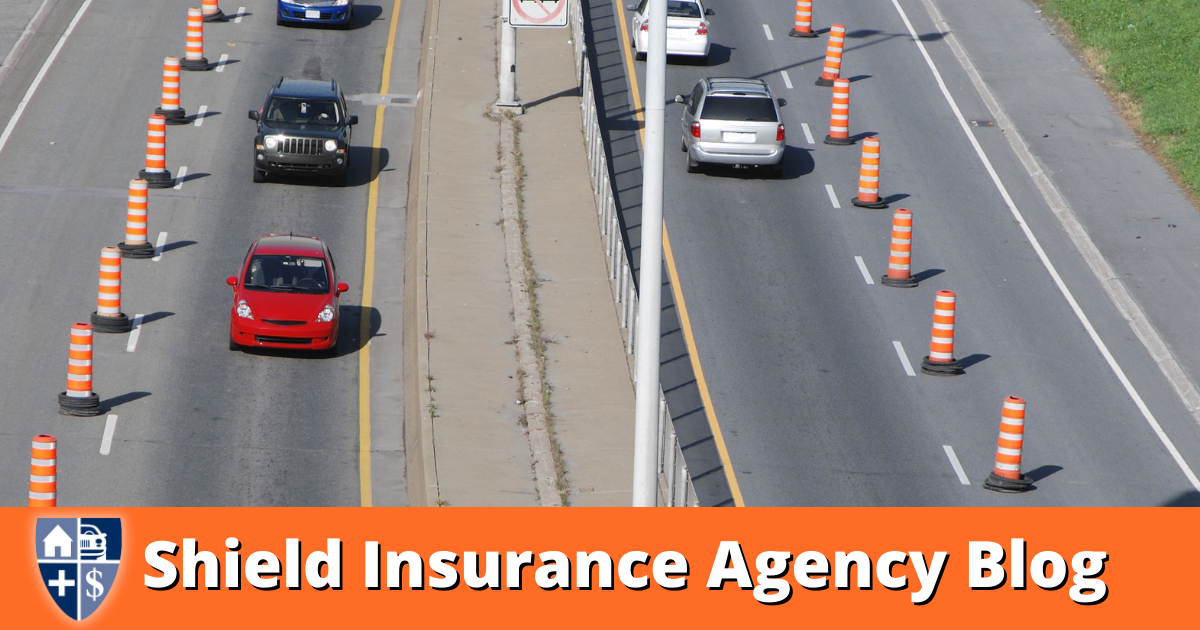
What to do when driving in a work zone

What to do when driving in a work zone

 Foremost | by Noelle Kimble | Work Zone | Auto Insurance | Self-Quoting with Shield

Once I see that the cars are slowing down, I always get frustrated and then I see that the cars are merging to one lane (way too late) and all that makes me think is, ugh…it must be road construction. I’m sure some of you have the same feelings and after researching this topic I feel very guilty. Not only are work zones good, because that means that our roads are being improved upon and made safer, but it also provides jobs to our economy.

So, why do I get so frustrated when I come upon a work zone? Impatience probably. Or maybe it’s that person who sped by everyone at the last minute and wants to merge in front of me, I’m sure you know the one. But, I do understand the importance of driving safely and being aware while I am in the work zone. Fines and tickets are usually double or triple, depending on your state, and very expensive. And, an even more important reason is that people are actually working in this area. I can’t imagine what it would be like to go to work every day on the road, where people are impatiently speeding by you. That’s why this week is Work Zone Awareness Week. To remind drivers, like me, to be aware and careful at these “places of business.”

The Department of Transportation offers 10 tips that should help with your awareness while driving through that oh-so-common work zone:

  1. Expect the unexpected. (Normal speed limits may be reduced, traffic lanes changed and people working very close to the road).
  2. Slow Down. (Speeding is the major cause of work zone crashes)
  3. Don’t tailgate. Keep a safe distance between you and the car ahead of you. (The rear-end collision is the most common crash in a highway work zone.)
  4. Keep a safe distance between your vehicle and construction workers.
  5. Pay attention to the signs. Enough said.
  6. Obey road crew workers.
  7. Stay alert and minimize distractions.
  8. Keep up with the traffic flow. (Don’t drive right up to the lane closure and then try to barge in.)
  9. Schedule enough time to drive safely and check for traffic information before you began your journey.
  10. Be patient and stay calm. (Work zones aren’t there to personally inconvenience you.)

More great blogs by Shield Insurance

Read More
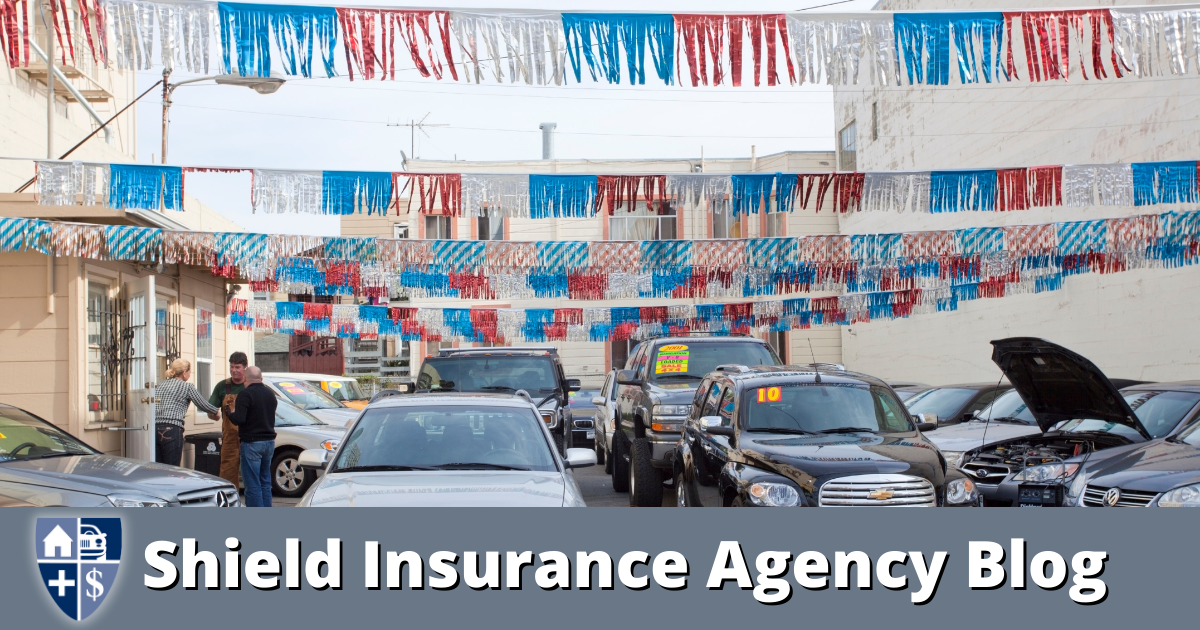
Tips on How to Negotiate a Used Car Price

Tips on How to Negotiate a Used Car Price

Foremost Insurance Blog | by Marrio Roberts Jr. | Used Car | Get a quote today from Shield Insurance

The sticker price on used cars usually isn’t the cheapest price the seller will accept. Whether you’re buying from a dealership or a private seller, their main goal is likely to make a profit. This means they will probably try to sell the car for more than it’s worth. Unfortunately, some people don’t know this, and they pay the asking price. Luckily, savvy buyers like you know better, and Foremost® is here to help you with some negotiating tips.

Here are a few steps to consider.

Find out the market value of the vehicle you want to buy.
You may want to know exactly how much a dealer will come down on the price of a used car. The answer is, it depends. Several factors, including the year, make and model of the vehicle, along with how much the seller paid for the car will determine how much they can come down.

As a starting point, you should find the market value of the vehicle you’re interested in. Sites like Kelley Blue Book can help with this. All you need to do is enter the year, make and model of the vehicle, along with your ZIP Code, and you’ll see what recent buyers in your area have paid for the same vehicle. If you see that people are paying $25,000 for a vehicle and the seller is asking for $30,000, you know you have some room to negotiate.

Consider making your initial offer for a used car lower than what you’re willing to pay.

A mistake you can make when negotiating a used car price is immediately telling the seller the maximum amount you’re willing to pay. Sellers rarely accept the first offer, much like you aren’t accepting their initial number.

If you tell the seller your max offer right away, they may assume that you’re willing to pay more.

Make smart counteroffers for a used car.

Read more about used car purchasing


More great articles from Shield Insurance Agency

Read More
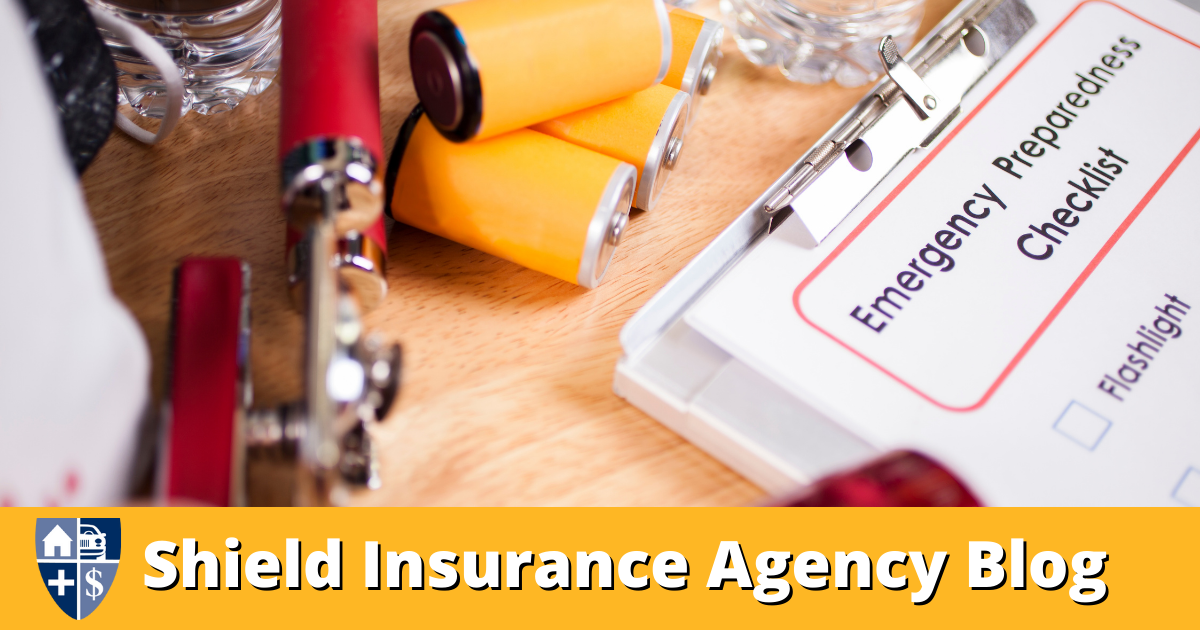
Best Emergency Supplies to Have at the Ready

From Fire Starters to First Aid Kits, These Are the Best Emergency Supplies to Have at the Ready

Emergencies happen — be it snow storms, wildfires, or tornados. Here are some of the best emergency supplies to make sure you’re prepared

Rolling Stones | OSCAR HARTZOG | Emergency Supplies | Shield Insurance Quoting Portal | Shield Home

NO MATTER WHERE you live, emergencies can (and do) happen. But whether it’s snow storms, tornados, wildfires, or hurricanes, the danger of serious emergencies can almost always be mitigated by investing in the best emergency supplies.

But choosing the right emergency gear — or just figuring out what types of emergency supplies you should have — can be tricky. To make things easier, we’ve created a checklist of the best emergency supplies to help your household stay safe in the worst-case scenarios.

What Are the Best Emergency Supplies?

When stocking up on the best emergency supplies, you’ll want to start by considering what needs your emergency stash has to meet. Namely, you’ll need food and water, first aid supplies, and light and heat. If you want to go beyond the basics, we also recommend adding power, shelter (like an emergency tent), and survival tools to your emergency supplies checklist.

No matter what kind of emergency supply you’re looking at — be it a multi-tool, a camping stove, or an emergency food supply — be sure it’s well-built and capable of staying in working order while shelved. The best emergency supplies can be tucked away and taken out months, if not years later, and still function properly.

Read on for a full checklist of the best emergency supplies to stock up on now.

1. Survivor Filter Pro

The most important thing to secure in most emergency situations is clean drinking water. One way to create an emergency water supply is to buy a water tank that you fill up if you know an emergency is on the horizon (i.e. if there’s a tornado warning).

But a more efficient option for securing drinking water is to get an emergency water filter, such as this Survivor Filter Pro. The compact rig uses a pump mechanism to suck up water, run it through a filter, and pump out 500 milliliters of clean drinking water per minute. It’s also very lightweight (half a pound), so you can transport it if need be.

2. Leatherman Wave+

A reliable multi-tool has always been part of our everyday carry, but they become absolutely essential when disaster strikes. Our favorite multi-tool is this Leatherman Wave+, which packs 18 tools in a small package, measuring just four inches when closed. Inside, you’ll find basics like knives, scissors, screwdrivers, and pliers, as well as some good extras like a saw and a wire stripper.

3. Judy Mover Max

Survival kits are a great way to create an emergency supplies stash with just one purchase. Good examples include the Oprah-endorsed Judy Mover Max, which has water and food, safety and warmth, and tools and first aid — all in one ultra-durable, weatherproof backpack. It has enough supplies to sustain four people for 72 hours, and you don’t have to worry about grabbing multiple items during an evacuation.

4. Mountain House Classic Bucket of Emergency Supplies

Click here for a full list of Emergency Supplies…


Visit more great blogs featured by Shield Insurance Agency

Click here to compare your current insurance rates!

Read More
New Crash Data Highlights Need for Better Rear-Seat Protection

New Crash Data Highlights Need for Better Rear-Seat Protection

Consumer Reports | Jen Stockburger & Benjamin Preston | Dec 13, 2022 | Crash Data | Auto Insurance

IIHS pushes for proven front-seat safety technology to improve rear-seat passenger safety

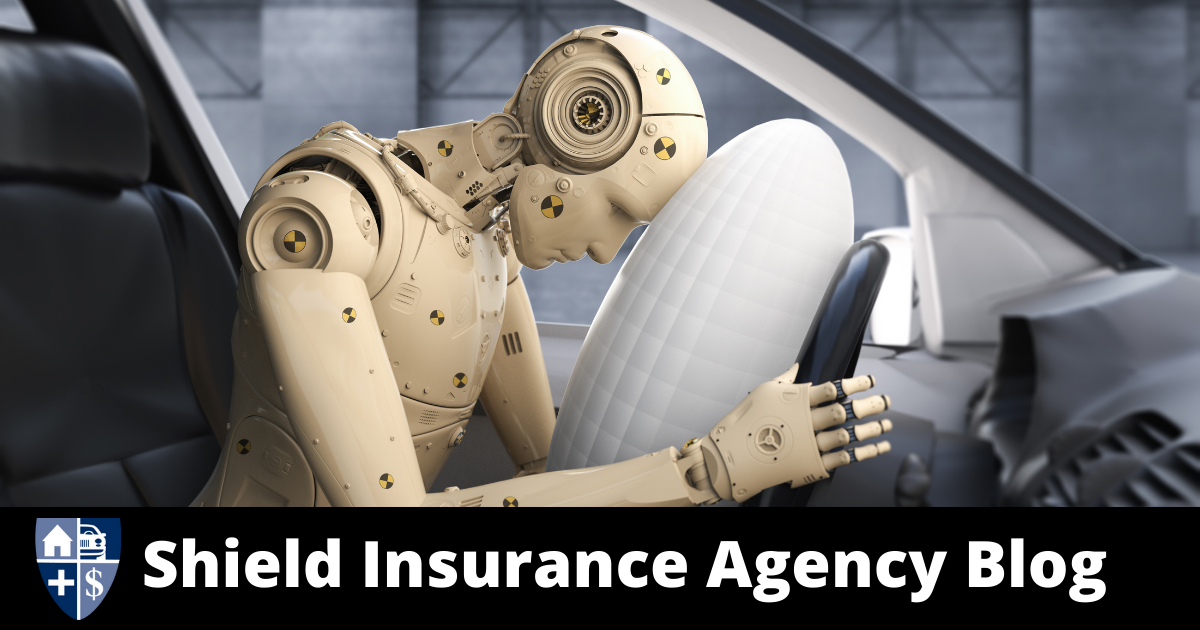
The Insurance Institute for Highway Safety released its first crash ratings for a rear-seated dummy in its moderate frontal overlap crash test, a scenario the nonprofit has been running for some time. The rear-seat results mark the first frontal crash-test ratings in the U.S. focused on rear passengers, and the next step as IIHS continues to push for improved crash safety. However, the first round of the new testing showed that there is still work to be done to better protect rear-seat passengers.

“In our rear-seat safety features ratings, we reward manufacturers that put proven front-seat safety technologies in the rear seats,” says Emily Thomas, manager of auto safety for CR’s Auto Test Center. “The new ratings from IIHS have the potential to expand the implementation of these technologies, which can improve crash outcomes for rear occupants.”

The update IIHS has made to its moderate-overlap frontal crash test includes a Hybrid III crash-test dummy that represents a small adult or a 12-year-old child sitting in the rear outboard seat. The moderate-overlap test in combination with the small-overlap frontal and side-impact tests are key crash-related elements of a vehicle’s IIHS crashworthiness score.

The first round of testing covered 15 small SUVs, showing an overall imbalance in protection between front- and rear-seat passengers. The new testing focuses on the dummy’s potential for head, neck, chest, and thigh injuries; head contact with the vehicle interior; and the potential for seat belts to move from proper belt placement to higher injury risk areas on the dummy.

Among the models tested, IIHS found that only the Ford Escape and Volvo XC40 protected the rear occupant well enough to earn a Good rating overall—IIHS’ highest score. The Toyota RAV4 earned a second-tier Acceptable rating, while the Audi Q3, Nissan Rogue, and Subaru Forester received the second-from-bottom Marginal rating. Another nine SUVs—the Buick Encore, Chevrolet Equinox, Honda CR-V, Honda HR-V, Hyundai Tucson, Jeep Compass, Jeep Renegade, Mazda CX-5, and Mitsubishi Eclipse Cross—received the lowest rating, Poor. (Note that these tests were conducted on the previous generation CR-V, HR-V, and Tucson.)

The new IIHS test data complements Consumer Reports’ existing rear-seat safety features ratings, which combines CR’s longstanding work in evaluating a vehicle’s potential for child safety through child car seat and booster seat fit with crash-protection features intended for rear occupants of all ages and sizes. In its scoring, CR evaluates the presence of features already proved to provide benefits for front occupants, such as head restraints of adequate height and advanced seat-belt features that improve both fit and crash performance. Features that have become nearly universal in the front seat—namely adjustable upper seat-belt anchors and seat-belt pretensioners and load limiters—have been slow to become standard features in the back seat. In its new testing, IIHS illustrates those features’ potential to improve a vehicle’s rear-seat crash scores.

“In the front seat, crash tensioners (pretensioners) tighten the seat belts the instant a crash begins so that the occupant’s body begins to slow with the vehicle. Then, as the tightened belt stops the occupant from flying forward, force limiters allow some of the webbing to spool out to reduce the risk of chest injuries,” says IIHS.

Although this is the first time Hybrid III crash dummies are being used in the rear seat in frontal crash testing in the U.S., they have been part of safety testing in Europe—in the European New Car Assessment Program, or Euro NCAP—since 2015. In Europe, manufacturers moved quickly to include advanced seat-belt technology in rear seats as standard equipment to improve the injury outcomes for rear passengers.

“Manufacturers have been slower to include this technology in U.S.-market vehicles, but these new ratings should spur huge safety improvements for rear-seat passengers,” says Thomas. “Over the years, IIHS and Euro NCAP have shown the significant influence consumer crash-testing programs can have on the marketplace.”

More of the story…

Read More
Used-Car Prices Are Falling, but Buying Is Still a Challenge

Used-Car Prices Are Falling, but Buying Is Still a Challenge

As used-car prices ease from all-time highs, higher interest rates are ramping up monthly payments

Consumer Reports | By Benjamin Preston | Updated November 10, 2022 | Used-Car

After a historic used-car price spike throughout much of last year, prices have begun to come down. Although they haven’t yet deflated to levels that would fall into the deal territory, a recent drop of nearly 4 percent may offer hope to used-car shoppers, albeit mainly those paying with cash. Rising interest rates will likely negate the drop in prices for buyers who have to finance, meaning you could end up paying more over the life of the loan.

That said, the luxury of waiting for a sunnier economic outlook isn’t available to everyone. If you need to buy a used car now, Consumer Reports can tell you how to make the best of the current situation, with expert advice and market insights from industry insiders.

In good times and bad, Consumer Reports members can search our Used Car Marketplace for vehicles for sale in their area, sorting by the factors that matter most. The listings include CR reliability and owner satisfaction ratings, and there’s a free Carfax report for most of the vehicles. Members can also access ratings and information on used vehicles going as far back as 20 years.

Our main advice for buyers in this tricky market is to act quickly and negotiate from an informed perspective. That can make the difference between getting a fair deal or paying too much. Also, it’s never been more important to make sure your credit is in as good shape as it can be. Interest rates are up, but the most competitive rates are reserved for those with strong credit ratings.

Here are some other ways to make the best of a tricky market.

Consider buying a new car instead of a Used-Car

If you’re looking at newer used cars—models in the 1- to 3-year-old range, you may find that prices are still relatively close to what they sold for new. If you have to borrow money to buy the car, it may be better to find a new car that can qualify you for a lower interest rate, to say nothing of the benefit of a fresh factory warranty. Many manufacturers subsidize financing and may offer interest rates that are much lower than normal to qualified buyers. Check dealer incentives in your area and see what’s being offered.

Look at older models of Used-Cars

Everything is more expensive, so your budget may preclude used cars on the newer end of the spectrum. Also, prices on older cars have dropped the fastest. If you go the older car route, Consumer Reports recommends looking at models known for reliability. They will provide better value than more recent models that can be closer in price to new cars. The downside is that if you have to finance the purchase, interest rates tend to be higher on loans for older cars.

Prearrange financing. Used-Car

The Full story is here…


More great blogs from Shield Insurance

Read More
How To Winterize Your Car in 8 Easy Steps

How To Winterize Your Car in 8 Easy Steps

Winterize Your Car. You know freezing conditions can be dangerous. Here’s how to be well-prepared if you need to take the car out when snow and ice coat the roads.

Popular Mechanics | BY MANASEE WAGH | NOV 4, 2022 | Winterize Your Car | Shield Auto Insurance

It’s November, which means now is the perfect time to get outside and start prepping your car for the ice and snow ahead. We put together a list of eight easy ways to winterize your car and stay safe. Our first three tips concentrate on your car’s tires, since rubber meeting ice presents the greatest potential hazard. The rest are simply good practices that will help you maintain your vehicle over time and prep for the worst-case-scenario.

Even if you follow all of our instructions to the letter, remember to make smart decisions depending on the current and forecasted weather outside. Make sure you know how to drive in different winter conditions. And finally, if you plan a road trip and wake up to find a blizzard approaching, consider postponing the drive unless you must travel for an emergency.

1. Switch to Winter Tires or New All-Season Tires

Winter tires don’t harden in the cold, so they have better traction on ice, slush, and snow. If you live in an area not normally hit by heavy snow, you may decide to stick with all-season tires—but you should still give those tires a check-up.

Get out a pair of thin rubber gloves and run a hand over each of your tires. “The tires are really going to make a difference in your ability to get around in inclement weather,” EricTheCarGuy explains on his YouTube channel. He recommends checking for abnormal wear, bumps, or spots that “catch your hand,” which are all signs that you should probably check your alignment, too. If a tire is worn out, change it. If you’re not sure if your tread is worn or not, you can use a handy tool called a tire tread depth gauge. Alternatively, you can stick a penny into the treads, with Lincoln’s head facing down into the tire. If you can see the top of his head, get those tires changed right away, according to the U.S. Department of Transportation.

Also remember that tires become harder on their surface from repeated heating and cooling over the seasons and years. Cars with apparently healthy treads can have poorer traction than you think they do. So when in doubt, swap those tires out.

2. Check Your Tire Pressure to Winterize Your Car

Make sure your tire pressure is correct, as stated in your owner’s manual, the tire placard located on the driver’s side door jamb, or in your car’s digital status center. For every 10 degrees Fahrenheit that the temperature drops, you could see a gain or loss of 1 pound per square inch of pressure. That’s because air molecules pack together more closely when the temperature drops. As the air becomes denser, the pressure it exerts on the interior tire walls drops. Make sure you’re refilling your tires whenever they’re a little low to maintain good traction and durability.

3. Put Chains On Your Tires in Extreme Cases

Chains should only be used while driving on snowy or icy roads. Never use chains on bare pavement, or they could cause damage to both your car and the road; Pull over and remove them if that’s the case. Check out this handy how-to video from the Oregon Department of Transportation about installing winter tire chains and how to correctly use them.

4. Install Winter Windshield Wipers to Winterize Your Car

Check out the rest of the great article!


Visit other blogs by Shield Insurance Agency!

Read More
Vehicle-Deer Collision

Vehicle-Deer Collision

DIFS Encourages Drivers to Review Auto Insurance Policies to Understand Coverage for a Vehicle-Deer Collision

Media Contact: Laura Hall, (517) 290-3779, DIFS-press@michigan.gov  | Vehicle-Deer Collision

Consumer Hotline: 833-ASK-DIFS, AutoInsurance@michigan.gov  

FOR IMMEDIATE RELEASE: November 15, 2022

(LANSING, MICH) The Michigan Department of Insurance and Financial Services (DIFS) is reminding consumers to review their auto insurance coverage to make sure they understand what coverage may be available in the event of damage caused by a vehicle-deer collision. Though these types of crashes occur all year round, the fall deer hunting season, coupled with shorter daylight periods, often increases the number of these crashes, which can cost thousands of dollars to repair. Vehicle-Deer Collision

“Auto insurance may not be at the top of your mind as we head into the colder months, but this is a good time of year to review your policy so you are prepared for unexpected mishaps, like hitting a deer with your car,” said DIFS Director Anita Fox. “Understanding your auto coverage can make the difference between an inconvenience and a major financial problem, given that the cost of repairing damage from a vehicle-deer collision can be $5,000 or even more. In most cases, you will need to buy an optional coverage called comprehensive insurance to cover damage caused by something other than a crash with another vehicle, so it is important to consider your family’s insurance needs and budget before a potential loss.” 

According to the Michigan Office of Highway Safety Planning, each year there are approximately 50,000 reported vehicle-deer crashes in Michigan. About 80%of these crashes occur on two-lane roads between dusk and dawn, especially during the spring and during fall hunting season. A recent study conducted by AAA reported that Michiganders pay an average of $130 million each year to repair vehicle damage caused by collisions with deer.

To make sure that you are protected against this type of damage, you should discuss your current auto insurance policy with your licensed insurance agent or company. In most cases, you will need to buy an optional comprehensive coverage. Comprehensive pays if your car is stolen, or for repairs if it is damaged by a falling object, fire, flood, vandalism, or collision with an animal.

Here are a few tips on what to do after a vehicle-deer collision

  • Pull off the road, turn on your emergency flashers, and be cautious of other traffic if you exit your vehicle.
  • Report the crash to the nearest police agency and your insurance company or agent.
  • Document the incident. If it’s safe to do so, take photographs of the roadway, your surroundings, damage to your vehicle, and any injuries you or your passengers sustained. If witnesses stop, take down their account of what occurred, and ask for their contact information.
  • Do not approach the deer. Wounded animals can be dangerous, and an animal that appears to be dead may only be stunned.
  • Don’t assume your vehicle is safe to drive. Double-check that your car is drivable after colliding with a deer. Look for leaking fluid, loose parts, tire damage, broken lights, a hood that won’t latch, and other safety hazards. If your vehicle seems unsafe in any way, call for a tow.

If you have questions or concerns with your insurance policy or wish to file a complaint, contact DIFS at 833-ASK-DIFS Monday through Friday from 8 a.m. to 5 p.m. or visit Michigan.gov/DIFScomplaints.

The mission of the Michigan Department of Insurance and Financial Services is to ensure access to safe and secure insurance and financial services fundamental for the opportunity, security, and success of Michigan residents while fostering economic growth and sustainability in both industries. In addition, the Department provides consumer protection, outreach, financial literacy, and education services to Michigan residents. For more information, visit Michigan.gov/DIFS or follow the Department on FacebookTwitter, or LinkedIn.

####


More posts from Shield Insurance Agency

Read More
The 11 Best Remote Control Cars for Kids (And Some for Adults, Too)

The 11 Best Remote Control Cars for Kids – And Some for Adults, Too!

Satisfy your need for speed and off-road adventures with these top picks for Remote Control Cars

 Popular Machanics | BY RACHEL KLEIN | NOV 7, 2022 | Remote Control Cars | Auto Insurance

Updated Nov. 1, 2022: This piece was updated to reflect current pricing, including sales, and details specific to each of the remote control cars.

From monster trucks to speed demons that can clock 70 miles per hour, remote control cars deliver hours of fun, whether you’re an experienced hobbyist looking to upgrade and splurge on a higher-end model or a parent searching for an activity to get your kid off the iPad.

If you’re new to the RC world — that’s remote control, in pro lingo — shopping for a car (or RC airplane or truck, for that matter) can feel somewhat daunting at the start, as there a lot of technical details to wade through while you’re comparing models, even for kids’ toys. And, with so many car types and features, it can be tough to figure out which options meet your criteria for style and price. The good news is that while there may be a bit of a learning curve, you can get a taste of the action no matter your budget.

With that in mind, read on for our top recommendations, plus an RC car primer and essential advice to consider before you shop.

What to Consider when shopping for Remote Control Cars

While shopping, you may see the initials “RTR” in product descriptions, which stands for “ready to race.” This means you can start playing with it right out of the box or after charging, with no extra parts required to get it up and running. Keep in mind that some cars are labeled RTR even though batteries are sold separately.

There are hobby-grade RC cars and toy cars designed for kids, with the latter typically being less expensive, though there are toy cars that offer impressive performance and a low price point. The types of vehicles to choose from include off-road 4x4s and buggies, rock crawlers, and racing drift cars, so you’ll need to decide which you or your child will most enjoy. You’ll also often see the RC car’s scale listed, which represents its size in relation to the real deal.

Speed varies depending on what the car is built to do. For example, rock climbers don’t have to be incredibly fast to tackle boulders, but do need powerful high-torque motors, whereas you’ll want a race car that can hit at least 35 miles per hour. Less expensive RC cars generally have a two-button remote control, and those on the higher end have 2.4GHz pistol-grip style remotes with more advanced steering and throttle. Finally, if you do go for a high-end model, make sure that replacement parts and upgrades are easily available.

How We Selected

Visit the full story!


More great articles featured in the Shield Insurance Agency Blog

Read More
Michigan Supreme Court to hear car insurance case – will it lead to higher rates?

Michigan Supreme Court to hear car insurance case

Michigan Supreme Court to hear car insurance case – will it lead to higher rates?

WXYZ.com | By: Kiara Hay | Posted at 6:25 AM, Sep 30, 2022 | car insurance

The fight over no-fault car insurance in Michigan could lead to higher premiums for all drivers next year.

It’s part of the fallout surrounding the 2019 reform law that is now heading to the State Supreme Court.

Every driver who received a $400 auto insurance refund check last year will likely slowly pay it back with claims that insurance rates will go up starting in July.

The Michigan Supreme Court will rule on whether or not people catastrophically injured before 2019 will continue to get their medical expenses covered indefinitely.

So, how did we get here?

In 2019, Gov. Gretchen Whitmer rolled out a no-fault reform law. It set a fee schedule and cap on reimbursements not covered by Medicaid, impacting people who have been severely injured in a crash.


In August 2022, the Michigan Court of Appeals ruled it unconstitutional to cut payments off to people injured before 2019.

The state Supreme Court will now hear oral arguments in March 2023.

The decision is hitting everyone in their pockets with the Michigan Catastrophic Claims Association saying it will increase rates in July.

It could go up $48 a year for people who select no personal injury protection, or limited protection, and a 42% increase for drivers who want unlimited personal injury protection, going from $86 per year to $122.

Click here for the full story…


Visit more great blogs from Shield Insurance Agency

Read More