
Renovating Your Home to FORTIFIED Standards

If you’re working on your home or putting on a new roof, consider renovating to FORTIFIED standards. Developed by the Insurance Institute for Business & Home Safety (IBHS), FORTIFIED Home™ construction practices are designed to help homeowners and communities better weather future storms, including hurricanes, high winds, hail, and severe thunderstorms.  Building codes set a minimum standard for construction techniques and materials. Building FORTIFIED means exceeding those requirements.

The goal of building FORTIFIED is to take action today to make homes and communities more resilient to natural disasters tomorrow. Using data from more than 20 years of storm damage, IBHS created a set of standards for new and existing construction that can be affordable and can be incorporated into your home’s building design.

If you’re working on your home or putting on a new roof, consider renovating to FORTIFIED standards. Developed by the Insurance Institute for Business & Home Safety (IBHS), FORTIFIED Home™ construction practices are designed to help homeowners and communities better weather future storms, including hurricanes, high winds, hail, and severe thunderstorms.  Building codes set a minimum standard for construction techniques and materials. Building FORTIFIED means exceeding those requirements.

The goal of building FORTIFIED is to take action today to make homes and communities more resilient to natural disasters tomorrow. Using data from more than 20 years of storm damage, IBHS created a set of standards for new and existing construction that can be affordable and can be incorporated into your home’s building design.

Three Levels of FORTIFIED Home Designations

  1. Bronze: As part of the bronze level, a wind-driven rain management system in the roof protects against water damage. It features ring shank nails to protect against wind uplift resistance, which provides double the strength of nails used on traditional homes. Another important technique is sealing the seams of your roof deck to prevent water intrusion from wind-driven rain.
  2. Silver: The silver designation adds features such as impact-resistant windows and pressure-rated doors to protect the home from flying debris in strong winds. 
  3. Gold: The gold designation focuses on creating a continuous load path by tying the roof to the walls, the walls to the floors, and the floors to the foundation to help make the home able to withstand hurricane-force winds.

Adding Value and Safety

After a certified, third-party evaluator verifies that the home meets FORTIFIED standards, you receive a certificate and a unique ID number valid for five years. The FORTIFIED designation helps show you have made consistent and defined structural updates to your home. 
To learn more, visit the IBHS website.

Learn more about homeowners insurance, or if you’re ready to take the next step, give us a Call or Text: 616-896-4600, and we will get you started!

Read More

Independent Agents vs. Captive Agents

When you’re in the market for insurance, whether it’s home, auto or commercial insurance, you typically work with an agent who can help you find a policy that meets your needs. But most people don’t know that there are two different kinds of insurance agents—captive and independent agents.

So what is an independent insurance agent vs. a captive insurance agent? In short, captive insurance agents are contracted to work for one insurance company and can only sell that company’s policies. On the other hand, independent agents are contracted to work with a variety of insurance companies and can sell policies from multiple providers.

As a consumer, it’s important to understand the distinctions between captive and independent agents. Although they sound the same, some people may benefit from working with a captive agent and others with an independent agent. In this article, we’ll explain the key differences and help you decide which agent is best for you.

Captive Agents

Most of the major insurance companies, like State Farm, Allstate and Farmers, use captive agents to sell their insurance products. Their agents are only selling policies from that one insurer, so the agents are experts at knowing the different policies available, discounts and coverage add-ons for their one carrier.

Because of that, they can be helpful for people who are buying insurance for the first time or for people who aren’t sure how much coverage to purchase.

Client satisfaction is crucial for captive agents because they get a commission for every earned sale. However, their commission rate tends to be lower than for independent agents because they are also paid a salary from the insurance company and get financial assistance with costs like advertising and hiring.

Independent Agents

Independent agents partner with several insurance companies of their choosing to sell certain policies from each provider. For example, an independent agent might contract with Pioneer Insurance, Frankenmuth Insurance,and Citizens Insurance and sell any of their auto and home insurance policies.

Many consumers like working an independent insurance agent because an independent agent gives the customer more options. They aren’t locked into purchasing from a small number of plans that might be too expensive or not a great fit for their coverage needs. Those options help people shop around for plans before settling on one.

Which is better?

Generally speaking, there isn’t one better type of insurance agent. Whether you choose to work with a captive agent or an independent agent depends on you.

The main benefit of working with a captive agent is that they have extensive knowledge of their insurers products and policies, because they have one carrier. However, working with a captive agent tends to be more expensive, due to extra fees that the insurance company charges.

If you work with an independent agent, you’ll get more options, which also means a wider price range. But independent agents have in-depth knowledge about numerous carriers, where captives only need to learn one. Also, independent agents usually charge less because there isn’t one parent company to support.

If you’re concerned with keeping costs low, working with an independent agent will save you money. Keep in mind that you should already have a general idea of what you’re looking for before meeting with an agent.

Frequently asked questions

What type of insurance do independent agents and captive agents sell?

Both independent and captive agents can sell any kind of insurance they want. Some choose to sell every product that an insurer offers, while others specialize in a few areas, like home and life insurance.

Should I choose an independent agent or a captive agent?

There are a few main reasons why you would choose an independent vs. a captive agent. The first is cost—working with an independent agent will be cheaper than working with a captive agent. Secondly, independent agents can offer a wider variety of plans, so you have more choices and a wider price range to work from.

Read More

Traffic Tickets That Raise Car Insurance Rates

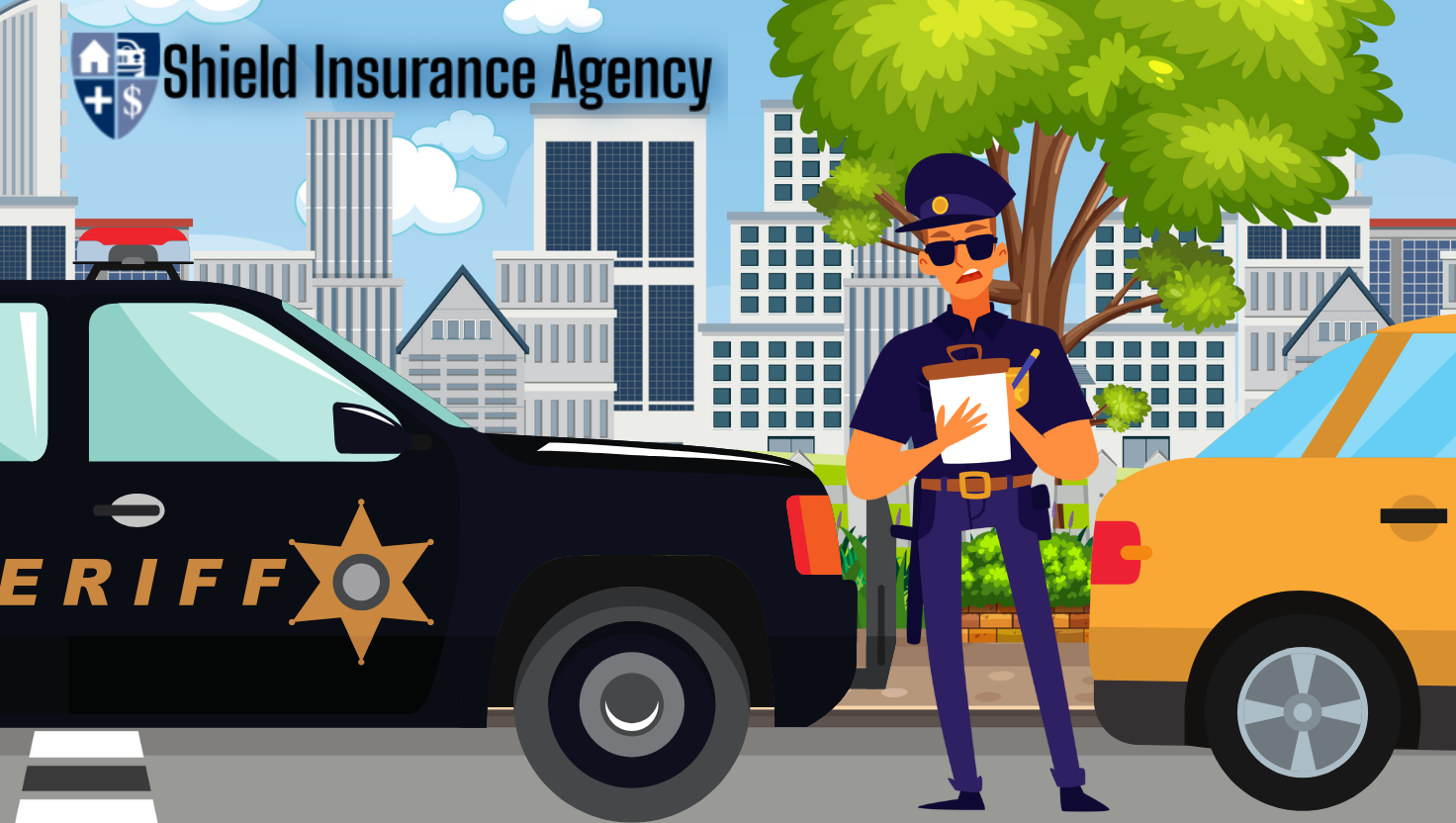
Odds are, motorists are bound to get traffic tickets for some kind of moving violation at some point. How much that ticket will cost can be minimal, but its impact on insurance premiums can be significant.

Overall, the more a driver puts themselves and others at risk, the costlier their insurance policy will be.

For instance, drivers who get traffic tickets for forgetting to turn on their lights pay an average of $68 more per year for car insurance than drivers without any violations on their record, according to The Zebra. Drivers who get a ticket for speeding in a school zone will see an average insurance increase of $342 per year.

The riskiest violations, however, can more than double an existing auto premium. Depending on the state or city, the same offense could increase rates by 36% or by 383%. Moreover, high-cost penalties hit drivers twice as hard in low-income states, The Zebra researchers said.

Focusing on the greatest threats to insureds, six violations in traffic tickets cost drivers over $1,000 a year in rate hikes and have the biggest impact on auto insurance premiums.

Six most expensive traffic tickets

  1. Hit-and-run, Average rate increase: $1,212 (78.3%)
  2. Racing, Average rate increase: $1,131 (73.1%)
  3. DUI, Average rate increase: $1,100 (71%)
  4. Refusing a breathalyzer, Average rate increase: $1,080 (69.8%)
  5. Driving with a suspended license, Average rate increase: $1,044 (67.4%)
  6. Reckless driving, Average rate increase: $1,038 (67%)
Read More

Preparing a Home Inventory list

How to create a home inventory

If an unfortunate event damaged your home and your belongings, could you remember every item you own and how much it’s all worth off the top of your head? Is your home inventory up to date?

A fire, severe weather, burglary, or other disasters can wreak havoc on your home and lead to broken or missing belongings. In the wake of an unfortunate event, having an up-to-date inventory of your items and their value can speed up the claims process and help you recover faster. It can also help you verify any losses for your income tax return and help you purchase the amount of insurance that’s right for you.

Whether you’re setting up your first apartment or have lived in the same house for years, creating an inventory may seem like a daunting task, but it doesn’t have to be. You can start your own inventory with these three simple steps:

Get started now

There are lots of ways to start tackling your inventory. The bottom line is to start somewhere manageable.

  • Start small. Tackle an organized room or a contained area first. For example, a kitchen appliance cabinet, walk-in closet, or chest of drawers with important documents. Start here, then work your way to other areas of your home.
  • Track recent purchases. Instead of starting in a certain place, list recent purchases and work on older possessions after that. Begin keeping receipts, contracts, and appraisals so you can show proof of value. Recording recent purchases first can get you into the habit of inventorying your purchases as they’re made.
  • Include basic information. Unsure of what information you should include? Describe each item, where it was purchased, make, model, what you paid, and any other detail that would be important to know during a claim. For example, major appliances and electronic equipment usually carry a serial number which can be a useful reference.
  • Categorize clothing. Closets can be hard to tackle. Simplify the process and record clothes by category. For example, four pairs of jeans and three pairs of high heels. Note any especially valuable items, like an expensive purse.
  • Check coverage on valuable items. Items like jewelry, art, and other collectibles may have increased in value and need special coverage outside your homeowner’s insurance. Check with your insurance agent to make sure you have adequate insurance to cover these items effectively.
  • Don’t forget to check off-site. Homeowners or renters’ insurance may provide off-site coverage for items kept in a storage facility. Check your coverage and make sure to include any off-site items on your list.

Use technology

Paper and pencil gets the job done, but technology can take your list to the next level.

  • Take pictures. Create photo records of the rooms in your house and your belongings. Label your photos and include what is pictured and any other information you believe to be helpful should the item need to be replaced or you need to be reimbursed.
  • Videotape it. Along with pictures, you can use video to document the rooms in your house and belongings. Walk from room to room and describe the contents, including numbers of items, when the items were purchased, and other basic information.
  • Use an app. Multiple apps can help with your home inventory process and keep records of your belongings.

Keep your home inventory up-to-date and safely stored

Now that you’ve done the work, continuously update your list and store it in a safe space. You don’t want your list to be one of the items damaged in an event.

  • Add new purchases. Your list is only helpful if it’s up-to-date. Adding to the list at the time of purchase allows you to put down the information while it’s still fresh in your mind.
  • Store a copy outside your home. A paper inventory, along with receipts or appraisals, should be kept in a safe deposit box or a friend or relative’s home. Make at least one backup copy to store separately. For instance, you can easily make a digital copy by taking a picture on your phone or creating a digital list.
  • Backup digital files. Keep a copy on an external hard drive, cloud, or online storage account.

This article is for informational and suggestion purposes only. If insurance policy coverage descriptions in this article conflict with the language in the policy, the language in the policy apply. To learn more about home insurance coverage, speak with your  Shield Insurance Agent.

Read More

Insurance for the backyard with Shield Agency

Whether you’re grilling out, gardening or splashing in the pool, your backyard is a space to relax, run around and spend quality time with the people you care about. If anything were to happen to it, you would want to be in a position to get your yard back in shape. Insurance for the backyard is important.

You know your home insurance policy covers your house, but what about your backyard? Items like a shed, swing set, pool, or even a few trees can affect how much coverage you need to recover from a loss. While your independent agent can determine the best coverage for your situation, here’s what coverage is needed for common backyard items.

Shed

A standard homeowners’ policy contains many different coverages in addition to the portion that protects your house. Your shed is protected as another structure on your property. Items protected under “other structures” also include detached garages, driveways, and fences.

Grills, tools and other equipment

Most grills, lawn equipment, and other items in your backyard are covered under the personal belongings portion of your policy. However, if you have a particularly pricey item, your standard policy may not contain enough coverage to replace everything after a loss.

One option is to raise your coverage limits. Keep in mind that there’s a cap on how much your insurance will cover for each item, as well as for the entire loss. Alternatively, you can add endorsements to cover specific, high-value items. It may increase your premium, but you will be covered for more kinds of losses and your policy deductible doesn’t apply. This means that you could replace expensive equipment at no additional cost.

Backyard Pool

When protecting your pool, your coverage depends on if you have an in-ground or above-ground pool. In-ground pools are considered a structure, but above-ground pools are considered personal property. Either way, both are protected to a degree with a standard homeowners’ policy. Be sure to talk with your agent about insuring your backyard and adding coverage to ensure that your pool is fully protected.

In addition, owning a pool increases your chance of having an accident. You may need to increase your liability limits or add an umbrella policy, which helps cover costs once you’ve surpassed policy limits. Make sure you also take preventative safety measures, like installing a fence around your pool and never leaving children unattended.

Landscaping and trees

If caused by a covered loss, like fire, vandalism, or lightning, your homeowners’ insurance will cover damage to landscaping and trees. Similar to your lawn equipment, the amount your insurance company will contribute to your loss is capped – and even more so by the individual item.

Trampolines and playsets in the backyard

Backyard playthings are covered under your personal property coverage. If destroyed by a covered loss, your standard policy should cover your trampoline, swing set, and more, all part of insurance for your backyard.

Remember, while a trampoline or playset can be a fun addition to your yard, these items put you at a higher risk of an accident. Increase liability limits or add an umbrella policy to help cover you if someone is injured while playing on your property.

Be sure to discuss your backyard with your agent. If you fail to disclose that you have items like a pool or a trampoline, a future claim could be denied. Withholding information on your home also puts you at risk for your policy to be canceled entirely. So be sure to discuss the items in your backyard with your insurance agent and they will help you get the right coverage at the right price for you. Contact Shield Insurance and make sure your yard is properly insured today.

This article is for informational and suggestion purposes only. If insurance policy coverage descriptions in this article conflict with the language in the policy, the language in the policy applies. To learn more about home insurance coverage, speak with your Shield Insurance Today!

Read More

Safe Garage: 3 ways to make your garage safe

When thinking about the biggest risks to your home, it’s easy to overlook your garage. However, with dangerous chemicals, a high potential for break-ins, and powered equipment, your garage easily becomes a hidden homeowners’ hazard.

Help keep your garage and family safe by completing these three tasks: maintenance, organization and protection.

1. Maintain your garage.

The first step in keeping a safe garage is performing simple maintenance checks to be sure everything is working properly. Visually examine your garage door and look for loose nuts and bolts, frayed cables, and rusted springs. Also, test the manual release function and the auto-stop system. To test the automatic reversal system, place an object like a brick or wooden block in the path of the closing door. If working properly, the closing door should detect the object and automatically open back up.

If you notice any wear and tear or hear any concerning noises, contact a garage door professional to examine and repair your door.

Another helpful maintenance tip – clean your garage every six months. With all of the chemicals and equipment in your garage, it’s essential to keep a clean space to minimize risk.

2. Organize your garage.

In addition to having a clean and well-maintained garage, it’s important to be organized and to safely store items. Chemicals should be placed in a locked box on a high shelf, out of reach from small children. This includes cleaning solutions, glues, pool supplies, pest-control products and more.

Also, make sure that all tools and lawn care equipment are stored out of reach or are properly mounted to the wall. And when it comes to powered tools or equipment, like a lawn mower, make sure each one has cooled down before storing it away.

3. Protect your garage.

According to the FBI, there were more than 1.4 million burglaries in the U.S. in 2017. Keeping burglars out of your garage not only protects the belongings you store there, but it can also keep intruders out of your house. Criminals can often get into your home through the garage or, if the garage is a separate structure, they can use your own tools to break into your home.

To prevent a break-in, keep your garage door closed and do not store a spare key inside. Also, it may be wise to invest in adequate outdoor lighting, including motion-sensing lights, as well as an alarm system. Get to know your neighbors, so they can alert you or the authorities of any suspicious behavior.

The final way to protect your garage is through insurance. A typical homeowners’ policy contains many different coverages in addition to the portion that protects your house. So, whether your garage is attached to your house or is its own free-standing structure, it should be covered by a standard homeowners’ insurance policy. Be sure to discuss your garage with your independent insurance agent to ensure that you have the right coverage for your unique situation.

This article is for informational and suggestion purposes only. If the policy coverage descriptions in this article conflict with the language in the policy, the language in the policy applies. Talk with your independent agent if you have any questions regarding the details of your home insurance policy or if you need to update your insurance.

Read More

How to prepare your phone for an emergency

In case of an emergency, here is how to prepare your phone.

Today, our phones are rarely outside of our reach. This makes them one of the best tools we have to quickly respond to an emergency and increase the chances of a more positive outcome.

How prepared is your phone to handle an emergency?

In most emergencies, you would be the one to contact someone for help. So, it’s important to take a few minutes to research and save important emergency contact numbers on your phone so you can make the call immediately and get help faster.

Here are the main emergency phone numbers to prepare

  • Your emergency contacts, such as a parent, spouse, or close friend
  • Police, 911 in the United States for emergencies
  • Poison Control Center
  • State Highway Patrol
  • Your nearest police and fire department (for non-emergencies)

You should also consider saving these important numbers to help you in an emergency:

  • Your doctor, pediatrician, and/or veterinarian
  • Your pharmacy
  • Home health aides
  • Your insurance company
  • Your roadside assistance provider
  • Your employer
  • Your child’s school or caregiver
  • A nearby relative or friend
  • An out-of-town relative or friend

There are also some emergency situations, like a bad fall or car accident, where you might not be able to communicate with first responders. For this reason, it’s important to take these two steps:

  1. Add an emergency contact in your phones, such as a parent, spouse, or close friend who can come to your aid.
  2. If your phone locks, set up a lock screen message to communicate helpful information to first responders, like your emergency contact, blood type, allergies, and medications.

Depending on the type of phone you’re using, there are different ways to add a lock screen message.

iPhone users can use the Health app on their phones to add their basic personal information, important medical details, and emergency contact numbers within the Medical ID tab and make them accessible from their lock screen. Just make sure you select “Show When Locked” and test it out after you’ve finished setting it up.

Android users can set up their lock screen message by going into their Settings, Users & Accounts, and then Emergency Information. Enter your medical information and emergency contact. Then test it out by locking your phone, swiping up, and tapping “Emergency” to find the information you entered.

Additionally, Android lets you put any message you want on your locked screen. To do this, open your Settings, go to Security & Location, and next to the Screen Lock tab hit Settings. Then, tap Lock Screen Message. Here, you can enter your primary emergency contact or important medication information so that it always displays on your locked phone screen.

Because it’s difficult to predict when or where an emergency will happen, it is a smart idea to prepare your phone now so that you’re ready to handle any situation that comes your way in the future. Be safe out there!

This article is for informational and suggestion purposes only. To learn more about Shield Insurance Agency, business and life insurance, or auto insurance including Roadside Assistance, please call or text our office at 616-896-4600

References:
– Harvard Health Publishing, Harvard Medical School
– HuffPost, LIFE

Read More

Wallet Safety Check List

10 items to leave out of your wallet

It’s simple for thieves to turn plain, old regular crime into cybercrime – if you give them the right information. Leave these ten items out of your wallet.

Over time, it’s easy for your wallet or purse to become stuffed full of crucial information – receipts, PIN numbers, and social security cards – that thieves can use to access your online life with only a few clicks.

Keep only what you need in your wallet and purse and keep your online life secure. Use the infographic below to help determine what should be, and more importantly, what should not be in your wallet.

Wallet Safety Check List

10 Items To Leave Out Of Your Wallet - Shield Insurance Agency Blog
  1. Social Security Cards
  2. Birth certificates
  3. Receipts
  4. Gift cards
  5. Extra credit cards
  6. Blank checks
  7. Passports
  8. Medicare cards
  9. Spare keys
  10. Pins and passwords
Read More

4 reasons to have identity theft insurance

Identity theft insurance is there to help protect you from the worst financial situations. And in today’s data-driven world, identity theft remains a constant threat that comes with a big financial risk.

When an identity thief has your Social Security number and other identifying information, they can use it to fraudulently open new accounts or credit cards for financial gain, steal money from your existing accounts, apply for loans, rent an apartment, obtain a job, receive medical care or establish accounts with utility companies.

Still not sure if you need identity theft insurance?

Here are a couple of reasons why you should consider it the next time you speak with your independent insurance agent.

Reason #1: Your household contains children or seniors.

Everyone with a Social Security number is at risk for identity theft, but identity theft thieves like to target individuals who are less likely to regularly check for identity theft warning signs or report irregular activity on their credit reports. This means children and seniors are prime targets.

If you have children, periodically check for a credit report in their name. If no credit report exists, that is a good sign that your child has not been a victim of identity theft. However, if you start receiving collection calls, statements or pre-approval credit offers in your child’s name, these are warning signs that your child’s identity may have been stolen.

If you have seniors in your household, help them learn about common tactics identity thieves use to trick their victims into sharing private personal information that could compromise their identity. Seniors are most often targeted with over-the-phone and internet phishing scams. Teach them how to identify phishing and encourage them to call the organization directly to confirm if the communication is real or a phishing attempt before they share any information.

Reason #2: You’re in the military.

Active duty military members are particularly vulnerable to identity theft while they’re deployed. This is because they might not be checking their credit reports or receiving calls from debt collectors.

According to the FTC, military members are most affected by bank and credit card fraud, but they have also been victims of employment fraud, tax-related fraud, and loan or lease fraud.

If deployment is in your future, set up an Active Duty Military Fraud Alert on your credit report. Once in place, businesses must verify your identity before issuing credit in your name and this makes it harder for identity thieves to use your information to apply for credit.

Reason #3: You’re on social media.

When you share your name, date of birth, hometown, and other personal information on your social media profile, it makes it easier for cyber-criminals to connect that information to even more sensitive information that they collect from you from phishing or another type of scam.

In 2018, the FTC processed over 9,000 email or social media identity theft reports, which was a 23% increase from the previous year.

Think twice before you share a lot of personal information on your social media profiles.

Reason #4: Your password is 12345.

If you use a simple password to protect your accounts or internet-connected devices, then it’s time to update it. Some examples of a simple password are 12345, password, and admin.

A secure password is long, includes a mix of letters, numbers, and symbols and it isn’t easily guessed. You should also avoid using the same password for all of your accounts, since cracking it in one location could open the door for an identity thief to access and take over your other accounts, too. Consider using two-factor authentication, which sends a code to your phone during login, whenever it’s available to add an additional layer of password protection.

Even if none of these reasons apply to you, it pays to be on the lookout for identity theft. CyberScout, a provider of full-spectrum identity, privacy, and security services and a Grange Insurance partner, recommends checking your credit report from all three credit agencies at least twice a year. Under FACTA, every consumer has the right to obtain a copy of his or her credit report free from each of the credit reporting agencies. Take advantage of this opportunity and learn about additional prevention techniques like setting up credit monitoring to keep your identity, and those of your loved ones, safe.

This article is for informational and suggestion purposes only. If the policy coverage descriptions in this article conflict with the language in the policy, the language in the policy apply. Shield Insurance offers an Identity Theft coverage endorsement that can be added to a Personal Auto or Homeowners insurance policy. For full details on coverages and discounts, contact us@ShieldAgency.com .

References:
– Consumer Affairs
– CyberScout

Read More

Business Insurance Premium Audit Explained

Shield Insurance Blog | Business Insurance |

What is a premium audit for business insurance?

To begin to understand what a Business Insurance Premium Audit is and why it’s important, let’s take a walk down memory lane.

When you first set up your commercial insurance policy or the last time you completed a business insurance review with your agent, you may remember your agent asking you to predict certain things your business might experience in the coming year, such as the makeup of your workforce or annual revenue.

This prediction or estimate is an important part of the process to insure your business. It helps set a price, or premium cost, for your commercial insurance policy so you are paying an adequate amount for your business’s unique needs.

Later on, your insurance company, in conjunction with TJ, your agent at Shield, will check how close the prediction was to the business you actually had for that policy year. This is a premium audit. A premium audit is performed regularly by your insurance company to determine the correct premium (i.e. cost) for your business insurance.

Why does business insurance have premium audits?

Unlike personal insurance policies for a car or home, which have more stable and predictable changes in property value and risks, a business is very dynamic. Its income, operations, and risk levels can change all the time, and sometimes in unpredictable ways.

Commercial insurance can cover a business’s physical location and property as well as its liability. Physical location and property can be more predictable to insure. However, business liability tends to be impacted by a business’s growth or shrinking, which is more unpredictable. As a business grows or shrinks, it increases or decreases the chances that the business could be liable to others.

This means that parts of your commercial insurance policy are built to change with the ebbs and flows of your business.

How does a premium audit affect my insurance costs?

During a premium audit, if your business grew more than the amount estimated, the resulting increase in things like sales and payroll means your insurance premium will likely increase.

The same is true in reverse. If your business saw a reduction in business from the policy estimate, you will likely see a reduction in your premium cost.

When an insurance company performs a premium audit, it is looking for accuracy — for both the insured business and the insurance company.

Here’s why: The insurance company needs accurate information to determine things like claims reserve calculations and ratemaking. When the insurance company collects accurate data from its commercial policyholders, it leads to a more financially sound insurance company.

Accurate data also leads to a fundamentally more sound insurance system overall since the premium data collected by insurance companies is reported to the Insurance Services Office (ISO), the National Council on Compensation Insurance (NCCI), and state government entities, who then use the data to provide guidance, rules and regulations back to insurance companies.

Your data is an important part of the whole commercial insurance system!

How can my business prepare for a premium audit?

Keeping organized business records is the best way to be ready for a review of your business insurance. When properly kept and provided to the auditor, these records can help keep your insurance cost in line with your actual business needs and may even allow you to take advantage of exclusions or lower rates.

The following bookkeeping practices can help you prepare:

  • Payroll records – Track and show actual payroll by type of work for each employee and business owner. Track overtime, severance and other payroll items.
  • Subcontractor records – Use insured subcontractors when possible. Request and keep a copy of their Certificates of Insurance. Track and show payments by type of work.
  • Sales records (e.g., income statements) – Track and show sales by product. Track sales by customer, returns and other sales items.

You can also speak with your independent insurance agent commercial business specialist, TJ Simmons, to learn more about the premium audit, how it may affect your premium cost and steps you can take now to prepare for it.

This article is for informational and suggestion purposes only. If the policy coverage descriptions in this article conflict with the language in the policy, the language in the policy apply.


Read More