
First Time Home Buyers

11 First-Time Home buyer Tips

Nationwide Blog | March 14, 2023 | Home | Home Insurance | Start A Quote Today!

Few experiences are more exciting or rewarding than purchasing a home for the first time. However, the process can be more complex than it may seem. Working with a skilled agent can make things go more smoothly, but remaining involved at all phases is essential. Anticipating and addressing critical issues directly can make the buying experience easier and more enjoyable. It can also help ensure you come away with the best deal. Consider the advice for first-time homebuyers below:

1. Identify your needs in a home.

You have options when purchasing a residential property, including a single-family home, a duplex, a townhouse, a condominium, or a multifamily building with two to four units. Each option has pros and cons, so you must decide which property will help you reach your homeownership goals. [1]

2. Begin building your home savings in preparation

Browse first-time homebuyer programs in the city and state where you want to buy. Look at your weekly and monthly expenses to find ways to trim your spending. Rather than saving in an account that pays little to no interest, compare interest rates on options to park your money, such as CDs or high-yield savings accounts. [2]

3. Be prepared to commit to a home loan.

The most popular type of mortgage is the 30-year home loan, which gives homebuyers three full decades to pay it off, meaning smaller payments over a more extended period. Search for help finding the best personal loan and get prequalified loan offers in 2 minutes or less. [3]

4. Make sure you understand important terms.

Many homebuyers begin the process of getting a home loan with little or no knowledge of how mortgages work. Here are a few mortgage terms you should consider before signing anything with the lender. [6]

  • Annual percentage rate (APR) — The interest rate on a mortgage. This is the percentage of the loan amount that you will pay each year in interest.
  • Adjustable Rate Mortgage (ARM) — also known as a variable-rate mortgage. Interest rates on an ARM change based on a specific index or benchmark interest rate. With an ARM, the buyer’s payments may fluctuate significantly over the loan term.
  • Closing costs/settlement costs — This covers any costs associated with buying or selling a home and can include origination fees, escrow payments, attorney fees, appraisal fees, title insurance, and any other fees required by the lender to complete the transaction. Review these with your mortgage broker to better understand each fee’s purpose.
  • Fixed rate mortgage (FRM) — Interest rates on an FRM stay the same through the life of the loan.
  • Mortgage Term — The length of the mortgage loan in years. Common term lengths are 15, 20, and 30 years.

If you aren’t sure what a term means, you should ask your mortgage broker; you can also search for it online.

5. Use internet research to help find a real estate agent.

You want to find a real estate agent who understands the market and what you want. Get customer reviews on specific agents in your desired location and discover their recent sales online.

Have you ever seen a house for sale and wanted to learn more about it but didn’t want to call the selling agent? With Homesnap, take a photo of the home, and you’ll get instant information about the property.

6. Take a closer look during the neighborhood search.

You may think you’ve found the right home in price, size, and style. But sometimes, less obvious details are more important than what is readily apparent. It may take extra legwork to uncover important points or to confirm your initial judgment about a property; start with a neighborhood search.

You might take a closer look at whether a neighborhood fits your lifestyle. Is it close enough to shopping? To parks and recreational opportunities? Is the neighborhood close-knit? What types of individuals live in the community? Speak with local homeowners about their likes and dislikes.

Calculate your commute to your job. Longer commutes can add stress and additional costs to your budget when paying for gas, parking, or public transportation.

Check the quality of the local schools regardless of whether you plan to have children. Areas in higher-quality school districts often maintain higher property values. However, when considering school districts, you may also want to assess property taxes; in some communities with outstanding public schools, property taxes may be as high as private school tuition.

Finally, visit the neighborhood throughout the day, especially in the evening. The atmosphere could be very different after dark. You want to feel comfortable at all hours.

7. When negotiating a home’s price, act quickly and walk away when necessary.

As a first-time homeowner, list your must-haves, nice-to-haves, and deal-breakers. Then, if a house fits your needs and budget, don’t be afraid to make an offer. In hot real estate markets, and especially in high-demand neighborhoods, you have to move fast to get the house you want.

However, if you make an offer and find something about the house is a deal-breaker, such as a compromised foundation, don’t be afraid to walk away. It’s much easier to change a visually imperfect house into a comfortable and stylistically pleasing home than to deal with much more serious fundamental flaws.

It’s also easy to become emotionally attached to a house when negotiating home prices. Getting caught up in a bidding war over a property can devastate your budget. Before making an offer, have a clear expectation of how much you’re willing to pay should another buyer outbid you. Then, if you’ve hit your maximum, do yourself and your budget a favor and walk away.

It may seem strange to make one of the most significant purchases of your life after spending so little time looking at it. But when buying a house, you will often need to make an offer after only spending around an hour or so inside. But if you make your offer contingent on inspection, you can withdraw the offer should the inspector find something wrong with the home. This is a critical step that can secure your bid on a property while mitigating the risk of unknown flaws in the house.

8. Have a professional home inspection.

Home inspections allow a buyer to identify and assess any significant issues with a home before closing. Hire an unbiased construction expert or professional inspector to thoroughly inspect the foundation, roof, other major structural components, and electrical and plumbing systems. Your agent will likely have a recommendation for the inspector.

Stay professional home inspection process and ensure that the contractor you hire is looking at hard-to-see areas. Don’t hesitate to ask any questions. If you have concerns about something, it’s better to ask them before the sale is complete.

Avoid using inspectors recommended by the seller’s agent or employing someone unqualified. That can result in a less thorough inspection and, in some cases, raise conflict-of-interest issues. [4]

9. Check local zoning ordinances.

If you plan to make improvements, such as adding a bedroom or expanding a home’s footprint, contact the local zoning board before you buy. Most municipalities try to work with homeowners, but ensuring your project meets local guidelines is best. That may be particularly important for homes in hillside communities or near water because those areas may have more restrictive ordinances.

10. Don’t underestimate the hidden costs.

Even after you find a desirable home that fits your budget, you’ll still need to account for other costs, such as closing costs, property tax, utilities, mortgage insurance, homeowners insurance, and a maintenance fund. Allocate about 1% to 4% of the purchase price for annual maintenance. [7]

Closing costs are typically about 2% to 5% of your loan amount, with a smaller percentage for larger loans. Some closing costs are set in stone, but many aren’t. Lenders have a lot of flexibility over the fees they charge. Borrowers like you can shop around for the lowest closing costs as well as the lowest rate. [5]

11. Protect your new home.

Purchasing a first house ranks among life’s most memorable moments. But, after all the work it took to buy your first home, ensure it is protected. If you have questions about homeowners insurance or other aspects of starting life in your new home, Nationwide has resources to help you make the right decisions.

Sources:

[1] “First-Time Homebuyer’s Guide,” Amy Fontinelle, investopedia.com/updates/first-time-home-buyer (Nov. 4, 2022).

[2] “How much money do you need to buy a house?” David McMillin, bankrate.com/mortgages/how-much-money-do-you-need-to-buy-house (June 1, 2022).

[3] “U.S. mortgage statistics and FAQs,” David McMillin, bankrate.com/mortgages/mortgage-statistics (July 11, 2022).

[4] “What Is a Home Inspection Contingency and Why Is It Important?” Amy Fontinelle, investopedia.com/articles/mortgages-real-estate/08/home-inspection.asp (Aug. 12, 2022).

[5] “Average closing costs in 2023: Complete list of closing costs,” Gina Freeman, themortgagereports.com/35800/guide-to-mortgage-closing-costs-what-average-mortgage-costs-are-and-how-to-keep-yours-low (Oct. 17, 2022).

[6] “Mortgages key terms,” consumerfinance.gov/consumer-tools/mortgages/answers/key-terms/ (Mar. 7, 2023).

[7] “How much does the average home cost to maintain per year? $3,000, according to Angi,”usatoday.com/story/money/personalfinance/real-estate/2022/02/12/average-american-home-costs-3-k-per-year-to-maintain/49780837/ (Mar. 8, 2023).

Disclaimer:
The information included here is designed for informational purposes only. It is not legal, tax, financial or any other sort of advice, nor is it a substitute for such advice. The information may not apply to your specific situation. We have tried to make sure the information is accurate, but it could be outdated or even inaccurate in parts. It is the reader’s responsibility to comply with any applicable local, state, or federal regulations. Nationwide Mutual Insurance Company, its affiliates, and their employees make no warranties about the information nor guarantee of results, and they assume no liability in connection with the information provided. Nationwide and the Nationwide N and Eagle are service marks of Nationwide Mutual Insurance Company and Shield Insurance Agency. © 2023


Recent Blogs from Shield Insurance Agency

Read More
How Does Investing Work?

How Does Investing Work?

Acorns.com | Tim Stobierski | Dec 19, 2022 | Investing | Shield Business Insurance | Start a quote today!

IN A NUTSHELL

  • Investing is when you purchase assets you expect to earn a profit from in the future.
  • Compounding (aka when the returns on your money generate their own returns) the longer your money is in the market, the longer it has to grow.
  • Investing small amounts regularly over time is a habit that will help you build wealth throughout your life called dollar-cost averaging.

You may have heard that investing is the best way to grow your money and reach your biggest financial goals. But what is investing, exactly? How does investing work? And how can you get started? Find the answers to those and other investing questions below.

What is investing?

At its simplest, investing is when you purchase assets you expect to earn a profit from in the future. That could refer to buying a home (or other property) you believe will rise in value, though it commonly refers to buying stocks and bonds.

How is it different from saving?

Saving and investing both involve setting aside money for future use, but there are a lot of differences, too. Check out this chart:

InvestingSaving
Always involves risk. Even the safest investments involve some risk that could cause you to lose money.Rarely involves risk. If your cash sits in an FDIC-insured savings account (which protects up to $250,000), you typically don’t need to worry about losing any.
Higher potential for growth. Depending on how much risk you’ll accept, it’s possible to earn a large return on your investments. With stocks, for example, the long-term average is nearly 10 percent per year.Lower potential for growth. Virtually all savings accounts will pay you interest for keeping money in your account. But it probably won’t be much and often fails to keep up with inflation (the rate at which prices are rising).
Usually best for mid or long-term goals. Generally, it’s best to only invest money you won’t need for a little while, as the stock market fluctuates and you don’t want to be forced to sell stocks that are down because you need the money.Good for short-term goals. A savings account, being essentially risk-free, is ideal for immediate purchases as well as any money that you can’t afford to lose in the short term (such as an emergency fund).
May be difficult to access quickly. Before you can spend any of the money you’ve built up through investments, you’ll have to sell them. With stocks, it could take days before the proceeds are settled in your bank account, and selling property can take months (or longer).Readily accessible. Generally speaking, you can access money in your savings account anytime.

What’s the difference between investing and trading?

Click here for the full story !


More great blogs by Shield Insurance Agency

Read More
Scooter safety tips

Scooter safety tips

Foremost | Scooter Safety | Shield Insurance | Start a quote today!

With increasing gas prices it’s hard not to notice the spiking trend of people choosing scooters as alternate transportation. Whatever make or model you choose to fit your style, you can’t deny the money-saving and environmental effects riding a scooter has over driving a 2-ton motor vehicle that only gets 20 miles to the gallon.

A growing problem with having more people on scooters is how to safely share the road. State legislation varies on scooters; some states equate scooters with bicycles, in-line skates, and skateboards, while other states put scooters in the same category as motorcycles, requiring helmets and regulating where scooters can be ridden. Check your state’s DMV Web site for the appropriate laws and licensing rules for your state.

Regardless of where you live, scooters are most likely sharing the road with vehicles that significantly outweigh them and can easily overtake them. By using common sense and some very simple safety tactics, scooter riders can effectively, and safely, share the road with other vehicles.

Scooter safety tip: Wear a helmet

Even if your state does not require you to, studies show helmets significantly minimize head injuries if an accident occurs.

Scooter safety tip: Use your lights

Always turn on your headlight when you’re riding your scooter even during the day, especially if it’s raining, and of course always in the evening. Make sure you can be seen by other cars.

Scooter safety tip: use turn signals

Just like in a car, you need to let people know where you are going. In addition to a signal light, it’s also a good idea to use hand turn signals that motorcyclists and bicyclists use when they are sharing the road with cars. Based on U.S. standards, for a left turn, extend your left arm straight out in the direction of the turn, parallel to the road. For a right turn, extend your right arm straight out in the direction of the turn, parallel to the road.

Obey speed limits and road markings

Obey all posted limits and follow lane markings. Don’t attempt to make a right turn by coming up next to a vehicle on the shoulder, unless there is a lane. You could easily be in a car’s blind spot and be hit if they turn right as well and can’t see you.

Scooters are a fresh alternative to getting around town while saving money and the environment. Riding scooters present challenges that any motorist faces when sharing the road with vehicles of all sizes and speeds. Keep your head about you and make sure you put safety first when taking your new scooter out for a spin.

Looking for Scooter Insurance?

Foremost offers scooter insurance on all scooter makes and models and offers coverages such as:

  • Physical Damage and Liability
  • Total Loss Replacement Coverage
  • Towing and Roadside Assistance
  • Safety Apparel and Optional Equipment when Physical Damage coverage is purchased.

More blogs by Shield Insurance Agency

Read More
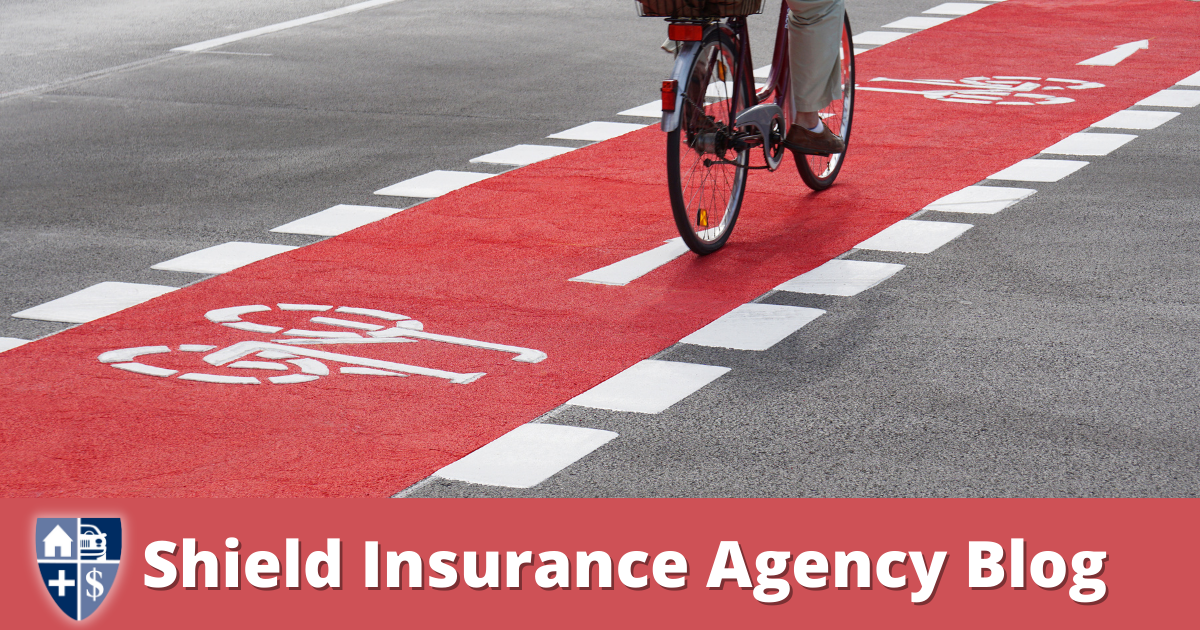
Coexisting with bicyclists

Coexisting with bicyclists

Foremost Insurance Blog | by Jenean McLoskey | bicyclists | Start an Insurance quote now! | Shield

Cycling has grown significantly in popularity over the past decade. Towns across the country are adding bike lanes to their roads to become more bike-friendly, and more and more people are ditching their cars and using a bike as their primary form of transportation. According to USA Today, larger cities like Portland, Ore., and Minneapolis have more than doubled their rate of bike commuters since 2014 — and as a cyclist, I can’t help but get excited.

Now, with bike riding growing in popularity across the U.S. — it may be a good idea to brush up on some traffic guidelines to avoid any accidents.

When you purchase a bike, you’re likely not required to take a safety class before you ride it. And, for drivers, the instructors touched on bike safety as part of Drivers Ed, but who remembers details from a course they took in their teens?

My point is, adults aren’t given much guidance when it comes to cyclists and cars coexisting on the roads. And as a bicyclist and a driver, I did some research because honestly, I needed a refresher myself.

Safety tips for DRIVERS:

  • Try to be 3 feet or more away from a bike.
  • Try to pass on the left when possible.
  • Blind spots are always lurking, make sure to watch for bikes.
  • Only pass a bicyclist when your passing lane is free and clear.
  • Look in your mirror for cyclists when you’re parking.
  • Always think of cyclists as equals – remember, they have rights on the road too!

Safety tips for BICYCLISTS:

  • Make sure to ride with the flow of traffic.
  • Traffic signs and signals aren’t just for cars. Stop on red to be safe.
  • Use marked bike paths or lanes if they’re available.
  • Use your arm to make turn signals and take advantage of turn lanes so cars are aware of what you’re doing.
  • Consider using a mirror to monitor the cars behind you.
  • If you’re riding at night or in a storm, make sure to use some sort of flashers.
  • Watch for parked cars.
  • And most importantly — stay alert at all times.

If you’re unsure about your city’s or state’s traffic laws, it doesn’t hurt to look them up beforehand. No matter what you drive, be sure to enjoy the roads out there safely!


More great reads…

Read More
9 Affordable Ways to Heat Your Home This Winter

9 Affordable Ways to Heat Your Home This Winter

The HOMEiA Team | Oct 01, 2020 | Heat Your Home | Home Insurance | Easy Quote

9 Affordable Ways to Heat Your Home This Winter

As temperatures fall outside, thoughts of fans and air conditioners are replaced by a need to warm our homes again.

If your heating bill was frightening last year, if you’re building a residence or vacation home, or if your old system is starting to fail, it is time to look at your options when it comes to heating your home.

Heating systems come in a number of varieties, each with its benefits and detriments. Here we’ll explore some cost-effective ways to keep your space comfortable this winter.

Here are 9 most affordable ways to heat your home this winter:

Table of Contents:

  1. The classic central furnace
  2. A Hot Water/Steam System
  3. Heat Pumps
  4. A Ductless Furnace
  5. A Fuel-Burning Stove
  6. A Portable Heater
  7. Fireplaces
  8. Upgrade with a programmable or smart thermostat
  9. Improve your Efficiency
  10. The classic central furnace

The classic central furnace, heat your home with a central furnace

The most common means of heating a home in North America is through a warm-air furnace.

A furnace is a large appliance inside the building that is powered by electricity or by fuel (natural gas or fuel oil). Gas and oil furnaces mix air and fuel to power a flame, which heats a metal exchanger and heats the air. From there a fan pushes the warm air through the home’s ducts.

How hard the furnace works is determined by the thermostat. When the temperature falls below the thermostat’s set level, the heating system’s components turn on; when it measures warm enough, the system turns off.

Some furnaces are more efficient than others. In the United States, the AFUE (Annual Fuel Utilization Efficiency) is the common way to measure efficiency, as averaged across the seasons and varying loads. To get more heat for the furnace’s work, look for a high AFUE.

One of the pros of a central furnace is that you can set the thermostat to control the temperature for you, allowing the system to turn off once the home has reached an appropriate temperature. On the other hand, central air handling means you can’t control the temperature in individual rooms.

A Hot Water/Steam System

A Hot Water/Steam System, heat your home with a hot water system
There’s a reason steam is used so often for fast cooking: it is low in density, has no temperature limit, works quickly, and can be controlled easily.

Even more efficient, though, are hot water (boiler) systems. Today many existing steam systems are being converted to hot water systems, partly because of a deficit in expertise among maintenance personnel.

Heat Pumps

Heat Pumps, heat your home with heat pumps. Heat pumps move heat energy from its source in an already cold area to a warmer destination referred to as a “heat sink.” The heat energy moves heat from a place that is already cold, making it even colder, and pushes it toward a destination that is warming.

Since the heat energy moves in the opposite direction that it would move on its own, an external power source is necessary. The result is essentially a refrigerator or air conditioner used in reverse.

Where does the heat come from? Typically, it comes from the external air or from underground (where temperatures remain fairly constant throughout the year).

A Ductless Furnace to heat your home

A Ductless Furnace, heat your home with a ductless furnace Whereas a central furnace moves air throughout the house via a system of ducts, a ductless furnace distributes heat through another pathway.

A floor furnace, which is installed below the floor, heats the room right above it and nearby. A wall furnace heats air to the rooms on either side of the wall. And a pipeless furnace distributes heat through a register on the floor.

In a ductless mini-split system, one unit is installed on an exterior wall and another is mounted on the wall of the room.

The lack of ducts can reduce the amount of dust that builds up, and these units can often be controlled individually so the heat can be adjusted in the room where it’s needed.

A Fuel-Burning Stove

A Fuel-Burning Stove, heat your home with a wood-burning stove. Popular in isolated and low-cost dwellings such as cabins, fuel-burning stoves can be effective in smaller spaces.

The stove is typically made of a metal fire chamber with a fire brick for a base. Its ventilated pipes connect it to a chimney or flue. As the fuel burns, the combustion gases move up the chimney while the air around the stove gets warmer.

A number of different fuels may be used, from natural gas to wood or pellets.

A Portable Heater

A Portable Heater, heat your home with a space heater. Especially useful for supplementary heating in a bedroom or chilly basement, space heaters come in a wide variety of styles, at a wide variety of price points.

Portable heaters generally work via convention; the warm air around the appliance rises, and cold air sinks to the floor to be heated again.

Other space heaters use infrared heating. Infrared light (which humans cannot see) is emitted and heats people and objects as it hits them, just like sunlight. These heaters are useful and efficient when you’re in a room with a line of sight to the heater.

While space heaters can work well as supplementary heat sources for the room you’re in, they are not efficient for heating a whole building.

Years ago, portable heaters got a bad reputation as fire hazards; today’s models are much safer, as long as they’re used appropriately (cords in good shape, on a flat surface, no clutter nearby).

Fireplaces

An energy-efficient fireplace (minimizing heat lost through the chimney) can produce enough heat to offset a lower central thermostat setting—in some cases substantially reducing heating costs.

An old, drafty masonry fireplace can be replaced with an energy-efficient insert to improve its heat generation capabilities.

Beware this major pitfall: if you’re not using your fireplace, make sure the damper is closed—otherwise, you’ll lose as much heat as you would by leaving a window open.

Upgrade with a programmable or smart thermostat

Click here for more ways to heat your home…


More Interesting Blog Articles by Shield Insurance Agency

Read More
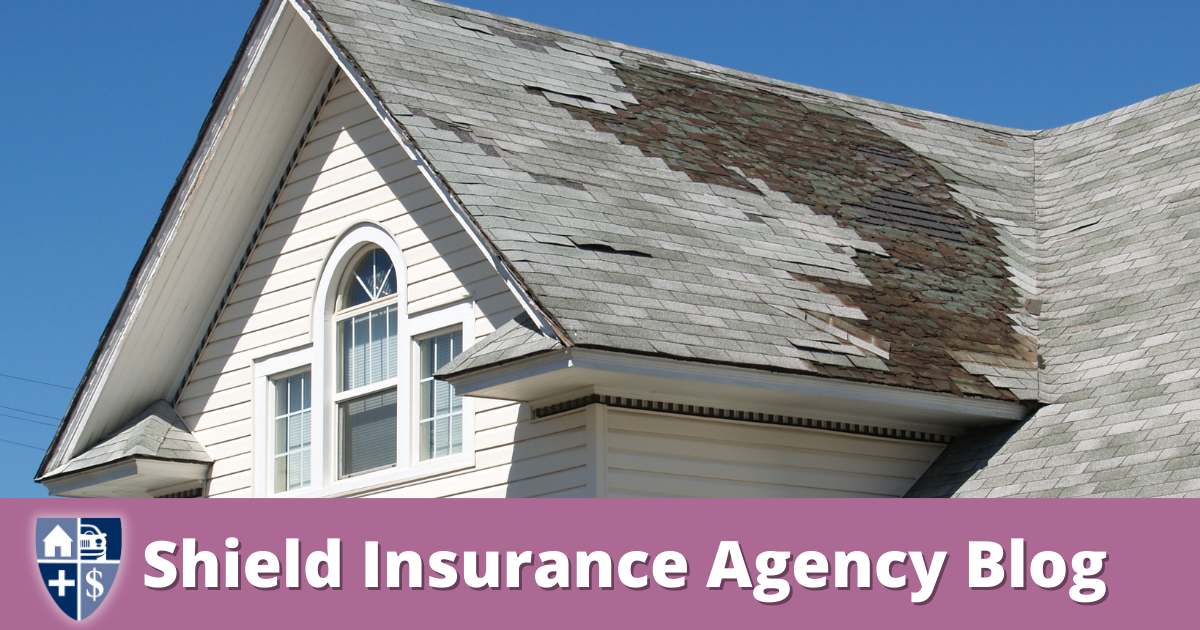
Is it Time for a Roof Replacement?

Is it Time for a Roof Replacement? Look for These 8 Warning Signs

Foremost Insurance Blog | by Jenean McLoskey | Roof Replacement | Home Insurance | Quoting Portal

You may tend to overlook your roof, but it’s actually one of the most important component of your home – and the most vulnerable. It protects you from the elements like rain, snow and sun, but roofs don’t last forever and it may be time for a roof replacement.

You may not think about the importance of roofs until you, a neighbor, or a friend has a situation that causes a reality check. So, when it comes to roof maintenance, there are two key questions you should be asking:

How long does a roof last? According to the Good Housekeeping magazine, shingle roofs should last between 15-30 years (if you have a different type of roof, such as metal or clay tile, you may have to follow different rules). If your home is new or the roof was recently replaced, you should be in the clear. However, it doesn’t hurt to do a checkup after getting hit with severe weather like a hailstorm, ice and snow or crazy rain.

Here are eight warning signs to look for when condiering a roof replacement:

  • Loose shingle tabs
  • Cracks in shingles
  • Broken or missing tabs
  • Buckling or curling shingles
  • Shingles covered in moss or algae
  • Majority of granules worn off tabs
  • Sunlight is shining through the attic
  • Extensive leaking

According to Home Advisor, a roof replacement can range anywhere from $6,000 to $12,000. The size of your home, the materials used and where you live will affect that price range. It’s no small sum, but in return for the investment, you’ll add thousands of dollars to the resale value of your home and ensure a safe and habitable dwelling for years to come. Don’t need a new roof right now? Do a quick check each month to see if maintenance is needed. If you notice problems like missing shingles or signs of water damage, be sure to call a roofing specialist to make the repairs as soon as possible – it could save you a bundle by prolonging the life of your roof and stopping costly leaks in their tracks.


Read more blog articles featured by Shield Insurance Agency

Read More
Emergency Water Storage

Emergency Water Storage

Foremost Creative Team | Emergency Water | Flood Insurance | Comparison Quoting Portal

The loss of safe drinking water is deadly. Most individuals will begin to experience side effects from dehydration after 36 hours. Starvation can be delayed by several days or weeks provided there is an ample, safe emergency water supply.

At the bare minimum, you should store one gallon, per person, per day, for seven days. A three-week supply is ideal.

After an earthquake, city water is vulnerable to contaminants through ruptured pipes and adulterated filtering systems. Do not take adequate water supplies for granted. If you store an ample amount for your family beforehand, you’ve already greatly increased your family’s chance of survival after an earthquake.

Proper Water Storage

Most grocery stores sell water in one or two-gallon containers. These are not designed for long-term storage and will leak after six months. Your best option is to purchase one to five-gallon sealable containers of water from your local camping store. All stored water must be in a sanitized container and the water must be treated to avoid contamination by bacteria and algae. If you are storing your own water, treat the water as soon as you store it in the container with eight drops of pure, unscented liquid bleach per gallon of water. You must also rotate your water supply every six months, which includes store-bought treated water as well as the water you’ve treated yourself.

If your water supply is questionable, use these methods to treat it:

The best option: Add liquid chlorine bleach – eight drops per gallon of water. Double this amount if the water is cloudy.

A good option: Add 2% tincture of iodine to the water, or twelve drops per gallon of water. Double this amount if the water is cloudy.

An acceptable option: Boil the water vigorously for 10 minutes.

Dirty water should be strained through cheesecloth, a paper towel or a coffee filter before treating it to remove suspended matter. Wash and sanitize all food containers before use by washing them with warm, soapy water followed by a 10% bleach solution. Empty the bleach out after a five-minute soak, and let dry.

Emergency Water Sanitation

As part of your earthquake supply list, it’s also key to provide sanitation items. Having these materials staves off infection or illness that is caused by unsanitary conditions, and also makes a stay at a shelter or other unfamiliar or rustic territory more comfortable and worry-free. Store these items in your equipment kit as well:

  • Plastic bags – heavy-duty garbage can size and small, zip-lock types
  • Powdered chlorine lime – proper storage is required. This is an oxidizer and it’s corrosive.
  • Portable camp toilet with chemicals
  • Toilet paper
  • Handi-Wipes for water-free cleaning
  • Shampoo, toothpaste, deodorant, tampons, and sanitary napkins
  • Insect, fly, mosquito, and ant spray

For more information on Emergency Water Storage visit these sites:


More interesting reads by Shield Insurance Agency

Read More
A Guide to Getting Rid of a Mole

A Guide to Getting Rid of a Mole

Foremost Insurance | by Marrio Roberts Jr. | Mole | Home Insurance | Get a Quote!

A mole will not come above ground often. But when they do, they make their presence known. Unfortunately, the renovations they make aren’t always the most desirable.

Moles dig up dirt to create tunnels and to find insects. This can damage your grass and any plants you may have nearby.

If you start to see mounds of dirt scattered around your lawn, there’s a good chance you have a mole infestation. If you want to know how to get rid of moles in your yard, you may find some helpful tips in this article.

Get rid of the mole’s food source.

Moles love eating insects. So, eliminating them from your yard can stop moles from wanting to visit. After all, who likes visiting places with no food? Insecticides are a great way to keep your yard bug-free. However, they can kill your grass if misused. Be sure to pay close attention to the instructions.

Try home remedies.

Castor oil can be a great way to eliminate moles in your yard. Apparently, castor oil upsets their digestive tracts. However, Home Depot and other online sources note castor oil does not kill moles. To create a castor oil-based mole repellant, it’s suggested to mix three parts castor oil with one part dish soap. Then, add four tablespoons of the mix to a gallon of water. Pouring the mix into the entrance of the moles’ tunnels will encourage them to leave since they can’t stand the castor oil. If you don’t want to create a repellant mix yourself, you may find that buying one is a great alternative

Use plants and rocks to create barriers.

Plants like daffodils and marigolds produce a scent that’s said to deter moles. They look good too, making the investment worth it for some people. You can also dig trenches near the area where moles hang out, then fill them with rocks. The rocks will likely stop the moles in their tracks and send them back the way they came.

Irritate the mole.

Moles like areas that are peaceful and quiet. Any disturbances can cause them to flee. There are sonic spikes you can insert into the ground that use electronic pulses to create sounds moles hate to hear. You can also have pets treat the mole’s holes with urine if you have any pets. It may sound wild, but the scent can do a great job of making moles leave. It’s also one of the least invasive methods on this list, so it may be worth a try.

Trap and release the mole.

There are traps you can use to capture moles without killing them. This is called a trap and release. If you opt for one of these, carefully read the manufacturer’s instructions to ensure the safety of all parties involved. Each of these methods is a potential solution for handling mole activity. Please use your best judgment in determining the best way to remove moles from your lawn. Once you succeed in removing the moles, you may have some patching up to do. If so, you may be interested in our list of front-yard landscaping ideas.


More interesting articles featured by Shield Insurance Agency

Read More
Front Yard Landscaping Ideas

Front Yard Landscaping Ideas

Foremost Insurance | by Marrio Roberts Jr. | Front Yard | Home Insurance | Self-Quoting Portal

Have you been thinking about updating your front yard landscaping? There are many reasons to invest in this space, including increasing your home value, improving safety, and reduction of utility costs. If you’ve been thinking about taking on this home project – what better time than now?

The Foremost® Insurance creative team created a list of things you can do to give your home some extra curb appeal:

Add path lighting to the front yard.

When placed correctly, lights can make your home stand out and become the most memorable one on your street. They also help guests navigate your property safely at night. You can consider various types of lighting for your garden or pathway such as spotlights, flood lights, step lights, garden lights and more.

Build a decorative fence.

If your home doesn’t already have a decorative fence, and if they aren’t banned in your neighborhood, this can be a great addition to your front yard. Not only does this feature add curb appeal, it also serves as a protective boundary.

Customize your walkway.

Many people overlook their walkway when thinking of front yard ideas. However, your walkway is just as much a part of your home as the kitchen. Different things you can do to customize your walkway are adding stepping stones, brick, pavers, lava rocks, or mulch on the sides with some decorative shrubs.

Improve the front yard lawn.

If your grass is brown or patchy in some places, it may be time for some TLC on your lawn. This can be as simple as planting some new seeds and watering regularly, or you may need to call a service to treat any underlying causes that may be to blame. A lawn is the first thing someone will notice when pulling up to your home, so it’s well worth it!

Install landscaping rocks.

You can also spruce up your front yard landscaping with rocks. The best part about adding rocks is that they are low maintenance – you just set them out in your space and forget about it. You can use rocks in a variety of ways, including placing them around plants or putting them along your walkway to your front door.

Install a front yard water feature.

This one is probably a little less common, but we think that’s what makes it a great idea! Adding a waterfall or a fountain will make your front yard stand out from the rest. One of the great things about this is that there are many budget-friendly options that are $200 or less, so be sure to shop around. Some outdoor cascading fountains cost less than $75, or if you’re able to spend more, there are rock waterfalls out there that are $200 or less.

Make a flower bed.

Flower beds are simple and effective. While flowers require a bit more maintenance than some of the other things on this list, they can be well worth the effort. You can plant eye-catching, low-maintenance flowers such as black-eyed susans, hydrangeas, daffodils or a rose bush.

Plant a garden.

Another recommendation that requires maintenance is an herb or vegetable garden. Planting your own garden allows you to save money on groceries, reduce plastic waste, and get some easy outdoor exercise. In addition to these health benefits, a garden can also add an element of beauty to your front yard.

Trim overgrown trees and shrubs.

Overgrown trees and shrubs can make your landscaping look unkept and disorganized. Trimming these can create a neater look and feel and improve the overall health of your trees and shrubs. By removing dead or diseased branches, you allow space for the sunlight to permeate the plant and leave room for new branches to grow.


More Shield Insurance Agency Blog Articles

Read More
Stop a home burglary while you're gone

Stop a home burglary while you’re gone

Foremost Insurance | Home Burglary | Home Insurance | Self-Quoting Portal

By using these theft-prevention tips to protect your home and possessions, you and your family will have extra peace of mind, whether you’re away for a day or on vacation.

Make your home look “lived in” even when you’re not there:

  • Have a trusted neighbor pick up your mail and newspapers.
  • Arrange for someone to mow your lawn or shovel snow.
  • Ask a neighbor to park a car in your driveway while you’re gone.
  • Use timed switches on your lights, TV, and stereo. Look for timers that turn on and off randomly.
  • You can add to the security of your lighting system and cut your electric bill by installing a motion detector on outside lights. This will activate your lights when anyone comes within range of the unit’s motion sensor.

Home burglary tips from law enforcement officials:

  • Join a Neighborhood Watch group. Most police departments have officers who will help you start a program. Neighbors can help watch your home when you’re gone.
  • Keep valuable items in your safe deposit box, such as stocks and bonds, duplicate copies of your will, stamp, and coin collections, and jewelry you don’t frequently wear.
  • Give parking lot attendants and mechanics your ignition key only, not your house key. Don’t carry an identification tag on your key ring. This could help a would-be thief easily identify your home and vehicle.
  • Consider installing an alarm system for an extra level of protection. You have a variety of choices — from do-it-yourself kits that trigger a siren or lights to professionally installed systems connected to a police station or monitoring service. Post signs in your windows showing you have a security system.
  • Lock your doors and windows when you leave, whether you’ll be gone a few minutes or a few days.
  • Avoid leaving an extra “hidden” key outside your home, such as under the doormat or in a mailbox or planter. To make sure you always get in, leave a duplicate set of house keys with a trusted friend or neighbor.

More Blogs by Shield Insurance Agency

Read More