8 Lesser-Known Home Insurance Facts

8 lesser known home insurance facts: what you should know

Having home insurance can help keep you financially sound when disaster strikes. It covers damages to your abode, protects your belongings, and safeguards your liability — but there are more obscure areas of coverage you may not be aware of. That’s why we’ve compiled a list of 8 lesser-known (but nevertheless crucial) home insurance facts you should know about.

1. an insurer cannot cancel your home insurance policy without a good reason

If your policy has been active for more than 60 days, your insurer cannot legally cancel it, unless you fail to pay your premium, lie on your application, or commit fraud.

Your insurance company can, however, decide not to renew your policy — typically around the one-year anniversary of its start date. In most states, a homeowners insurance company has to give at least 30 days’ notice to the insured as well as an explanation for why the policy has been non-renewed.

If you receive a notice of non-renewal, don’t fret! It doesn’t necessarily mean you did anything wrong, nor does it mean you won’t be able to find insurance elsewhere. It could be that coverage is simply no longer available in your region, or your property no longer fits your insurer’s guidelines. In any case, there are options at your disposal and ways to bounce back if your home insurer decides not to renew your policy.

2. certain dog breeds can make it difficult to buy home insurance

No one knows how slobbery and cuddly your wolf-coyote hybrid is better than you. But you might run into complications when trying to find adequate homeowners coverage for your beloved pooch’s breed. The average homeowner’s insurance policy includes liability coverage for all household members, which is why insurance companies are on guard when it comes to particular dog breeds they’re willing to insure — especially when you consider the fact that dog bites account for a third of all liability claims, each averaging $30,000. For this reason, most home insurers won’t provide coverage if you have a pit bull or the aforesaid wolf hybrid. Other blacklisted breeds typically include:

  • Rottweilers
  • German Shepherds
  • Akitas
  • Staffordshire terriers
  • A cross-mix of any of the above breeds

Rules for how insurers can regard certain dog breeds vary by state. In Michigan, for instance, an insurance company cannot deny coverage based on your canine’s breed alone, but you may see a higher premium.

3. your credit may have an influence on your premium

As you may already know, your credit history wields influence in various venues of your financial life — from apartment rentals to the interest rate on your leased car. But did you know it could also affect your home insurance premium?

Roughly 85 percent of home insurers use certain attributes of your credit score to create what is called a “credit-based insurance score” (CBI). That’s because studies show a strong correlation between someone’s financial risk and the likelihood that he or she will file a claim.

This isn’t necessarily a bad thing though. According to the Property Casualty Insurers Association of America, studies have shown that most policyholders get a better deal when CBI scores are used to determine a premium since there’s greater accuracy.

However, there are a few states, including California, Massachusetts, and Maryland, that prohibit insurance companies from factoring in a credit history to set policy rates. If you live in a state where the practice is permitted, you have the right to obtain your score through LexisNexis, and learn how different factors were used to determine your policy rate.

4. your lender can restrict the size of your deductible

The deductible is the amount you agree to pay for a loss before your insurance coverage kicks in. Many homeowners try to earn savings on their premiums by raising their deductible. But mortgage lenders typically won’t allow you to set your deductible at more than $1,200. That’s because your lender has a stake in your property too, and should anything happen to it, they want to have the peace of mind (much like you do) that the necessary repairs will be covered.

Moreover, they will likely require that they be listed as the “loss payee” on your homeowner’s policy — which means that if disaster rears its ugly head, the reimbursement would go to them, where they’ll ensure it’s used to repair the damage or pay off the loan.

5. maintaining a home inventory is paramount

Taking stock of all your belongings (that’s right, all your belongings) is very important. Not only does a home inventory give you an idea of how valuable your belongings are, but it’s also a helpful way to determine a sufficient personal property coverage amount. Additionally, having a record of your stuff can be very useful during the claims process if you ever experience a loss.

Recording the details of your items — from brand and model, to purchase price and serial number — is no simple task. But following some useful home inventory guidelines could mean the difference between financial hardship and quickly getting back on your feet if you ever need to file a claim.

6. you can reopen a claim after you’ve received reimbursement

If your home is damaged by a windstorm or fire, your homeowner’s insurance company will assess the loss, and reimburse you to repair or replace the damaged portion. But sometimes you may discover additional damage that had gone previously unnoticed. Luckily, you may be able to reopen the claim so that any supplementary damage can be addressed.

Bear in mind that, depending on the state in which you live, claims for damage usually have to be filed within a year of the loss date. If you’re ever unsure, your best bet is to contact your insurer or your state’s department of insurance.

7. your home remodeling project isn’t automatically covered

Thinking of building a front porch or constructing an in-ground swimming pool? If so, it’s always wise to notify your homeowner’s insurance company before you begin your project.

That’s because you’ll likely need to update your home insurance policy to reflect the additions and determine whether you’ll need financial protection during the course of the project. If you fail to do so and the project is damaged in the process, your renovation may not be covered. Additionally, you run the risk of getting dropped by your home insurance company. For this reason, it’s best to be totally up front with your insurer.

And before you commence the remodel, make sure all contractors and subcontractors involved carry their own insurance and ask to see physical copies of it. That should include both worker’s compensation and general liability policies. If they don’t have sufficient coverage, a worker could sue you if he or she gets hurt on the job.

8. adding home safety features could lower your premium

Many home insurance companies (including Esurance) offer discounts if you outfit your pad with security features, such as burglar alarms, smoke and carbon monoxide detectors, and water safety systems. That’s because these safety devices help safeguard the home against common perils, thus reducing the likelihood that you’ll have to file a claim.

In addition, you could earn savings if no one on your policy smokes, if your roof has hail-resistant shingles, or if you install storm shutters on your windows’ exteriors. The fewer risks there are, the more affordable your insurance rate is likely to be.

And at Esurance, the perks don’t just end there. For starters, you could earn savings the moment you purchase a policy with us, and if you go just one year without filing a claim, you’ll see your premium continue to go down. Plus, if you do have to file a claim (hey, it happens), our claim forgiveness program will prevent your premium from hiking up.

Get a fast, free homeowners quote today and learn about our other myriad discounts as well as wide-ranging coverages customized to fit your lifestyle.

Have questions or concerns about homeowners insurance? Feel free to give us a ring at 616-896-4600, where our agents are here to help you along the way.
Read More

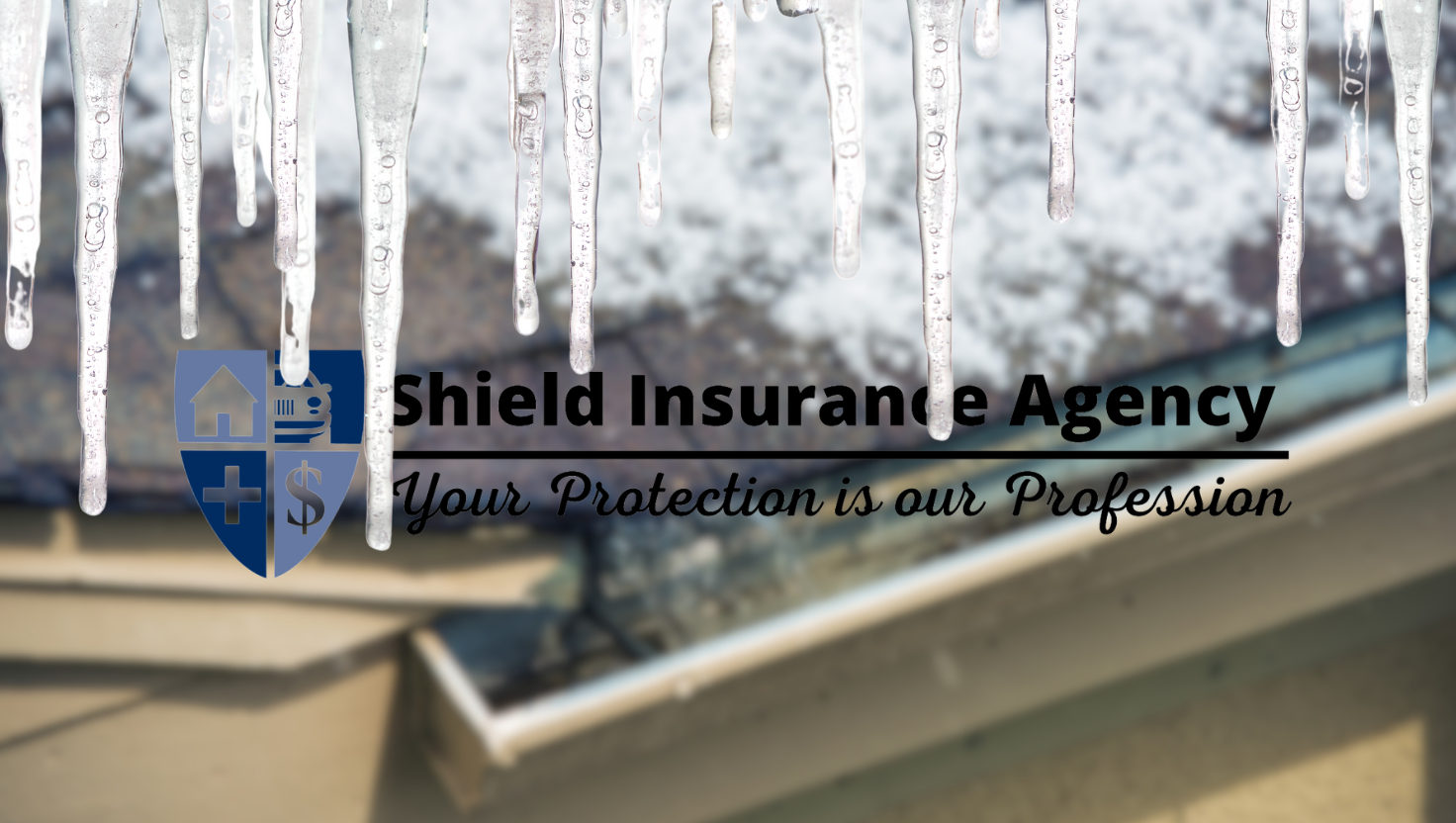
Ice Dams Create Roof Danger

You may be feeling cozy and warm in your home as the snow serenely falls outside. But, up on your roof, a dangerous situation could be forming – one that can compromise your roof and lead to water damage inside your home. It’s all the result of an ice dam. If you live in a snowy area and you’re not familiar with what an ice dam is, it’s imperative that you read on.

What Is an Ice Dam?

An ice dam is a ridge of ice that forms along the edge of your roof and prevents snowmelt from running off. It often occurs because heat from the attic warms the middle of your roof, causing snow to melt. When that runoff reaches the eaves, or overhang, of your roof, the cooler surface temperature (there’s no heat rising from inside your home to this part of the roof) can cause the water to refreeze. As this happens over and over, an ice dam forms, preventing melted snow from running off your roof.

Do Ice Dams Cause Damage?

Yes, ice dams cause the water from melted snow to back up under the shingles of your roof and into your home – the water doesn’t have anywhere else to go. This can damage your roof, not to mention your interior. And, remember, water damage can lead to toxic mold inside your home.

How Can I Prevent Ice Dams?

An easy way to help prevent ice dams is to keep your eaves, gutters, downspouts, and drains clear. This way water can drain away from your home as the snow melts on your roof. It’s ideal to have your gutters cleaned out before the snow season even begins. While you’re at it, install gutter screens for added protection.

Here are some other ways to help prevent ice dams:

  • Keep your attic cool. Proper insulation between your living areas and attic will help keep warm air from escaping into your attic and warming your roof. Ideally, during a snow storm, your attic won’t be more than 10 degrees warmer than the temperature outside.
  • Remove snow with a roof rake. Only if you can safely do so, remove accumulated snow from your roof using a long-handled roof rake, a specialized tool for clearing roofs, that won’t damage your roofing material. Do this from the ground. Never climb on top of a snowy roof.
  • Update your roof with materials that help prevent ice dams. These include a rubberized, water-repellent membrane underneath the shingles and a heating cable along the eaves. For either installation, consult a professional.

Ice dams may not be the first thing you think about once the snow stops coming down. After all, there’s the sidewalk and driveway to clear. But, for the sake of your roof and the integrity of your overall home, it’s important to keep an eye out for this winter roof danger.

So, how can you spot ice dams? Icicles may be a sign of ice dams, a buildup of snow and ice along your eaves that blocks water runoff. Discolored ceilings or walls may indicate that your ice dam has turned into a leak.

Remember, in the midst of this harsh winter, it’s important to keep your gutters clear, your roof updated and an eye out for the signs of ice dams. If you suspect trouble, call a trusted roofing contractor at once.

Need Homeowners Insurance Coverage?

Talk to Shield Agency about homeowners insurance coverage that’s right for you.

Read More
Insurance Terms Important to Know - Shield Insurance Agency Blog

Common Insurance Terms Made Easy

Insurance can be confusing…we get it! But we’re here to help provide you with a better insurance experience. Learn more about what these common insurance terms mean so you can be prepared when looking for a policy.

For customer information or to get a quote, please visit our website at www.ShieldAgency.com .

Read More

5 Tips for Millennials Buying Insurance

Shield Insurance Agency Blog | Millennials Buying Insurance |

Adulting (verb) – acting like an adult or engaging in activities usually associated with adulthood, often responsible or boring tasks.1

5 Tips for Millennials Buying Insurance

If you’re a millennial, you know this definition all too well. You’ve reached the age where you may be taking out student loans, buying or renting a place to live, having kids, and, ultimately, purchasing insurance. These major life events for millennials make it extremely important to have a financial security net. And that’s exactly what insurance is: a financial security net. So it’s troubling that a survey from Princeton Survey Research Associates International named millennials the most under-insured generation.

There are many reasons why people of all generations avoid purchasing insurance. It‘s often seen as a big investment, but that doesn’t necessarily mean that it’s an expensive one. In fact, insurance probably costs less than you think. For instance, according to the National Association of Insurance Commissioners (NAIC), millennials overestimated the cost of renters insurance by more than five times its actual cost per year.

Also, the complicated terms can make finding a policy a puzzling experience and the subject matter can be tough to digest. No one wants to think about being in a car accident, experiencing a break-in, losing everything in an apartment fire, or any other sort of bad, unexpected event. But these things can happen, so you’ll want to be prepared.

And don’t let any initial confusion or preconceived notions drive you away. You’re a millennial, after all! Your generation is always tackling new challenges and expanding the way the world works, oftentimes in brilliant ways.

Insurance provides essential financial protection for your future, so now’s the time to start “adulting” and take that first step.

Here are five tips:

  1. Shop smart. When looking for insurance, your No. 1 priority should be to find adequate coverage. Price is important, but you’ll want to determine what coverage you need first. Then you can fit that coverage into your budget and determine which carrier can provide you with the most comprehensive policy. You may be tempted to choose insurance with the lowest price tag, but if you don’t have enough coverage (or the right kind of coverage), you will see less financial benefit when it comes time to file a claim.
  2. Look for discounts. Once you evaluate your coverage needs, factor in your budget and find ways to save. Ask your insurance agent if there are any discounts on your coverage. Often, carriers offer discounts for things like paying your policy in full, staying auto accident-free or, if you’re in school, getting good grades. You also can save money by “bundling” multiple policies, such as purchasing a home and auto policy from the same carrier.
  3. Fill in the gaps. An average policy will cover the basics, but you may need to add extra coverage to meet your unique needs. For instance, you may have items like electronics or a nice piece of jewelry that would be financially difficult to replace, even with the assistance of your average renters or homeowners policy. You may want to add additional coverage for these items.
  4. Purchase life insurance—you aren’t too young. Life insurance is essential, no matter how young or old you are. And for millennials, buying now may be a smart move because it’s cheaper to buy a life insurance policy when you’re young and healthy. This kind of insurance can help your family cover unexpected costs in your absence, including student loan debt or a mortgage, in addition to end-of-life costs. And if you have kids, a life insurance policy can also support their education or childcare expenses. Additionally, every millennial should consider long-term disability coverage, which helps you stay afloat financially if an accident happens and you become disabled and unable to work.
  5. Talk to an independent agent. An independent insurance agent is an essential resource when purchasing insurance—especially if this is your first time. An independent agent works with multiple carriers, different from captive agents who can only sell insurance from the carrier they work for. Working with an independent agent can help make sure that you are getting the best coverage, for the best price. You’ll also benefit from independent agents’ insurance knowledge; they know how to talk you through your options and actually explain what each policy includes. An independent agent will make sure all of your assets are covered, help you find discounts or other ways to save, and be a valuable resource as your life changes and your insurance needs change, too.

Find a local independent agent and start protecting your finances today.

1 – Grammar Girl

Read More

New Year: Foresight in 2020

They say, “Hindsight is 20/20.” 

As we approach the new year, the National Insurance Crime Bureau (NICB) is encouraging you to exercise “Foresight in 2020.”   

While it’s easy to look back on where and how we failed to protect our assets, it is exponentially more beneficial to look forward and try to predict where we can best insulate ourselves from insurance crime and theft. By studying where we are vulnerable, we can identify weaknesses and adapt improvements that protect us, our families, and our property. From small precautions, like making sure we don’t leave valuables in our vehicles, to more extensive protections, like installing home security systems, we can exercise foresight in 2020 and stop crime before it happens. Law enforcement agencies across the country now engage in the practice of intelligence-based policing.


This methodology uses past data to identify and predict the patterns and behavior of criminals. NICB and our members follow suit, by identifying known threats and patterns in order to properly educate our consumers. You too can be an advocate in this preemptive strike against crime. Educate yourself, take precautions, and be vigilant. By using foresight in 2020, we can win the battle against crime.  

The best deterrent continues to be vigilance.

If there is a vacant home or business in your area, and you see suspicious or unusual activity around the property, call your local law enforcement. If any vehicles are involved, jot down their descriptions and license plates. Also, note the clothing and physical appearance of any person(s). All of this is very helpful to investigators. 

NICB reminds consumers to make sure your vehicle is locked when unattended. Don’t leave spare keys or fobs inside. Take a moment and be sure to hide your valuables from view. Even an empty bag or extra change in view looks appealing to a thief from the outside. 

Do things to protect your home, by locking your doors and investing in a home security system.  

Anyone with information concerning insurance fraud or vehicle theft can report it anonymously by calling toll-free 800.TEL.NICB (800.835.6422) or submitting a form on our website.

About the National Insurance Crime Bureau:

Headquartered in Des Plaines, Ill., the NICB is the nation’s leading not-for-profit organization exclusively dedicated to preventing, detecting, and defeating insurance fraud and vehicle theft through data analytics, investigations, learning and development, government affairs, and public affairs. The NICB is supported by more than 1,300 property and casualty insurance companies and self-insured organizations. NICB member companies wrote over $496 billion in insurance premiums in 2018 or more than 81% of the nation’s property-casualty insurance. That includes more than 92% ($254 billion) of the nation’s personal auto insurance. To learn more visit www.nicb.org.

Read More

New jewelry? Insure those valuable gifts!

New jewelry | Shield Insurance Blog |

The holidays provide us with good reasons for presenting special – and often valuable – gifts to our loved ones. In the excitement of surprising someone with a gift that makes a big impression, remember that properly insuring expensive gifts can bring you peace and joy long after the holiday season is over.

Follow some easy tips for insuring new jewelry and valuables:

  • Consider taking advantage of a store or manufacturer’s warranties or guarantees, but don’t mistake them for insurance. For example, some major jewelry chains offer limited guarantees on gemstone and diamond replacement or repairs. This is a wonderful perk so long as the store is in business and you comply with regular inspections and the terms of the guarantee agreement. But in the event that your jewelry is lost or stolen, it is unlikely that the store will be able to help you. Talk with your insurance agent about your valuables and the best options to protect them.
  • Be sure to insure your expensive purchases to value, not just what you paid for them. Door buster specials during the holiday season may enable you to get a remarkable price on an item, but if you only insure for the price paid, you may not be able to get that same deal if you have to replace it later. The value of precious metals and gemstones fluctuates, so getting an appraisal can help you and your agent determine the appropriate amount of insurance. (And, don’t hesitate to ask your jeweler to provide an appraisal gratis as a way to close the deal. It never hurts to ask, and the cost of an appraisal may be worth it to the jeweler to make the sale.)
  • Take a photo of new, valuable items, and have it ready – along with any copies of the receipt, serial number, appraisal or certificate – when you talk to your agent about the right coverage for your items.
  • Get to know your policy’s limits. Coverage for expensive electronics differs from the protection for a diamond bracelet. Your agent can help you understand your policy and customize it to make sure it protects all of your valuables, whether the item is something you watch, listen to or wear.
  • It’s natural to want to bask in the warm feelings generated by giving someone special a present that wows, so consider insuring the gift as soon as you purchase it and before you present it. That way, you’re giving an extra gift that lets the recipient know, “It’s already taken care of.”

You may be thinking, “Most homeowner policies have built-in limits that cover high ticket items, right?” But depending on what you are fortunate enough to already own, you may have reached those limits. So, be sure you’re covered by talking to your agent about the coverage that will work best for your new valuables.

With a little planning, you can make sure that your holidays – and future – will be merry and bright.

Read More

Wood Burning Stove Family Safety

Wood Burning Stove Family Safety

Shield Insurance Blog | Wood Burning Stove | Home Insurance | Start A Quote Today!

We can replace your property, but we can’t replace you or your family.

Wood-burning stoves are great for ambiance and pocketbooks. There is also a greater risk of a home fire.

Use these handy reminders to stay on top of maintenance and safety items for wood-burning stoves.

  • Frequently check the unit and chimney flues.
  • Inspect the chimney from the roof, using a flashlight to look for obstructions or damage.
  • Check stovepipes for creosote build-up; have the chimney and stove professionally cleaned as needed.
  • Burn only seasoned wood, preferably at least 2 years old.
  • Keep children away from the stove to prevent burns or risk of clothing ignition.
  • Keep combustible materials away to avoid risk of ignition.
  • Maintain a multi-purpose fire extinguisher near the stove; check the date on the extinguisher and keep it up to date.
  • Check and maintain smoke detectors.

For more information on home insurance, contact our Shield Agents to see if you are on the right track for being insured.


More Blogs by Shield Insurance Agency

Read More

Umbrella Protection

Shield Insurance Blog | Umbrella Protection

Why an umbrella protection policy? Higher limits, broader coverages.

You want to keep your hard-earned assets and lifestyle. We want to help. Monetary damage awards from lawsuits are a reality in today’s litigious society.

While all your primary Fremont Insurance policies contain liability protection, if a judgment is levied against you for serious damages to someone else’s property or reputation, personal injuries, or even death, your liability limits can be exhausted quickly, leaving you to make up the difference. Your investments, your home, and even your personal property could be seized to satisfy a judgment. Umbrella insurance is the answer.

Not just for the wealthy anymore

  • Do you have high-profile or vital professional, community, or corporate responsibilities?
  • Do you conduct business activities in your home or take your business to people?
  • Do you have a trampoline or swimming pool or live on the water where someone could be injured?
  • Do you have pets/animals that might injure someone?
  • Do you engage in high-risk recreational activities such as ATVing, snowmobiling, flying, or hunting?
  • Do you have a teenage driver, who is statistically more likely to cause an accident?
  • Do you entertain a lot?

For as little as $90 for $1 million protection, Fremont Insurance Umbrella Policies are low-cost peace of mind, picking up where your primary policies leave off. If you think you might need one, contact a Shield Insurance Agent today.

Read More

Winter-Wise Protection

Is your home insurance winter-wise? Protect your home from the ravages of winter.

Michigan winter can bring burst pipes, leaky roofs, and costly structural damage. Is your home at risk? Ice dams and frozen water pipes are the main culprits.

Ice Dams

  • Keep gutters and downspouts clear of debris, snow, and ice to facilitate the flow of runoff. Use a roof rake to keep buildup to a minimum.
  • Evaluate your attic’s insulation and ventilation. Use R-38 value insulation in northern climates. Vents promote airflow under eaves and soffits; a cool, dry attic in turn curbs the formation of ice dams.

Frozen Water Pipes

If you think turning the heat down low while you’re away will save money, think burst water pipes and thousands of dollars in repair and replacement costs.

  • Insulate pipes susceptible to freezing.
  • Shut off and drain water from the garden hose and pipes leading to outside faucets.
  • Show everyone how to shut off the water in case pipes burst; when going away, drain and shut off the main water supply to your home or business.
Read More

Thanksgiving Fires, Turkey Fryers and Safety

Thanksgiving Fires, Turkey Fryers and Safety

I am feverishly preparing for what I consider to be a rite of passage: I’m hosting Thanksgiving for the first time. While I love to cook and host my family from time to time, there’s something extra intimidating about preparing the quintessential meal of the year. How do I manage to prepare a turkey, stuffing, potatoes, and vegetables at the same time? In one oven? Without a Thanksgiving Fire!? At this point, I have a spreadsheet listing what I need to do on Tuesday, Wednesday, and Thursday and the baking times and temperatures broken down in chronological order. (Thank goodness my mom is bringing the pumpkin pie.)

While I was researching ways to prevent the turkey from drying out, I stumbled upon this fact. According to the National Fire Protection Agency (NFPA), Thanksgiving is the peak day for cooking-related home fires. Add another thing to worry about to the list.

It’s pretty clear to see why 69% of all home fires on Thanksgiving are cooking fires. People are stressed and busy, which can lead to carelessness and inattention in the kitchen. Let me join the chorus and reiterate the NFPA’s tips regarding cooking safety:

  • Make sure your stovetop is clear of anything that could catch fire, like oven mitts, towels, hot pads, wooden utensils and food packaging.
  • If you are frying, grilling, or broiling, stay in the kitchen. If you have to leave the kitchen, even for a short period of time, turn off the stove.
  • If you are simmering, baking, roasting, or boiling, check on your food regularly and remain in your home. Use a timer help remind you that you are cooking.
  • Only cook when you are alert. If you are sleepy or have consumed alcohol, don’t use the stove.

Then there’s the use of turkey fryers, which the NFPA actually discourages. So does Underwriters Laboratory (UL), which will not certify any turkey fryers with their UL Mark. This video explains why UL finds those appliances dangerous.

Recent Posts

Read More