
How to Become a 100 Percenter

Unlock Your Full Potential: Master the Art of Becoming a 100 Percenter!

Daily Good | BY DANNY ALMAGOR | Aug 21, 2023 | 100 Percenter | Shield Insurance Blog

At Small Giants, the parent company of Dumbo Feather, we’re all about investing our passion and money into projects we believe can make the world better. We’re 100 percenters—or at least that’s our aim!

The term “100 percenter” is inspired by Charly and Lisa Kleissner, tech entrepreneurs who wanted to invest their money in a meaningful way—and inspire others to do the same. That’s why they started the 100 percent impact network, which brings together like-minded people who invest all of their assets into social and environmental causes.

“being 100 percent isn’t just about money”

Now, these are some serious investors, but being 100 percent isn’t just about money; it’s about making a 100 percent commitment to ensuring your life reflects your values. As Kleissner says, “social transformation begins with personal transformation.”

Just think of all the decisions you make every day, from the big to the mundane—where you invest your super, what you eat for dinner, where you buy your coffee, what you do for work, the relationships you have. Imagine if you could align these choices with your core beliefs. We’re on the road to doing that, and while we’re still working a lot of it out ourselves, this two-step guide will help you get the wheels in motion.

1. Work out what your values are

When I’m asked what key things I want to see changed in the world, I say: protecting the environment, encouraging hope and good leadership, building businesses that do social good, and working for peace. Your values might be different. You might be more of an animal person. Or someone who thinks we can’t go further as a society without learning how to be more vulnerable. The point is: if you can’t articulate the things that are most important to you, how can you ensure you’re focussing your energies in the best way?

A good way to discover what you care about is by doing volunteer work. If you know which area you want to volunteer in—children, homelessness, environment, education, health, etc.—then you’re sorted. If you don’t, try a few new projects until you’re hooked on something. From this, a list of values should emerge.

2. Align your values with your actions

If protecting children is a high priority, consider whether what you do at work, or what you buy, affects kids in some way. Maybe through child labor abuses? Or on a positive note: employing single mothers.

The best way to uphold these values is to surround yourself with like-minded people. It can be difficult to change the people you hang out with, but think about it: if all your work colleagues are mad cyclists, you’ll probably end up riding too, or if all your friends smoke, it’ll be hard to be the only non-smoker. On top of a great social group, find a mentor or coach whose values you respect.

Now, although I’ve made this sound fairly easy, the reality is, change is hard. And even when we do work at it, dilemmas arise. If you’re an environmentalist, for example, how do you justify international travel? If you care about health, should you still eat that sugary dessert? I care about animals but I eat meat, one of my many inconsistencies. The key is to be conscious about your choices and do the best you can. As my kids remind me, “If you reach for the stars, you might just touch the moon.”

What if you were able to align your values with how you live? We have 3 steps to help you become a 100 percenter. A Dumbo Feather production by Dennis YC Liu. 

For more inspiration, join an Awakin Call this weekend with Danny Almagor and Berry Liberman! More details and RSVP info here, 


More Blogs by Shield Insurance Agency

Read More
One of the most common questions people have is why it takes longer to get a business insurance quote than an auto insurance quote.

Cracking the Code: Why Auto Insurance Quotes Beat Business Insurance Quotes in Speed

Shield Insurance Blog | Business Insurance | Insurance Quotes | Start A Quote Today!

Business Insurance Quotes vs Auto Insurance Quotes

When it comes to insurance, there are many factors that can affect the time it takes to get a quote. One of the most common questions people have is why it takes longer to get a business insurance quote than an auto insurance quote. In this blog post, we will explore the reasons behind this and provide some insights into the process.

Firstly, it is important to understand that business insurance is a much more complex and specialized type of coverage compared to auto insurance. Business insurance covers a wide range of risks and liabilities that are unique to each individual business. This means that the insurance company needs to gather more information and assess a greater number of factors in order to provide an accurate quote.

One of the main reasons why it takes longer to get a business insurance quote is the level of customization required. Unlike auto insurance, which has standardized coverage options, business insurance needs to be tailored to the specific needs of each business. This means that the insurance company needs to gather detailed information about the business, such as its size, industry, location, and the specific risks it faces. This information is used to determine the appropriate coverage and limits for the business, which can take time to assess.

Insurance Quotes

Another factor that can contribute to the longer quote process for business insurance is the number of insurance companies involved. Unlike auto insurance, where there are a limited number of providers, business insurance has a much larger market. This means that there are more insurance companies to choose from, each with its own underwriting guidelines and pricing models. In order to provide the best quote for a business, the insurance company needs to shop around and compare quotes from multiple providers. This can take time, especially if the business has unique or specialized needs.

Additionally, business insurance often requires more documentation and verification compared to auto insurance. This is because businesses typically have more assets and liabilities that need to be assessed. For example, a business may need to provide financial statements, inventory lists, or proof of compliance with certain regulations. This additional paperwork can add to the time it takes to get a quote, as the insurance company needs to review and verify the information provided.

Furthermore, the complexity of business insurance policies can also contribute to the longer quote process. Business insurance policies often have more coverage options and endorsements compared to auto insurance. This means that the insurance company needs to carefully review and assess each option to ensure that the policy meets the specific needs of the business. This level of detail and customization can take time to evaluate and determine the appropriate coverage and pricing.

In conclusion, there are several reasons why it takes longer to get a business insurance quote compared to an auto insurance quote. The level of customization required, the number of insurance companies involved, the additional documentation and verification, and the complexity of the policies all contribute to the longer quote process. However, it is important to remember that the extra time and effort put into obtaining a business insurance quote is necessary to ensure that the business is adequately protected. So, if you are in need of business insurance, be patient and provide the necessary information to get the best coverage for your unique needs.

If you are looking for the best RV insurance quote, camper van insurance, or the best insurance for Motorhome Insurance near you, Shield Insurance Agency can help. With over 40 insurance companies represented, they have the expertise and resources to find the right coverage at an affordable price. Contact Shield Insurance Agency at (616) 896-4600 for a free quote today or start the quoting process by visiting this LINK and an agent will be in touch soon. Protect your family and your business with the right insurance coverage from Shield Insurance Agency.


More Blog Articles by Shield Insurance Agency

Read More
Understanding matresence – the word every new mother needs to know

Understanding matresence – the word every new mother needs to know

Positive.News | by Lucy Jones | August 2, 2023 | matresence | Health Insurance | Start A Quote!

During pregnancy and early motherhood, women undergo seismic psychological and physiological changes, yet this life-altering transition is neglected by society. Now the emerging concept of ‘matresence’, like adolescence, is opening up a new conversation about the bind of modern motherhood, helping to birth a new mothering culture

Before I had my first child, I had little idea about what becoming a mother would entail. I thought pregnancy was a straightforward physical process with a few ‘hormonal’ days. I thought that I would still be the same person when she was born. The experience of motherhood from a mother’s perspective hadn’t interested me before, I thought it was boring, banal. The proper work happened in an office. Most of us regard it this way: just look at that prefix in “just a stay-at-home mum”. I was overjoyed to be pregnant, but I realized, as the baby grew, that I had picked up strange notions about the value of the work of mothering. It’s no surprise: care work in our society is undervalued, unsupported, and disavowed.

In fact, it would be the wildest, hardest, most enlivening, and extreme psychological, existential, social, physical, and socio-political experience of my life.

When the baby was born, I had an uncanny sense that the old me was dead. I found this disturbing. I had gone, but I didn’t know where. My brain and patterns of thought felt different as if I had been rewired. I was expected to breeze through new motherhood, to ‘bounce back’ and crack on as normal. But I felt as if I’d been cracked open. After a gnarly birth and struggles with breastfeeding, hardcore sleep deprivation and the stress of looking after a newborn, mostly on my own – as is the way in our society – began to take a toll on my mind. But I was told to enjoy every minute. What on earth was wrong with me?

Around that time, I happened upon a word in an article written by a reproductive psychiatrist called Alexandra Sacks. It brought together everything I was feeling. Matrescence.

“The process of becoming a mother, which anthropologists call ‘matrescence’, has been largely unexplored in the medical community,” Sacks wrote. The word was like adolescence, and described the emotional, physical, and identity changes having a child triggers.

The idea that what I was feeling was normal filled me with relief. As a science journalist, I started to research the new and growing field of the parental brain. I was shocked by what I found.

Neuroscientists have found that the impact of pregnancy on the brain
is as significant as the impact of adolescence

After childhood and adolescence, there is no other time in an adult human’s life course that entails such dramatic psychological and physical change as matrescence.

In a landmark study published in Nature in 2016, researchers provided evidence, for the first time, that pregnancy renders pronounced changes in brain structure. Soon after, neuroscientists found that the impact of pregnancy on the brain is as significant as the impact of adolescence.

I learned about ‘zombie cells’. During pregnancy, cells are exchanged between the mother and foetus via the placenta. When the baby is born, some of those cells remain intact in the mother’s body. For decades. Perhaps forever. The phenomenon is called microchimerism. The exchange creates what leading geneticist Dr. Diana Bianchi calls a “permanent connection which contributes to the survival of both individuals.”

Click here for the full story on Understanding matresence..


More blogs by Shield Insurance Agency

Read More
Understanding Michigan State Short-Term Disability Insurance: Everything You Need to Know

Short-Term Disability Insurance: Everything You Need to Know in Michigan

Shield Insurance Blog | Short-Term Disability Insurance | Start A Quote Today!

What is Michigan State Short-Term Disability Insurance?

Short-term disability insurance is designed to provide income replacement for individuals who are unable to work due to a temporary disability. This type of insurance coverage typically lasts for a specific period, usually up to six months, and provides a percentage of the individual’s pre-disability income.

What Does Short-Term Disability Insurance Cover in Michigan?

Short-term disability insurance in Michigan covers a wide range of health conditions that prevent individuals from working. These conditions can include illnesses, injuries, surgeries, and mental health disorders. However, it is important to note that not all health conditions are covered under short-term disability insurance. Certain pre-existing conditions may be excluded from coverage.

How Does Short-Term Disability Insurance Work in Michigan?

In Michigan, short-term disability insurance is typically provided through an employer-sponsored group plan or purchased individually. When an individual becomes disabled and is unable to work, they must file a claim with their insurance provider. The insurance provider will review the claim and determine if the individual meets the criteria for disability benefits. If approved, the individual will receive a percentage of their pre-disability income for the duration of their disability.

What Health Conditions are Included and Categorically Excluded?

Short-term disability insurance in Michigan covers a wide range of health conditions, including but not limited to:

– Illnesses such as cancer, heart disease, and diabetes

– Injuries such as broken bones, sprains, and concussions

– Surgeries such as joint replacements, hernia repairs, and appendectomies

– Mental health disorders such as depression, anxiety, and bipolar disorder

However, certain health conditions may be categorically excluded from coverage. These can include pre-existing conditions, self-inflicted injuries, and disabilities caused by illegal activities.

What are the Significant Terms to Remember?

When it comes to short-term disability insurance in Michigan, there are several significant terms to remember. These include:

– Elimination period: This is the waiting period before disability benefits begin. It is typically a specified number of days after the disability occurs.

– Benefit period: This is the length of time that disability benefits will be paid. It is usually up to six months but can vary depending on the policy.

– Benefit amount: This is the percentage of the individual’s pre-disability income that will be paid as disability benefits. It is typically around 60-70% of the individual’s income.

More About Short-Term Disability Insurance

Short-term disability insurance provides individuals with financial protection during a temporary disability. It can help cover expenses such as medical bills, mortgage or rent payments, and daily living expenses. It is important to carefully review the terms and conditions of a short-term disability insurance policy to ensure that it meets your specific needs.

Can I Get Temporary Disability After Surgery?

Yes, short-term disability insurance can provide coverage for individuals who are unable to work due to surgery. Whether it is a minor procedure or a major surgery, short-term disability insurance can help replace a portion of the individual’s income during their recovery period.

What are the Common Procedures that Lead to Short-Term Disability?

Several common procedures can lead to short-term disability, including:

– Joint replacements: Procedures such as hip or knee replacements can require a significant recovery period and may result in temporary disability.

– Hernia repairs: Hernia repairs can be a major surgery that requires time off work for recovery.

– Appendectomies: An appendectomy is the surgical removal of the appendix and can result in a temporary disability.

What are the Options After Wrongful Disability Denials?

If an individual’s short-term disability claim is wrongfully denied, there are options available to appeal the decision. It is important to gather all relevant medical documentation and evidence to support the claim. Seeking legal advice from an experienced attorney specializing in disability insurance can also be beneficial in navigating the appeals process.

What are the Common Red Flags that Indicate Bad-Faith Delays or Wrongful Denials of Disability Coverage?

Several common red flags may indicate bad faith delays or wrongful denials of disability coverage. These can include:

– Unreasonable delays in processing the claim

– Inconsistent or contradictory reasons for denial

– Failure to provide a clear explanation for the denial

– Ignoring or misrepresenting medical evidence

– Failing to consider all relevant information

If any of these red flags are present, it may be necessary to seek legal assistance to ensure that the individual’s rights are protected.

Shield Insurance Agency Represents Over 40 Insurance Companies

Shield Insurance Agency is a trusted insurance agency that represents over 40 insurance companies. They specialize in providing individuals with the best insurance coverage options to

Read More

The Ultimate Guide to Walking: All Your Questions Answered!

Shield Insurance Blog | Walking | Health Insurance | Start A Quote Today!

Your Top Walking Questions — Answered!

Walking is a fantastic form of exercise that is accessible to almost everyone. It’s low-impact, easy to do, and can be done anywhere, anytime. But like any form of exercise, there are often questions and uncertainties that arise. In this blog post, we will answer some of the most common questions about walking to help you get the most out of your walking routine.

1. Should I carry weights to burn more calories?

Carrying weights while walking can increase the intensity of your workout and potentially burn more calories. However, it’s important to use caution when adding weights, as they can put strain on your joints and muscles. Start with lighter weights and gradually increase the load as your strength improves. It’s also a good idea to consult with a fitness professional to ensure you are using proper form and technique.

2. How fast should I walk?

The speed at which you walk depends on your fitness level and goals. A brisk pace is generally recommended for cardiovascular benefits. Aim for a pace where you can still carry on a conversation but feel slightly breathless. If you’re just starting out, start with a comfortable pace and gradually increase your speed over time.

3. Do I really need to lug a bottle of water with me during a long walk?

Staying hydrated is important, especially during longer walks or in hot weather. While it may be tempting to skip carrying a water bottle to lighten your load, it’s essential to have access to water to prevent dehydration. Invest in a lightweight, portable water bottle that you can easily carry with you.

4. Is walking as good as other forms of cardiovascular exercise?

Walking is an excellent form of cardiovascular exercise that offers numerous health benefits. It can improve heart health, strengthen muscles, and help with weight management. While other forms of exercise may have their own advantages, walking is a great option for people of all fitness levels and ages.

5. Which is more beneficial: walking outside or using a treadmill indoors?

Both walking outside and using a treadmill indoors have their advantages. Walking outside allows you to enjoy fresh air, nature, and changing scenery. Treadmills, on the other hand, provide a controlled environment and allow you to easily track your speed, distance, and other metrics. Ultimately, the choice between the two depends on personal preference and convenience.

6. What’s the best time of day to walk?

The best time of day to walk is whenever it fits into your schedule and you can commit to it consistently. Some people prefer to walk in the morning to kickstart their day, while others find that an evening walk helps them unwind. Experiment with different times of day to find what works best for you.

7. Should I eat before I walk?

It’s generally recommended to have a light snack or meal before walking, especially if you’re planning a longer or more intense walk. This will provide your body with the necessary fuel to sustain your activity. Opt for a balanced meal or snack that includes carbohydrates for energy and protein for muscle repair.

8. What’s the simplest way to determine how fast I’m walking?

The simplest way to determine your walking speed is to use a pedometer or a fitness tracker that measures your steps and distance. These devices can provide you with valuable information about your walking pace and progress.

9. How many calories do I burn by walking a mile?

The number of calories burned while walking a mile depends on various factors such as your weight, walking speed, and terrain. On average, a person weighing around 150 pounds can burn approximately 100 calories by walking a mile at a moderate pace.

10. My walking shoes have two sets of eyelets. Which should I use?

The choice of eyelets depends on your foot shape and comfort. Experiment with both sets of eyelets to find the lacing pattern that provides the best fit and support for your feet.

11. I walk early in the morning, so my walking shoes always get wet. They’re still damp the next day when I go to put them on. Any suggestions?

To dry your walking shoes more quickly, remove the insoles and place them in a well-ventilated area. Stuff the shoes with newspaper or use a shoe dryer to absorb moisture. Avoid direct heat sources like radiators, as they can damage the shoes.

12. When should I get new shoes?

It’s recommended to replace your walking shoes every 300-500 miles or every 6-12 months, depending on your walking frequency and the wear and tear on the shoes. Inspect your shoes regularly for signs of wear, such as worn-out soles or decreased cushioning.

13. How can I evaluate my fitness level as a walker?

There are several ways to evaluate your fitness level as a walker. You can track your walking speed, distance, and time to monitor your progress over time. Additionally, you can perform a walking test, such as the 6-minute walk test, to


Read more blogs by Shield Insurance Agency

Read More
To help you better understand this complex industry, we have compiled a comprehensive list of insurance terms that you should be familiar with.

Know Your Insurance Terms for Peace of Mind

Shield Insurance Agency Blog | Insurance Terms | Start a Quote Today!

Insurance is an essential aspect of our lives, providing us with the necessary protection and peace of mind. However, navigating the world of insurance can be overwhelming, especially with the numerous terms and jargon often used. To help you better understand this complex industry, we have compiled a comprehensive list of insurance terms that you should be familiar with. Whether you are a seasoned policyholder or a newcomer to the world of insurance, this list will serve as a valuable resource.

Insurance Terms

1. Premium: The amount of money you pay to the insurance company in exchange for coverage. Premiums can be paid monthly, quarterly, or annually, depending on the policy.

2. Deductible: The amount of money you must pay out of pocket before your insurance coverage kicks in. For example, if you have a $500 deductible and file a claim for $1,000, you will pay the first $500, and the insurance company will cover the remaining $500.

3. Policy: A contract between you and the insurance company that outlines the terms and conditions of your coverage. It specifies what is covered, the limits of coverage, and any exclusions or conditions.

4. Coverage: The protection provided by an insurance policy. It can include various types, such as auto, home, health, life, and more.

5. Liability: The legal responsibility for any damages or injuries caused to others. Liability coverage is designed to protect you in case you are held responsible for an accident or injury.

6. Claim: A formal request made by the policyholder to the insurance company for compensation or reimbursement for a covered loss or damage.

7. Underwriting: The process of evaluating an applicant’s risk and determining the terms and conditions of their insurance policy. It involves assessing factors such as age, health, driving record, and more.

8. Exclusion: Specific situations or conditions that are not covered by an insurance policy. It is important to review your policy carefully to understand what is excluded from coverage.

9. Rider: An additional provision or amendment to an insurance policy that modifies or expands the coverage. Riders are often used to add specific coverage options or increase policy limits.

10. Agent: A licensed professional who represents an insurance company and helps individuals or businesses find the right insurance coverage. They can provide guidance, answer questions, and assist with the claims process.

11. Insured: The person or entity covered by an insurance policy. This can be an individual, a family, or a business.

12. Loss: The reduction in value or damage to property or assets covered by an insurance policy. It can be due to theft, accident, natural disaster, or other covered events.

13. No-claims bonus: A discount or reward given by insurance companies to policyholders who do not file any claims during a specific period. It encourages safe driving and responsible behavior.

14. Comprehensive coverage: An insurance policy that provides protection against a wide range of risks and perils, including theft, vandalism, fire, and natural disasters.

15. Grace period: The additional time given to policyholders to pay their premium after the due date without incurring a penalty or losing coverage.

16. Subrogation: The process by which an insurance company seeks reimbursement from a third party who is responsible for the loss or damage covered by the policy. It allows the insurance company to recover the amount paid to the policyholder.

17. Actuary: A professional who uses statistical data and mathematical models to assess risk and determine insurance premiums. They play a crucial role in pricing policies and ensuring the financial stability of insurance companies.

18. Umbrella policy: An additional liability insurance policy that provides coverage beyond the limits of your primary policies. It offers an extra layer of protection against high-cost claims or lawsuits.

19. Depreciation: The decrease in the value of an asset over time due to wear and tear or obsolescence. Insurance policies often take depreciation into account when determining the amount of compensation for a covered loss.

20. Endorsement: A written amendment or addition to an insurance policy that changes the terms or coverage. It can be used to add or remove coverage options, increase or decrease policy limits, or modify other policy provisions.

Understanding these insurance terms will empower you to make informed decisions when it comes to protecting yourself, your family, and your assets. Remember, insurance is not just a financial product; it is a shield that safeguards your future. If you have any questions or need assistance in finding the right insurance coverage, contact Shield Insurance Agency at (616) 896-4600 for a free quote today. You can also start the quoting process by visiting this LINK, and an agent will be in touch soon. Stay protected and enjoy peace of mind with comprehensive insurance coverage.


More Blogs by Shield Insurance Agency

Read More
Insurance 101 for Beginners

Insurance 101 for Beginners

Shield Insurance Blog | Insurance | Start a Quote Today!

What do I need to Know About Insurance?

Insurance is a crucial aspect of our lives that provides financial protection and peace of mind. Whether it’s car insurance, homeowners insurance, or any other type of insurance, understanding the basics is essential. In this blog post, we will explore the fundamental concepts of insurance, different types of insurance, and why it is important to have the right coverage.

Insurance is a contract between an individual or business and an insurance company. The individual or business pays a premium, and in return, the insurance company agrees to provide financial protection in the event of a covered loss. The purpose of insurance is to transfer the risk of potential financial loss from the insured to the insurance company.

Basic Terms and Definitions

To understand insurance better, it is essential to familiarize yourself with some basic terms and definitions. Here are a few key terms:

  • Premium: The amount of money paid to the insurance company for coverage.
  • Deductible: The amount the insured must pay out of pocket before the insurance company starts covering the loss.
  • Policy: The contract that outlines the terms and conditions of the insurance coverage.
  • Coverage: The specific protection provided by the insurance policy.
  • Claim: A request made by the insured to the insurance company for compensation for a covered loss.

Car Insurance for Beginners

Car insurance is one of the most common types of insurance that people need. It provides financial protection in case of accidents, theft, or damage to your vehicle. Here are a few things to consider when getting car insurance:

  • Liability Coverage: This coverage pays for damages and injuries you cause to others in an accident.
  • Collision Coverage: This coverage pays for damages to your vehicle in case of a collision.
  • Comprehensive Coverage: This coverage pays for damages to your vehicle caused by events other than collisions, such as theft or natural disasters.

Renters and Homeowners Coverage for Beginners

If you rent or own a home, it is crucial to have renters or homeowners insurance to protect your belongings and property. Here are a few key points to consider:

  • Renters Insurance: This type of insurance provides coverage for your personal belongings in case of theft, fire, or other covered events. It also provides liability coverage in case someone gets injured in your rented property.
  • Homeowners Insurance: This insurance covers your home and belongings against damage or loss caused by covered events. It also provides liability coverage and additional living expenses if your home becomes uninhabitable.

What other types of Insurance are there?

Apart from car insurance and homeowners/renters insurance, there are several other types of insurance that you may need depending on your circumstances. Some common types include:

  • Health Insurance: This insurance provides coverage for medical expenses and can help protect you from high healthcare costs.
  • Life Insurance: Life insurance provides financial protection to your loved ones in case of your death. It can help cover funeral expenses, pay off debts, and provide income replacement.
  • Disability Insurance: This insurance provides income replacement if you become disabled and are unable to work.
  • Umbrella Insurance: Umbrella insurance provides additional liability coverage beyond the limits of your other insurance policies. It can protect you from large lawsuits and claims.

Protection, Family, and Shield Agency

Insurance is all about protection, especially when it comes to your family and assets. Shield Insurance Agency understands the importance of having the right coverage and represents over 40 insurance companies to provide you with the best options. Whether you need car insurance, homeowners insurance, or any other type of insurance, Shield Insurance Agency can help.

Contact Shield Insurance Agency at (616) 896-4600 for a free quote today or start the quoting process by visiting this LINK, and an agent will be in touch soon. Don’t wait until it’s too late – protect yourself and your loved ones with the right insurance coverage.


Check out more blogs articles by Shiels Insurance

Read More
Medicaid in Michigan: What You Need to Know

Medicaid in Michigan: What You Need to Know

Shield Insurance Blog | Medicaid in Michigan | Contact Brianna or Carlos for details! | Shield Quoting Portal

When it comes to health care, Medicaid in Michigan is one of the most important and beneficial programs available to residents. Understandably, many people have questions about Medicaid in Michigan, particularly when it comes to eligibility, services covered, and the unique circumstances surrounding the program. In this blog post, we’ll dive into what Medicaid is, who can qualify, what it covers, how it works, and more. We’ll also examine how Medicaid in Michigan responds to economic downturns and emergencies, and how residents feel about the program. Finally, we’ll explore how Shield Insurance Agency can help you find a plan that fits your budget and needs.

What is Medicaid?

Medicaid is a joint state and federal government program that serves as a social safety net for some of the nation’s most vulnerable populations. Medicaid provides a range of services from preventative care, to doctor’s visits and hospital stays, to long-term in-home and nursing home care. These services and the program’s specifics may vary across states.

Who Qualifies for Medicaid in Michigan?

The Medicaid program is broad in its range of eligible applicants. It is open to both children and adults with low- to moderate levels of income. In Michigan, the qualifications for … Medicaid income differ depending on family size, though applicants must also meet other factors such as age, residency, and assets.

What Does Medicaid Cover?

Medicaid in Michigan covers a range of services to its beneficiaries from hospital visits and physician services to long-term nursing home care and home health care. It also provides certain preventive care services, such as annual checkups, immunizations, vision, and dental care. Other services such as mental and behavioral health treatment and substance abuse treatment may also be covered.

How Does Medicaid in Michigan Work?

In Michigan, Medicaid works through a partnership between the Michigan Department of Health and Human Services (MDHHS) and several other organizations. MDHHS runs the program and sets guidelines, while individual counties are responsible for determining eligibility for Medicaid benefits and providing services. If an individual meets the requirements, they may receive services from local county agencies or from managed care organizations (MCOs), which are organizations that contract with the state to provide Medicaid-covered services.

What are Demonstration Waivers?

Demonstration waivers are federal waivers that can be applied for by states, allowing them to adopt Medicaid programs tailored to meet the needs of their constituents. States can design their own Medicaid programs based on the demonstration waiver, and these programs may include different eligibility criteria, benefits, and service delivery methods than those available under the traditional Medicaid program. Demonstration waivers must be approved by the federal government before they can go into effect.

How Does Medicaid Respond To Economic Downturns and Other Emergencies?

During challenging economic times, the Medicaid program can serve as an important piece of safety net to assist vulnerable populations. In response to the COVID-19 pandemic, the state of Michigan created an emergency assistance program to help people who were laid off, lost wages, or are otherwise financially disadvantaged due to the pandemic. This program allows qualifying applicants to receive enhanced Medicaid benefits.

How Does the Public Feel About Medicaid in Michigan?

In general, the public has a positive opinion of the Medicaid program as it helps those who need it the most. For individuals who are eligible, Medicaid can provide financial security and access to needed medical care that may not otherwise be available. Though some criticism does exist, Medicaid is a widely popular program and receives a considerable amount of public support.

Shield Insurance Agency: Finding the Right Plan for You

Shield Insurance Agency specializes in health care plans, including plans that provide Medicaid coverage in Michigan. Representing over 40 insurance companies, Shield Insurance Agency can help you find a plan that meets your needs and fits within your budget. To get started, contact Shield Insurance Agency at (616) 896-4600 for a free quote today, or you can start the quoting process by visiting our website and an agent will be in touch soon.

Shield Insurance Blog | Medicaid in Michigan | Contact Brianna or Carlos for details! | Shield Quoting Portal


More Blogs from Shield Insurance Agency

Read More
Meet the young graduate who lives in a nursing home

Nursing Home and the graduate who lives there

Positive News.com | by Oliver Balch | July 24, 2023 | Nursing Home | More Blog Articles

Meet the young graduate who lives in a nursing home

There aren’t many twentysomethings who would opt to live in an old people’s home, but for broke student Teun Toebes, it’s an experience that has changed his life – and the lives of his housemates

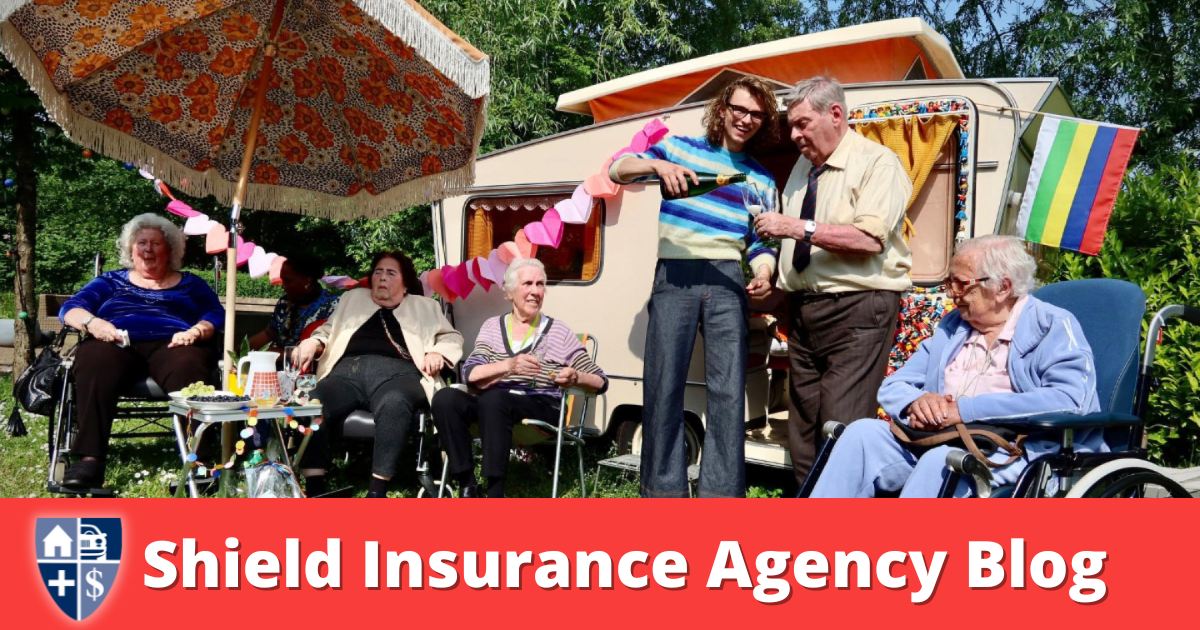
Cake, candles, banter, games, laughter, fresh air. Teun Toebes remembers his recent birthday as a total blast. He and his pals – Christi, Janny, Jopie, Ad. All of them just hang out, shooting the breeze, savoring the moment, and enjoying life.

It doesn’t bother him that they are all at least three times his age. Nor that they might have forgotten the event by now. They are his housemates. The people who this 24-year-old care ethics graduate has chosen to live with – first as a broke student researcher looking for a cheap room, now as a friend, ally, and campaigner.

Ad is his best friend in the care facility in the small Dutch town of Amstelveen that Toebes has called home for the last couple of years. As with all the venue’s elderly residents, Ad lives with dementia.

A former electrician and father of two, 78-year-old Ad is one of 55 million people worldwide with the condition. On average, most will live eight to 10 years after their initial diagnosis – the latter part of which many in the industrialized north will spend living in institutional care.

Toebes’ first exposure to the condition came as a 17-year-old intern in a local nursing home. Three years later, his great-aunt Greet was diagnosed with Alzheimer’s and came to live there. The serendipity allowed him to care for her directly, an experience that left him with a strange sense of privilege.

Despite Greet’s confusion, she read his moods and called him “my boy”; he, in turn, washed her, laughed with her, and, ultimately, coordinated her palliative care at the end. From that moment on, Toebes became convinced that it’s not only possible to connect with people with dementia but also to enjoy a lasting and reciprocal relationship.

Regrettably, that isn’t how institutional care in Europe and the UK works. Individuals like Greet stop being someone’s sister, someone’s neighbor, or someone’s lover; instead, they become someone primarily defined by their condition.

“Dehumanising” is the word Toebes comes back to most often to describe the situation. As he puts it: “I live together with the most beautiful 130 housemates, but they are all sorted together according to their dementia, the system sees them as the same.”

The most startling result of this logic is the restrictions. In Toebes’ facility, the doors are kept locked. Even access to the garden is restricted. So, for his birthday party, he had to request the key from the care home’s authorities. The latter cites understandable safety concerns, yet the parallels with the penitentiary system are as unavoidable as they are unfortunate. Hairdressers, doctors, dentists – all are brought into the facility, extreme risk-aversion means there are few opportunities for the residents to go out.

I live together with the most beautiful 130 housemates

Inside, protocols reign. If the temperature tops 30C, everyone must eat ice cream. The risk of salmonella means no soft-boiled eggs. ‘Care’ trumps ‘home’ every time, adds Toebes. Just consider the décor: a 200-meter-long corridor, easy-to-wipe tile flooring, strip lights everywhere, and walls with safety notices as decoration.

The effect of such a “surrealistic nobody’s land” on people’s identities is profound, he believes. Even the toilet habits of residents are monitored. ‘Firm’, ‘watery’, ‘discolored’: down it all goes, recorded in his housemates’ medical dossiers.

“If you’re reading in your mother’s records what kind of sh*t she has every day, then you will start seeing her more and more as a patient.

He doesn’t hold individual carers to blame. In a way, they too are subjects of a system that, as Toebes puts it, places “control and safety” above “happiness and being together”. To combat this, Toebes introduced Friday drinks, camping evenings, and trips to visit grown-up children for the residents, small things that have transformed the torpid atmosphere of the care home.

To kick off a conversation about what an alternative, people-centered dementia care might look like, Toebes has penned a book – The Housemates, out in English in August – already a No.1 bestseller in the Netherlands.

He recently set off on a tour of 11 countries on four continents to see how other nations approach dementia care, making a documentary that will be screened at a G20 summit on the disease later this year.

If we keep seeing the human being, he or she never really disappears

Each country adopts a slightly different strategy, he discovered. In South Korea, for instance, the emphasis weighs heavily on prevention through healthy lifestyle habits. In South Africa, the focus is on care within the family. In Moldova, residential care is not segregated by disease, meaning dementia-only facilities don’t exist.

His main takeaway lessons? Firstly, money alone won’t solve the problem. The UK spends £14.2bn a year caring for people living with dementia. That comes out of people’s taxes. Yet, it’s money for a system that no taxpayer in their right mind “would ever want to live in”.

An even more important lesson: everyone needs freedom and friendship, whatever their condition. Even if their mind is lost to dementia? Even then, he insists: “If we keep seeing the human being, he or she never really disappears.”

Positive News.com


Visit more Shield Insurance Agency Blogs

Read More
Choose a health insurance plan that meets your specific needs

Peace of Mind: Understanding the Importance of Health Insurance for Your Well-Being

Shield Insurance Blog | Health Insurance | Start a quote today! Contact Brianna or Carlos for help

Health insurance is an important aspect of life in Michigan. Understanding the different types of health insurance, key terms, availability, and cost is vital to finding the right policy for you. Shield Insurance Agency understands the importance of finding the best health insurance plan for you and they have the expertise to help determine the best coverage to fit your needs. Read on to learn more about health insurance in Michigan, including HMOs, PPOs, HRAs, HSAs, and more.

HMOs and PPOs

Health Maintenance Organizations (HMOs) and Preferred Provider Organizations (PPOs) are two common types of health insurance. HMOs are health insurance plans that provide access to a network of healthcare providers and usually require referrals in order to see a specialist. PPOs also provide access to a network of healthcare providers, but they allow you to choose your own doctors and do not require referrals. Both have different structures that affect how much you pay for services and how much deductible and copayments you pay.

HRAs and HSAs

Health Reimbursement Arrangements (HRAs) are employer-provided plans that allow employees to set aside pre-tax dollars to use for eligible medical expenses. Health Savings Accounts (HSAs) are also employer-provided plans that allow employees to save pre-tax dollars to use for eligible medical expenses. They are similar to 401k accounts, in that investments are allowed and the money rolls over from year to year. Both of these accounts can be used to help pay for out-of-pocket medical expenses, such as copays and deductibles.

Key health insurance terms

When thinking about health insurance in Michigan, there are several key terms to keep in mind. Copayments (or copays) are fixed amounts that customers pay for services, such as doctor visits or prescriptions. Deductibles are the amount of money the customer pays out of pocket before the insurance company pays for services. Coinsurance is the percentage of costs the customer pays once the deductible is met.

How much does health insurance cost


The cost of health insurance is different for everyone depending on factors such as age, family size, location, and type of plan. Generally speaking, HMOs tend to be less expensive than PPOs, and the higher the deductible, the lower the monthly premium. Health insurance premiums also depend on whether or not you receive subsidies or tax credits. In Michigan, the average monthly premium for family coverage with an employer-sponsored plan is about $735.

What are the different health insurance metal levels are

Health insurance plans also differ from one another depending on their level of coverage. Platinum plans typically have the highest premiums but also the most coverage, while bronze plans have the lowest premiums with the least coverage. Silver and gold plans are in the middle, offering somewhere between the two extremes of platinum and bronze plans.

When you can buy health insurance

The Annual Open Enrollment Period (OEP) is the time when everyone can buy a health insurance plan or make changes to their existing plan. In Michigan, the OEP runs from November 1st through December 15th each year. If you miss the OEP, you can still buy coverage outside of open enrollment if you experience certain life events, such as marriage, the birth of a child, or a move to a different state.

Where you can buy health insurance

You can buy health insurance from Shield Insurance Agency which represents over 40 insurance companies and specializes in helping individuals and businesses find the right plan for them. They can help determine the best level of coverage and answer any questions you have about health insurance in Michigan. Contact Shield Insurance Agency at (616) 896-4600 for a free quote today or start the quoting process by visiting this LINK and an agent will be in touch soon.

Health insurance in Michigan is an important aspect of life and it is essential to understand the types of health insurance, key terms, availability, and costs when shopping for a plan. Shield Insurance Agency has the expertise to help guide you through the process of finding the right policy for your needs and they can provide a free quote. For more information about health insurance in Michigan, contact Shield Insurance Agency at (616) 896-4600 today or visit this LINK to start the quoting process.


More blogs by Shield Insurance Agency

Read More