8 Lasting Changes Experts Think We’ll See In Kids After This ‘Lost’ Year

The COVID-19 pandemic changed all of our lives, but for developing kids, its impact may have more long-term effects.

By Caroline Bologna | 07/28/2021 04:52pm EDT | Huffpost.com

“Every kid’s experience of the pandemic is different based on their temperament and their home life,” Jacqueline P. Wight, director of mental health services at DotCom Therapy, told HuffPost. “Many children have experienced mental health challenges, and we anticipate that for some of these children, there will be lasting effects. For others, the challenges were more situational and will subside as life returns to normal.”

There’s no easy way to know which camp your child may fall into, but parents can take note as the situation evolves.

“Children are starting to experience the ripple effects from the collective trauma of the pandemic, and the long-term implications of this ‘lost’ pandemic year may not be fully understood for years to come,” said licensed clinical social worker Nidhi Tewari.

“The good news is that children ― and humans in general ― are resilient beings, and we will begin to recalibrate as the threat of COVID-19 dissipates in the coming months and years,” she added. “If we take steps to attend to our mental health and well-being now, then we can mitigate some of the long-term impact of this pandemic.”

Widening Inequality

Click here for the rest of the story…


Check out the other great articles at the Shield Blog!

Read More

Caregiving Assistance: How to Assess When an Older Adult Requires Caregiving Assistance

by Barbara Stepko, AARP, June 28, 2021 | Caregiving Assistance

Sometimes an older adult’s need for additional help is obvious. It could be that he or she is having a hard time getting to appointments, seems confused by instructions or perhaps isn’t paying bills on time. More often, though, the change happens gradually. That’s where a professional assessment comes in. This comprehensive review of all aspects of person’s mental, physical and environmental condition is one way to determine if your loved one needs assistance. This helps to evaluate his or her ability to remain safely independent and identify risks and ways to reduce them.

A family member or caregiver also has an opportunity to evaluate how a loved one is doing in terms of health, safety and quality of life. “The goal,” says Ardeshir Hashmi, M.D., section chief of the Center for Geriatric Medicine at Cleveland Clinic, “is to pick up clues early, before they start to impact day-to-day life a significant way, so we can do something about them.” Here are red flags to look for, which may signal a loved one needs further evaluation — and possibly more support.

Mobility

Changes in appearance

Click here for the rest of the story…


Check out more Shield Insurance Agency Blogs

Read More

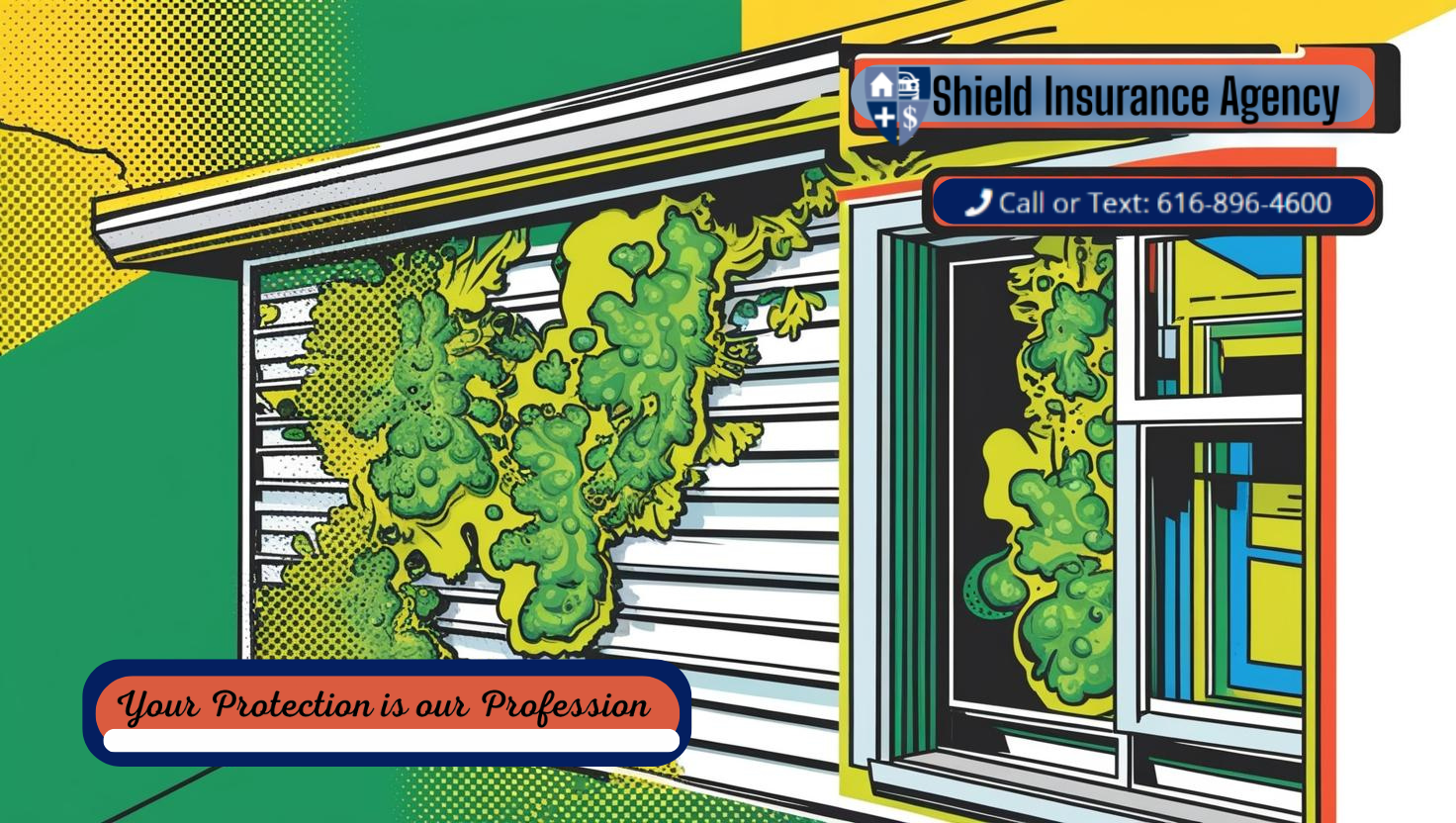
Mold: a silent but rapidly growing environmental exposure

At first glance, mold may seem unassuming but for commercial property owners, mold can be a highly problematic hazard that presents significant environmental risk.

Although frequently associated with the aftermath of natural disasters, mold is much more likely to result from routine maintenance issues such as leaky pipes or HVAC malfunctions. Taking a proactive approach to address mold is critical to help reduce the risk of property damage, guard against personal health effects, and avoid potentially costly future claims.

The health risks of mold

Concern about indoor exposure to mold has been increasing as the general public becomes aware of health risks and symptoms. According to the Centers for Disease Control and Prevention, potential adverse health risks can include a stuffy nose, sore throat, coughing or wheezing, burning eyes, or skin rash–with increased concerns for those with asthma or immuno-compromised individuals. Given these potential issues, commercial owners should prioritize mold as part of risk-management planning.

Industry-specific factors driving mold claims

While any business can be at risk for mold, certain sectors have experienced a significant uptick in the frequency and severity of costly environmental claims due to mold and indoor air quality issues. Here’s a look at the factors driving this trend in these sectors.

Heat and humidity create fertile breeding grounds for mold in schools.

Elementary and high schools (K-12) are vulnerable to mold growth for several reasons, including:

  • increased moisture due to painting or carpet cleaning
  • high humidity with reduced air conditioning or outdated heating systems
  • Especially during the summer, a lack of ventilation combined with heat and humidity creates a perfect mold incubator.  

Without regular maintenance, a school can rapidly experience significant mold growth. To mitigate the risk of mold outbreaks, schools should perform regularly scheduled inspections for signs of mold, moisture, and leaks, including during long breaks. The Environmental Protection Agency’s  Mold in Schools fact sheet provides additional guidance on how schools can mitigate this risk.

Renovations can lead to contamination surprises for hospitals and hotels.

Deferred maintenance can lead to delayed problems for healthcare and hospitality sectors, especially when it comes to larger projects such as roof or room renovations:

  • As a roof comes closer to the end of its useful life, the likelihood of leaking increases exponentially, as does the risk of mold growth.
  • Mold thrives where there is plenty of organic material, such as wood, paper, paint, drywall, and insulation—frequently uncovered behind walls, under carpet and ceiling tiles, and surrounding corroded pipes during routine maintenance or renovation projects.

Not having a plan to address this risk can be very costly. In addition to the costs to address structural damage, hospitals and hotels may also experience lost revenue if facilities need to cease operations or are held liable for mold-related exposures of individuals.

Putting risk mitigation plans to work

Click here for the rest of the story…

Read More

Money-Saving Pool Maintenance Tips

10 Money-Saving Pool Maintenance Tips & Tricks

A pool is a huge investment, and it’s worth every penny when you jump into the crystal-clear water on a scorching summer day. Maintaining your investment takes daily effort during pool season, but it doesn’t have to be a huge time commitment. Make pool maintenance as easy and cost efficient as possible with these easy tips.

1. Add Chlorine After Dark

The sun’s heat can weaken the efficiency of chemicals you add to the pool, which means you go through chemicals more quickly. When you need to shock the pool with chlorine, wait until evening to do it. The chlorine will have all night to kill unwanted organisms, and the water is clear by morning.

2. Set Alarms to Test Pool Water

Regularly testing your water is a critical part of pool maintenance. It’s better to make small adjustments now than to let a problem grow to the point that you need to bring in professional help to restore the right chemical balance. Set an alarm on your phone for twice a week so you never forget this task. Test after heavy rainstorms too.

3. Clean Tiles With Vinegar

Vinegar may help remove calcium deposits that cling to your pool tile above the water line. Pour a little white vinegar onto a soft cloth and try buffing a section of tile with it. Follow with a second cloth dampened with water.

4. Treat Metal Stains With Vitamin Tablets

Sometimes, brownish or greenish metal stains appear on the walls or floor of a pool. They often happen because something metal, like a hair pin, has been dropped into the pool. Some pool owners say that rubbing a vitamin C tablet or powder over the affected area lightens or removes metal stains thanks to the ascorbic acid in vitamin C

5. Throw in Tennis Balls

It’s best not to think too long about all the oils that accumulate on the surface of your pool water from the people who swim in it. Instead, toss a few tennis balls in the water when it’s not in use. As they bob around, they should soak up any oils they encounter. (Just make sure there are no little kids or pets around who will want to dive in to collect those balls!)

6. Discourage Bugs With Dryer Sheets

Nothing ruins a perfect pool day like a buzzing bee that refuses to leave. Scented dryer sheets discourage insect activity, so try tucking them into the landscaping around your pool. If you don’t have bushes and potted plants around to hold dryer sheets, try attaching them to garden stakes and plunging the stakes into the grass or dirt around the pool.

Click here for the rest of the story

Read More

Reducing safety risks for a returning and deconditioned workforce

The pandemic-era trend toward layoffs and early retirement means today’s workforce has less training and experience than in March 2020. On top of that, a year at home has physically changed our bodies, resulting in what experts call a “deconditioned workforce.” Unfortunately, this less trained and deconditioned workforce poses new safety risks for companies, particularly in more risk-prone industries like manufacturing, trucking, and construction. It is important for businesses to consider the safety risks associated with this trend and what they can do to help reduce workplace injury as employees return to work. 

With an accelerated vaccine rollout and the President’s expectation of getting “closer to normal” by July 4, 2021, many companies are thinking about moving back to regular operations before the end of the year. Despite this progress, it’s clear that the pandemic has made a lasting impact on our workforce—and the safety implications of returning to work need to be carefully considered.

Early retirement makes an impact

As a result of the pandemic, many older Americans working in heavily impacted industries retired sooner than planned. According to a study by The Schwartz Center, more than 1 million workers left the workforce between August 2020 and January 2021. In the last year, the unemployment rate for older workers has been significantly higher than mid-career workers—a rare occurrence in the job market.

For companies that laid off a large percentage of their workforce during the pandemic, this means that new hires will have significantly less training and experience than their predecessors. Compounding this problem is the fact that many workers are joining new industries due to COVID-19; according to a study by McKinsey, more than 100 million workers globally, or 1 in 16 people, will need to change occupations because of the pandemic.

All of these factors equate to increased risk for companies—especially those in certain sectors. According to David Perez, chief underwriting officer of Global Risk Solutions at Liberty Mutual Insurance: “In any job with a high safety risk, like construction, trucking, or manufacturing, untrained workers present tremendous exposure for accidents to occur.” In high-risk industries where training and experience prevent workplace injury, there is now a much more significant burden on employers to help keep untrained employees safe. 

A deconditioned workforce

Even for experienced employees returning to work, there is a greater risk of workplace injury when they come back to their jobs, post-pandemic. This is the result of worker deconditioning, or the degeneration of physical fitness and flexibility from lack of use. Bottom line? After more than a year of sitting at home, many of us simply aren’t as prepared to do physical labor as we were before the pandemic.

How bad is the problem? According to HumanTech, every day that we don’t use our muscles, we lose 1-3% of our strength. Months of sedentary behavior changes our bodies—and we can’t rebuild that strength overnight. Other factors, like reduced cardiovascular fitness and reduced flexibility, also contribute to workplace injury, particularly in the construction and manufacturing industries. It will take weeks or even months for workers to regain the strength they had before the pandemic. In the meantime, companies need to be aware of the increased risk and adjust their insurance policies to reflect that change.

Reduce risk, invest in training

Click here for the rest of the story...

Read More

Claims Technology Bolstered by the Pandemic

Shield Insurance Blog | Claims Technology | Start a Quote today!

Workers Expect Savvy Claims Technology: Here’s How the Pandemic’s Bolstered Claims Technology During Uncertain Times

The COVID-19 pandemic sped up the adoption of claims technology, but many tools were already in place and poised for growth.

Even apart from the COVID-19 pandemic, 2020 was a significant year. According to the NOAA, 22 separate weather events including severe storms, wildfires, and cyclones totaled $95 billion in damages.

While many types of insurance bear the brunt of these disasters, workers’ compensation carriers, tasked with critical care needs that affect workers and their families, need special strategies to deliver care when catastrophe strikes.

For many organizations, these strategies utilize technology, built-in redundancies, and, stepped-up conveniences like a direct deposit to ensure continuity of care, no matter the weather.

“We have to be ready for it all — hurricanes, floods, fires,” said Mark Bilger, CIO of One Call.

“In general, disaster recovery and business continuity are a staple of well-run IT management for any organization. Specifically, in claims and insurance, it’s heightened because of the critical care for injured workers.”

Especially in the wake of the COVID-19 crisis, workers’ comp claims teams were challenged with the immediate expansion of remote work, resulting in necessary changes that are likely to endure even after the pandemic concludes.

“Before work from home, One Call had a few concentrated contact centers,” Bilger said.

“After working from home, we look a lot more like the internet. We’re dispersed and we had to make major upgrades to our virtual private network, essentially 10-fold. We went from 1 gigabit to 10 gigabit capacity. We strengthened our endpoint protections and it went from firewalls in our locations to everybody’s home becoming the One Call network.”

Claims Technology

This growth in gigabit capacity is not isolated to the workers’ comp industry; reports indicate that pandemic-related growth has resulted in an estimated global wireless gigabit market size of $19 million in 2021 and is projected to reach $70 million by 2026.

In tandem with the global wireless market, gigabit size is the growth of cloud computing. Gartner forecasted 18.4% growth in a 2020 report to a total of $304.9 billion, noting that “the proportion of IT spending that is shifting to the cloud will accelerate in the aftermath of the COVID-19 crisis, with cloud projected to make up 14.2% of the total global enterprise IT spending market in 2024, up from 9.1% in 2020.”

Workers Expect Claims Technology

Expectations have been set by regulation and digitization in the 21st Century that even in the wake of a natural disaster, services will continue.

“One of the technology solutions that we have had for a few years but that we pushed during COVID and any other type of catastrophic event is our claimant app, MyCare,” said Michael Jamason, SVP, of business operations at CorVel.

“It gives the injured worker the ability to manage their pharmacy information, phone numbers for points of contact regarding their claim, information about payments being made to their accounts, and they can even establish their direct deposit in the app.”

Pharmacy information is especially important during a disaster when medications are destroyed due to property damage or lost in an evacuation.

“We were able to utilize our partnership with our PBM to allow people to get early refills, and with mail order, we were able to even change the amounts of medication given,” said Melissa Burke, head of managed care and clinical, AmTrust.

“We expanded into other needs like telemedicine, ensuring that we have different types of providers available. We were able to expand that and ensure access in all of our states where allowed by regulatory governance, including digital doctor networks. Something important there too is transitioning injured employees. Typically a telehealth solution would be either on the front end or the back end of a claim. We wanted to make sure that we could go back and forth depending on the state of the catastrophe,” Burke added.

Indeed, telemedicine expansion is at the forefront of many workers’ comp claims organizations’ radar. According to Mitchell’s “The Future of Technology in Work Comp 2020” industry survey, “many respondents believe that telemedicine will have the biggest impact on the industry within the next five years (32%), followed closely by artificial intelligence (30%) and predictive analytics (20%).”

The survey was conducted before the COVID-19 pandemic, which likely would have boosted telemedicine’s impact on the results due to significant expansions.

For many industry leaders though, the specific technological solution is not as significant as the strategy behind the solutions. “We have to ensure continuity of care and benefits,” said Michele Tucker, CorVel’s VP of EC operations.

“Any interruption — whether it’s a natural disaster or anything else — impacts many lives and families. We’ve been doing some regular testing with payments and system recovery so redundancy is set up, and if we have an office impacted, our system allows for immediate replication and the pickup of services by another office.”

Growth Brings Security Risks

Click here for the rest of the story


More recent Blogs…

Read More

60 Best Father’s Day Gifts

60 Best Father’s Day Gifts for Every Type of Dad

Father’s Day Gifts Ideas: Full of unique ideas to celebrate your husband, dad, grandpa, or another father figure in your life.

Although your dad may say he doesn’t want anything for Father’s Day this year, you know that showing up at his door without a present isn’t a possibility. After all, he’s the guy you looked up to (quite literally) all these years, and it’s only fitting to get him a Father’s Day gift that shows just how much you appreciate him and all that he does for your whole family. Finding the perfect present for your dad is tricky, though: You want to get a unique Father’s Day gift that he’ll use — something that’s meaningful, funny, or a little bit of both.

That’s exactly why we’ve rounded up the best Father’s Day gifts for every kind of father figure in your life, including your stepdad, father-in-law, or grandpa. That’s right, most of these picks work for any of the men in your life, like your brother who just became a new dad or your husband who is the best dad to your kids. Oh, and if you’re shopping for multiple people, we made sure to include plenty of budget-friendly options that will arrive in two days or less, everything from hilarious gag gifts to personalized keepsakes.


This article features a ton of gift ideas with everything from homemade beer to a nifty blue tooth shower speaker. And don’t stop there! More ideas are listed in fresh articles at the bottom of their page….. WOWZA!

Click here for the rest of the story…

Read More

What Is Mindfulness?

by Kim Painter, AARP, May 26, 2021

What Is Mindfulness? And Why It Might Make You Happier

Focusing on the present moment can help you quiet anxiety and find perspective

En español | What is Mindfulness? When psychiatrist Judson Brewer, M.D., wants to help a patient stop smoking, one of the first things he does is ask the smoker to give his or her full attention to smoking a cigarette, focusing on how it tastes, smells and feels right then.

“Not one of them has come back and said that they enjoyed smoking,” says Brewer, who is director of research and innovation at Brown University’s Mindfulness Center in Providence, R.I., and author of a new book, Unwinding Anxiety. Noticing that smoking is actually unpleasant can be the first step to quitting — and it’s a prime example of how mindful living can change your life, Brewer says.

Click here for the rest of the story …


Check out more blogs by Shield Insurance Agency

Read More

Delayed Claims Reporting

Delayed claims reporting: the true cost to businesses and injured workers

Shield Agency Blog: Delayed claims reporting

Delayed claims. Workplace injuries that go unreported can keep employees on the sidelines — uncertain about treatment and unclear on what to expect under their state’s WC system. When workplace incidents do happen, prompt claim reporting is a key factor to ensuring injured employees receive the necessary care to feel supported in a successful return — and minimizing business impact.

Businesses appreciate the value of speed. Consider these strategies to accelerate your injury reporting and prevent delayed claims:

  • Make the connection. Assigning a point of contact responsible for reporting helps employees know who to talk to.
  • Early education. Familiarize employees with the injury reporting process early and often, so they know what to do if the time comes.
  • Leverage technology. Your insurer may have apps, tools, or data enhancements to streamline your reporting to make it faster and easier.
  • Encourage treatment. Discuss injuries in private, and don’t blame or belittle workers for their injuries. Stress your support for their recovery, and help them find the right provider. You don’t want employees hiding an injury.
  • Measure. Rapid reporting has clear benefits — track successes and hold management accountable to reporting targets, with a recommended target of 80 percent of workers compensation claims reported within three days.

Get ahead of reporting lag, and you’re advocating for both your workers and your workers compensation outcomes.

Claim Reporting Lag Study

Read More

Common Health Problems After 50

7 Common Health Problems That Can Strike After 50

by Rachel Nania, AARP, May 18, 2021 | Health Problems

Some chronic conditions tend to start cropping up in midlife. Here’s what to do about them…

En español | There’s a lot to celebrate when you hit the big five-oh. Discounts start to kick in, investments begin to mature and — how does the saying go? — with age comes wisdom and maybe a few health problems.

But for all the money saved and knowledge earned, there’s a small price to pay: It’s time to really start tuning in to your health and addressing health problems.

“What we see is that some chronic health conditions are frequently diagnosed starting at age 50,” says Renuka Tipirneni, M.D., an internist and assistant professor in the Division of General Medicine at the University of Michigan.

The good news is that many of the conditions that creep up in midlife can be managed. And if they’re caught early and treated promptly, you can “prevent complications that are more serious,” Tipirneni explains.

Here’s what you need to look out for after you turn 50.

Click here for the rest of the story …


Check out other stories presented by Shield Insurance Agency

Read More