10 Things to Know About a Home Appraisal

HowStuffWorks.com | By: Dave Roos  |  Jul 1, 2019

Of all the people you’ll interact with when buying or selling a house, the appraiser is the one you’ll probably get to know the least. But he or she may play one of the most important roles in the sale or purchase of your home. What the appraiser finds can be the difference in whether or not you’ll get the house you want or be able to sell the one you don’t.

A property appraisal is different from a property inspection. The home inspector is looking for issues in the home that the buyer should be aware of before purchase (for instance, mold or a leaking roof). The appraiser is determining the dollar value of the home by looking at what similar homes in the area go for, as well as the condition of the actual property. If you’re borrowing money from a bank or other institution to purchase your home, you’ll likely have to get a home appraisal (the inspection is optional but buyers would be wise to get one.)

Here are 10 important things to know about a home appraisal, starting with why mortgage lenders require home appraisals in the first place.

Click here for the rest of the story…


More Blogs with Shield Insurance Agency

Read More

3 ways ransomware attacks can amplify liability risk for healthcare systems

Liberty Mutual Insurance > Business Insurance > Insights > 3 ways ransomware attacks can amplify liability risk for healthcare systems

In 2020, more than a third of healthcare organizations in America experienced a ransomware attack. These events often fly under the radar, but that doesn’t make them any less devastating than incidents that make headlines, like the recent attack on the Colonial Pipeline. According to a study by Sophos, the average ransomware attack on a healthcare organization costs more than  $1 million — but ransomware attacks have more than just a financial impact.

“Hospitals, medical facilities, and their physicians have sensitive patient information on their systems,” says Monica DiCesare, chief underwriting officer at IronHealth®, a division of Ironshore. “That information is critical to protect, because it’s critical to ensure patient safety.” A cyberattack could put patient lives at risk and open the hospital to even more costly medical malpractice and liability claims. Here are three interconnected risks that healthcare organizations might face in the wake of a ransomware attack — and how they can help mitigate their exposure. 

1. Encrypted data and medical malpractice suits 

Doctors and nurses rely on technology to do their jobs — so when those systems go down, hospitals are at an increased risk of medical malpractice suits. “We’ve become so reliant on technology. When we don’t have that technology and data, we become inhibited. The physician can’t practice medicine to its fullest, which can later be construed as negligence, because they weren’t able to provide adequate or appropriate care,” says Dennis Cook, president of IronHealth. 

Lack of access to patient data is a major problem for healthcare providers. When bad actors encrypt critical patient data, like drug allergies or prescription information, healthcare workers are more likely to make a mistake that may harm a patient. Delayed lab reports and other critical information may cause hold-ups in treatment, which can have dangerous consequences. On top of that, ransomware attacks can also lock intake systems. That means that ambulances carrying patients in critical condition may be rerouted to facilities miles away — costing precious time that many patients can’t spare. 

“We’ve become so reliant on technology. When we don’t have that technology and data, we become inhibited. The physician can’t practice medicine to its fullest, which can later be construed as negligence, because they weren’t able to provide adequate or appropriate care.” – Dennis Cook, president of IronHealth

In fact, the first medical malpractice suit for a ransomware-related death is already on its way to the courts. In July 2019, ransomware paralyzed the systems at the Springfield Medical Center in Mobile, Alabama. Computers across the hospital failed, including data from fetal heartbeat monitors in 12 delivery rooms. The suit alleges this outage led to the death of a newborn baby. The outcome of the case won’t be known for some time, but the human cost of ransomware is undeniable.

2. Hacked medical devices and product liability 

Check out the rest of the story…


More Blogs to check out!

Read More

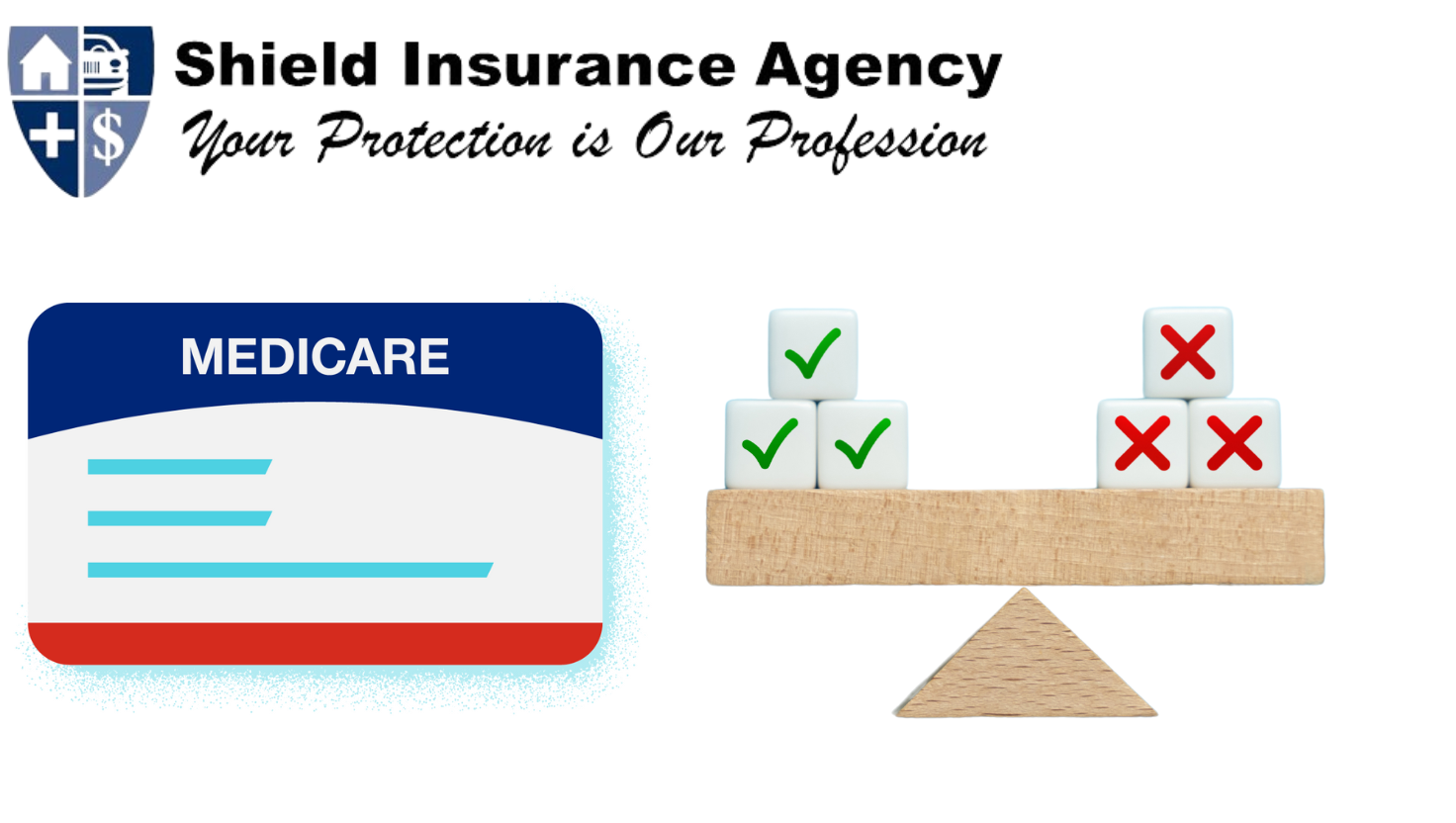
Medicare Advantage, The Pros, and Cons “Medicare Advantage: The Good, the Bad, and the Ugly – Prepare to Be Shocked!

These popular Medicare Advantage plans may carry hidden risks. Here’s what to know.

By Penelope Wang
Consumer Reports | Published October 14, 2021, | Updated November 15, 2021, | Medicare Advantage

If you’re one of the 63 million Americans enrolled in Medicare, you’re probably being deluged by marketing pitches for Medicare Advantage plans, which offer managed care with low or zero premiums. 

Medicare’s fall open enrollment season starts Oct. 15 and runs through Dec. 7, when you can switch your coverage between Original Medicare and Medicare Advantage, change Medicare Advantage plans, or make changes to your prescription drug plan. 

All that marketing seems to be working. Recently, 42 percent of Medicare beneficiaries were enrolled in Advantage plans, up from 31 percent in 2016, according to data from the Kaiser Family Foundation. Those numbers include 50 percent of Black and 54 percent of Hispanic enrollees vs. 36 percent of whites in 2018. By 2025, half of Americans are expected to be in Advantage plans.

It’s easy to see the appeal of Advantage. Original Medicare doesn’t cover all your medical expenses, while Advantage plans have cost-sharing requirements but then cap your out-of-pocket costs. Plus, you have low premiums and the simplicity of all-in-one coverage.

But there can be hidden risks to Advantage plans, especially for those with major health issues. 

“Some people in Medicare Advantage end up paying unexpectedly high costs when they become ill or find their network lacks the providers they need,” says Tricia Neuman, senior vice president at Kaiser.

Your alternative is to opt for Original Medicare and add a supplemental, or Medigap, a plan that covers your out-of-pocket costs and gives you a wider choice of providers. But you’ll pay additional monthly premiums for a Medigap policy, and unless you’re enrolling in Medicare for the first time, you could be denied Medigap coverage due to a preexisting condition. 

Click here to see the rest of the story on Medicare Advantage..


Have you checked out other Shield Insurance Articles?

Read More

7 Habits to Help You Make Dinner Without Planning At All, According to a Recipe Developer

The art of improvisation in the kitchen can absolutely be learned if you reframe how you look at your pantry. Plus, three recipes for go-with-anything sauces that turn any ingredients into a meal.

FoodNetwork.com | November 05, 2021 | By: Dawn Perry | Make Dinner

For the past twelve years or so I have spent the bulk of my professional time writing recipes for busy working people, myself included. Focused on dinner solutions, I made promises about 30-minute meals, aimed to dirty as few dishes as possible, and put melted cheese and tomato sauce on enough things that I thought the kids might, at the very least, taste what I was selling.

Those solutions are all great on paper but they can only get you so far when you get home, tired and hungry, and faced with the task of putting together another meal you hope everyone might like.

A lot of people will tell you it’s all about meal prep. You make A, B, and C on Sunday and then reinvent them throughout the week. Which is great in theory, but I’m not interested in spending a whole Sunday in the kitchen chopping and simmering and packaging meals for the week ahead. Plus, rare are the times when whatever I had intended to eat on Wednesday still seemed appealing when hump day finally arrived.

I say forget meal planning. Instead, I exercise these habits to help make weeknight meals so easy it hardly feels like cooking at all. (And read even more of my tricks and recipe ideas, in my brand new cookbook, Ready, Set, Cook.)

Click here for the rest of the story…

Read More

Building Resilience and the Interconnectivity of Risk

Source: BusinessInsurance.com Building resilience | Building Resilience | Business Insurance

Businesses large and small have ongoing challenges – from labor shortages to social inflation to environmental, social, and governance issues, and these risks are interconnected. These risks range from workplace illnesses and injuries to greater liability exposures to reputational damage and litigation over business practices. In this video series from Liberty Mutual Global Risk Solutions, David Perez offers insights to help risk professionals cope with these interconnected risks and improve their organization’s resilience.

Building Resilience in Labor Shortages

There are many factors behind the current labor shortages, from the pandemic to workers’ shifting attitudes on remote working, but all of these factors are combined to create risks for businesses. The impact of labor shortages goes beyond the ability to serve customers. Filling roles with new or inexperienced employees increases the need for training and an emphasis on safety in the workplace. In addition to retaining talent, businesses also should focus on building safety cultures, advises David Perez of Liberty Mutual Global Risk Solutions in this Business Insurance video.

Impact of Social Inflation

While not new, social inflation has become a major concern today for businesses and their liability insurers. A long-term trend, social inflation refers to shifting perspectives among plaintiffs and jurors, who are more willing today to seek or award outsize judgments. Higher jury awards and settlements mean increased costs and greater liability exposures for businesses. Learn how to mitigate the impact of social inflation in this video from Liberty Mutual Global Risk Solutions.

Environmental, Social, and Governance

Customers, investors and regulators are placing a growing importance on businesses’ environmental, social and governance programs. Business practices are facing more scrutiny and, increasingly, litigation. As businesses transition their operations to reflect ESG values, there could be risks. Learn more about how companies can retain customer confidence and protect their reputations in this video from Liberty Mutual Global Risk Solutions.

Click here for the full story…


Check out the other blogs!

Read More

The future of climate change disclosures: 4 critical risk areas boards should address

Brian McLoughlin, claims officer, Complex Management Liability Claims, Ironshore | Climate Change

In a 2020 study on climate outlook in business, 78 percent of leaders at the world’s top 500 companies reported that managing climate-related risks will be critical in keeping their jobs over the next five years. They know that climate change is a vital business issue — and it’s particularly urgent for companies in the U.S., where experts anticipate that mandatory climate disclosure requirements are on the horizon.

The Securities and Exchange Commission (SEC) has considered climate change a risk area since 2010, and many companies already voluntarily disclose information. But in July 2021, Gary Gensler, chair of the SEC, spoke about his plan to submit a proposed rule for mandatory climate disclosures — and based on an outpouring of public messages, that proposal will likely pass. Mandatory disclosures should make it easier for buyers and investors to access consistent, comparable data about climate impact, and for companies to showcase their positive work. However, these new regulations can feel daunting for board members, particularly at companies with less experience in this area.

“In July 2021, Gary Gensler, chair of the Securities and Exchange Commission (SEC), spoke about his plan to submit a proposed rule for mandatory climate disclosures — and based on an outpouring of public messages, that proposal will likely pass.”

Click here for the rest of the article...


More great articles from Shield Insurance Agency

Read More

Businesses Everywhere Are Looking for Help

Here’s what you need to know and how to take advantage of all the job openings

by Sharon Waters, AARP, November 3, 2021 | Looking for help

Businesses Everywhere Are Looking for Help

En español

Now would seem like a great time to be looking for work. Job openings hit a record 10.9 million this summer — the highest figure since the Labor Department started tracking that number two decades ago. Is it time for you to return to work or maybe even look for a different job

Kenneth Moore, 67, would say yes. The Chico, California, resident is an independent contractor with Amazon Flex, driving his 2018 Ford Fusion car to deliver packages whenever he wants to pick up a route from the online retailer. Moore says the part-time work — he puts in about 24 hours per week — is flexible and fun, and he’s lost 20 pounds since starting the gig in late June. Moore worked in heavy construction before retiring two years ago, but he found the pace of retirement was too slow, prompting him to take the Amazon position. “I like the idea of having something to do,” says Moore, adding that he didn’t want a job with set hours. “It’s like being your own boss.”

Click here for the full story…


Check out the other articles

Read More

National Gratitude Month

Use #NationalGratitudeMonth | National Day Calendar

National Gratitude Month in November encourages us to embrace the power of gratitude.

Gratitude is more than simply saying “thank you.” Gratitude’s amazing powers have the ability to shift us from focusing on the negative to appreciating what is positive in our lives. Practicing daily gratitude gives us a deeper connection to ourselves, the world around us, and to our Creator.

Everything in our lives has the ability to improve when we are grateful. Research has shown that gratitude can enhance our moods, decrease stress, and drastically improve our overall level of health and wellbeing. On average, grateful people tend to have fewer stress-related illnesses and experience less depression and lowered blood pressure, they are more physically fit, they are happier, have a higher income, have more satisfying personal and professional relationships, and will be better liked. Grateful kids are even more likely to get A’s in school.

Click here for the rest of the story…

Read More

Managing the Transition From Hospital to Rehab to Home

4 ways to make the moves easier for family caregivers and their loved ones

by Amy Goyer |  AARP | October 27, 2021| Hospital to Rehab | Health Insurance

I’ve recently been helping a friend who has been managing her mother’s transitions from a hospital to a rehab facility, and then again to another rehab facility that wants to send her home before she, or her family, is ready. It reminded me of how tough family caregiving transitions can be. As a longtime family caregiver of many including both parents and my sister, I’ve been through many of them — some smooth, others unexpected and rocky. Caregivers play a crucial role in easing transitions, helping to ensure that loved ones adjust and get appropriate care along the way.

Moving our loved ones from one care setting to another is stressful for everyone involved. It’s invariably complicated and confusing, and I’ve often experienced poor communication among hospitals, facilities and family caregivers. Family caregivers play a key role in preventing hospital readmissions. We are the one consistent part of our loved ones’ care teams. Yet, all too often, family caregivers feel left out of the transition process. That’s why it’s up to us to be proactive.

CARE TRANSITION CHECKLIST 

• Contact discharge planner/social worker

• Discuss options/plans with patient

• Talk with health care practitioners and therapists

• Arrange for next step in care:

  • Facility: Visit; review care provided, residents, visitors, meals, cleanliness, certifications, ratings, complaints, costs and insurance coverage
  • Home: Understand insurance coverage of home-based care; arrange for home modifications, medical equipment, personal care, medical care, therapies, meals, transportation, visitors/socialization, prescriptions

• Get printed medication list, prescriptions and discharge instructions

• Get hands-on demonstrations/instruction on medical/nursing tasks; photos/videos

• Get appropriate clothing and personal supplies

• Arrange for transportation upon discharge

• Ensure transfer of medical records between facilities/providers prior to, at time of and following the transition

When faced with a care transition, planning is key, even if you have only a few days. Here are some ways you can help your loved ones with care transitions:

1. Do your homework ahead of time.

It’s a good idea to be aware of the hospitals and rehabilitation, skilled nursing and assisted living facilities in your parent or other loved one’s immediate area. Talk with your parents about their preferences, goals and wishes about where, if needed, they would want to be treated, recover and live. Review the ratings of Medicare-certified facilities at the Medicare Compare site, and talk with family members of people who have been there. A little bit of basic research ahead of time will lower your stress levels in a crisis when you may need to make decisions quickly.

2. Start planning for discharge at the beginning of a stay at a hospital or rehabilitation facility.

Don’t wait until discharge is imminent. Ask to speak with a hospital discharge planner or social worker for help planning your loved one’s next steps, care, transportation to their next place, insurance coverage and payment plans.

Click here for the rest of the story…

Read More