Tips on filing claims

Tips for effectively filing claims

Foremost Insurance | Ryker Huizinga | Filing Claims | Homeowners Insurance | Get A Quote

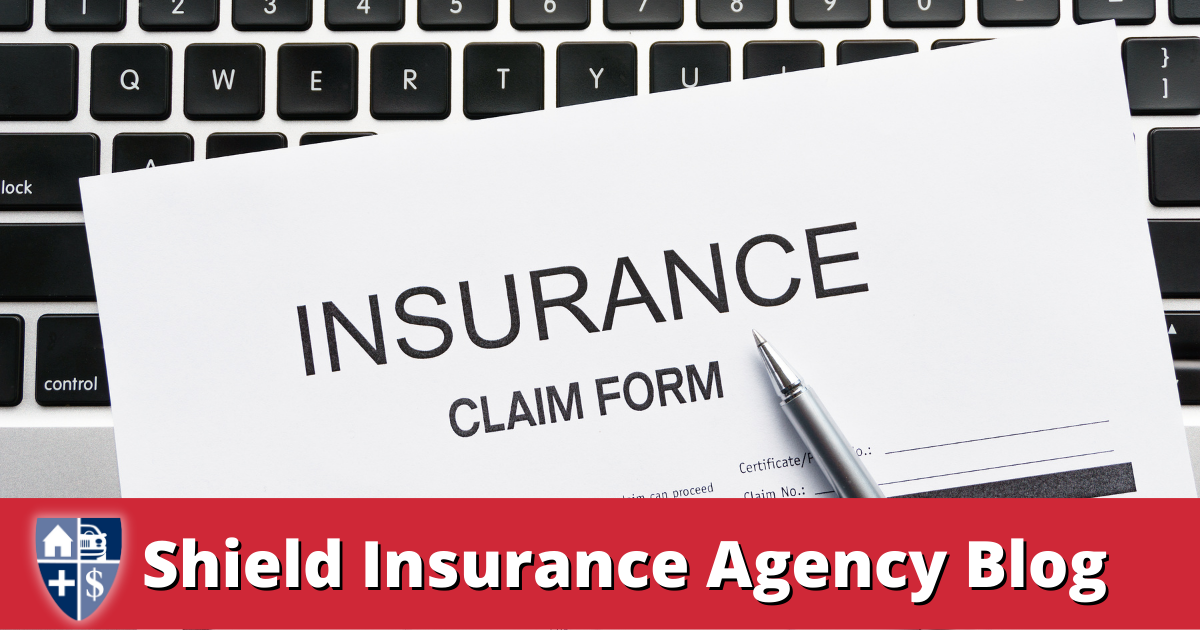
Experiencing a loss can be stressful, frustrating, and disheartening, but having insurance coverage will help alleviate the financial burden a loss can cause. The first step in restoring your property and moving forward is to determine if your policy provides coverage for the loss. To do this you need to file a claim with the insurer.

While the claims process isn’t something many eagerly look forward to, there are definitely ways you can make it a less stressful experience. To help you successfully navigate the process, here are several tips for effectively and efficiently filing claims.

Keep an inventory of all your insured possessions.

Be proactive! If you keep a written document of your possessions, it can help make the claims process much easier if you experience a loss. Go from room to room and record each item and its value to prepare an inventory. An easy way to do this is to take photos or videos of each room and all of the contents in the rooms. Consider keeping receipts with the purchase date and original cost for your records too, in case of total loss. Your inventory list should be consistently updated, which can be done easily if you record new items shortly after purchasing them. Pro Tip: Your inventory should be easily accessible. It is a good idea to keep a couple of copies of your inventory at different locations, with one location being off-premises in case of a total loss, like a fire.

Before filing claims reach out to your agent.

In the event of a potential claim, it’s best to contact your agent directly instead of the broader insurance provider. Your agent will be able to explain your options and advise on whether filing a claim is in your best interest. In some cases, your agent may even file the claim for you.

Report your loss promptly.

Always file your claim as soon as you possibly can. Of course, theft losses should be reported to the police first, and in other situations of danger and urgency, safety takes priority. But once it’s safe and reasonable to do so, you should contact your insurance agent. This is important because your policy might require you to make the notification within a certain amount of time. Not filing a claim within the time required in your policy may lead to a denial of the claim or may result in the claims process taking longer.

Be prepared for filing claims with the right information.

When you file your claim or make follow-up calls regarding the process, be sure to have the right information so your conversation is easier and more effective. Have your inventory list and the details of your loss, and keep the following information handy for your claims representative:

  • The customer’s name and address
  • The policy number
  • The date the loss happened
  • A description of what happened
  • A preferred telephone number for future contact

Provide complete, correct information.

Explain the situation accurately without downplaying or exaggerating your loss. Incorrect or incomplete information may cause complications and delays in processing the claim. Additionally, materially misrepresenting the facts of your loss may result in a loss of coverage.

Record important details from all correspondence.

While going through the claims process, be sure to write down important information from your phone conversations and in-person meetings with claims representatives and other contacts. This should include the time and date, as well as the name and title of the person you spoke with. This will help you stay organized and create records that may come in handy later.

Make appropriate emergency repairs.

If you’re dealing with property damage it may be necessary to make immediate emergency repairs to prevent additional damages, such as calling a plumber to repair a broken pipe. Your policy might cover the costs of these emergency repairs, so be sure to inquire about them when filing the claim. It is also important to take photos or even videos before making the repairs and save the receipts from all of the work that is done.

Ask questions about filing claims

Don’t be afraid to ask your claims representative for more information or clarification. The process will go much more smoothly if you are both on the same page and fully understand each other. For example, if there is a disagreement about the coverage of the claim, ask for the specific language in the policy that is in question to find out if it is a matter of differing interpretations.

Overall, it’s important to have patience because every insurance claim is different! Some may be completed quickly, while others may take a few weeks or even months to be resolved. You never know when problems will arise, but these tips can help you to effectively address the situations and smoothly navigate the claims process.


More Blogs from Shield Insurance Agency

Read More
Home security devices

Home security devices

Foremost Insurance Blog | Home Security | Home Insurance

Homeowners should consider protecting themselves with an alarm system or motion detector to help protect their homes from burglaries.

Alarm systems range in sophistication and price. Choose from do-it-yourself kits that set off a siren or lights or professionally installed systems that hook directly to the police station or monitoring service. A basic alarm system is composed of sensors to detect an intruder, a control panel that receives messages from the sensor, and an alarm that sounds off when activated by the control unit. Don’t expect any single alarm system to do the job alone. An excellent mechanical system is only effective when it’s used in conjunction with other security-minded habits.

Home security devices

Motion detectors can also be an effective weapon against burglars. An intruder’s movement or body heat triggers the alarm. Technological advances have made motion detectors less expensive and easier to install. Most motion detectors incorporate infrared, microwave, or ultrasonic technology. Typically, the movement of an intruder, or merely the person’s body heat, breaks a photoelectric beam and triggers the alarm. One or two well-placed motion detectors can usually do the work of several individual door and window alarms.

Finally, you might consider walking around your home and evaluating it as a burglar. Even try gaining access without a key. If you find any flaws in your anti-burglary precautions, correct them immediately. Remember, no home is totally safe from a determined, experienced burglar. However, if you make it difficult for someone to enter your home, the burglar will likely select an easier target.

For more information on Home Insurance, and Home security devices, give Shield Insurance Agency a phone call at 616-896-4600. Our licensed agents will have the answers you need to make the best decisions on the best insurance.


More blogs by Shield Insurance Agency

Read More
Home's Value

Best Upgrades to Increase Your Home’s Value

Foremost Insurance Blog | by Marrio Roberts Jr. | Home’s Value | Home Insurance

What adds to your home’s value? This is the question many homeowners ask when they’re entering the housing market as a seller. While you may be able to sell your house as-is, you could earn more profit if you make some renovations first. Read on to discover some of the best home upgrades you can make to help get the most bang for your buck!

Add a fresh coat of paint to increase your Home’s Value

The first thing people see on your home is the paint job. A fresh coat of paint, both inside and out, can make your home look and feel brand new. If potential buyers feel like they are buying a well-taken care of home, they could put in a strong offer.

Replace the garage door.

Like the paint job, the garage door is one of the first things prospective buyers will see when they roll up to your home. While it may seem like a small change, a new garage door can make the entire home look and feel well-maintained.

Update the kitchen to increase your home’s value.

Kitchens are often referred to as the heart of a home. One way to add value and costs next to nothing is to do a good deep cleaning. For a small price, you can take it up a notch and change out cabinet knobs and drawer pulls. If it’s in your budget, updating the appliances, countertops or cabinets could be a huge selling point sure to be noticed by buyers when walking through your home.

Clean or replace the floors.

Do your best to remove any stains that may be present. If any part of the flooring is stained or damaged beyond repair, it may be a good idea to replace it. If you go this route, consider using a waterproof material such as vinyl or tile.

Upgrade to smart technology to increase your home’s value.

Thermostats, alarm systems, door locks, cameras, and even refrigerators have all evolved to include “smart technology.” Smart technology uses artificial intelligence to do things like remember user preferences, connect via Bluetooth, and more. Adding this type of technology to your home can benefit you greatly and look attractive when it’s time to sell.

Spruce up the landscaping.

Perhaps the most cost-effective method on this list, trimming the bushes and other small landscaping projects can help to add value to your home. The most important thing to note is that you should do this before you take pictures of your home to post when it goes on the market. If you’re not sure when you’re putting your home on the market, take some pictures of the exterior during the summer months so you have those photos on hand if you decide to sell during fall or winter.

We hope this list helps you feel more confident in this market when it’s time to sell. Good luck!


Check out more interesting articles at the Shield Insurance Blog

Read More
Things to consider before renting an apartment

Things to consider before renting an apartment

 Foremost | by Jenean McLoskey | Renting an apartment | Renters Insurance | Shield Self-Quoting Portal

It’s no secret that renting an apartment can be stressful. It can be hard to find the perfect one that meets your checklist, and that’s within your budget.

When I searched for my first apartment, I considered myself lucky when I found a dream dwelling right away! The walls were painted a deep olive green, granite countertops in the kitchen and I had my own bathroom, which is a big deal if you have a roommate. To make it even better, it was in a great location, and close to my job at the time. Before the landlord could even ask, I signed a year’s lease with my best friend. All seemed well until small fees started popping up on the contract and the rules of the property got longer and longer. That’s when I thought to myself, maybe I should have looked more into this renting thing before signing off my hard-earned money for a whole year.

All ended well with that apartment, but I moved out as soon as I could and learned a lot from the experience. Luckily, I’m here to share those tips and research with you!

When renting an apartment, here are a couple of things to focus on:

  1. Find out how to pay rent, and how late fees are calculated. Most properties nowadays have an electronic payment option and will charge a small fee for doing so. In that case, it may make sense to write a handwritten check your landlord.
  2. Will the maintenance workers enter your apartment without notice? Because you don’t own the apartment, some landlords have very loose rules on whether their employees have to tell you when they’re stopping by. Make sure your landlord will give you a heads-up before someone enters your apartment.
  3. What is their guest policy? Having a friend from an out-of-town stay over for a few nights is fine, but some landlords have policies against anyone staying longer than two weeks.
  4. Find out if you can sublet the apartment, or what the penalty is for breaking your lease. Life’s full of surprises, and you may run into a situation where you need to move ASAP. Some apartments are strictly against subletting, and it could be a serious breach of your contract. If you leave on bad terms, this could mean you just lost a future rental reference.
  5. Can you make changes to the apartment? Adding some fresh paint and putting your own personal touch on the apartment could end up costing you at some complexes.
  6. What utilities are included in the rent? This could make or break your decision on your ‘dream’ apartment. Renters are usually left to pay electric, gas, internet, and cable — but it’s different at every complex.
  7. Does the landlord require you to obtain renters insurance? Your landlord should tell you before you sign the lease whether they require you to have this. Renters insurance is important to have even if the landlord doesn’t require it.
  8. What is the parking situation? This is another big one. Find out if it’s included in your rent or not. If parking isn’t provided, what are the alternatives?

Finally, don’t be overwhelmed. Enjoy the apartment-hunting adventure and do your research before signing.


More blogs by Shield Insurance Agency

Read More
How to turn off home water supply

How to turn off home water supply

 Foremost Insurance Blog | by Niki King | Water Supply | Home Insurance | Self-Quoting Portal

If your plumbing freezes, springs a leak, backs up, requires maintenance or you’ll be away from your house for a while, you may have to turn off the water supply for your home. Do you and everyone else in your household know how to do so? Consider these steps to help be prepared:

Find the Main Water Supply Shut-Off Valve

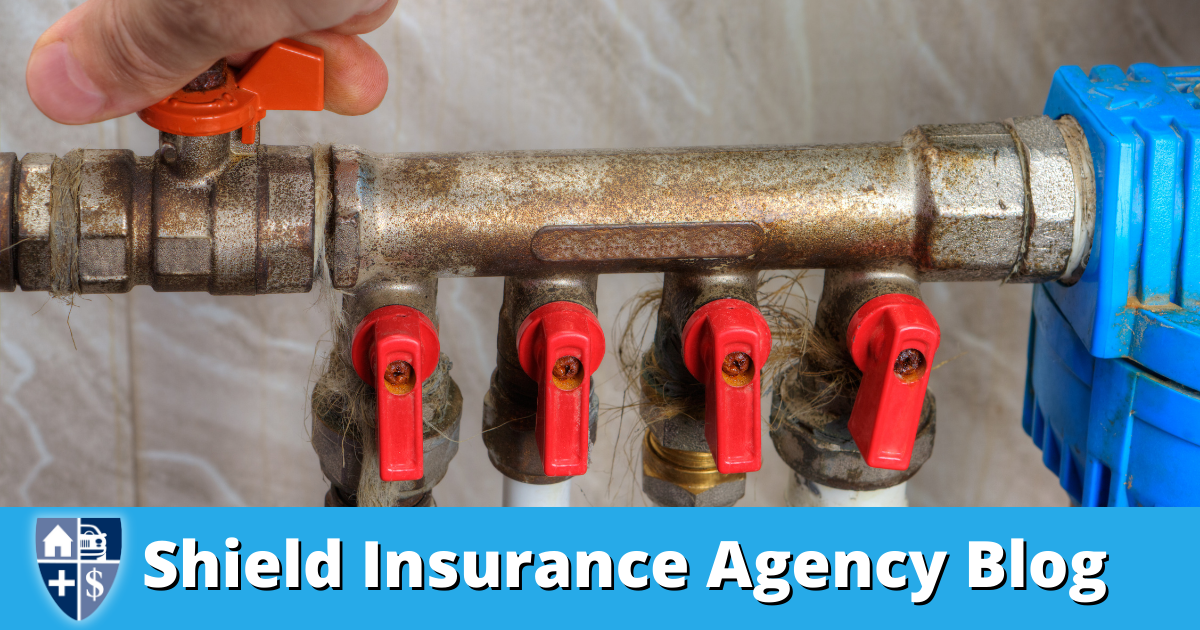
In most homes, this is located near the main water pipe leading into the home – typically the kitchen, downstairs, or utility room. In warmer areas, the valve may be outside on an exterior wall or buried near the road. If there is more than one valve, it’s most likely the closest to the inside plumbing, versus the one that’s closer to the street. There are several types of water valves used in home plumbing, so be sure you know which one is correct. Tip: Label the valve so it’s easy for everyone to locate! This could also be handy if someone else is staying in your home and needs to turn off the home water supply.

Shut the Water Supply Valve Off

Remember the saying “Righty tighty, lefty loosey?” It applies here as well, so turn the valve clockwise to cut off the water flowing into the home. If the valve is stiff or too tight to turn with your bare hands, we suggest wearing gloves to get more grip and protect your hands. If you still cannot twist the valve, consider calling a professional plumber.

Drain Remaining Water

Although the water supply is now turned off, there will still be water in the system that needs to drain out. People can do this by turning on all faucets (both hot and cold settings). Once the water stops flowing, they should turn the faucets off. Some appliances or fixtures with a reservoir may still have limited usage after shutting off and draining the water. For example, toilets could flush one more time. Tip: Consider collecting the water in a container to use for watering plants or other ways to avoid waste.

Wait/Perform Maintenance

Now it should be safe to make repairs or wait for the plumbing emergency to no longer be a concern, depending on the issue. It is recommended to call a professional plumber when you cannot handle a problem alone, don’t know how to fix the issue, or aren’t sure what the problem is.

Open the Water Supply Valve

Head to the main valve and turn it counterclockwise to get the water flowing again. Tip: It’s recommended to test shut-off valves twice a year to ensure proper operation. Catching a problem before it becomes a problem can save time, money, and a lot of stress in the long run.

Run Water Lines and Appliances

Turn on the faucets again for a few minutes to remove air from the pipes while the water refills the pipes, and test appliances that use water (dishwasher, washing machine, icemakers, etc.). If the water isn’t flowing or something isn’t working properly, be sure to call a professional.

Is your home covered in the event of a flood? Get a quote today by calling 616-896-4600 to speak with a licensed agent.


More great blogs by Shield Insurance

Read More
Steps to Take Now to Get a Jump on Your Taxes

Steps to Take Now to Start Your Taxes

IRS.gov | 09-Feb-2023 | Taxes | Insurance Quoting Portal | Types of Insurance with Shield Agency

Tax planning is for everyone. Get ready today to file your 2022 federal income taxes. Planning ahead can help you file an accurate return and avoid processing delays that can slow your tax refund.

Steps you can take now to make filing taxes easier in 2023

Create or access your account information at IRS.gov/account

Use your online account to securely access the latest information available about your federal tax account and see information from your most recently filed tax return.

You can:

  •  View your tax owed, payments, and payment plans
  • Make payments and apply for payment plans
  • Access your tax records
  • Sign Power of Attorney authorizations electronically from your tax professional
  • Manage your communication preferences from the IRS

Gather and organize your tax records

Organized tax records make preparing a complete and accurate tax return easier. It helps you avoid errors that lead to processing delays that slow your refund and may also help you find overlooked deductions or credits.

Wait to file until you have your tax records including:

Notify the IRS if your address changes and notify the Social Security Administration of a legal name change.

Remember, most income is taxable. This includes:

Check your Individual Tax Identification Number (ITIN)

Read more on preparing for taxes


More interesting blogs by Shield Insurance

Read More
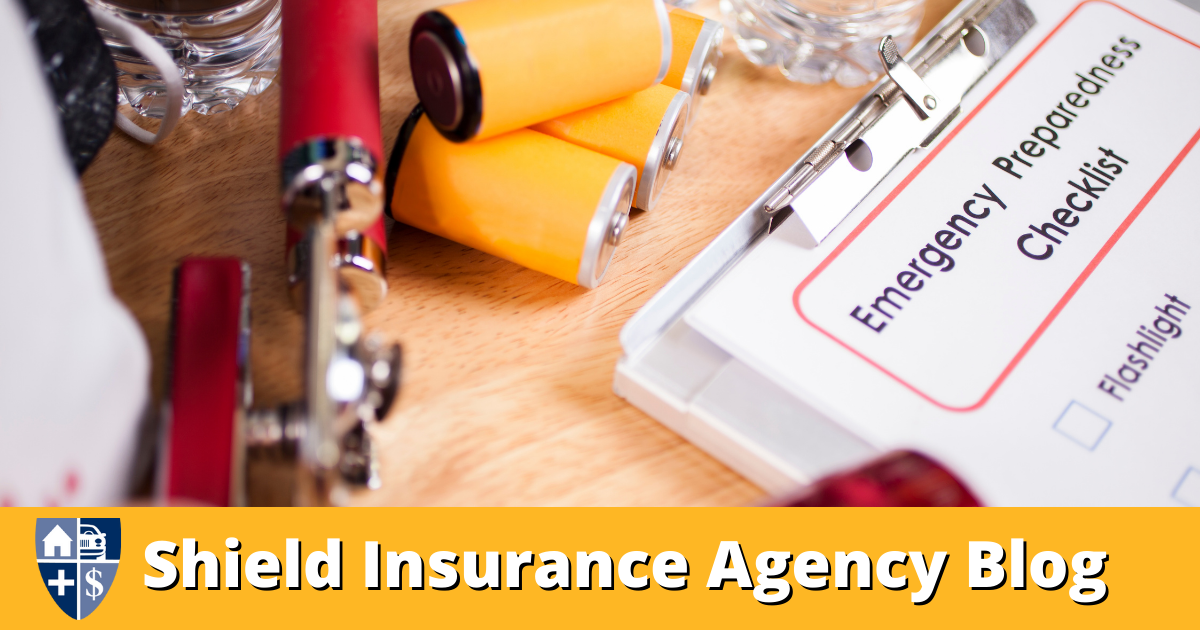
Best Emergency Supplies to Have at the Ready

From Fire Starters to First Aid Kits, These Are the Best Emergency Supplies to Have at the Ready

Emergencies happen — be it snow storms, wildfires, or tornados. Here are some of the best emergency supplies to make sure you’re prepared

Rolling Stones | OSCAR HARTZOG | Emergency Supplies | Shield Insurance Quoting Portal | Shield Home

NO MATTER WHERE you live, emergencies can (and do) happen. But whether it’s snow storms, tornados, wildfires, or hurricanes, the danger of serious emergencies can almost always be mitigated by investing in the best emergency supplies.

But choosing the right emergency gear — or just figuring out what types of emergency supplies you should have — can be tricky. To make things easier, we’ve created a checklist of the best emergency supplies to help your household stay safe in the worst-case scenarios.

What Are the Best Emergency Supplies?

When stocking up on the best emergency supplies, you’ll want to start by considering what needs your emergency stash has to meet. Namely, you’ll need food and water, first aid supplies, and light and heat. If you want to go beyond the basics, we also recommend adding power, shelter (like an emergency tent), and survival tools to your emergency supplies checklist.

No matter what kind of emergency supply you’re looking at — be it a multi-tool, a camping stove, or an emergency food supply — be sure it’s well-built and capable of staying in working order while shelved. The best emergency supplies can be tucked away and taken out months, if not years later, and still function properly.

Read on for a full checklist of the best emergency supplies to stock up on now.

1. Survivor Filter Pro

The most important thing to secure in most emergency situations is clean drinking water. One way to create an emergency water supply is to buy a water tank that you fill up if you know an emergency is on the horizon (i.e. if there’s a tornado warning).

But a more efficient option for securing drinking water is to get an emergency water filter, such as this Survivor Filter Pro. The compact rig uses a pump mechanism to suck up water, run it through a filter, and pump out 500 milliliters of clean drinking water per minute. It’s also very lightweight (half a pound), so you can transport it if need be.

2. Leatherman Wave+

A reliable multi-tool has always been part of our everyday carry, but they become absolutely essential when disaster strikes. Our favorite multi-tool is this Leatherman Wave+, which packs 18 tools in a small package, measuring just four inches when closed. Inside, you’ll find basics like knives, scissors, screwdrivers, and pliers, as well as some good extras like a saw and a wire stripper.

3. Judy Mover Max

Survival kits are a great way to create an emergency supplies stash with just one purchase. Good examples include the Oprah-endorsed Judy Mover Max, which has water and food, safety and warmth, and tools and first aid — all in one ultra-durable, weatherproof backpack. It has enough supplies to sustain four people for 72 hours, and you don’t have to worry about grabbing multiple items during an evacuation.

4. Mountain House Classic Bucket of Emergency Supplies

Click here for a full list of Emergency Supplies…


Visit more great blogs featured by Shield Insurance Agency

Click here to compare your current insurance rates!

Read More
Save 20% or more on your heating costs this winter.

Slash Your Heating Costs This Winter

Zen Business.com | By Patricia Schaefer | December 1, 2022 | Heating Costs | Shield Home Insurance

Use these low-cost and no-cost ways to lower your heating bill, regardless of your heat source. Read on if you’d like to save 20% or more on your heating bills this winter.

The cost of heating your home — and your home office — could put a huge hole in your budget this winter whether you heat with oil, gas, or electric. Even if you get the best price for heating oil in your area, for instance, you might need to spend more than $5,000 to keep your home warm.

But there are steps you can take to potentially save you 20% or more on heating costs when those penetrating arctic winds start to blow. For those on limited budgets, there are many ways to lower heating bills that don’t cost a dime. There are also weatherization applications that require anywhere from a small to middling investment of cash, yet these applications will subsequently lower both energy consumption and future heating bills. Over time, these investments can be expected to more than pay for themselves.

Cost-Free Ways to Lower Heating Bills

  • Lower your thermostat. Try reducing your usual daytime temperature by at least one degree. For each lowered degree, you’ll save one to three percent off those heating bills. At night, turn down the thermostat to 60 degrees. It’s much healthier, you’ll feel better when you awaken, and you’ll save money. If you go away for a weekend or more, lower the thermostat to 55 degrees.
  • Run bathroom and kitchen exhaust fans less. Exhaust fans pull warm air out of the house and let in cooler air that will need to be heated. Use fans only when necessary.
  • If you have a service contract with a heating provider, it will usually include an annual check and tune-up of your heating system. Don’t rely on the company to contact you about scheduling this service. Be sure it’s performed annually before winter arrives; doing so can save up to 10% on heating bills.
  • Close the damper on your fireplace when not in use. If not, your chimney will draw warm air out of the room and create a draft.
  • Close off unused spaces (attic, garage, basement, spare bedrooms, storage areas, etc.) or heat only those rooms that you use. If your heating system has vents, close off heating vents in unused rooms.
  • If you have ceiling fans, reverse the switch so they blow upward toward the ceiling. The reverse air circulation promotes heating efficiency in the winter.
  • Reduce your hot water heater temperature to 115-120 degrees.
  • Keep blinds and drapes open on sun-exposed windows during the day. Close these same drapes at night to help impede the escape of heat.
  • Dust builds up on radiators and baseboard heating vents, and then reduces the amount of heat that can get into a room. Dust and vacuum these surfaces often.
  • Prune branches from trees and bushes that block the sun’s rays into your home. 
  • If possible, sign up for a budget plan with your heating provider. Although this will not reduce the actual yearly dollar amount, it will make your bill-paying more manageable when spread evenly over a 12-month period.
  • When you add energy-efficient items to your home, check for possible tax breaks or discounts on homeowner insurance policies.
  • Check with local utility companies for free energy audits. Certain energy-saving devices may also be provided and installed free of charge. Lower-income households typically qualify for these free products and services.

Lower heating costs with energy-saving devices and services

Read more…


More great blogs shared by Shield Insurance Agency

Read More
6 Money Habits to Break in 2023

6 Money Habits to Break in 2023

Get off to a good start by stopping some common (bad) money habits.

AARP | By Karen Hube | December 12, 2022 | Money Habits | Shield Insurance Quoting Portal

You may not be able to do anything about big problems afflicting the economy and the stock market, but little changes to your everyday activities can help shore up your financial security. Consider the following six routines — and why you should ditch them in 2023 for better money habits.

1. Constantly checking your portfolio’s value

During rocky times in the market, it’s natural to want to know how your investments are holding up. But the more often you check, the wider you open the door to counterproductive emotions. Exuberance can fuel overconfidence and unwise risk-taking, while fear of loss can drive you to yank money out of stocks and miss out on future returns, says Chris Orestis, president of Retirement Genius, a financial planning website. Either way, you impair your portfolio’s long-term growth potential.

HOW TO BREAK THE MONEY HABITS

Keep in mind that short-term ups and downs are a package deal when you invest in stocks, but over time the stock market has recovered from declines and resumed climbing. In the past 42 years through 2021, the S&P 500 had intra-year declines in every year averaging negative 14 percent, with dips of 10 percent or more in 23 years, according to Fidelity. But the index ended in positive territory in 35 years, and the average annual return has been around 14 percent.

2. Downplaying the risk of cybercrime

You might think cybertheft will never happen to you, but the older you are, the more likely you are to be a target. Cyber­criminals stole nearly $3 billion from people 50 and older in 2021 — more than all younger age groups combined — according to the FBI. The most common tactic is to entice people into providing personal data by phone or email, or into clicking on seemingly innocent links that let criminals access information on a target’s computer. Paul Tracey, CEO of Innovative Technologies, a cybersecurity company, says scammers have been getting increasingly sophisticated. They commonly pose as employees of familiar companies and drop personal details about you that make them seem legitimate, such as your birthday or where you live (often easily found in an online search).

HOW TO BREAK THE MONEY HABITS

“Anytime you get a request for an account number or personal information, or anytime you are invited to click on a link, you should be skeptical,” says Tracey. Use different complex passwords for each of your sensitive accounts and change them quarterly. That way, if a password for one account is revealed in a security breach, hackers can’t use it to access your other accounts.

3. Making minimum payments on your credit card

A fast way to eat up cash is to keep a large balance on your credit card. One major reason why: The average annualized interest rate on credit card debt was 18.9 percent in early October, reports Bankrate. Let’s say an issuer makes carrying a balance easy by setting a minimum payment of just 1 percent of the balance or $25, whichever is larger; if you rack up $1,000 in charges in a month and then pay only the minimum, you’d need more than nine years and pay nearly $2,000 to close out the balance. Credit card debt surged 13 percent in the second quarter of 2022 compared to a year earlier — the largest annual hike in at least two decades, according to the Federal Reserve Bank of New York.

HOW TO BREAK THE MONEY HABITS

Read More…


More great blogs are featured on the Shield Insurance Agency website!

Read More
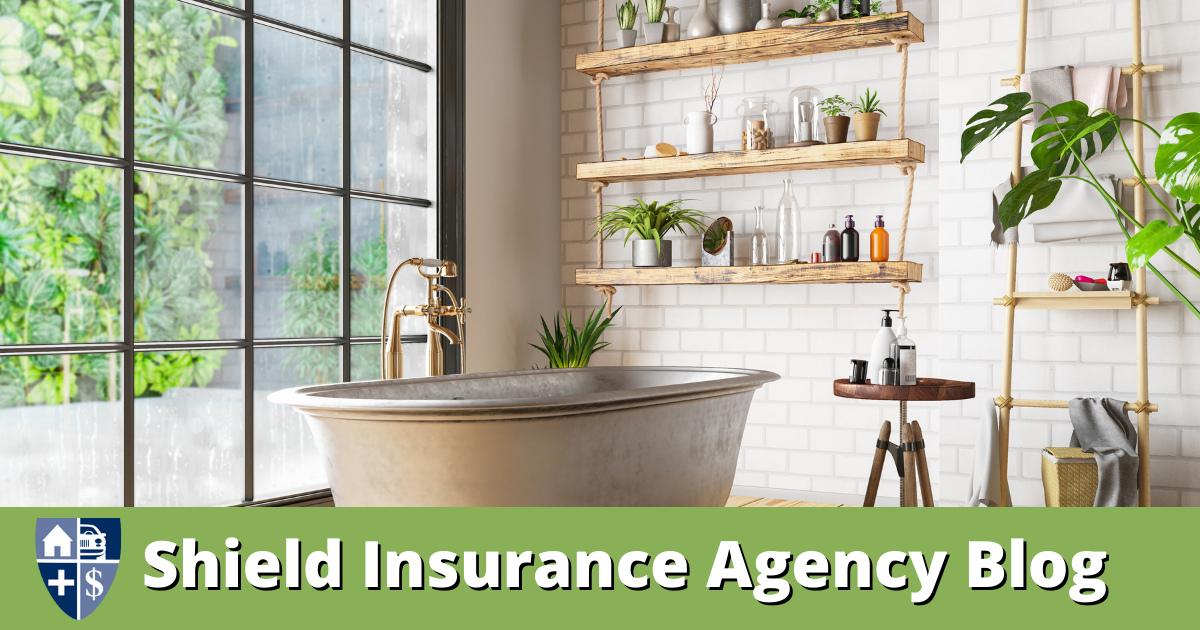
The Top 2023 Bathroom Trends, According to Designers

The Top 2023 Bathroom Trends, According to Designers

Ultimate relaxation and personal style are high in demand.

Better Homes & Gardens | By Kristina McGuirk | January 4, 2023 | Bathroom Trends | Shield Insurance

Bathroom design in 2023 will continue to build on themes emerging since 2020, including clean lines, easy-maintenance materials, and heavy doses of natural colors. At the same time, an underlying current is shifting our view of bathrooms from task-focused spaces to rooms designed for comfort.

According to Jean-Jacques L’Henaff, a design expert with LIXIL Global Design, the bathroom has transformed into a space focused on health, wellness, and relaxation. At the same time, larger home design trends are influencing aesthetic styles. As a result, personalization is driving a lot of the design choices, encouraging homeowners to create comfortable rooms with custom bathing experiences.

1. Fabulous Walk-in Showers

It seems that everyone agrees 2023 is the year of the shower. Pinterest Predicts identified an “elevated shower routine” among its top trends for the year. Similarly, 2023 Design Trends research by the National Kitchen and Bath Association (NKBA) and 2022 Bathroom Trends research from Houzz both report continued and increasing popularity in shower upgrades. This includes expanding shower sizes—two-person showers are preferred, according to the NKBA–as well as shower seats, multiple showerheads, and zero-entry showers for ageless accessibility

But walk-in showers don’t just have a functional focus: Michele Youell, an NKBA member and designer behind Natural Domain Interiors, points to design elements like sources of natural light, accent lighting, and visually stunning wall tiles that create an eye-catching shower when paired with the popular glass shower enclosure.

2. Removing Oversize Tubs

“While modern standalone tubs have been trending for several years, I have clients requesting removal of their large unused built-in tubs and reclaiming that space,” says Youell. Instead, that area is being repurposed for other trending bath design elements, such as expanded showers or bathroom linen closets. Removing a tub can also open a floor plan to create a bath that feels less crowded and more serene.

3. Spa Bathroom Trends

There’s a shifting mindset when it comes to bathroom design: instead of seeing bathrooms as strictly task-focused, consider them as spaces in which to relax and take care of your body. “It can help heal a sore body when you have the flu, or it can even help with sore muscles from skiing,” says Lauren Schulte, NKBA member and owner and designer of Monarch Kitchen Design Studio.

Although showers are trending in favor of tubs generally, 2023 bathroom design is all about personalization, which means a rainfall shower for some, a soaking tub for others, or both. Steam showers are an increasingly popular solution, often including a bench or seating to encourage relaxation. “I am also designing with a lot of open shelves so clients can roll towels like you would see at a luxury spa and incorporate soft inviting colors to help it feel zen,” says Schulte.

Natural and dimmable lighting, and incorporating more greenery, are similar spa-inspired trends noted by Houzz. Altering the floor plan and creating separate spaces, like partitioning off the toilet for more privacy, is another way to get a spa-like bathing experience. 

4. Wood Vanity Bathroom Trends

Painted finishes, especially white, have been the dominant choice for bathroom vanities of all shapes and sizes for years. But in 2023, expect to see a lot more natural wood on bathroom vanities and cabinets. Both Houzz and the NKBA are seeing wood coming in close second to (if not surpassing) the once-domineering white vanities. Cane and wood-pattern inserts were also added to the NKBA’s vanity styles for the first time this year. This increasing appeal of wood complements the rapid rise of modern organic style and warm colors that we’ve seen in the last two years. 

Click here for more beautiful bathroom trends!


More great blogs from Shield Insurance Agency

Read More