Are Electric Space Heaters Safe?

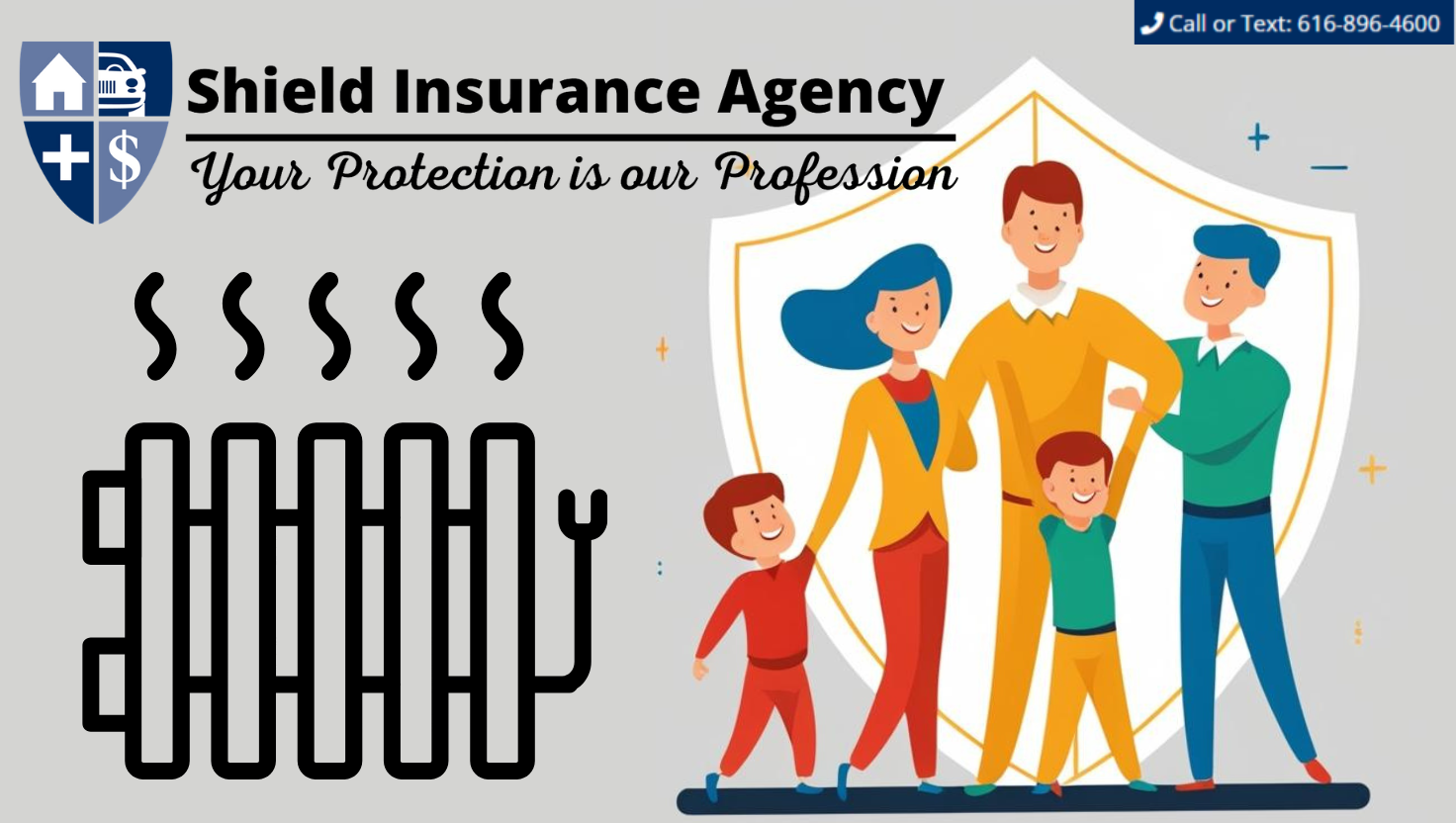
Are electric space heaters safe?

Electric space heaters can be used safely, but they are not the safest option for staying warm when the temperature drops.

According to the National Fire Protection Association (NFPA), space heaters account for 43% of home heating fires and 85% of home heating deaths.

They can also be a hazard in the workplace. While there are no federal safety rules prohibiting space heaters at a worksite, you should follow local rules and regulations. OSHA also requires businesses to follow all manufacturer specifications on the unit’s label and in the user manual when using electrical equipment.

So, if you’ve tried other ways to warm the area, like adjusting your HVAC system or adding weather stripping, and it’s just not working, an electric space heater might be the next best option. And it can be used safely at home or in the workplace when you take the right precautions.

Here are steps you can take to increase space heater safety for your home or business.

Use your indoor electric space heater safely

Here’s how to increase safety while enjoying the warm comfort of your electric space heater indoors:

  • Follow all manufacturer’s instructions and guidelines.
  • Before you use it, do an inspection of the space heater to check for damage on its parts, knobs, coils, and legs. If any damage is detected, take the space heater out of service immediately and have it repaired by a professional.
  • Place the space heater at least six feet away from combustible materials and never place anything on top of or touching it.
  • Keep a fire extinguisher near each space heater.
  • Put your space heater on a level, hard and nonflammable surface. Avoid furniture, countertops, rugs, or carpets. Keep it out of high-traffic areas, such as doorways.
  • Make sure your space heater is plugged into properly grounded outlets. Do not use extension cords or power strips.
  • Turn off the space heater when no one is occupying that area or when it is out of sight.
  • Do not use space heaters if small children are in the area.
  • Unplug space heaters at the end of each day and make sure the unit has cooled before exiting the room or job site.
  • Only use a space heater as a temporary (not permanent) heat source.
  • Make sure your smoke and carbon monoxide detectors are in good working condition.
  • For business use, require employees to request permission from a supervisor or facility manager.

When you use your electric space heater the right way, you are reducing the likelihood of property damage and injuries — keeping you and the important things around you safe and sound.

Safely use electric space heaters outdoors

Many restaurants, schools, offices, and other businesses use outdoor spaces during the cooler months of the year and rely on outdoor heaters to keep businesses running and people warm. Check out these safety tips for heating and storing propane cylinders and other outdoor space heaters

  • Use propane heaters in accordance with the manufacturer’s instructions.
  • Set up heaters in open, ventilated areas. Propane cylinders cannot be used in enclosed spaces.
  • Use the shortest possible hose to operate the propane cylinder.
  • Follow restrictions based on occupancy. For example, restaurants with 50 or more occupants cannot have propane cylinders within five feet of exits.
  • Store propane cylinders inside and in an area with minimal potential exposure to temperature increases, physical damage, etc.

There are also electric patio heater options for heating the outdoors.

NFPA recommends following these safety guidelines for electric patio heaters:

  • Follow the manufacturer’s guidelines for safe use and storage.
  • Complete proper inspection, cleaning, and maintenance procedures for each use.
  • Be mindful of necessary clearances from the heating element as well as installation and wiring requirements.
  • Pay attention to the power requirements and whether an electric patio heater can be plugged into an outdoor extension cord and receptacle, power tap, or multiplug adapter safely.
  • Ensure any extension cords used are in good condition and free from splices or deterioration.

It’s possible to accomplish the safe use of space heaters by following the right precautions during setup, use, and storage.

Keep this article handy as a quick reference for basic space heater safety indoors and outdoors.

Things to consider before you buy or replace an electric space heater

In addition to using your space heater safely, here are other safety tips to consider for buying, maintaining, or replacing an electric space heater

  • Understand which type of space heater you have. There are convection and radiant heaters. Convection space heaters circulate air in the room. Radiant space heaters emit infrared radiation that directly heats the objects and people in line with the space heater.
  • Invest in an electric space heater with added safety features. An automatic shut-off feature if the heater falls over or heating element guards are good features to look for.
  • Consider the hours you have used your space heater as an indication for when it is time to replace it. For example, a space heater you have used daily for two years might need to be replaced due to the long hours of use. Replace your heater with a newer, safer model when possible.

Electric space heater safety is essential for you and the people around you. Practice safe use of space heaters on a regular basis to reduce the risk of fire in your home or business.

This article is for informational and suggestion purposes only. Talk to your Shield Insurance Agent to learn more about Homeowners and Business insurance coverage options

Read More

Independent Agents vs. Captive Agents

When you’re in the market for insurance, whether it’s home, auto or commercial insurance, you typically work with an agent who can help you find a policy that meets your needs. But most people don’t know that there are two different kinds of insurance agents—captive and independent agents.

So what is an independent insurance agent vs. a captive insurance agent? In short, captive insurance agents are contracted to work for one insurance company and can only sell that company’s policies. On the other hand, independent agents are contracted to work with a variety of insurance companies and can sell policies from multiple providers.

As a consumer, it’s important to understand the distinctions between captive and independent agents. Although they sound the same, some people may benefit from working with a captive agent and others with an independent agent. In this article, we’ll explain the key differences and help you decide which agent is best for you.

Captive Agents

Most of the major insurance companies, like State Farm, Allstate and Farmers, use captive agents to sell their insurance products. Their agents are only selling policies from that one insurer, so the agents are experts at knowing the different policies available, discounts and coverage add-ons for their one carrier.

Because of that, they can be helpful for people who are buying insurance for the first time or for people who aren’t sure how much coverage to purchase.

Client satisfaction is crucial for captive agents because they get a commission for every earned sale. However, their commission rate tends to be lower than for independent agents because they are also paid a salary from the insurance company and get financial assistance with costs like advertising and hiring.

Independent Agents

Independent agents partner with several insurance companies of their choosing to sell certain policies from each provider. For example, an independent agent might contract with Pioneer Insurance, Frankenmuth Insurance,and Citizens Insurance and sell any of their auto and home insurance policies.

Many consumers like working an independent insurance agent because an independent agent gives the customer more options. They aren’t locked into purchasing from a small number of plans that might be too expensive or not a great fit for their coverage needs. Those options help people shop around for plans before settling on one.

Which is better?

Generally speaking, there isn’t one better type of insurance agent. Whether you choose to work with a captive agent or an independent agent depends on you.

The main benefit of working with a captive agent is that they have extensive knowledge of their insurers products and policies, because they have one carrier. However, working with a captive agent tends to be more expensive, due to extra fees that the insurance company charges.

If you work with an independent agent, you’ll get more options, which also means a wider price range. But independent agents have in-depth knowledge about numerous carriers, where captives only need to learn one. Also, independent agents usually charge less because there isn’t one parent company to support.

If you’re concerned with keeping costs low, working with an independent agent will save you money. Keep in mind that you should already have a general idea of what you’re looking for before meeting with an agent.

Frequently asked questions

What type of insurance do independent agents and captive agents sell?

Both independent and captive agents can sell any kind of insurance they want. Some choose to sell every product that an insurer offers, while others specialize in a few areas, like home and life insurance.

Should I choose an independent agent or a captive agent?

There are a few main reasons why you would choose an independent vs. a captive agent. The first is cost—working with an independent agent will be cheaper than working with a captive agent. Secondly, independent agents can offer a wider variety of plans, so you have more choices and a wider price range to work from.

Read More

Safe Garage: 3 ways to make your garage safe

When thinking about the biggest risks to your home, it’s easy to overlook your garage. However, with dangerous chemicals, a high potential for break-ins, and powered equipment, your garage easily becomes a hidden homeowners’ hazard.

Help keep your garage and family safe by completing these three tasks: maintenance, organization and protection.

1. Maintain your garage.

The first step in keeping a safe garage is performing simple maintenance checks to be sure everything is working properly. Visually examine your garage door and look for loose nuts and bolts, frayed cables, and rusted springs. Also, test the manual release function and the auto-stop system. To test the automatic reversal system, place an object like a brick or wooden block in the path of the closing door. If working properly, the closing door should detect the object and automatically open back up.

If you notice any wear and tear or hear any concerning noises, contact a garage door professional to examine and repair your door.

Another helpful maintenance tip – clean your garage every six months. With all of the chemicals and equipment in your garage, it’s essential to keep a clean space to minimize risk.

2. Organize your garage.

In addition to having a clean and well-maintained garage, it’s important to be organized and to safely store items. Chemicals should be placed in a locked box on a high shelf, out of reach from small children. This includes cleaning solutions, glues, pool supplies, pest-control products and more.

Also, make sure that all tools and lawn care equipment are stored out of reach or are properly mounted to the wall. And when it comes to powered tools or equipment, like a lawn mower, make sure each one has cooled down before storing it away.

3. Protect your garage.

According to the FBI, there were more than 1.4 million burglaries in the U.S. in 2017. Keeping burglars out of your garage not only protects the belongings you store there, but it can also keep intruders out of your house. Criminals can often get into your home through the garage or, if the garage is a separate structure, they can use your own tools to break into your home.

To prevent a break-in, keep your garage door closed and do not store a spare key inside. Also, it may be wise to invest in adequate outdoor lighting, including motion-sensing lights, as well as an alarm system. Get to know your neighbors, so they can alert you or the authorities of any suspicious behavior.

The final way to protect your garage is through insurance. A typical homeowners’ policy contains many different coverages in addition to the portion that protects your house. So, whether your garage is attached to your house or is its own free-standing structure, it should be covered by a standard homeowners’ insurance policy. Be sure to discuss your garage with your independent insurance agent to ensure that you have the right coverage for your unique situation.

This article is for informational and suggestion purposes only. If the policy coverage descriptions in this article conflict with the language in the policy, the language in the policy applies. Talk with your independent agent if you have any questions regarding the details of your home insurance policy or if you need to update your insurance.


Read More

How to prepare your phone for an emergency

In case of an emergency, here is how to prepare your phone.

Today, our phones are rarely outside of our reach. This makes them one of the best tools we have to quickly respond to an emergency and increase the chances of a more positive outcome.

How prepared is your phone to handle an emergency?

In most emergencies, you would be the one to contact someone for help. So, it’s important to take a few minutes to research and save important emergency contact numbers on your phone so you can make the call immediately and get help faster.

Here are the main emergency phone numbers to prepare

  • Your emergency contacts, such as a parent, spouse, or close friend
  • Police, 911 in the United States for emergencies
  • Poison Control Center
  • State Highway Patrol
  • Your nearest police and fire department (for non-emergencies)

You should also consider saving these important numbers to help you in an emergency:

  • Your doctor, pediatrician, and/or veterinarian
  • Your pharmacy
  • Home health aides
  • Your insurance company
  • Your roadside assistance provider
  • Your employer
  • Your child’s school or caregiver
  • A nearby relative or friend
  • An out-of-town relative or friend

There are also some emergency situations, like a bad fall or car accident, where you might not be able to communicate with first responders. For this reason, it’s important to take these two steps:

  1. Add an emergency contact in your phones, such as a parent, spouse, or close friend who can come to your aid.
  2. If your phone locks, set up a lock screen message to communicate helpful information to first responders, like your emergency contact, blood type, allergies, and medications.

Depending on the type of phone you’re using, there are different ways to add a lock screen message.

iPhone users can use the Health app on their phones to add their basic personal information, important medical details, and emergency contact numbers within the Medical ID tab and make them accessible from their lock screen. Just make sure you select “Show When Locked” and test it out after you’ve finished setting it up.

Android users can set up their lock screen message by going into their Settings, Users & Accounts, and then Emergency Information. Enter your medical information and emergency contact. Then test it out by locking your phone, swiping up, and tapping “Emergency” to find the information you entered.

Additionally, Android lets you put any message you want on your locked screen. To do this, open your Settings, go to Security & Location, and next to the Screen Lock tab hit Settings. Then, tap Lock Screen Message. Here, you can enter your primary emergency contact or important medication information so that it always displays on your locked phone screen.

Because it’s difficult to predict when or where an emergency will happen, it is a smart idea to prepare your phone now so that you’re ready to handle any situation that comes your way in the future. Be safe out there!

This article is for informational and suggestion purposes only. To learn more about Shield Insurance Agency, business and life insurance, or auto insurance including Roadside Assistance, please call or text our office at 616-896-4600

References:
– Harvard Health Publishing, Harvard Medical School
– HuffPost, LIFE

Read More

Wallet Safety Check List

10 items to leave out of your wallet

It’s simple for thieves to turn plain, old regular crime into cybercrime – if you give them the right information. Leave these ten items out of your wallet.

Over time, it’s easy for your wallet or purse to become stuffed full of crucial information – receipts, PIN numbers, and social security cards – that thieves can use to access your online life with only a few clicks.

Keep only what you need in your wallet and purse and keep your online life secure. Use the infographic below to help determine what should be, and more importantly, what should not be in your wallet.

Wallet Safety Check List

10 Items To Leave Out Of Your Wallet - Shield Insurance Agency Blog
  1. Social Security Cards
  2. Birth certificates
  3. Receipts
  4. Gift cards
  5. Extra credit cards
  6. Blank checks
  7. Passports
  8. Medicare cards
  9. Spare keys
  10. Pins and passwords
Read More

What is Insurance and Why is it Important?

Have you ever had a moment — while looking at your insurance policy or shopping for insurance — when you’ve thought, “What is insurance? And do I really need it?”

You’re not alone.

Insurance can be a mysterious and puzzling thing. How does insurance work? What are the benefits of insurance? And how do you find the best insurance for you? These are common questions, and fortunately, there are some easy-to-understand answers for them.

To help, here are a few simple insurance explanations:

What is insurance?

Insurance is a financial safety net, helping you and your loved ones recover after something bad happens — such as a fire, theft, lawsuit or car accident. When you purchase insurance, you’ll receive an insurance policy, which is a legal contract between you and your insurance provider. And when you suffer a loss that’s covered by your policy and file a claim, insurance pays you or a designated recipient, called a beneficiary, based on the terms of your policy.

The most difficult thing about insurance is that you’re paying for something you hope you never have to use. Nobody wants something bad to happen to them. But suffering a loss without insurance can put you in a difficult financial situation.

What are the benefits of insurance?

Insurance is an important financial tool. It can help you live life with fewer worries knowing you’ll receive financial assistance after a disaster or accident, helping you recover faster. When it comes to life insurance, this could mean your family doesn’t have to move out of the house or that your kids can afford to go to college. For auto insurance, it could mean you have extra cash in hand to help pay for repairs or a replacement vehicle after an accident. Insurance can help keep your life on track, as much as possible, after something bad derails it.

Your independent agent is a great resource to learn more about the benefits of insurance, as well as the benefits in your specific insurance policy. For example, you may have access to perks such as free roadside assistance, risk control consulting for businesses, or cash value in a life insurance policy, in addition to your insurance coverage.

And in some cases, like auto insurance and workers’ compensation, you may be required by law to have insurance in order to protect others.

How does insurance work?

Insurance is essentially a gigantic rainy day fund shared by many people (called policyholders) and managed by an insurance carrier. The insurance company uses money collected (called a premium) from its policyholders and other investments to pay for its operations and to fulfill its promise to policyholders when they file a claim.

Because of the unpredictable nature of natural disasters — like tornadoes, hail, wildfires and hurricanes, and everyday disasters such as fender benders and kitchen fires — an insurance company’s main goal is to remain financially strong enough to handle anything that comes its policyholders’ way.

How do I choose an insurance provider?

Here are a few things to consider when choosing an insurance company to work with:

  • Insurance coverage. What types of insurance does the company offer? Can you buy all of your insurance through the company and receive a discount?
  • Financial strength. Would the company be able to pay your claim? Look to U.S. credit rating agency AM Best to determine the company’s financial strength.
  • Agency model. Would you prefer the help of a local agent? Or would you prefer to manage your insurance on your own?
  • Customer service. Do others recommend this company? What are people saying about it in online customer reviews?

When in doubt, contact Shield Agency and ask them any questions you have about insurance. Shield agents are insurance experts with the knowledge to guide you through the process and help you find the best protection for you and the people and things you care about most.

Read More

Boat Insurance Exclusions

Sailing the high seas is exciting, but it can be a tricky business. That’s why boat insurance is a valuable consideration, to help protect against any possible perils your vessel might face. Your boat insurance gives you peace of mind so you can fully enjoy your time out on the water. But boat insurance doesn’t cover anything and everything. Being aware of your boat insurance policy exclusions can help ensure that you operate and maintain your boat appropriately, as well as choose the right insurance coverage for your needs, so you don’t get stuck with a damaged boat and astronomical expenses.

In fact, most basic boat policies have exclusions. This means there are certain scenarios that are “excluded” and your boat insurance will not step in to provide coverage in those instances.

WHAT ARE THE MOST COMMON BOAT INSURANCE EXCLUSIONS TO BE AWARE OF?

1. Wear and tear

Your boat will start to gradually deteriorate over time. We like to say, the more your boat is worn and weathered, the more loved it is! But despite this loving, your boat insurance typically won’t cover any repairs or replacements that’s a result of natural wear and tear. You are responsible for regularly maintaining and servicing your vessel to prevent loss.

Note that saltwater corrosion is a common boat deterioration that’s almost never covered by boat insurance. Protect your boat from corrosion and rust by frequently giving your boat a freshwater bath to remove the salt and other minerals that can damage your vessel.

2. Infestations

Most boat insurance policies exclude insects, animals, and mold. This means you won’t be covered if your boat is damaged by a raccoon sneaking on and ransacking the place or if termites, zebra mussels, or barnacles eat away at your boat. Mold loves warm, wet places, too, so it’s not uncommon for boats to get a mold infestation.

You want to take effective steps to protect against any and all infestations on your boat. This means you want to clean, drain, and dry all of your boat equipment after use. Getting rid of excess water and moisture helps deter marine infestations and mold. You’ll also want to clean up spills and messes to dissuade animals and insects from making their home on your boat.

Infestations can quickly do damage if not properly managed… and you’ll end up footing the bill. Talk to someone about the highest risks of marine infestation in your area and how you can take measures to defend against these.

3. Marine life

Most boat insurance doesn’t cover damage from marine life including sharks, octopi, whales, and other creatures. If you tend to sail in waters with a lot of unruly creatures, you may want to discuss a supplemental policy with your insurance agency.

It’s also important to note that mermaids and other mythical creatures are not covered under your boat insurance. (Tip: If you see a mythical creature, grab your camera, snap a few shots, and then sail away as fast as you can since it’s not covered.)

4. Faulty machinery

Basic boat insurance policies don’t cover any machinery or parts that need repair or replacement due to deterioration, lack of maintenance, improper use, or mechanical and production defects. However, that means your insurance would likely still cover machinery if it is damaged by a covered peril, like a collision or storm.

Even if the faulty machinery isn’t covered, your boat insurance may cover other damages that the machinery causes. For example, your water pump gets clogged up because you haven’t cleaned it. The water pump bursts and causes flood damage to your boat. Boat insurance may not pay for a replacement water pump, but it may help partially cover the damage that the water pump caused to the rest of the boat. This is dependent on your insurer and how they handle different claims.

4. Accessories

Most boat insurance won’t include additional accessories and equipment unless specifically stated in the policy. For example, it won’t cover life jackets, navigation gear, GPS systems, anchors, or boat modifications. We recommend purchasing supplemental boat equipment coverage and personal effects coverage to protect all the “extras” on your boat.

5. Improper storage and transportation

Your boat insurance can be year-round, and most basic boat insurance policies will protect against fire, vandalism, theft, and winter storms in the off-season. This protects your boat from serious financial strain in the case of an incident—which can occur more often than you might think.

However, your insurance company won’t cover your boat if it’s incorrectly stored and transported in the off-season. For example, if you don’t properly tie down your boat while driving it from the lake to the storage center and the boat falls off, your insurance company won’t cover it.

Essentially, most insurance policies cover your boat on-land—but only if you take appropriate measures and precautions to keep it safe.

6. Unnamed operators

Like auto insurance, your boat insurance covers certain named drivers on your policy. Anyone who isn’t a named boat operator on your insurance isn’t covered. If your boat gets into an accident while someone else is driving, your insurance likely won’t cover any of the damage. So don’t lend your boat out to friends for a joy ride unless you’ll be the one driving.

7. Navigation limits

Most boat policies will cover you for a specific geographic region. If you sail out of your navigation limits or into off-limits waters, your boat insurance “turns off.” Make sure you know your sea navigation area to understand where your boat is and isn’t covered on the water.

8. Competitions

Most boat coverage won’t include special events, like boating races with high speeds. If you’ll be using your boat for a competition, you may want to talk to your insurance agent about supplemental insurance, especially additional liability insurance in case of a collision during the race.

GET BOAT INSURANCE

Is your boat fully insured for this summer season?

It’s important to know your boat insurance policy in detail since inclusions and exclusions vary from company to company. Not sure what your policy looks like? Looking to get better coverage at the best possible price?  Get a quote from Shield Insurance Agency to make sure your boat insurance fits your needs.


Wondering what your boat insurance policy includes and excludes? Call or text our Shield Insurance Agency office today at 616. 896.4600 and an insurance advisor can review your policy and offer expert advice.
Read More

What Is Toy Insurance?

What Is It?

Toy insurance coverage can represent two different categories. One is your valuable and luxury collections. The other is your recreational toys like ATVs, motorcycles, RVs, boats, etc. These are all fairly expensive and require toy insurance to protect them. 

What Does It Cover?

For your precious collections, comprehensive toy insurance coverage includes burglary, fire, flood, loss, natural disasters, theft, and other causes of loss. 

For your recreational toys, coverage includes liability (including bodily injury liability and property damage liability), collision, comprehensive (damages/losses that aren’t due to collisions such as fire, vandalism, and theft), and underinsured/uninsured (especially during hit-and-runs). 

Why Do You Need Toy Insurance?

Accidents do happen and when they do, this insurance may help pay the cost of damage to the vehicles involved and any medical bills. It will also give you peace of mind in knowing these valuable types of assets are protected in the event of an accident. Based on what you have and what value your toys are, you should buy applicable insurance coverage.

If you have questions about your insurance requirements, please give us a call or text our Hudsonville, MI home office at 616-896-4600. Or send us an email at Info@ShieldAgency.com friendly agents will be happy to assist you.


Read More
Insurance Terms Important to Know - Shield Insurance Agency Blog

Common Insurance Terms Made Easy

Insurance can be confusing…we get it! But we’re here to help provide you with a better insurance experience. Learn more about what these common insurance terms mean so you can be prepared when looking for a policy.

For customer information or to get a quote, please visit our website at www.ShieldAgency.com .

Read More