
Front Yard Landscaping Ideas

Front Yard Landscaping Ideas

Foremost Insurance | by Marrio Roberts Jr. | Front Yard | Home Insurance | Self-Quoting Portal

Have you been thinking about updating your front yard landscaping? There are many reasons to invest in this space, including increasing your home value, improving safety, and reduction of utility costs. If you’ve been thinking about taking on this home project – what better time than now?

The Foremost® Insurance creative team created a list of things you can do to give your home some extra curb appeal:

Add path lighting to the front yard.

When placed correctly, lights can make your home stand out and become the most memorable one on your street. They also help guests navigate your property safely at night. You can consider various types of lighting for your garden or pathway such as spotlights, flood lights, step lights, garden lights and more.

Build a decorative fence.

If your home doesn’t already have a decorative fence, and if they aren’t banned in your neighborhood, this can be a great addition to your front yard. Not only does this feature add curb appeal, it also serves as a protective boundary.

Customize your walkway.

Many people overlook their walkway when thinking of front yard ideas. However, your walkway is just as much a part of your home as the kitchen. Different things you can do to customize your walkway are adding stepping stones, brick, pavers, lava rocks, or mulch on the sides with some decorative shrubs.

Improve the front yard lawn.

If your grass is brown or patchy in some places, it may be time for some TLC on your lawn. This can be as simple as planting some new seeds and watering regularly, or you may need to call a service to treat any underlying causes that may be to blame. A lawn is the first thing someone will notice when pulling up to your home, so it’s well worth it!

Install landscaping rocks.

You can also spruce up your front yard landscaping with rocks. The best part about adding rocks is that they are low maintenance – you just set them out in your space and forget about it. You can use rocks in a variety of ways, including placing them around plants or putting them along your walkway to your front door.

Install a front yard water feature.

This one is probably a little less common, but we think that’s what makes it a great idea! Adding a waterfall or a fountain will make your front yard stand out from the rest. One of the great things about this is that there are many budget-friendly options that are $200 or less, so be sure to shop around. Some outdoor cascading fountains cost less than $75, or if you’re able to spend more, there are rock waterfalls out there that are $200 or less.

Make a flower bed.

Flower beds are simple and effective. While flowers require a bit more maintenance than some of the other things on this list, they can be well worth the effort. You can plant eye-catching, low-maintenance flowers such as black-eyed susans, hydrangeas, daffodils or a rose bush.

Plant a garden.

Another recommendation that requires maintenance is an herb or vegetable garden. Planting your own garden allows you to save money on groceries, reduce plastic waste, and get some easy outdoor exercise. In addition to these health benefits, a garden can also add an element of beauty to your front yard.

Trim overgrown trees and shrubs.

Overgrown trees and shrubs can make your landscaping look unkept and disorganized. Trimming these can create a neater look and feel and improve the overall health of your trees and shrubs. By removing dead or diseased branches, you allow space for the sunlight to permeate the plant and leave room for new branches to grow.

More Shield Insurance Agency Blog Articles

Read More
Stop a home burglary while you're gone

Stop a home burglary while you’re gone

Foremost Insurance | Home Burglary | Home Insurance | Self-Quoting Portal

By using these theft-prevention tips to protect your home and possessions, you and your family will have extra peace of mind, whether you’re away for a day or on vacation.

Make your home look “lived in” even when you’re not there:

  • Have a trusted neighbor pick up your mail and newspapers.
  • Arrange for someone to mow your lawn or shovel snow.

  • Ask a neighbor to park a car in your driveway while you’re gone.
  • Use timed switches on your lights, TV, and stereo. Look for timers that turn on and off randomly.
  • You can add to the security of your lighting system and cut your electric bill by installing a motion detector on outside lights. This will activate your lights when anyone comes within range of the unit’s motion sensor.

Home burglary tips from law enforcement officials:

  • Join a Neighborhood Watch group. Most police departments have officers who will help you start a program. Neighbors can help watch your home when you’re gone.
  • Keep valuable items in your safe deposit box, such as stocks and bonds, duplicate copies of your will, stamp, and coin collections, and jewelry you don’t frequently wear.
  • Give parking lot attendants and mechanics your ignition key only, not your house key. Don’t carry an identification tag on your key ring. This could help a would-be thief easily identify your home and vehicle.
  • Consider installing an alarm system for an extra level of protection. You have a variety of choices — from do-it-yourself kits that trigger a siren or lights to professionally installed systems connected to a police station or monitoring service. Post signs in your windows showing you have a security system.
  • Lock your doors and windows when you leave, whether you’ll be gone a few minutes or a few days.
  • Avoid leaving an extra “hidden” key outside your home, such as under the doormat or in a mailbox or planter. To make sure you always get in, leave a duplicate set of house keys with a trusted friend or neighbor.

More Blogs by Shield Insurance Agency

Read More
Tips on filing claims

Tips for effectively filing claims

Foremost Insurance | Ryker Huizinga | Filing Claims | Homeowners Insurance | Get A Quote

Experiencing a loss can be stressful, frustrating, and disheartening, but having insurance coverage will help alleviate the financial burden a loss can cause. The first step in restoring your property and moving forward is to determine if your policy provides coverage for the loss. To do this you need to file a claim with the insurer.

While the claims process isn’t something many eagerly look forward to, there are definitely ways you can make it a less stressful experience. To help you successfully navigate the process, here are several tips for effectively and efficiently filing claims.

Keep an inventory of all your insured possessions.

Be proactive! If you keep a written document of your possessions, it can help make the claims process much easier if you experience a loss. Go from room to room and record each item and its value to prepare an inventory. An easy way to do this is to take photos or videos of each room and all of the contents in the rooms. Consider keeping receipts with the purchase date and original cost for your records too, in case of total loss. Your inventory list should be consistently updated, which can be done easily if you record new items shortly after purchasing them. Pro Tip: Your inventory should be easily accessible. It is a good idea to keep a couple of copies of your inventory at different locations, with one location being off-premises in case of a total loss, like a fire.

Before filing claims reach out to your agent.

In the event of a potential claim, it’s best to contact your agent directly instead of the broader insurance provider. Your agent will be able to explain your options and advise on whether filing a claim is in your best interest. In some cases, your agent may even file the claim for you.

Report your loss promptly.

Always file your claim as soon as you possibly can. Of course, theft losses should be reported to the police first, and in other situations of danger and urgency, safety takes priority. But once it’s safe and reasonable to do so, you should contact your insurance agent. This is important because your policy might require you to make the notification within a certain amount of time. Not filing a claim within the time required in your policy may lead to a denial of the claim or may result in the claims process taking longer.

Be prepared for filing claims with the right information.

When you file your claim or make follow-up calls regarding the process, be sure to have the right information so your conversation is easier and more effective. Have your inventory list and the details of your loss, and keep the following information handy for your claims representative:

  • The customer’s name and address
  • The policy number
  • The date the loss happened
  • A description of what happened
  • A preferred telephone number for future contact

Provide complete, correct information.

Explain the situation accurately without downplaying or exaggerating your loss. Incorrect or incomplete information may cause complications and delays in processing the claim. Additionally, materially misrepresenting the facts of your loss may result in a loss of coverage.

Record important details from all correspondence.

While going through the claims process, be sure to write down important information from your phone conversations and in-person meetings with claims representatives and other contacts. This should include the time and date, as well as the name and title of the person you spoke with. This will help you stay organized and create records that may come in handy later.

Make appropriate emergency repairs.

If you’re dealing with property damage it may be necessary to make immediate emergency repairs to prevent additional damages, such as calling a plumber to repair a broken pipe. Your policy might cover the costs of these emergency repairs, so be sure to inquire about them when filing the claim. It is also important to take photos or even videos before making the repairs and save the receipts from all of the work that is done.

Ask questions about filing claims

Don’t be afraid to ask your claims representative for more information or clarification. The process will go much more smoothly if you are both on the same page and fully understand each other. For example, if there is a disagreement about the coverage of the claim, ask for the specific language in the policy that is in question to find out if it is a matter of differing interpretations.

Overall, it’s important to have patience because every insurance claim is different! Some may be completed quickly, while others may take a few weeks or even months to be resolved. You never know when problems will arise, but these tips can help you to effectively address the situations and smoothly navigate the claims process.


More Blogs from Shield Insurance Agency

Read More
Home security devices

Home security devices

Foremost Insurance Blog | Home Security | Home Insurance

Homeowners should consider protecting themselves with an alarm system or motion detector to help protect their homes from burglaries.

Alarm systems range in sophistication and price. Choose from do-it-yourself kits that set off a siren or lights or professionally installed systems that hook directly to the police station or monitoring service. A basic alarm system is composed of sensors to detect an intruder, a control panel that receives messages from the sensor, and an alarm that sounds off when activated by the control unit. Don’t expect any single alarm system to do the job alone. An excellent mechanical system is only effective when it’s used in conjunction with other security-minded habits.

Home security devices

Motion detectors can also be an effective weapon against burglars. An intruder’s movement or body heat triggers the alarm. Technological advances have made motion detectors less expensive and easier to install. Most motion detectors incorporate infrared, microwave, or ultrasonic technology. Typically, the movement of an intruder, or merely the person’s body heat, breaks a photoelectric beam and triggers the alarm. One or two well-placed motion detectors can usually do the work of several individual door and window alarms.

Finally, you might consider walking around your home and evaluating it as a burglar. Even try gaining access without a key. If you find any flaws in your anti-burglary precautions, correct them immediately. Remember, no home is totally safe from a determined, experienced burglar. However, if you make it difficult for someone to enter your home, the burglar will likely select an easier target.

For more information on Home Insurance, and Home security devices, give Shield Insurance Agency a phone call at 616-896-4600. Our licensed agents will have the answers you need to make the best decisions on the best insurance.


More blogs by Shield Insurance Agency

Read More
Top 3 challenges entrepreneurs face

Top 3 challenges entrepreneurs face

The Foremost Team | entrepreneurs | Business Insurance

The bell above the door dings and the first customer of the day enters. Grandpa hops up from his desk and greets the customer with a small-town smile ready to answer any question the customer has about his window and door display. Grandma is ready too. She’s in the back room rolling new screens on old frames, ready for any customer problem—broken glass, a hole in the screen, or bent slider frames. I was busy rolling sticky letters on the windows, drawing pictures for my grandpa’s back office, and giving the customers a big five-year-old toothless grin as they entered the shop.

When I think of a small business, memories of my grandparent’s little window and door shop come to mind. With humble beginnings, they poured all they had into their business, but it didn’t come without its challenges. In fact, putting aside economic impacts on a small business, there are several challenges that entrepreneurs face daily to keep the doors open.

Putting aside economic impacts on a small business, there are several challenges that entrepreneurs face daily to keep the doors open.

Here are the top three obstacles small business entrepreneurs face on a daily basis:

  1. Client Base and ServiceGrowing your client base can be a challenge, but it’s vital. Your business might have created the most useful thing since a toothpick, but if no one knows about it, income is doomed. Attaining clients can be hard for those that don’t have a marketing plan or don’t know how to implement it. One step beyond that is retaining a customer base and providing a great product or service that keeps the client motivated to come back.
  2. FinancesMoney management is essential to keep a small business operating, even when the cash is flowing in. Many small business owners have their own assets invested in the company, which means added pressure when business is slower than anticipated. Poor planning and lack of funding can be added stressors.
  3. TimeMany business owners, even successful ones, usually work more hours than their employees and more hours than they plan on. The constant pressure to grow can lead to more work and result in exhaustion. Even those with high energy and passion can find themselves fatigued. It’s important for business owners to find the right pace to keep the business running and the employees positive and healthy.

Most smart small business owners consider the challenges they might face before they even begin. Although daily obstacles are sure to come up for a business, it certainly doesn’t mean failure is ahead. In fact, facing these types of obstacles is sometimes what drives people to pursue their dream in the first place, like my Grandpa. The old window and door shop didn’t come without stress, but that’s what drove him and grandma to continue excellent customer service and impeccable work. He ran a successful small business for years, devoted time to his family, and retired early. I’d say that’s the dream most people hope for.

Protect what you own and what you do.


More interesting blog articles by Shield Insurance Agency

Read More
Home's Value

Best Upgrades to Increase Your Home’s Value

Foremost Insurance Blog | by Marrio Roberts Jr. | Home’s Value | Home Insurance

What adds to your home’s value? This is the question many homeowners ask when they’re entering the housing market as a seller. While you may be able to sell your house as-is, you could earn more profit if you make some renovations first. Read on to discover some of the best home upgrades you can make to help get the most bang for your buck!

Add a fresh coat of paint to increase your Home’s Value

The first thing people see on your home is the paint job. A fresh coat of paint, both inside and out, can make your home look and feel brand new. If potential buyers feel like they are buying a well-taken care of home, they could put in a strong offer.


Replace the garage door.

Like the paint job, the garage door is one of the first things prospective buyers will see when they roll up to your home. While it may seem like a small change, a new garage door can make the entire home look and feel well-maintained.

Update the kitchen to increase your home’s value.

Kitchens are often referred to as the heart of a home. One way to add value and costs next to nothing is to do a good deep cleaning. For a small price, you can take it up a notch and change out cabinet knobs and drawer pulls. If it’s in your budget, updating the appliances, countertops or cabinets could be a huge selling point sure to be noticed by buyers when walking through your home.

Clean or replace the floors.

Do your best to remove any stains that may be present. If any part of the flooring is stained or damaged beyond repair, it may be a good idea to replace it. If you go this route, consider using a waterproof material such as vinyl or tile.

Upgrade to smart technology to increase your home’s value.

Thermostats, alarm systems, door locks, cameras, and even refrigerators have all evolved to include “smart technology.” Smart technology uses artificial intelligence to do things like remember user preferences, connect via Bluetooth, and more. Adding this type of technology to your home can benefit you greatly and look attractive when it’s time to sell.

Spruce up the landscaping.

Perhaps the most cost-effective method on this list, trimming the bushes and other small landscaping projects can help to add value to your home. The most important thing to note is that you should do this before you take pictures of your home to post when it goes on the market. If you’re not sure when you’re putting your home on the market, take some pictures of the exterior during the summer months so you have those photos on hand if you decide to sell during fall or winter.

We hope this list helps you feel more confident in this market when it’s time to sell. Good luck!


Check out more interesting articles at the Shield Insurance Blog

Read More
Five Ways to Cook While on the Road

Five Ways to Cook While on the Road

 by Jenean McLoskey | Cook | RV Insurance | Shield Self Quoting Portal

Traveling on the road in your Recreational Vehicle can get pricey if you eat out for every meal, but cooking your own meals may require some creativity. While many RVs do have full, functional kitchens, some may not have that option. However, there are other ways to cook your meals in and around your RV safely, even if you don’t have a source of heat.

Here are five unique ways you can cook delicious meals while you’re on the road!

  1. Propane StoveIf you already have a stove in your RV, use it to your advantage! The burners are most likely smaller than your regular stove at home, so be sure to buy the appropriate-sized cookware for it. Keep in mind that if you have a refrigerator in your RV, it most likely runs on propane too. Be sure to bring enough propane tanks on your trip if you plan on using both!
  2. Portable Grill No stove? No problem! There are plenty of electric grills you can bring on the road to cook all of your favorite foods. Please remember, do not use any of these grills inside of your RV due to flames and the poisonous gases these grills can give off. They are for outside use only!
  3. Cook With FireWho doesn’t love a good cookout? Many RV parks offer fire pits and grills for guests, so you may not even need to bring your own. This is also a perfect opportunity to grill a bunch of foods at once so you have leftovers for the next couple of days. With this option, you also need to make sure you are not around your RV while grilling to avoid a serious fire or any kind of explosion.
  4. Home Kitchen AppliancesYou don’t need to say goodbye to your favorite appliances just because you’re away from home. You can bring along your toaster oven, microwave, pressure cooker, blender, etc. as long as they are all safe for RV usage. If you are unsure if your appliance is safe to use, call the manufacturer to get more information.
  5. Prepare No-Cook MealsIf you have no stove, no grill, or you’re just not in the mood to cook – go cold! There are plenty of recipes you can prepare without heat such as salads, sandwiches, wraps, pastas, and, of course, any kind of fruit.

Before you begin cooking food of any kind in your RV, you should have basic fire safety materials available at all times. Putting together an easy-to-access fire safety kit and having a fire extinguisher on hand will make all the difference during your cooking ventures. Visit the Learning Center for more information on RV fire safety. Have fun and happy cooking!


More great posts by Shield Insurance Agency

Read More
Questions to Ask an RV Insurance Agent

Questions to Ask an RV Insurance Agent

Foremost Insurance Blog | by Noelle Kimble | RV Insurance

Road trip season is finally here and before you start packing for your next trip, it’s important to make sure you have the RV insurance coverage you’re looking for.

We spoke with a Senior Product Manager at Foremost Insurance to learn all about RV insurance and what types of things you should consider while shopping around. Overall, it’s a good idea to consider specialized coverage for your RV, since it functions as both a motorized vehicle and a home. Having coverage for both scenarios typically doesn’t come from just an auto or home policy.

Here are six frequently asked RV insurance questions you can ask your agent or broker when you are deciding what type of policy to purchase for your RV!

  1. Is my optional equipment covered?”Awnings, air conditioners, satellite dishes, LP tanks, and bike racks can all be damaged, so ask if these things are covered by your policy. Be sure to discuss whether the coverage applies only to originally affixed equipment or if it includes equipment that you attach after purchasing your RV. A good policy will give you a set amount of coverage included with your comprehensive coverage, with the ability to purchase more.”
  2. Is my personal property inside the motor home or travel trailer covered?”Chances are you are packing your camping, cooking, and other traveling equipment for your trip, including golf clubs or other things for entertainment. You can typically choose coverage for these items as part of a package. The one thing to double-check about personal property is sometimes your homeowner’s policy can have exceptions regarding coverage for personal property in a motorized vehicle. Your agent can help you figure out your best option.” To learn how to create a Personal Property Inventory read these helpful tips.
  3. What type of coverage is best for me—Replacement Cost or Actual Cash Value?”Replacement cost coverage protects your motor home from the effects of depreciation and usually isn’t available with an auto policy. With a Replacement Cost policy, if your new-model motor home is destroyed within a certain period of time after purchase, the insurance company will replace it with a brand new one of similar kind and quality. If your motor home is destroyed and you only have an Actual Cash Value policy, which is typically what you’d get with an auto policy, you will only be paid the current value of your motor home.”
  4. How much does RV insurance cost and what payment plans are available?”Whether you want to pay in full or in installments, having the flexibility to choose is an important option. Talk to your agent or broker. Insurance companies offer many different plans such as one-pay, four-pay, or twelve-pay options.”
  5. Is towing or roadside assistance available?”Towing and roadside assistance is a great coverage to have if your motor home or travel trailer breaks down and can include towing, jump starts, roadside service, flat tire changes, fuel delivery, and locksmith services. Specialized coverage is important and can exceed what you would get from an auto policy. You’ll want to be covered 24/7 by experts who have the equipment and parts to help with a bigger vehicle like an RV. Ask if coverage extends to any vehicles you may be towing behind you.”
  6. What about special coverages for full-timers or vacationers?”Some insurance companies offer these special coverages, which may cover full-timers when they are parked and using their RV as a residence. You can also ask about vacation liability, which may cover you in case you are found responsible for someone else’s injury in your RV while it’s parked. Again, exclusions in your homeowner’s policy may play into what type of coverage you want to purchase for your RV, so take this into consideration when you discuss your options.”

More blogs from Shield Insurance Agency

Read More
Things to consider before renting an apartment

Things to consider before renting an apartment

 Foremost | by Jenean McLoskey | Renting an apartment | Renters Insurance | Shield Self-Quoting Portal

It’s no secret that renting an apartment can be stressful. It can be hard to find the perfect one that meets your checklist, and that’s within your budget.

When I searched for my first apartment, I considered myself lucky when I found a dream dwelling right away! The walls were painted a deep olive green, granite countertops in the kitchen and I had my own bathroom, which is a big deal if you have a roommate. To make it even better, it was in a great location, and close to my job at the time. Before the landlord could even ask, I signed a year’s lease with my best friend. All seemed well until small fees started popping up on the contract and the rules of the property got longer and longer. That’s when I thought to myself, maybe I should have looked more into this renting thing before signing off my hard-earned money for a whole year.

All ended well with that apartment, but I moved out as soon as I could and learned a lot from the experience. Luckily, I’m here to share those tips and research with you!

When renting an apartment, here are a couple of things to focus on:

  1. Find out how to pay rent, and how late fees are calculated. Most properties nowadays have an electronic payment option and will charge a small fee for doing so. In that case, it may make sense to write a handwritten check your landlord.
  2. Will the maintenance workers enter your apartment without notice? Because you don’t own the apartment, some landlords have very loose rules on whether their employees have to tell you when they’re stopping by. Make sure your landlord will give you a heads-up before someone enters your apartment.
  3. What is their guest policy? Having a friend from an out-of-town stay over for a few nights is fine, but some landlords have policies against anyone staying longer than two weeks.
  4. Find out if you can sublet the apartment, or what the penalty is for breaking your lease. Life’s full of surprises, and you may run into a situation where you need to move ASAP. Some apartments are strictly against subletting, and it could be a serious breach of your contract. If you leave on bad terms, this could mean you just lost a future rental reference.
  5. Can you make changes to the apartment? Adding some fresh paint and putting your own personal touch on the apartment could end up costing you at some complexes.
  6. What utilities are included in the rent? This could make or break your decision on your ‘dream’ apartment. Renters are usually left to pay electric, gas, internet, and cable — but it’s different at every complex.
  7. Does the landlord require you to obtain renters insurance? Your landlord should tell you before you sign the lease whether they require you to have this. Renters insurance is important to have even if the landlord doesn’t require it.
  8. What is the parking situation? This is another big one. Find out if it’s included in your rent or not. If parking isn’t provided, what are the alternatives?

Finally, don’t be overwhelmed. Enjoy the apartment-hunting adventure and do your research before signing.


More blogs by Shield Insurance Agency

Read More
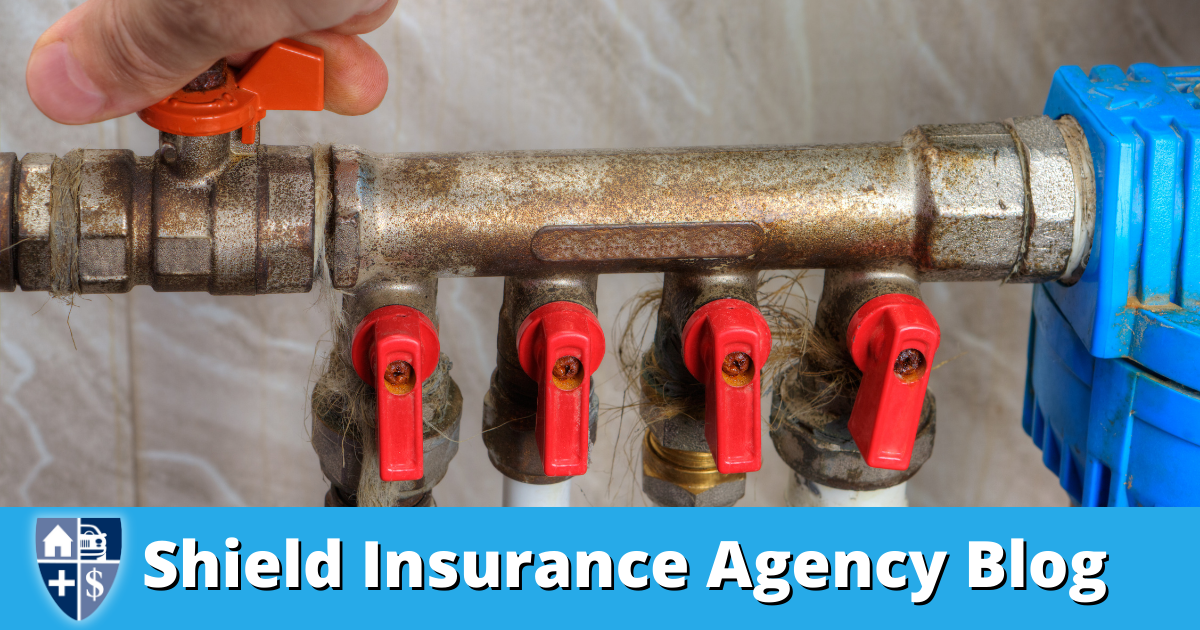
How to turn off home water supply

How to turn off home water supply

 Foremost Insurance Blog | by Niki King | Water Supply | Home Insurance | Self-Quoting Portal

If your plumbing freezes, springs a leak, backs up, requires maintenance or you’ll be away from your house for a while, you may have to turn off the water supply for your home. Do you and everyone else in your household know how to do so? Consider these steps to help be prepared:

Find the Main Water Supply Shut-Off Valve

In most homes, this is located near the main water pipe leading into the home – typically the kitchen, downstairs, or utility room. In warmer areas, the valve may be outside on an exterior wall or buried near the road. If there is more than one valve, it’s most likely the closest to the inside plumbing, versus the one that’s closer to the street. There are several types of water valves used in home plumbing, so be sure you know which one is correct. Tip: Label the valve so it’s easy for everyone to locate! This could also be handy if someone else is staying in your home and needs to turn off the home water supply.

Shut the Water Supply Valve Off

Remember the saying “Righty tighty, lefty loosey?” It applies here as well, so turn the valve clockwise to cut off the water flowing into the home. If the valve is stiff or too tight to turn with your bare hands, we suggest wearing gloves to get more grip and protect your hands. If you still cannot twist the valve, consider calling a professional plumber.

Drain Remaining Water

Although the water supply is now turned off, there will still be water in the system that needs to drain out. People can do this by turning on all faucets (both hot and cold settings). Once the water stops flowing, they should turn the faucets off. Some appliances or fixtures with a reservoir may still have limited usage after shutting off and draining the water. For example, toilets could flush one more time. Tip: Consider collecting the water in a container to use for watering plants or other ways to avoid waste.

Wait/Perform Maintenance

Now it should be safe to make repairs or wait for the plumbing emergency to no longer be a concern, depending on the issue. It is recommended to call a professional plumber when you cannot handle a problem alone, don’t know how to fix the issue, or aren’t sure what the problem is.

Open the Water Supply Valve

Head to the main valve and turn it counterclockwise to get the water flowing again. Tip: It’s recommended to test shut-off valves twice a year to ensure proper operation. Catching a problem before it becomes a problem can save time, money, and a lot of stress in the long run.

Run Water Lines and Appliances

Turn on the faucets again for a few minutes to remove air from the pipes while the water refills the pipes, and test appliances that use water (dishwasher, washing machine, icemakers, etc.). If the water isn’t flowing or something isn’t working properly, be sure to call a professional.

Is your home covered in the event of a flood? Get a quote today by calling 616-896-4600 to speak with a licensed agent.


More great blogs by Shield Insurance

Read More